Moisture-wicking comforter sets are designed to move perspiration through fabric and away from the body, helping the sleep surface feel less damp. That moisture can then evaporate when the surrounding layers allow enough airflow. For someone who often pushes the covers aside or wakes to a clammy patch of bedding, this combination of moisture management and breathability can make a meaningful difference in comfort. Wicking is not the same as absorbency: an absorbent fabric takes in moisture, while a wicking construction helps spread and transport it. Neither feature makes a comforter waterproof or prevents perspiration. The shell, fill and overall construction all influence how the bedding performs. Polyester and nylon fabrics can be engineered to move moisture, while cotton, lyocell and viscose blends can contribute softness and moisture absorption. Fiber content alone does not establish wicking performance, so descriptions that explain the fabric’s intended function are more useful than broad cooling claims. Microfiber refers to very fine fibers, not a guaranteed level of breathability or moisture control. Likewise, a smooth, cool-to-the-touch surface describes an initial sensation rather than a promise that bedding will remain cool throughout the night. Some fabrics feel silky and fluid against the skin; others have a brushed finish with a softer, more textured hand. Neither texture automatically indicates better moisture management. Lightweight fill and an airy construction may suit sleepers who prefer less insulation, while a fuller comforter offers a more enveloping feel. Even within similar weights, differences in quilting and fabric density can change how freely a comforter drapes. These details matter for people who like the reassurance of being covered but dislike a heavy layer resting across their legs or shoulders. A well-matched comforter set balances the desired softness, coverage and loft with moisture-handling features that support a comfortable sleep surface.
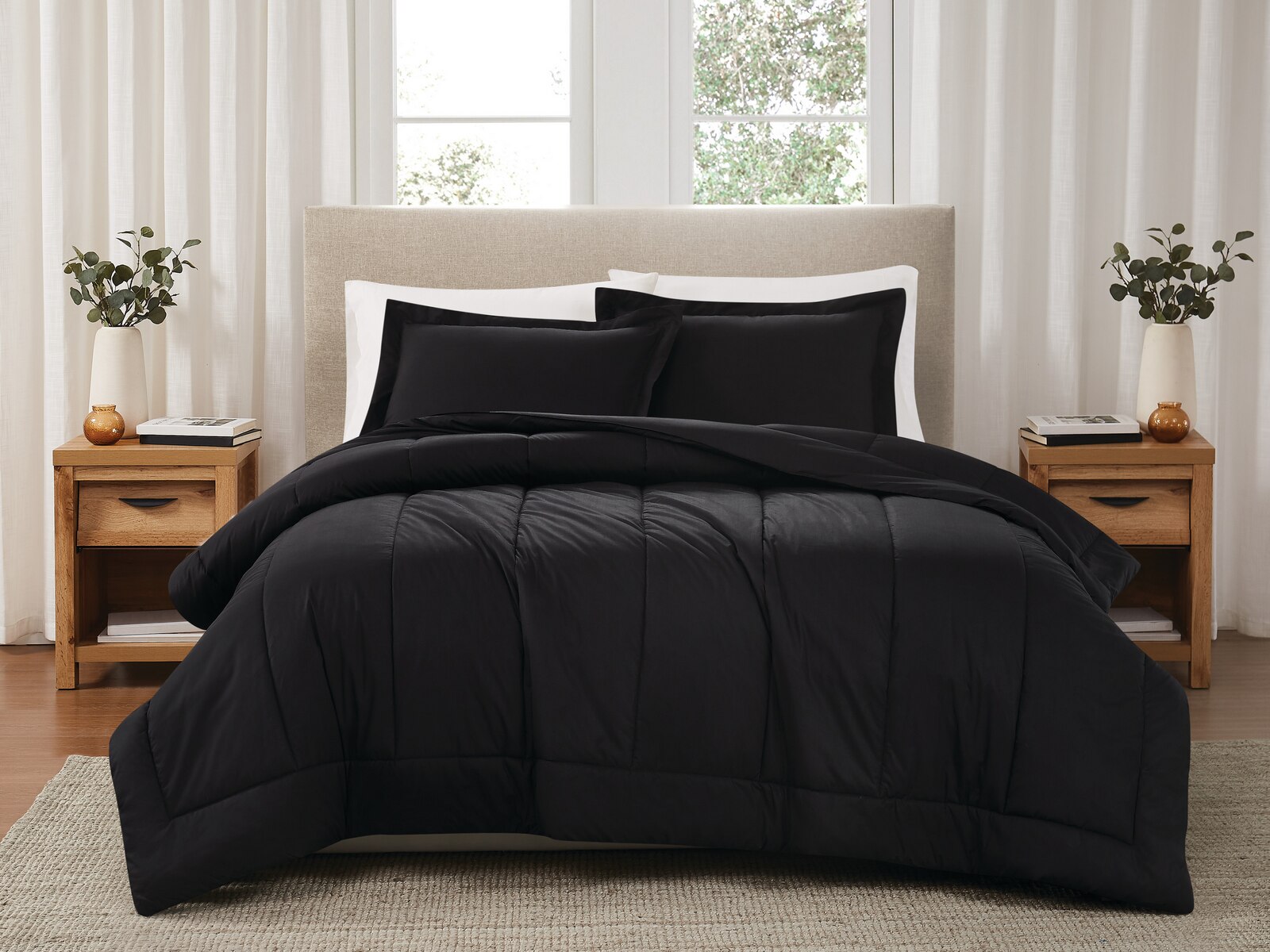
The right fit starts with the comforter’s actual dimensions rather than the size name alone. Two queen comforters can have different widths and lengths, and a deeper mattress needs more fabric to create the same side coverage as a slimmer one. Mattress toppers, a tall foundation and the amount of bedding tucked at the foot also affect the finished look. A generous drape can cover the mattress edges neatly and give two sleepers more room to adjust their covers, while a shorter drop keeps excess fabric away from the floor. For a king or California King bed, matching the comforter measurements to the mattress shape helps prevent uneven coverage. Twin XL beds also need attention to length, especially when the sleeper prefers the comforter pulled up around the shoulders. Set contents deserve the same attention as dimensions. A comforter set may pair the main covering with pillow shams, while a more extensive bedding set may include sheets or additional pillowcases. Decorative shams do not necessarily replace the pillowcases used for sleeping, and their measurements should match the pillows intended for them. Coordinating layers such as
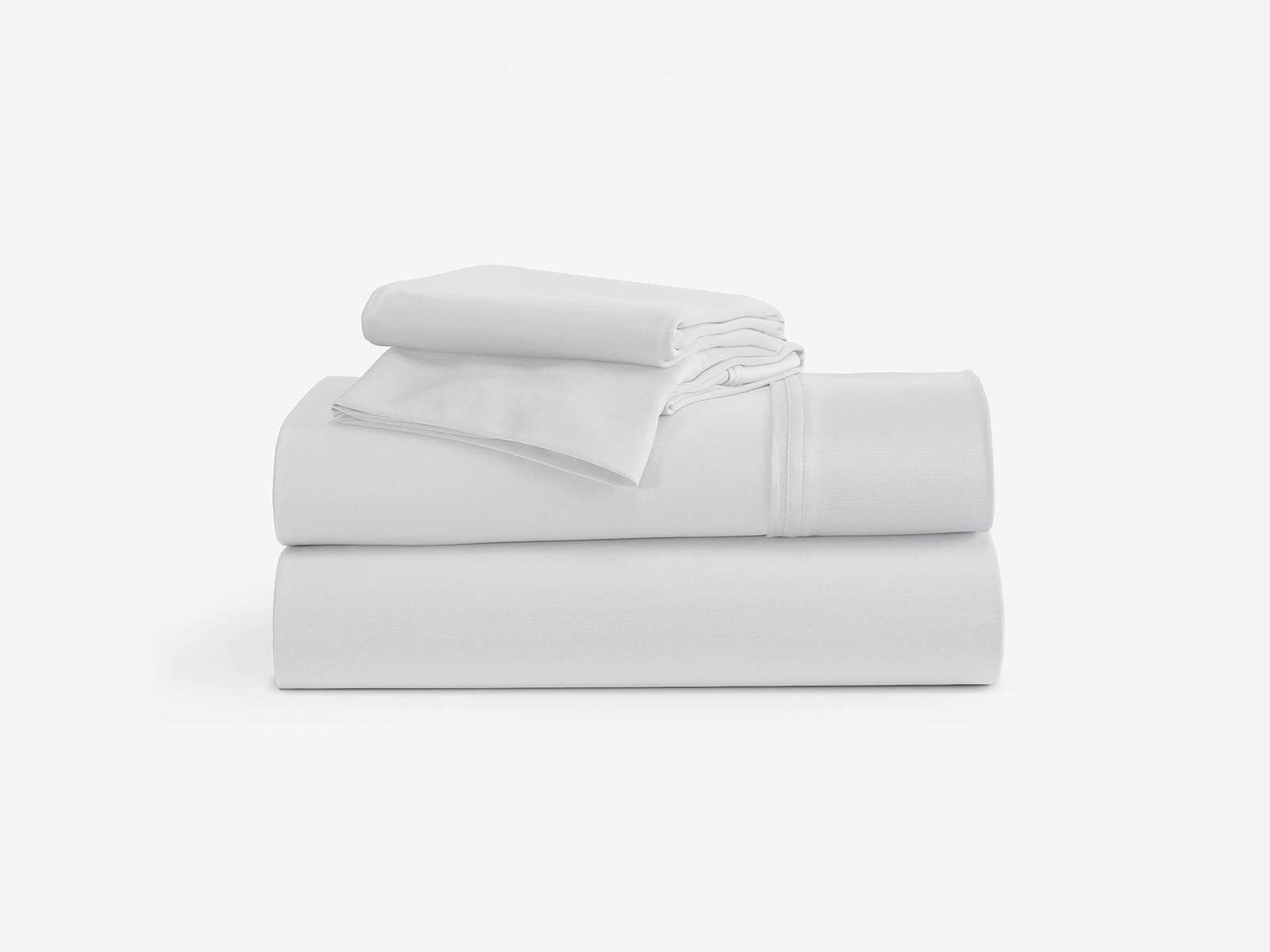
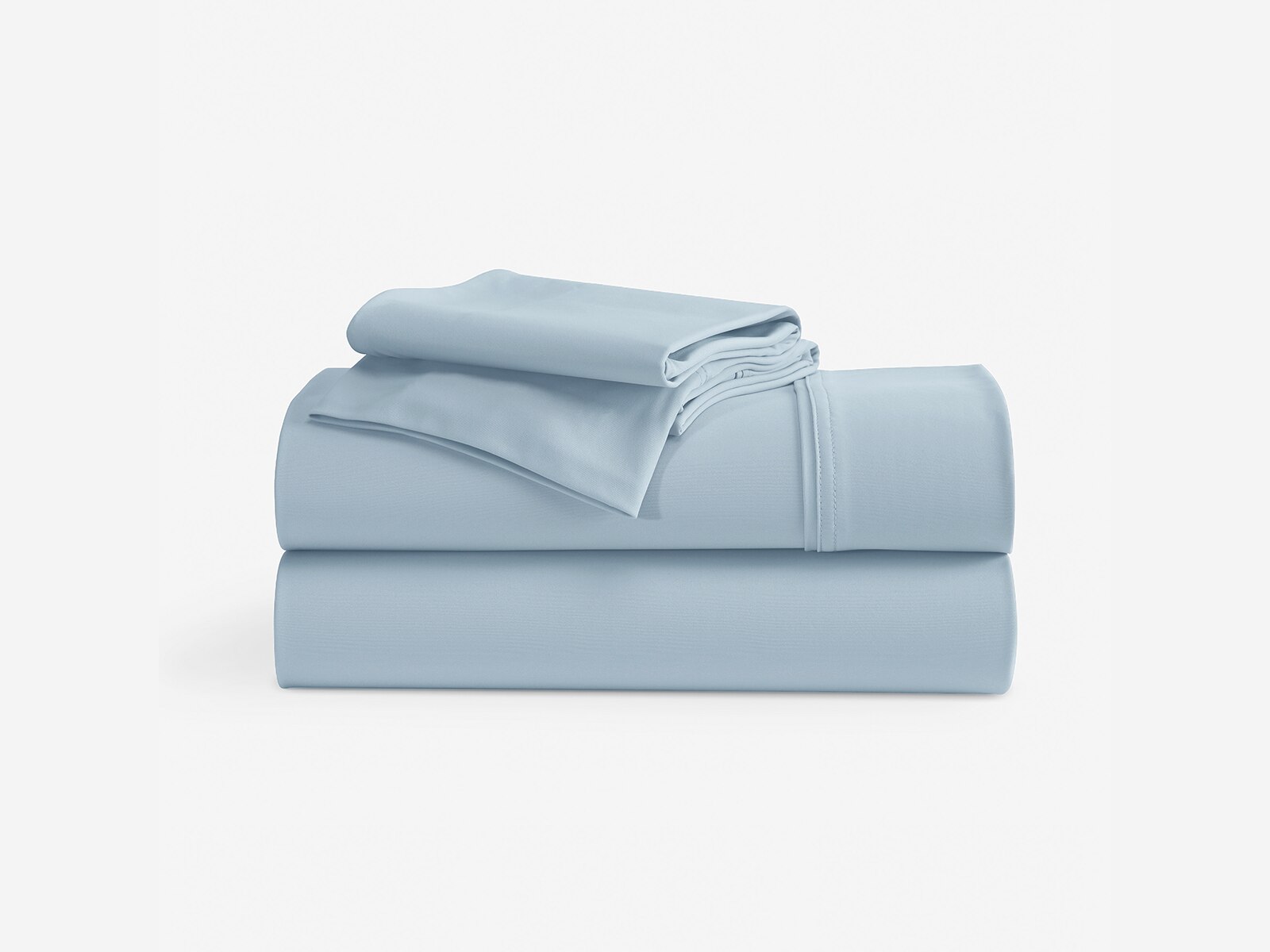
Moisture Wicking Stretch Bedding Sets can bring a consistent feel to the bed, with each layer contributing its own fabric characteristics. Stretch can help fitted bedding accommodate movement, but pocket depth still needs to suit the mattress and any topper. Across the whole bed, a breathable sheet and a comforter with manageable loft generally create a less restrictive arrangement than several dense layers stacked together. A mattress protector can serve an important purpose underneath, though its construction also influences the feel of the sleep surface. Solid colors, subtle patterns and textured finishes offer different ways to coordinate the room without changing the underlying performance requirements. For shared beds, a flexible comforter that drapes easily can be especially useful when one person changes position frequently or prefers less coverage than the other.
Care requirements are an important part of choosing moisture-wicking comforter sets, particularly for bedding that will be washed often. Machine-washable construction can simplify regular upkeep, but the care label determines the appropriate cycle, detergent and drying method. A comforter needs room to move in the washer so water and detergent can circulate through the shell and fill. Packing a bulky comforter tightly into a small drum can limit cleaning and make rinsing more difficult. Larger bedding may need a higher-capacity machine, even when its care instructions permit home laundering. Some constructions require professional cleaning instead. Fabric softeners and dryer sheets can leave residues that interfere with certain moisture-managing finishes, so their compatibility should be checked before use. Bleach and high drying heat may also be unsuitable for particular fibers, colors or treatments. Thorough drying matters just as much as washing: the outer fabric can feel dry while moisture remains inside thicker sections of fill. Following the recommended drying process and checking the entire comforter before putting it back on the bed helps prevent lingering dampness. For long-term durability, secure edge seams and consistent quilting help the comforter hold its shape and keep fill distributed through repeated use. Smooth fabric surfaces may be practical in homes where jewelry or pet claws can catch on raised textures, although no fabric is completely snag-resistant. Performance treatments can also change with repeated laundering, making the manufacturer’s care directions relevant beyond the first wash. For someone furnishing a first apartment, refreshing a primary bedroom or preparing a guest room, a coordinated set can simplify creating a finished bed. It can also make a thoughtful housewarming or wedding gift when the recipient’s mattress size, pillow dimensions and laundry setup are known. The most useful choice combines a comfortable hand, suitable coverage, dependable construction and care requirements that fit everyday routines, with moisture management as one part of a thoughtfully layered bed.