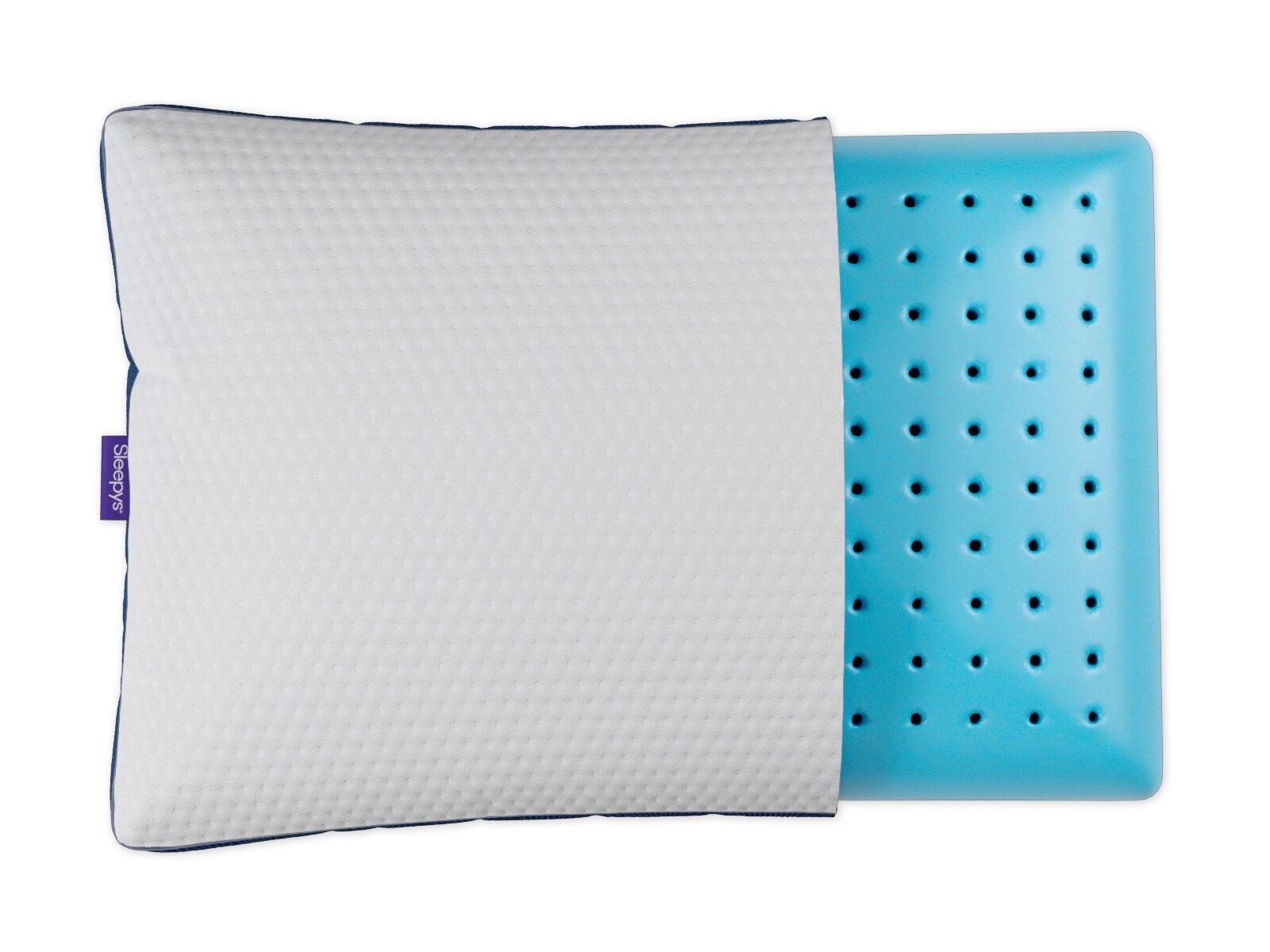
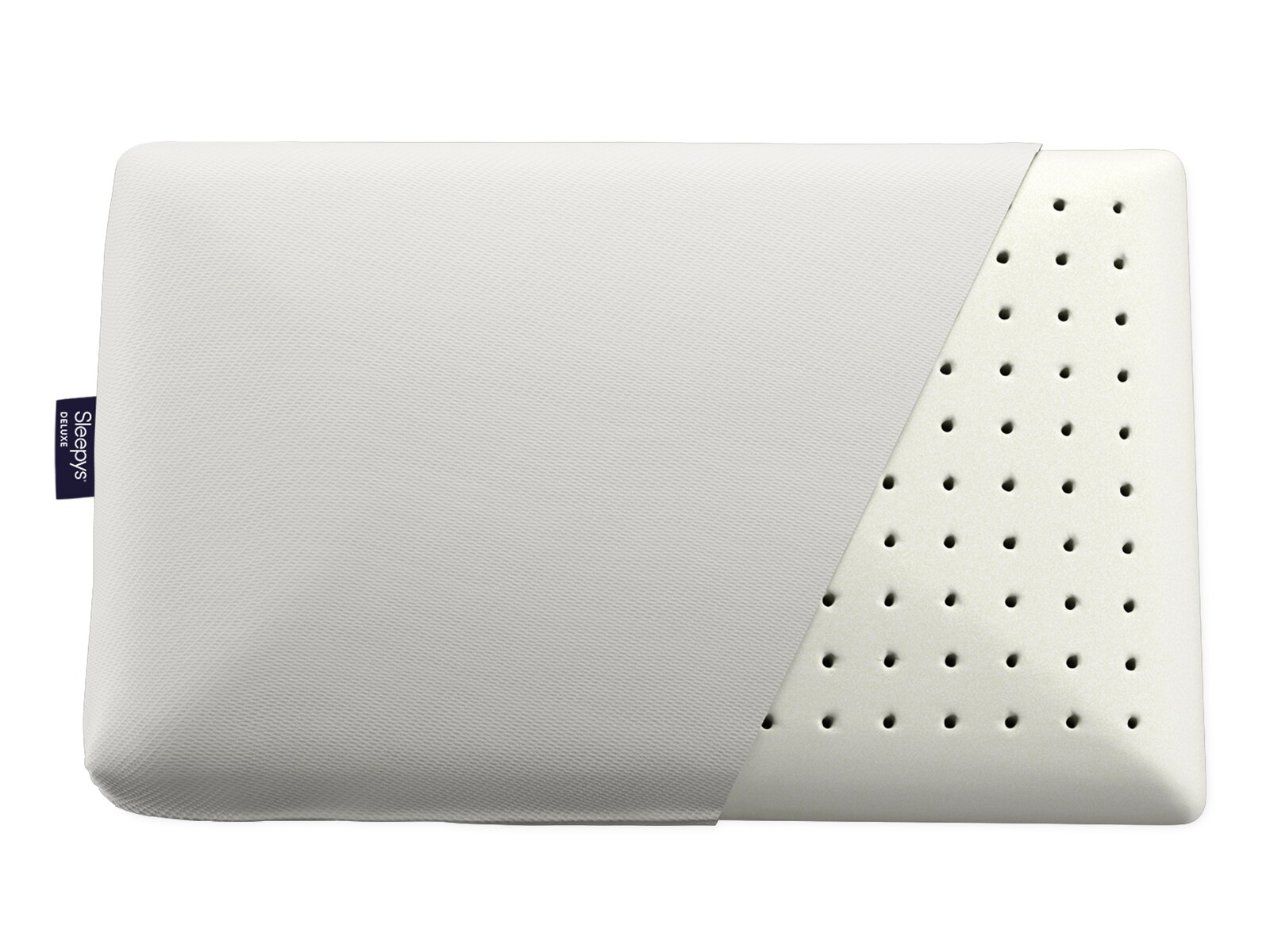
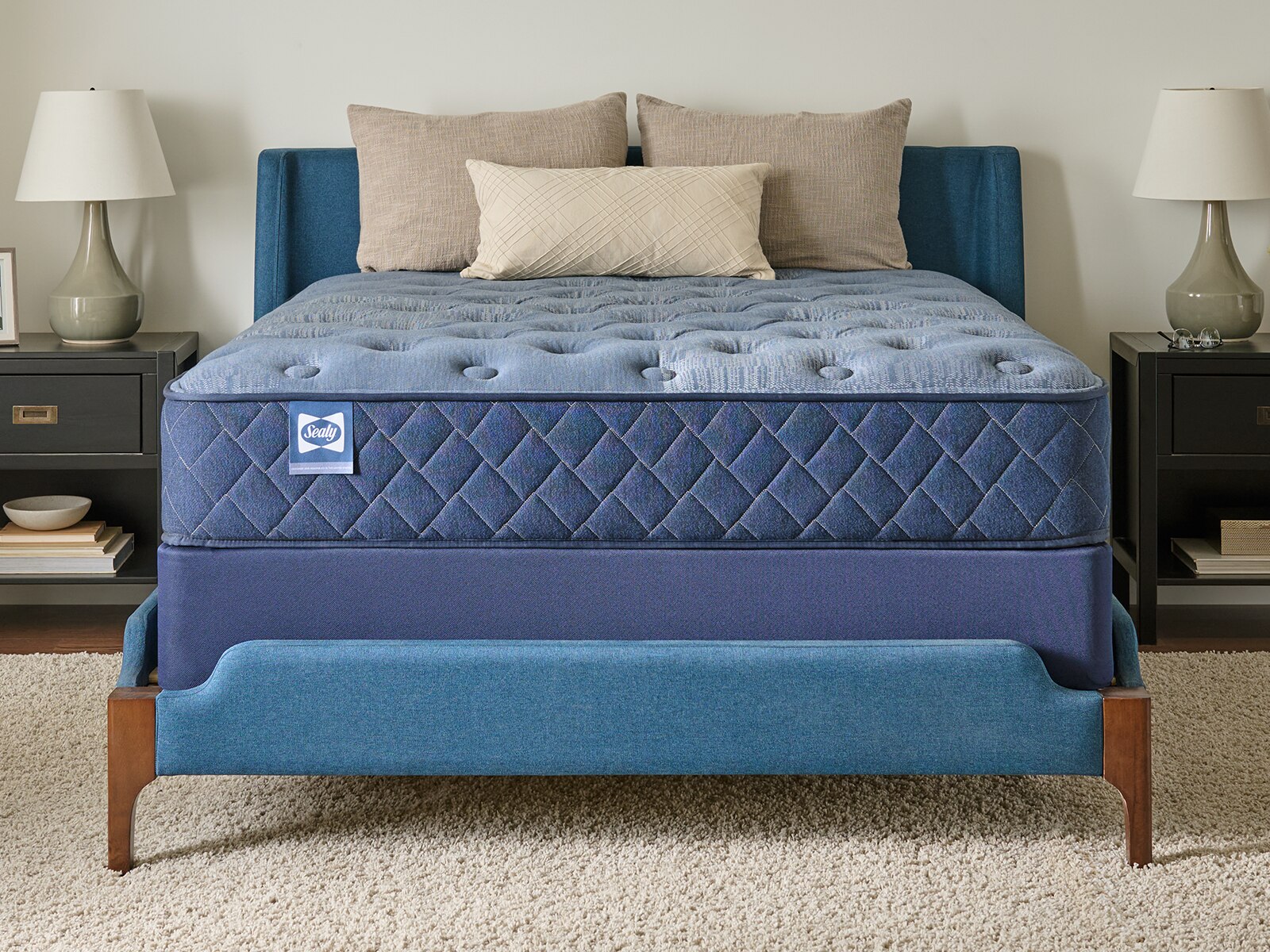
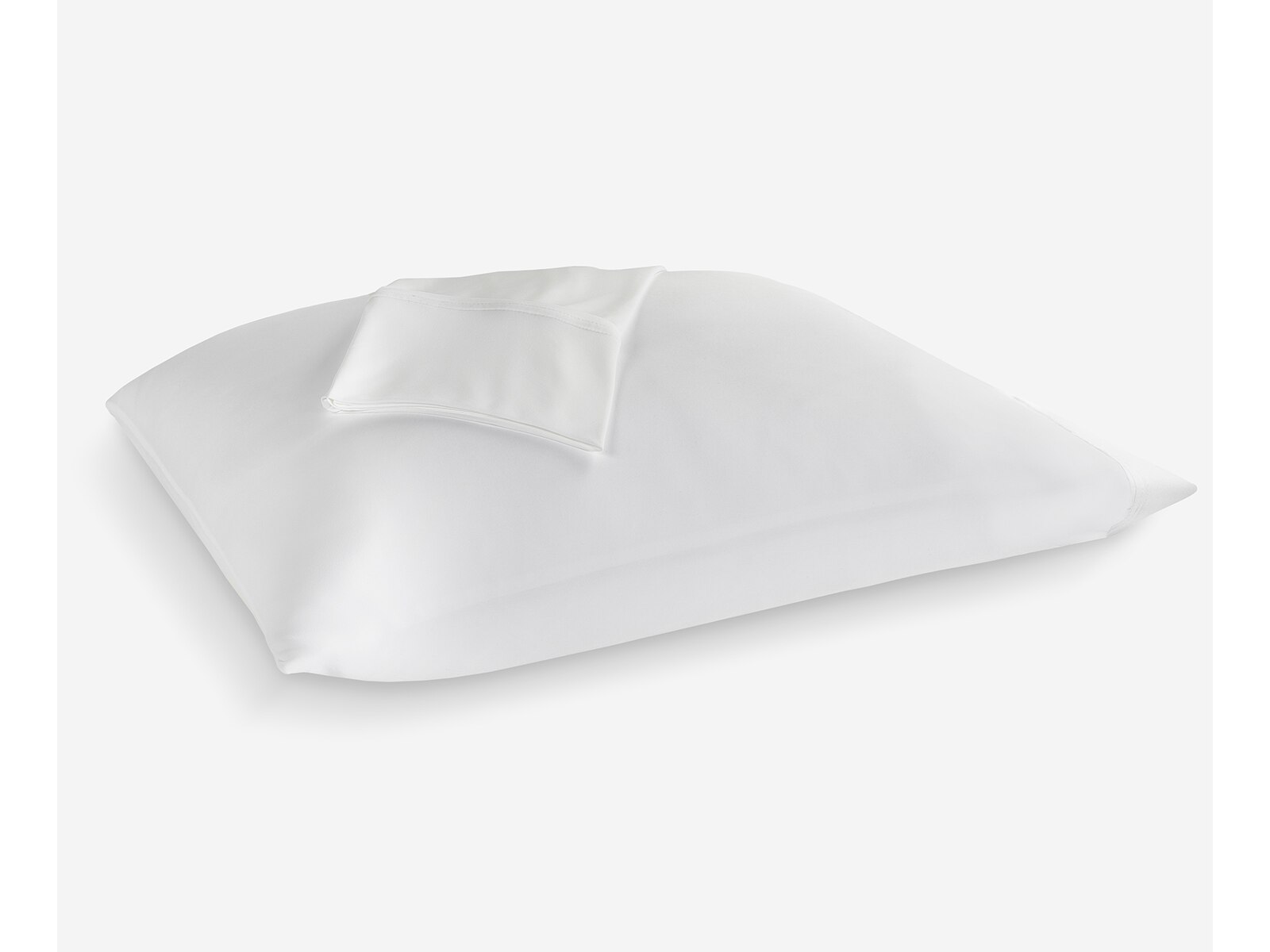
Moisture-wicking pillows for summer heat are designed to move perspiration away from the surface next to your head and neck, helping that area feel drier as you rest. Their performance depends on how the cover, fill and overall construction work together. A moisture-wicking fabric draws moisture through or along its fibers so it can spread across a larger area and evaporate, while breathable construction allows air to circulate. These functions are related, but they are not interchangeable: a pillow can let air pass through without having a cover specifically designed to wick moisture. Likewise, a cover that feels cool when you first touch it does not necessarily manage perspiration throughout the night. For someone who wakes with a damp pillowcase after a humid evening, moisture management may matter more than that initial cool sensation. Performance polyester, nylon and certain lyocell or rayon blends can support moisture movement, depending on the yarns, fabric structure and finishing treatments. Fiber content alone does not tell the whole story, so descriptions of moisture-wicking properties, breathability and cover construction are useful details to compare. Cotton can feel soft and absorb moisture, but absorption is different from moving moisture outward and helping it dry. A lightweight knit may feel flexible against your cheek, while a textured weave can offer a less clingy surface. Inside the pillow, shredded foam, fiber clusters and other loosely arranged fills can leave spaces for airflow, although the density of the fill and the surrounding cover still affect ventilation. Solid foam designs may use perforations or ventilation channels to help air move through the material. Cooling gels or other temperature-focused features serve a different purpose from moisture-wicking fabric and should be considered separately. None of these features actively cools the bedroom or prevents sweating, and evaporation is more limited when the air is humid. The practical goal is a pillow that balances moisture management, airflow and comfortable support without relying on a cool-to-the-touch feel alone.
Support deserves just as much attention as fabric when choosing a pillow for warm nights. A breathable surface is less useful if the pillow leaves your neck tilted or requires constant folding to feel comfortable. Side sleepers often need enough loft to fill the space between the head and mattress, especially when the shoulders are broad or the mattress keeps the body closer to its surface. Back sleepers generally benefit from a height that supports the curve of the neck without pushing the chin toward the chest. Stomach sleepers typically need a lower profile to avoid lifting the head too far, though individual comfort and body proportions vary. Loft means pillow height, but the height under your head matters more than how tall a pillow looks before use. A soft fill may compress substantially, while a firmer construction may retain more of its shape. Adjustable fill can help fine-tune that balance: removing a small amount may reduce excess height, while adding it back can restore support if the pillow feels too flat. Adjustment is primarily about fit, not a guarantee of cooler sleep. Someone who changes positions throughout the night may prefer a responsive fill that reshapes easily, whereas a sleeper who stays on one side may appreciate more consistent support. Shredded foam can offer a moldable feel, fiber fill often feels lighter and more cushiony, and latex can provide a buoyant response; airflow and moisture performance still depend on each pillow’s construction. Size also affects everyday comfort. A standard, queen or king pillow should fit its pillowcase without being squeezed into a cover that compresses the fill or pulls the surface taut. Pairing it with
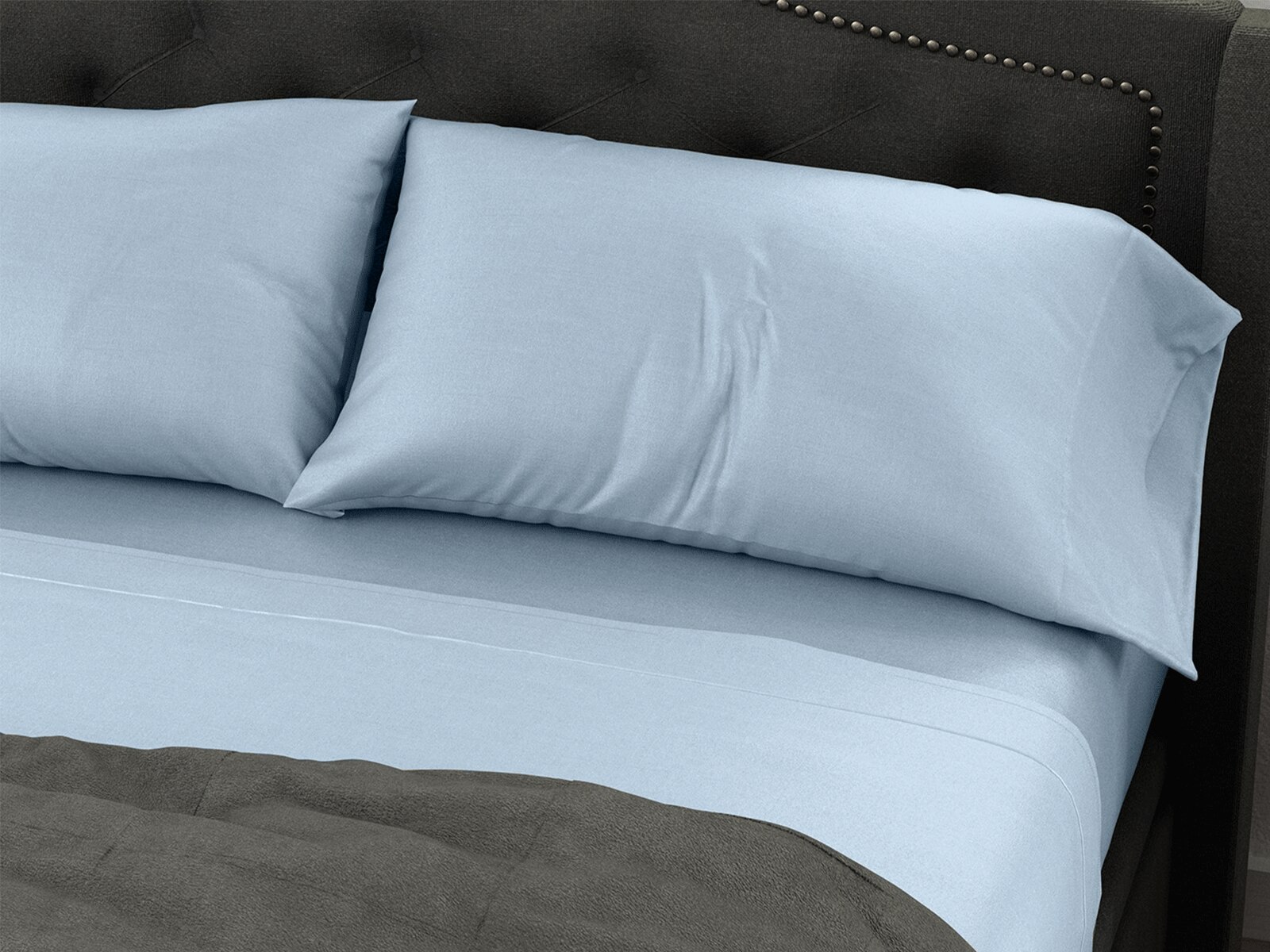
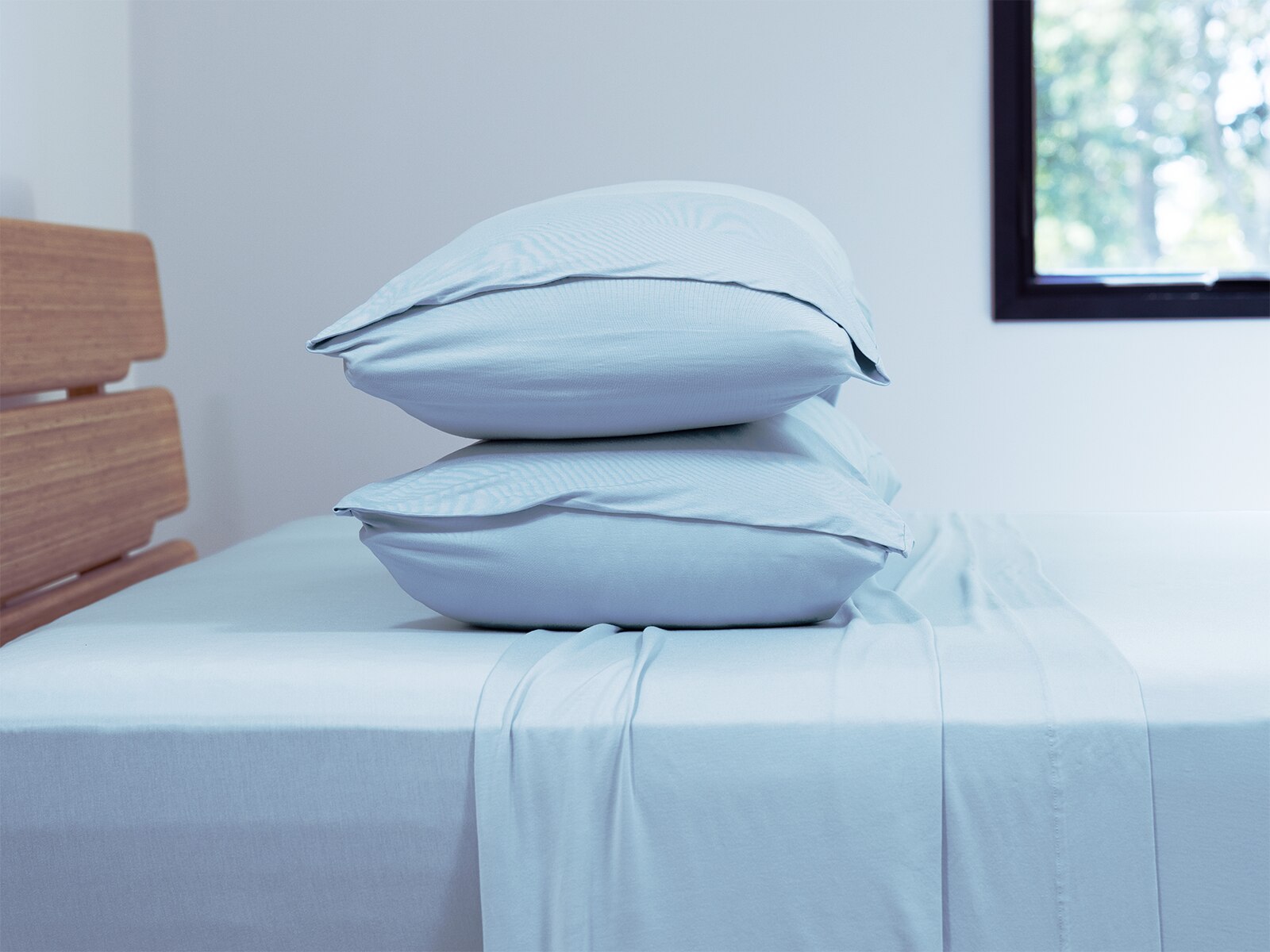
moisture-wicking pillowcases for hot sleepers can help keep the layer closest to your skin aligned with the pillow’s moisture-management purpose. A thick additional cover may change how breathable the finished setup feels. For a sleeper who turns the pillow over searching for a dry spot, the entire combination of pillow, protector and pillowcase is worth considering rather than focusing on the fill alone.
Care and durability help determine whether a moisture-wicking pillow remains comfortable beyond its first few nights. A removable, washable cover can make it easier to refresh the surface after repeated use, particularly when perspiration, hair products or skin oils leave residue. Washing instructions vary, and a washable outer cover does not mean the inner pillow can go into the washing machine. Some foam and latex cores require spot cleaning, while certain fiber-filled designs permit machine washing under specific conditions. Follow the care label for detergent, water temperature and drying method, and check whether fabric softener is discouraged; some treatments can leave a coating that interferes with moisture movement. Thorough drying matters just as much as washing. A cover that feels dry on the outside may still surround damp fill, so allow every washable component to dry completely before putting the pillow back on the bed. Regular fluffing can help redistribute loose fill, while gentle reshaping may restore a more even sleeping surface after use. Durable seams, a secure zipper on adjustable designs and a cover that holds its shape through permitted washing are practical details to look for. Over time, persistent clumping, uneven compression or a loss of support can signal that the pillow no longer fits as well as it once did. Moisture-wicking pillows can suit people who naturally sleep warm, share a bed with someone whose temperature preferences differ or want a less damp-feeling sleep surface during summer heat. They can also be useful in a guest bedroom, where a breathable, easy-care setup accommodates different sleeping habits without assuming every guest prefers the same pillow height. As a gift, a pillow is most thoughtful when the recipient’s preferred feel and sleep position are known; adjustable construction and straightforward care may offer welcome flexibility. The strongest choice is not simply the pillow with the most cooling language, but one with clearly described moisture-wicking features, a comfortable fit and care requirements that work with everyday routines.