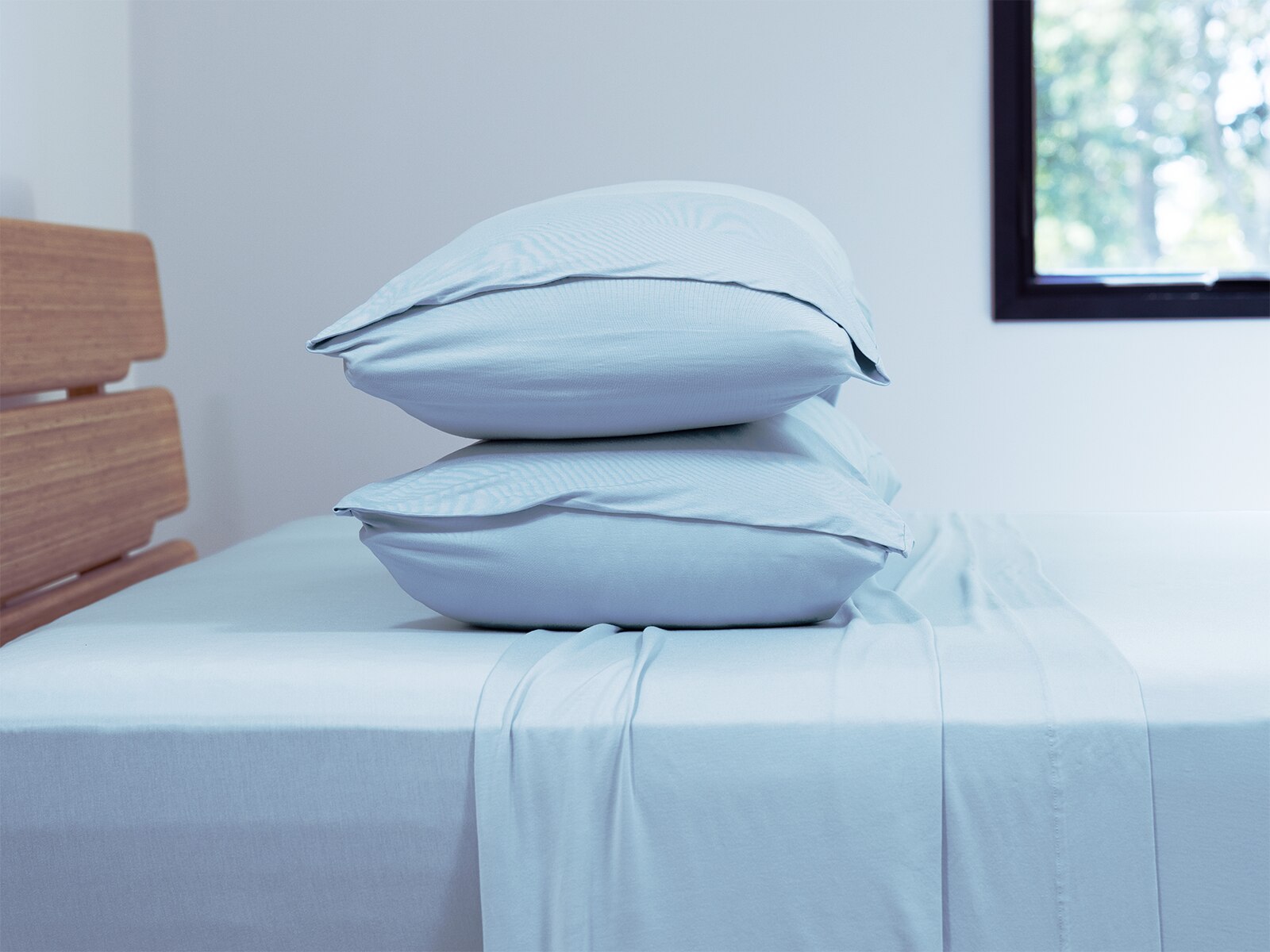
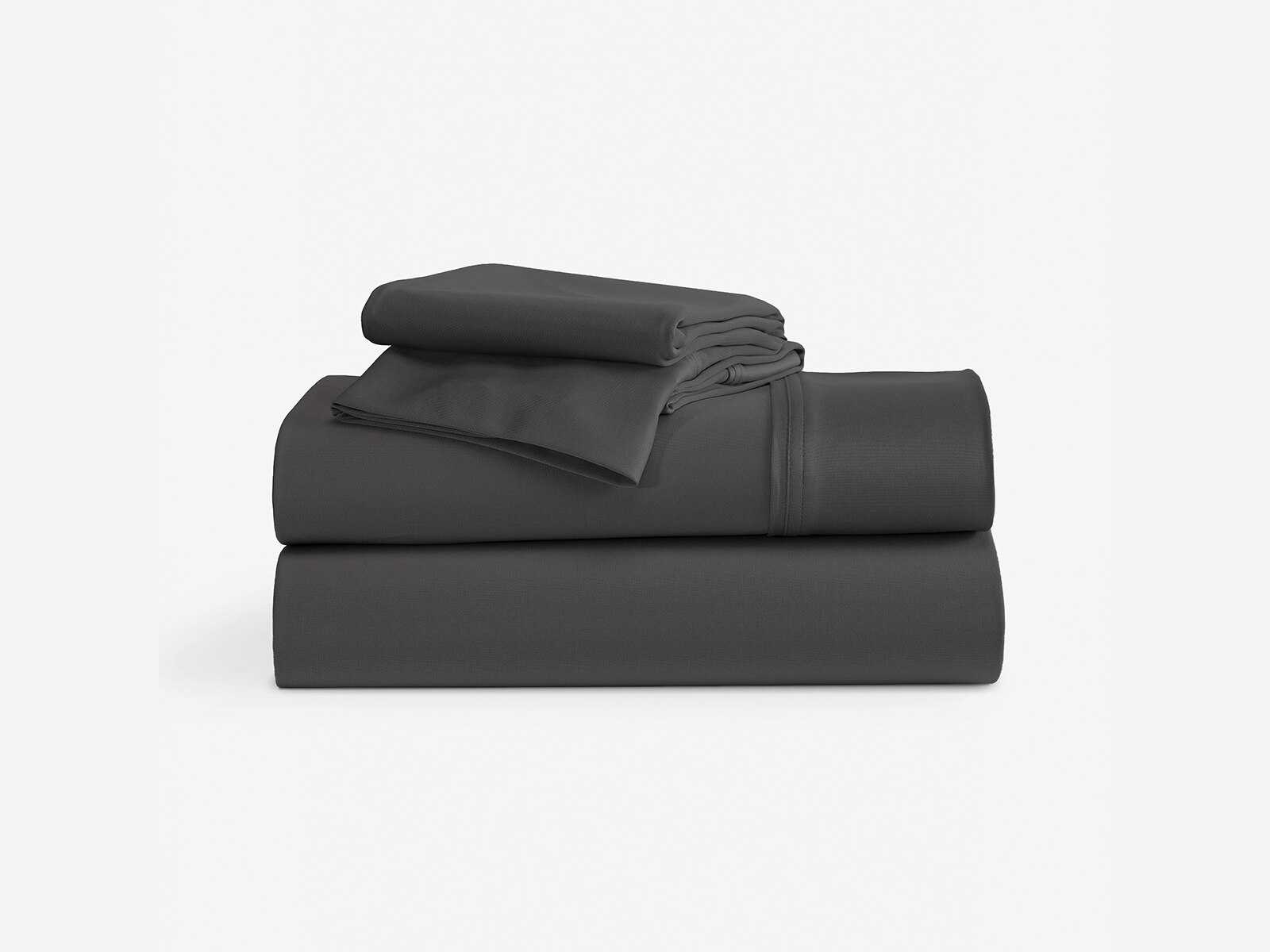
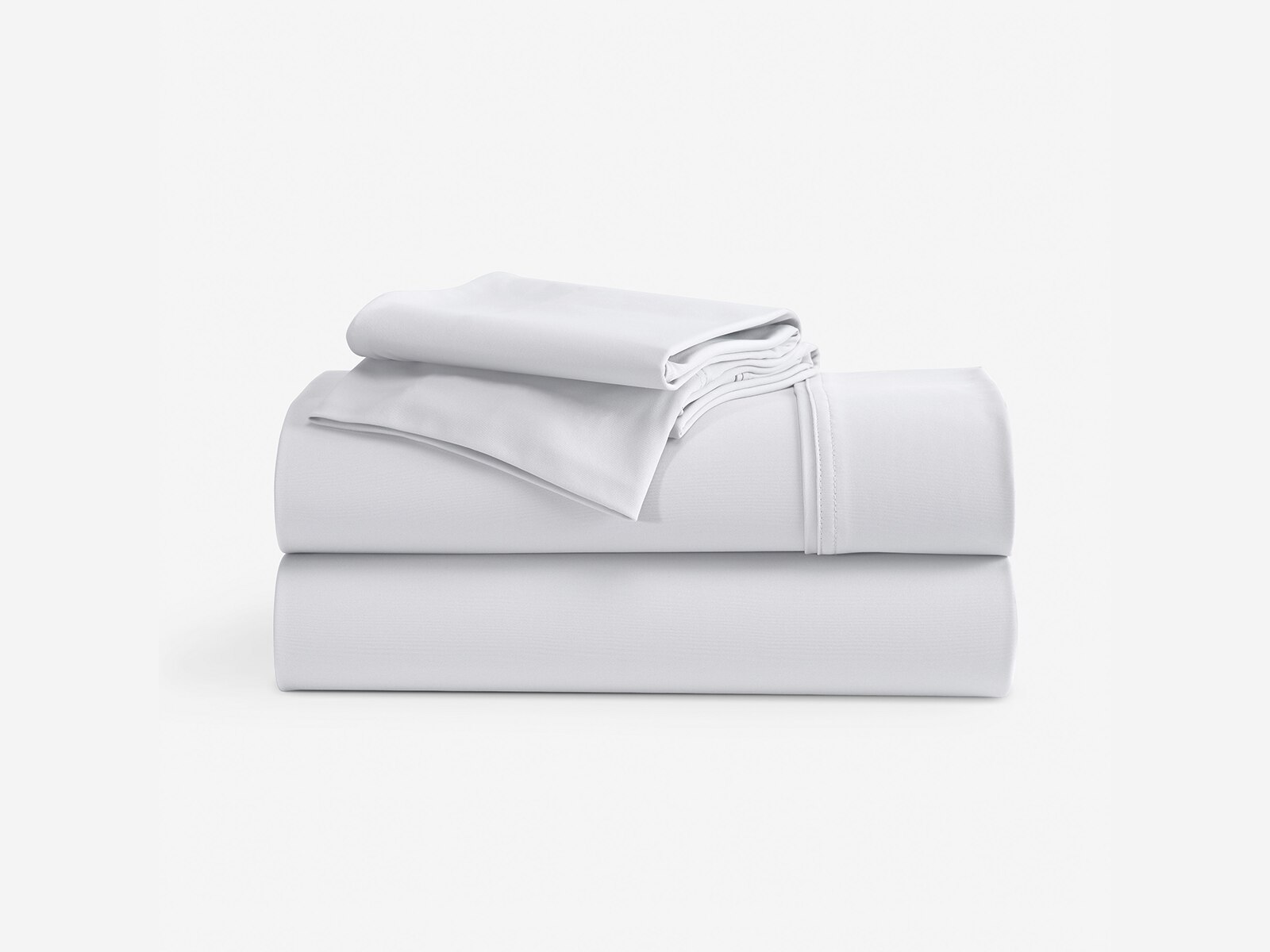
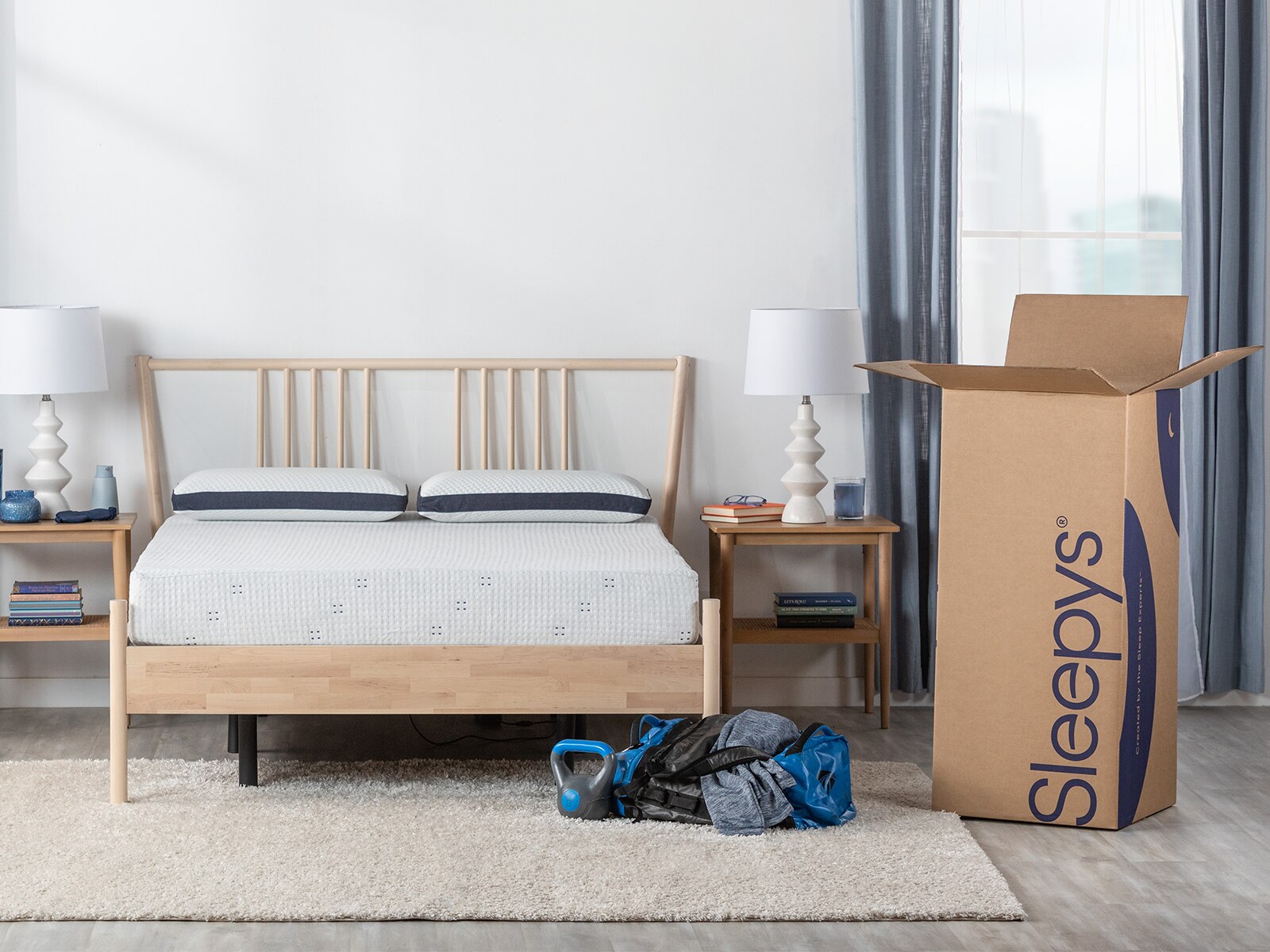
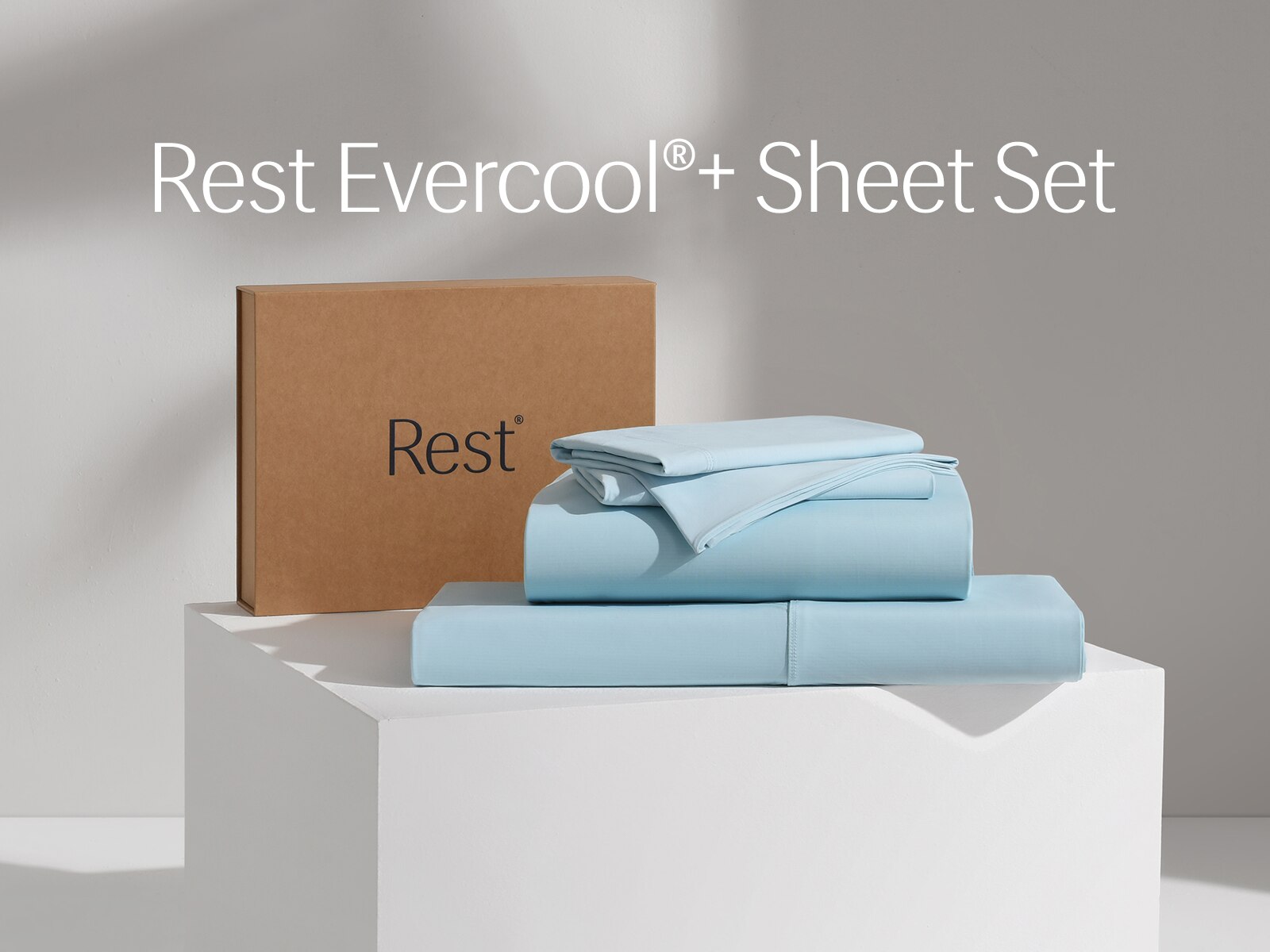
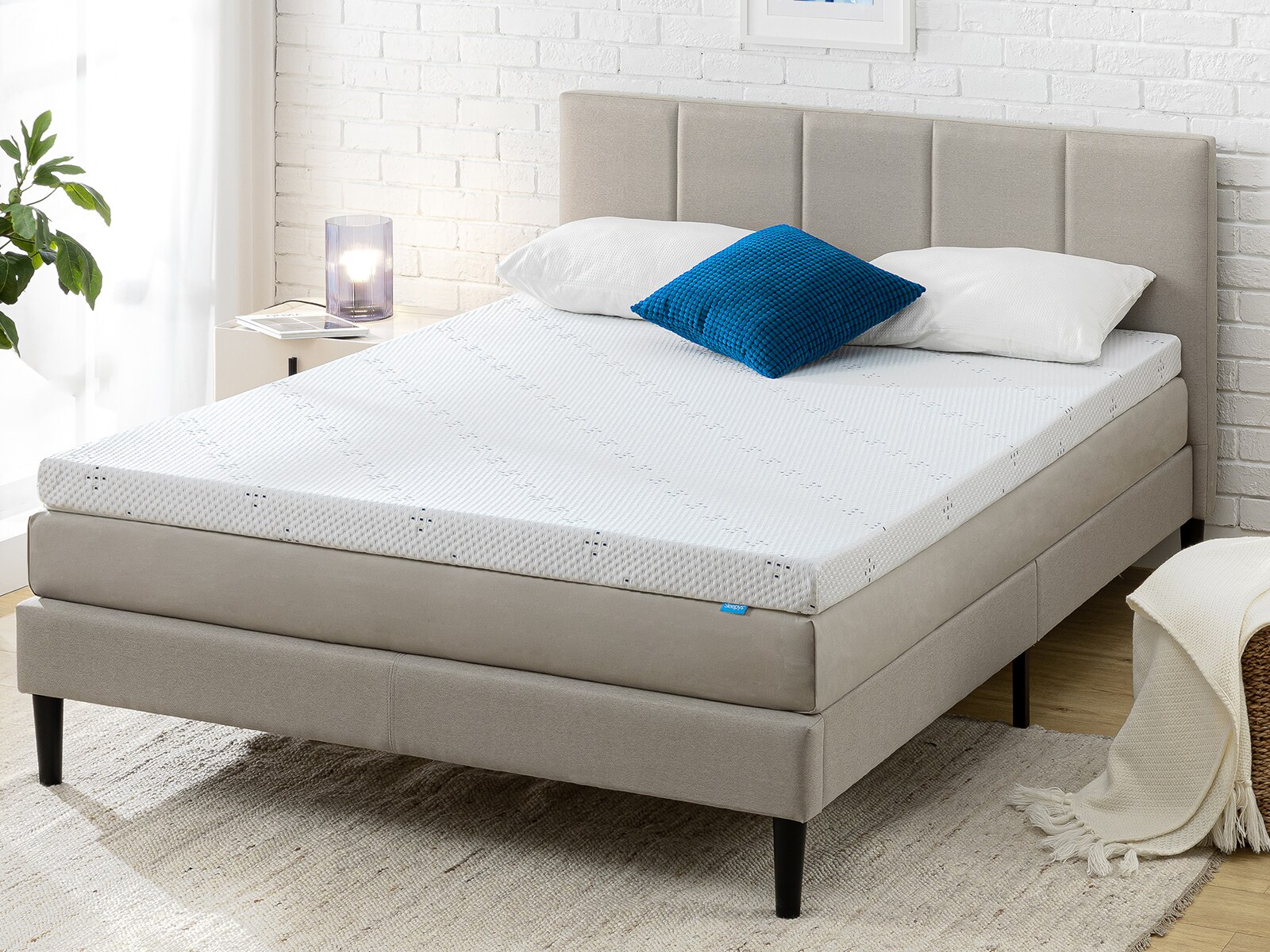
Moisture-wicking sheets for menopause can help manage the dampness that comes with night sweats, giving bedding a drier, more comfortable feel against the skin. During perimenopause and menopause, hot flashes may interrupt sleep or leave a sleeper waking with moisture around the neck, back or legs. Sheets cannot prevent those episodes, but their fabric and construction can influence how much moisture stays close to the body afterward. Moisture wicking, absorption and breathability describe different qualities. Absorption is a material’s ability to take in liquid; wicking is the movement of that liquid through the fabric, often spreading it across a larger area where it can evaporate. Breathability allows air and water vapor to pass through the material. A sheet may absorb moisture well without drying quickly, and a fabric that feels cool at first touch does not necessarily move perspiration effectively. For menopause-related night sweats, a useful combination is moisture management, airflow and a texture that feels pleasant even when skin is sensitive or damp. Picture waking after a hot flash and shifting onto a dry section of the bed: a lightweight sheet that does not cling can make settling back in feel easier. Actual drying depends on more than the sheet itself, including the amount of perspiration, humidity and the blankets layered above it. A heavy comforter can limit evaporation even when the sheet underneath is breathable. Moisture-wicking bedding is also relevant to people who share a bed with someone whose comfort preferences differ from their own. Separate top layers can let one sleeper keep a lighter covering while the other adds warmth, without requiring different fitted sheets. The goal is not an icy sleeping surface or a promise of uninterrupted sleep. It is a bed that handles everyday perspiration more comfortably and feels less damp when it is time to rest again.
Materials give moisture-wicking sheets their distinct feel, but the fiber name alone does not tell the whole story. Lyocell, viscose made from bamboo, linen, cotton and performance synthetic blends can all appear in bedding intended for sleepers who experience night sweats, with different strengths depending on the weave, weight and finishing process. Lyocell absorbs moisture and often has a smooth surface that feels gentle against the skin, although its drying performance varies with fabric construction. Viscose made from bamboo can also feel soft and fluid, but the plant source by itself is not proof of moisture-wicking performance. Performance fabrics made with polyester or nylon may use fiber shapes, yarn construction or finishes to help spread perspiration and encourage drying. These materials can feel silky or slightly slick, which some sleepers enjoy and others find less familiar than cotton. Cotton deserves a more nuanced comparison than simply calling it unsuitable: lightweight cotton percale can offer a crisp, breathable feel, though absorbent cotton may remain damp longer than some quick-drying fabrics. Linen has a more textured surface and can provide an airy feel in a lightweight construction, making it appealing to people who prefer relaxed bedding rather than a very smooth finish. For skin that feels tender after sweating, softness at seams and along pillowcase edges can matter as much as the overall fabric. Weave and fabric weight are useful considerations alongside fiber content. Percale typically feels crisp, while sateen generally has a smoother drape; neither weave automatically guarantees better moisture management. Very dense fabrics may allow less airflow, so a high thread count is not, by itself, a reason to expect greater comfort during a hot flash. A lighter, supple sheet can feel less enclosing when pulled over the legs or tucked around the shoulders. When comparing cooling sheets for menopause, details about moisture transport, drying and construction are more informative than a cooling label alone. Personal texture preferences still matter, because a sheet that performs well but feels distracting against the skin may not be comfortable for nightly use.
Fit, care and durability round out the everyday usefulness of moisture-wicking sheets. A fitted sheet should match both the mattress size and its full depth, including any topper that adds height. Deep pockets are helpful for a taller sleep surface, but extra fabric on a shallow mattress can bunch beneath the hips or shoulders. A secure elastic edge and an appropriate pocket depth help keep the sleeping surface smooth when someone turns over or moves to a drier spot after sweating. Flat sheets also need enough length and width for comfortable coverage without a tight tuck that restricts movement. Pillowcase fit matters when perspiration collects around the head and neck; a correctly sized case stays smoother and is easier to change between full bedding washes. For a simple, neutral look,
moisture-wicking white sheets coordinate easily with different blankets and pillow covers, although color does not determine cooling or wicking performance. Care requirements deserve attention because bedding used during recurring night sweats may need frequent laundering. Follow the fabric’s care label for wash settings, drying methods and permitted laundry additives rather than assuming every material tolerates the same routine. Fabric softeners can interfere with moisture management in some performance textiles, and excessive dryer heat may damage fibers, finishes or elastic. Let sheets dry completely before returning them to the bed, and avoid storing them while damp. Rotating between sheet sets makes regular washing easier and gives each set time out of use. Durability includes more than resistance to tearing: seams, corner elastic, surface pilling and shrinkage all affect how comfortable and secure sheets remain after repeated washes. Clear care information and construction details help distinguish fabrics suited to a regular laundry routine from those requiring more attention. For someone buying bedding for a partner or loved one experiencing menopause, familiar fabric preferences and accurate mattress measurements make the choice more personal. The most comfortable setup brings together a preferred texture, reliable fit and manageable care, with moisture-wicking properties that support a drier sleeping surface without promising to resolve the underlying symptoms.