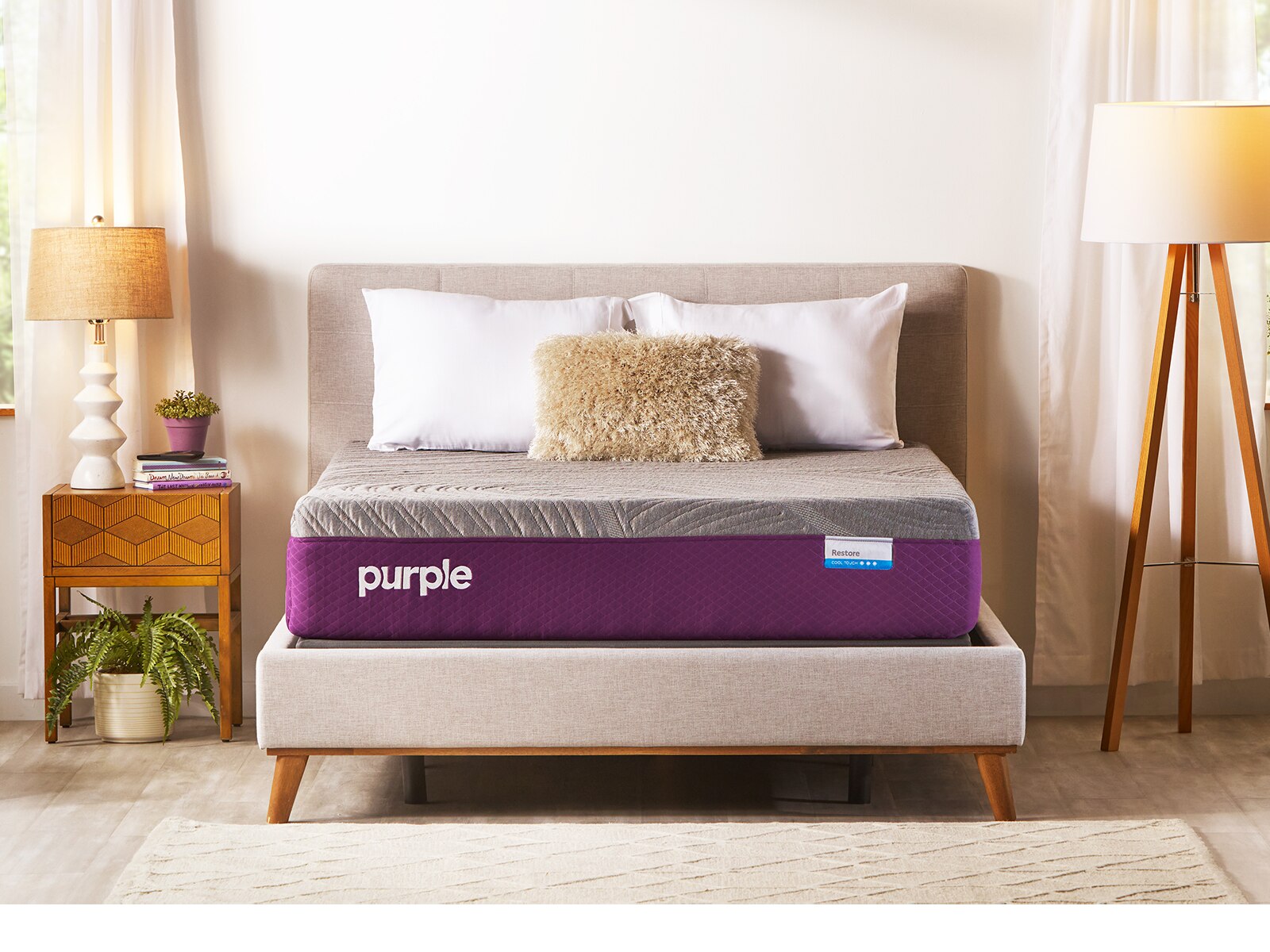
Motion control mattresses are designed to absorb movement and limit how much of it travels across the bed, helping one sleeper stay more settled when another changes position or gets up. Often called motion isolation, this quality can make a noticeable difference for couples with different schedules, light sleepers and anyone sharing a bed with a restless partner or a pet. The goal is to reduce disturbances, not to make movement disappear completely. A partner sitting down at the edge may still be noticeable even when smaller movements, such as rolling from back to side, feel less pronounced. Mattress construction plays an important role in that experience. Memory foam contours under pressure and generally absorbs movement close to where it occurs, rather than sending a ripple across the surface. Other cushioning foams can also help dampen movement, depending on their formulation, thickness and placement within the mattress. Latex tends to have a more buoyant, responsive feel, so it may allow more noticeable movement than slower-responding memory foam, although the complete construction matters more than any single material. Hybrid mattresses combine cushioning layers with a coil support system, offering another way to balance motion isolation with ease of movement. Individually wrapped coils compress largely independently, helping limit the spread of movement compared with interconnected spring systems. The comfort layers above those coils further influence how much motion reaches the other side. Connected coils can transmit movement more readily because pressure on one part of the system affects surrounding springs. Still, material labels alone do not tell the whole story: foam properties, coil design, layer arrangement and the sleeper’s size all affect performance. Two mattresses described as memory foam or hybrid can feel quite different. Motion control is best understood as one part of the overall sleep experience, alongside pressure relief, support, responsiveness and the amount of usable space each person has.
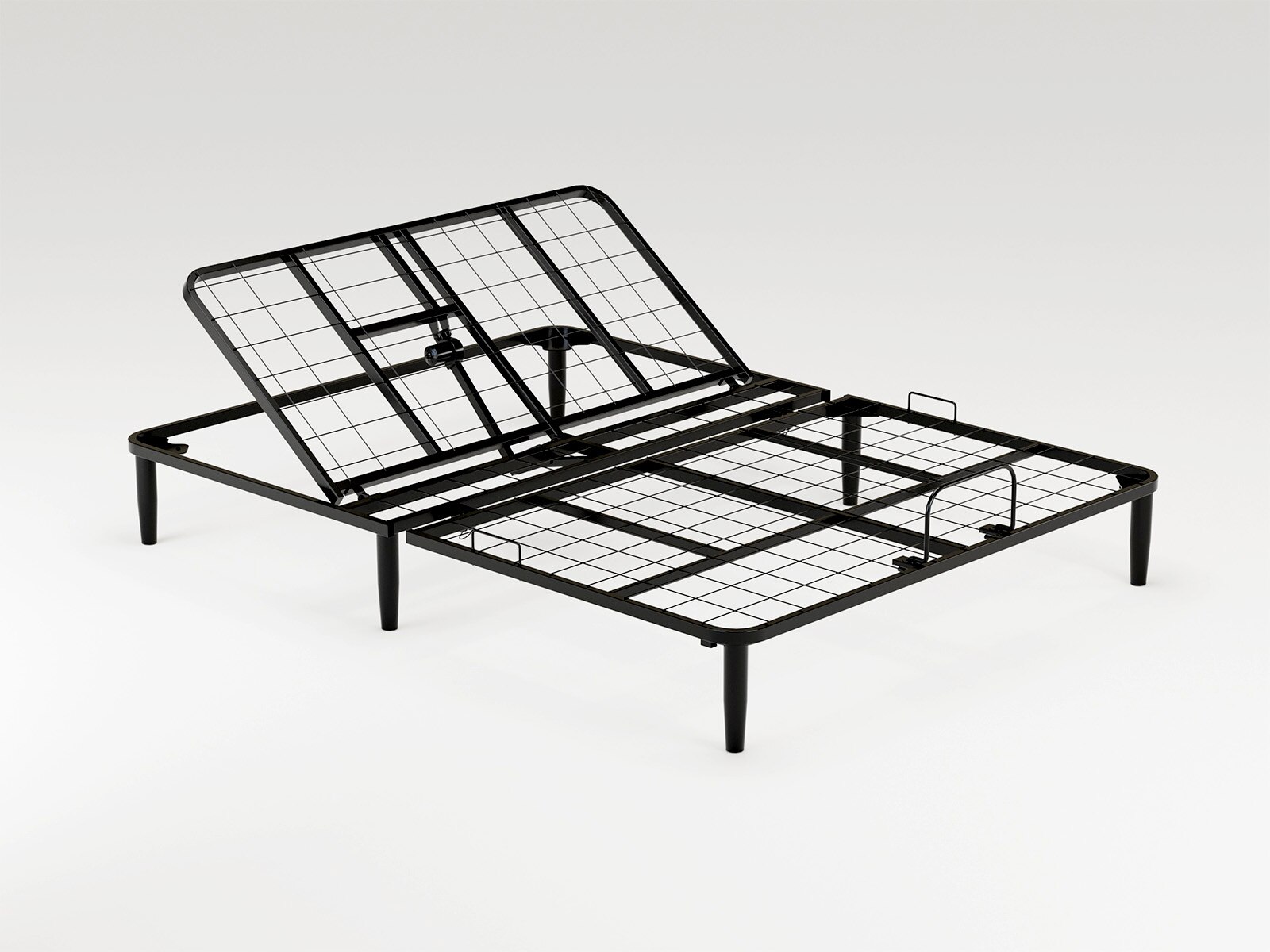
The right balance of motion isolation and comfort depends on how the mattress will be used. Someone who wakes whenever a partner rolls over may appreciate a surface that absorbs small movements, while a combination sleeper may prefer enough responsiveness to change position without feeling held in place. Greater motion isolation does not automatically mean greater firmness, and a firmer mattress is not necessarily better at controlling movement. Firmness describes how the surface feels under the body; support describes how the mattress helps maintain comfortable alignment. Side sleepers often benefit from cushioning that accommodates the shoulders and hips, while back and stomach sleepers generally need enough support to keep the midsection from sinking excessively. Body weight, proportions and personal preference influence those needs, so a mattress that feels gently contouring to one person may feel substantially firmer to another. For shared beds, both sleepers’ comfort matters as much as reduced disturbance. A useful comparison includes ordinary movements: turning over, reaching toward a nightstand and getting out of bed while the other person remains lying down. Edge support deserves attention, too, particularly for someone who sleeps near the perimeter or sits on the edge when getting dressed. It is a separate feature from motion isolation, though both contribute to how stable a shared mattress feels. Mattress size also changes the experience. A king provides more separation than a queen, giving each sleeper additional room before movement reaches the other person’s space. A split king uses two Twin XL mattresses side by side, which can further reduce movement passing directly through the mattresses. It does not guarantee complete separation, since a shared frame, base or tightly fitted bedding can still transmit movement. A stable, compatible foundation is important for any setup. Proper center support, secure connections and slat spacing that meets the mattress manufacturer’s requirements help prevent unnecessary flexing. With an adjustable base, compatibility and the choice between shared or independently moving sides also affect everyday use.
Long-term motion control depends on more than how a mattress feels during the first few nights. Cushioning materials gradually soften with use, and the quality of the comfort layers, support core and construction influences how consistently the surface performs. Foam density can provide useful information about durability, but it does not, by itself, establish firmness or guarantee better motion isolation. Likewise, a thicker mattress is not automatically more supportive or more effective at absorbing movement. Consistent support beneath the mattress helps protect its structure, while care that follows the manufacturer’s directions can help preserve its feel. Rotation may be recommended to distribute wear, but flipping is appropriate only when the mattress is specifically designed for use on both sides. Most layered mattresses have a designated sleeping surface. A well-fitting protector helps guard against spills and everyday moisture without adding a loose, bunching layer beneath the sheets. Moisture management is a separate consideration from motion isolation; shoppers who also want to explore that feature can browse
Moisture Control Mattresses alongside their comfort and support preferences. Breathable bedding and a protector suited to the mattress can help maintain a comfortable surface without unnecessarily changing its contouring feel. Sheets should accommodate the mattress depth without pulling so tightly that they restrict cushioning or bridge separate mattresses. For cleaning, follow the care label, address spills promptly and avoid saturating the interior, since trapped moisture can be difficult to remove. Changes in the sleep surface also deserve attention over time. Persistent hollows, uneven support or newly noticeable movement may reflect wear in the mattress, loosened frame connections or an unsuitable foundation rather than a change in sleeping habits alone. No mattress can prevent every awakening, and motion isolation cannot address disturbances caused by noise, light or an underlying sleep concern. What motion control mattresses can offer is a more settled shared surface, with less movement traveling from one sleeper to another. Combined with suitable cushioning, dependable support and a stable base, that can make a partner’s late arrival or early start less disruptive.