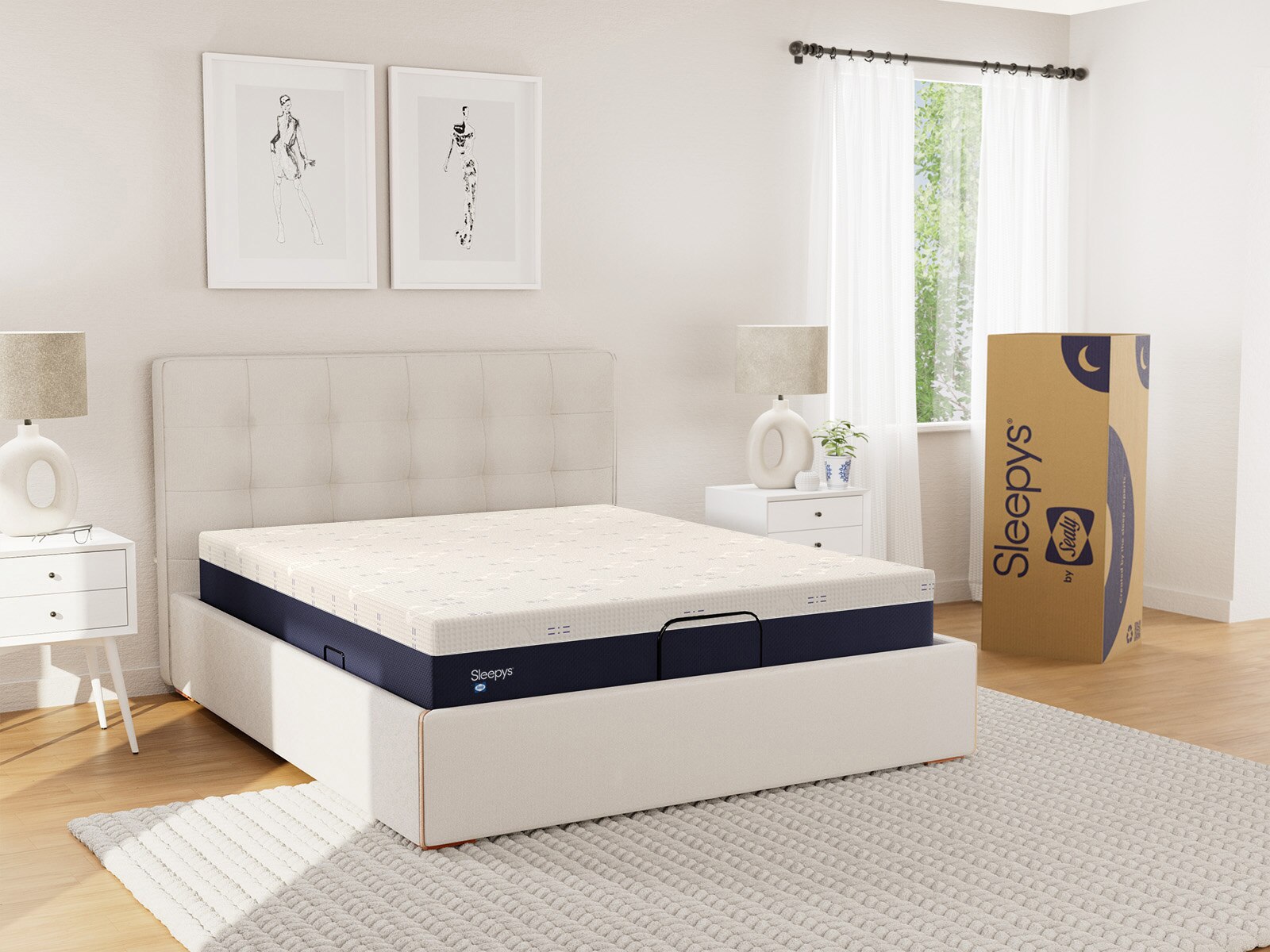
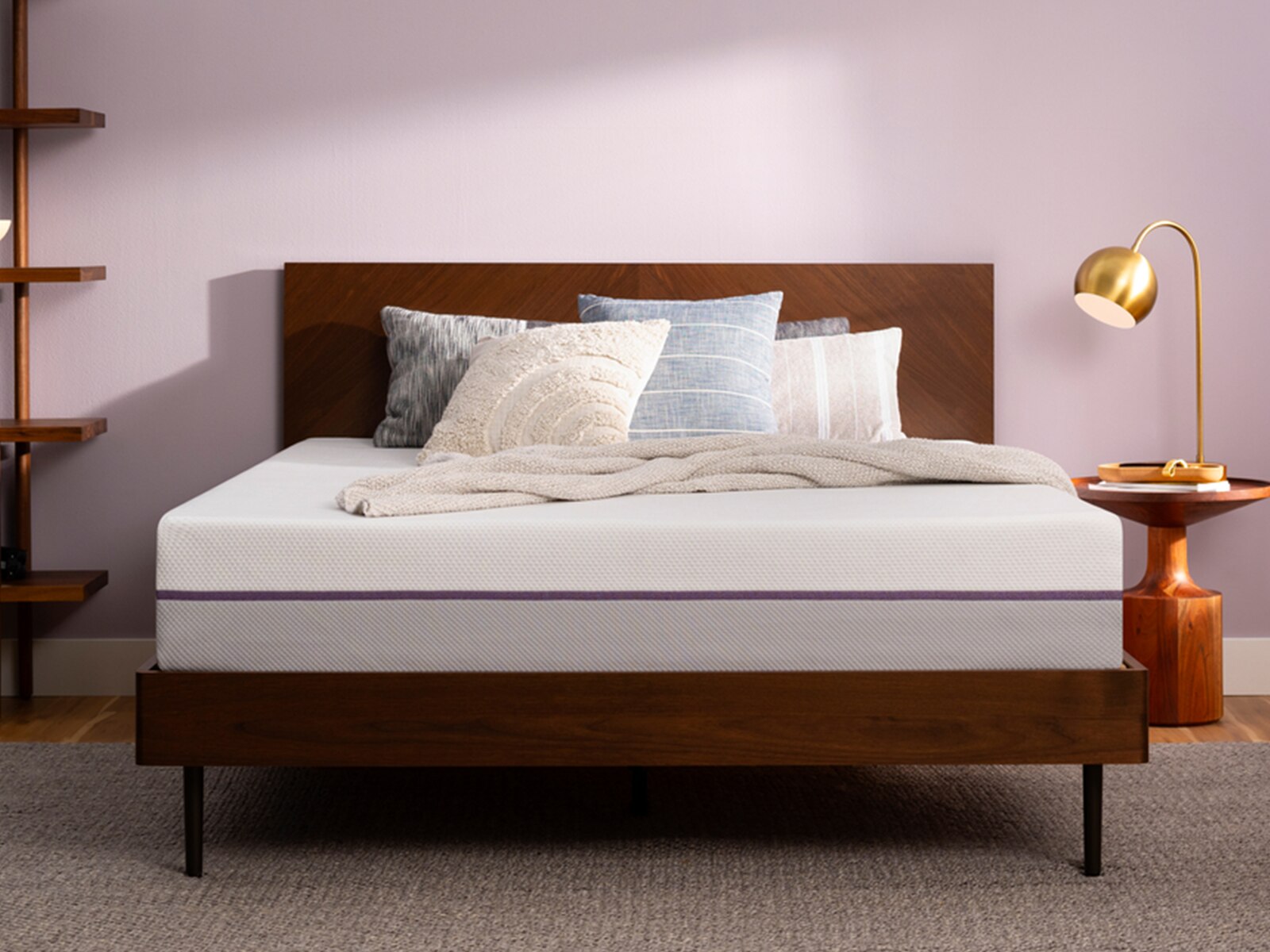
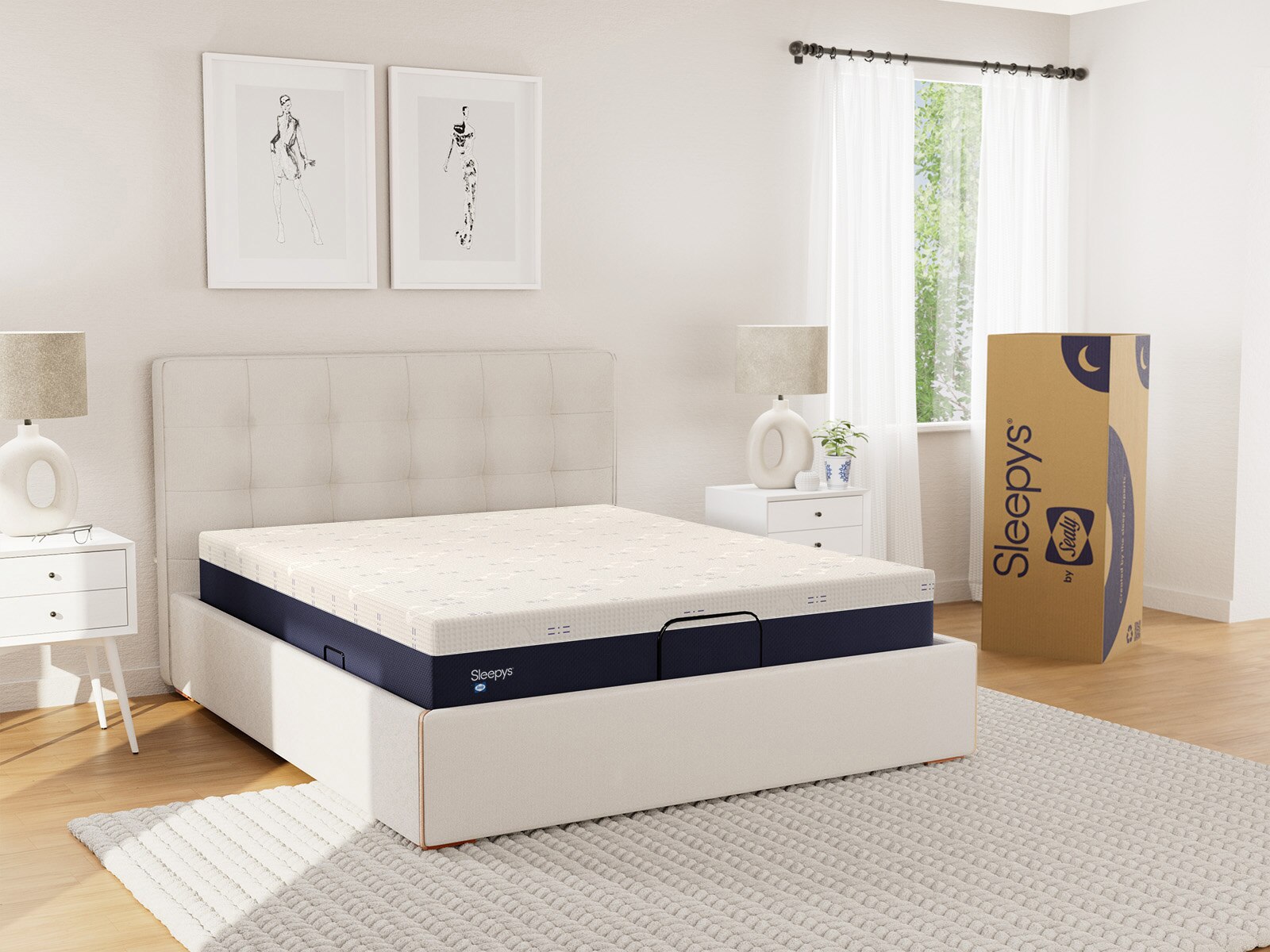
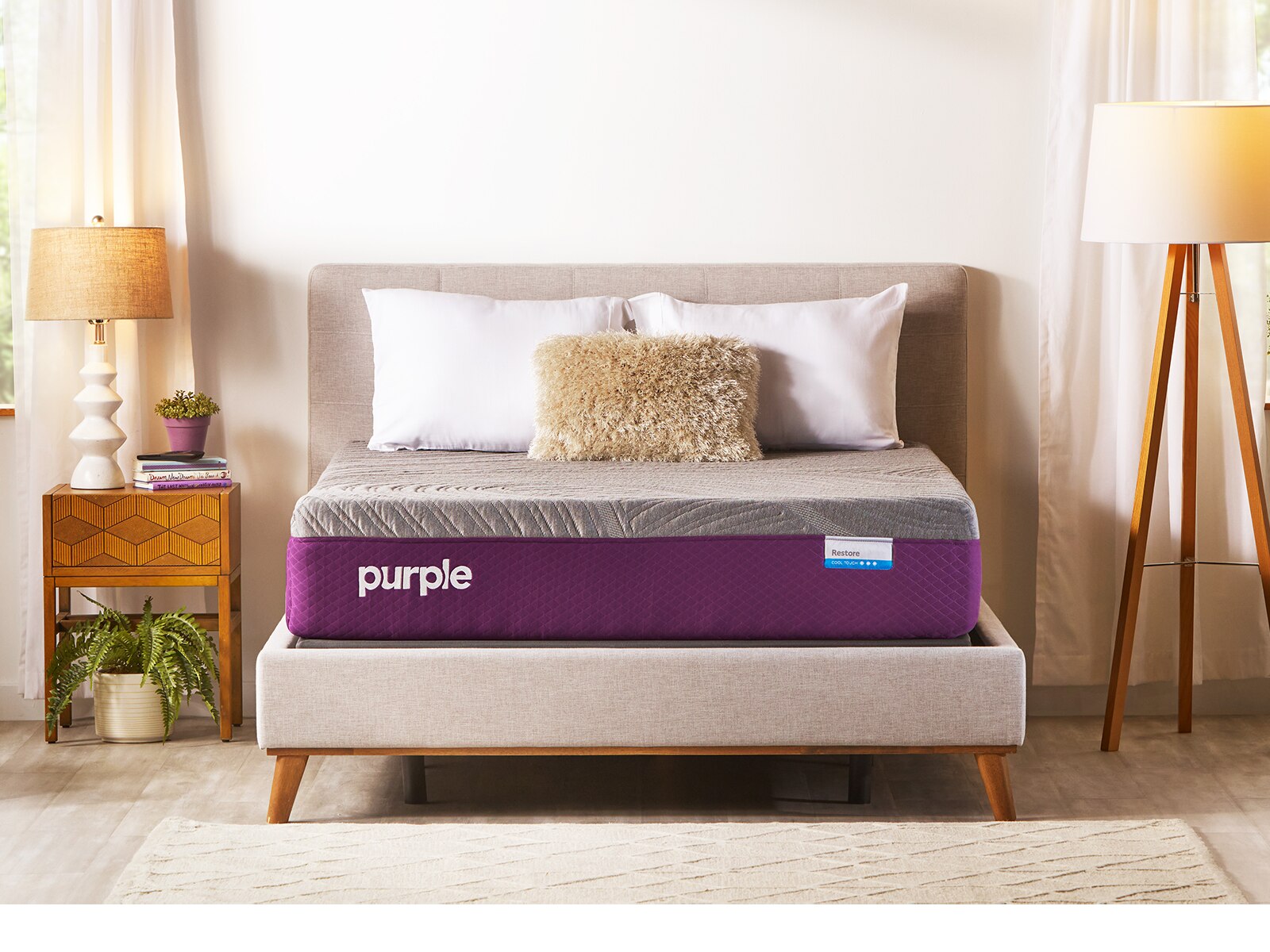
Responsive mattresses adjust to body weight and movement, then rebound as pressure shifts, making it easier to change positions without a deeply sunken feeling. That responsiveness can be especially appealing to combination sleepers who move from their side to their back or stomach throughout the night. Instead of waiting for a pronounced body impression to slowly recover, a sleeper encounters a surface that follows the movement and regains its shape more quickly. Picture rolling over to reach a bedside glass of water, turning toward a partner or sitting up before getting out of bed: a responsive surface can make those everyday movements feel less effortful. Responsiveness describes how a mattress reacts, not how firm it is. A soft mattress can have a lively, quick-recovering feel, while a firm mattress can respond more gradually. The right balance allows enough cushioning at the shoulders and hips while providing support beneath the torso. Side sleepers often appreciate a responsive surface with enough contouring to accommodate their shoulders without creating an overly deep cradle. Back sleepers may prefer a steadier feel beneath the pelvis, while stomach sleepers generally benefit from support that helps limit excessive sinking through the midsection. Body weight also affects the experience, since the same comfort layers can feel relatively firm to a lighter sleeper and more yielding to someone who applies greater pressure. For people who change positions frequently, comfort in more than one posture matters as much as the initial impression when lying down. A mattress that feels pleasant on the back should also allow a comfortable turn onto the side without leaving the shoulder pressed against a surface that feels too rigid. Responsive mattresses are often described as keeping sleepers more “on” the bed than deeply “in” it, although the amount of cushioning varies by construction. Their appeal is the combination of adaptable comfort and a surface that does not resist ordinary movement.
The materials inside a responsive mattress shape its rebound, contouring and overall support. Latex typically has an elastic feel, compressing beneath the body and springing back as weight moves away. It can provide cushioning without the slow recovery associated with some memory foams, though its feel varies with the formulation, thickness and arrangement of the layers. Innerspring constructions use coils that compress and expand under pressure, creating a buoyant foundation. Individually wrapped coils can respond more locally to weight than interconnected spring systems, helping the mattress accommodate different parts of the body. Hybrid mattresses combine a coil support system with foam, latex or other comfort materials, bringing together spring-based support and surface cushioning. For sleepers interested in that combination,
Responsive Hybrid Mattresses offer a category centered on both movement-friendly comfort and layered support. The materials above the coils still matter: a thick, slow-recovering comfort layer can create a deeper embrace, while more elastic layers may preserve a lifted, buoyant sensation. All-foam mattresses can also be responsive when their comfort layers recover quickly, so coils are not a requirement for an easy-moving surface. Memory foam itself varies, and a mattress containing it should not automatically be assumed to feel slow or restrictive. Responsiveness and motion isolation are separate qualities, another important distinction for shared beds. A mattress may rebound quickly under one sleeper while limiting how much movement reaches the other, depending on its coil design and cushioning layers. Someone who rises earlier than a partner may want easy movement on their own side without a noticeable ripple across the bed. Edge support matters, too, particularly for sleepers who use the full width of the mattress or sit along the perimeter while dressing. A stable edge can make that area feel more usable, but the strength of the perimeter depends on the design rather than responsiveness alone. Breathable covers and open spaces within coil systems can also support airflow through the mattress.
A responsive mattress belongs in a bedroom setup that gives it room to perform as intended. Size influences both sleeping space and freedom of movement: a single sleeper may have different needs from two people sharing a queen or king, especially when one changes positions often. Consider the space used during sleep as well as the room needed beside the bed for walking, opening drawers and getting in and out comfortably. The mattress height, foundation and frame together determine the finished bed height, which can affect how natural it feels to sit down and stand up. Compatibility with the support beneath the mattress is just as important as the comfort layers above it. Slat spacing, center support and foundation requirements vary, and an unsuitable base can allow uneven support or unnecessary strain on the mattress. An adjustable base may be an option for some constructions, but compatibility should be confirmed in the manufacturer’s specifications. For a primary bedroom, responsiveness can support the varied movements of everyday sleep; in a guest room, a balanced level of cushioning and support may suit visitors with different preferences. Bedding also changes the surface experience. A fitted sheet or protector that pulls tightly across the mattress can affect how freely the comfort layers conform, while an appropriately fitted protector helps shield the surface from spills and everyday moisture. Care should follow the mattress instructions, including guidance on spot cleaning, ventilation and rotation. Many mattresses have a designated sleeping surface and should not be flipped unless the manufacturer specifically recommends it. Keeping the mattress supported, protected and free from prolonged moisture helps preserve its condition. Durability depends on material quality, construction, use and care, not simply on how springy the bed feels when new. Lasting comfort means the surface continues to recover consistently and the support remains even across the sleeping area. Persistent impressions, unevenness or a noticeable loss of comfort can signal that the mattress no longer meets a sleeper’s needs. The most suitable responsive mattress combines easy movement with cushioning, stable support and a fit that makes everyday rest feel comfortable.