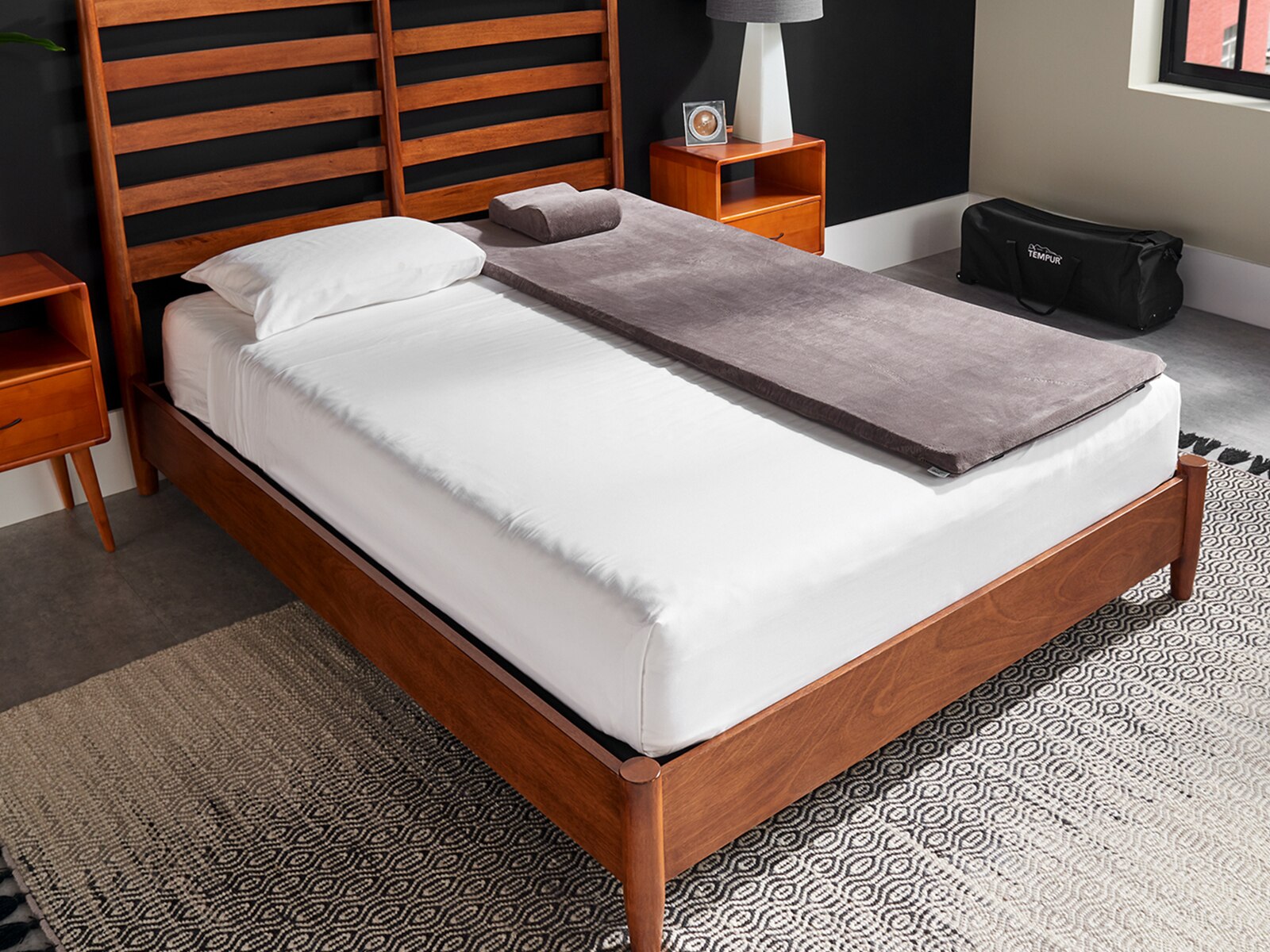
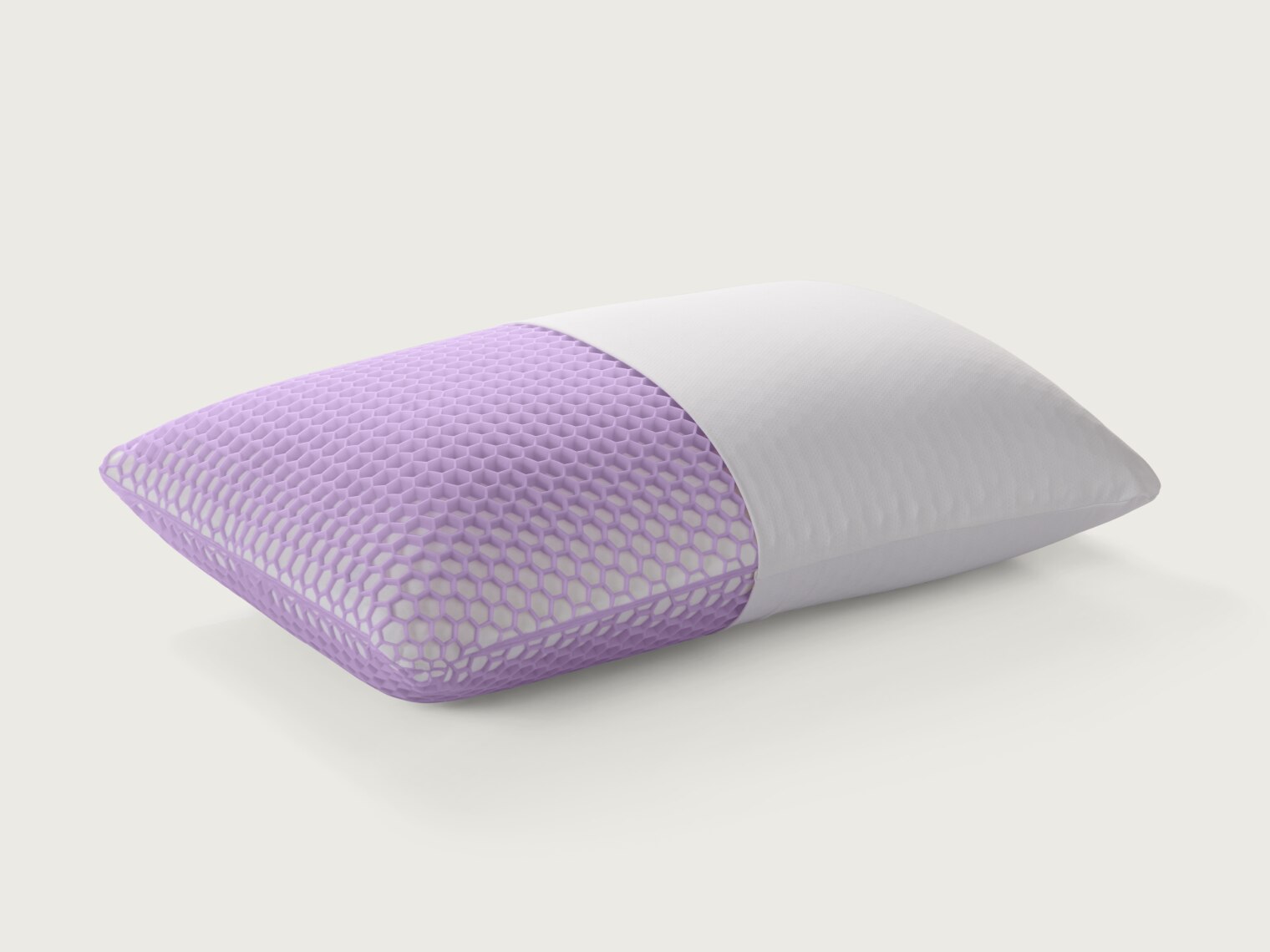
Neck pain relief tools are products designed to support a comfortable resting position, ease everyday muscle tension or provide targeted warmth or cooling. Common categories include supportive pillows and cushions, gentle massage tools and heat or cold wraps. Each serves a different purpose: a pillow helps position the head and neck during rest, a massage tool applies pressure to tense muscles and a wrap provides a soothing sensation for a limited period. These products may help with temporary comfort, but they do not diagnose the cause of pain or replace medical care. The most useful starting point is the situation in which discomfort shows up. A neck that feels stiff after sleeping may call for a closer look at pillow height, while tension after a long stretch at a desk may make an easy-to-position cushion or gentle massage accessory worth considering. For sleep support, fit matters more than a pillow’s size or appearance alone. Side sleepers generally need enough height to fill the space between the shoulder and head without tipping the neck upward. Back sleepers often prefer a lower profile that supports the natural curve of the neck without pushing the chin toward the chest. Stomach sleeping requires the head to remain turned for extended periods, so a lower pillow may reduce added backward bending, though changing positions may be more comfortable. Shoulder width, mattress cushioning and personal preference all affect the fit. Memory foam tends to contour gradually, latex usually feels more responsive and fiber fill can offer a softer, more moldable surface. Adjustable fill allows small changes in height, while a shaped surface offers a more defined resting area. Neither construction is automatically better for every sleeper. A useful fit check is whether the head feels comfortably supported rather than lifted, dropped or held at an awkward angle. For someone who changes positions repeatedly, a shape that accommodates movement may be more practical than one that feels comfortable only when lying perfectly still.
Massage accessories and heat or cold wraps address a different part of the comfort routine. A handheld tool can make it easier to reach the muscles across the tops of the shoulders, while a contoured wrap may stay in place more easily when sitting in a supportive chair. Manual options give the user direct control over pressure, and powered options may offer adjustable intensity or timed sessions. The ability to start gently matters, especially when an area already feels sensitive. Firm pressure is not necessarily more helpful, and a comfortable session should not require bracing against pain. Follow the manufacturer’s directions, keep pressure away from the front of the neck and avoid pressing directly on the spine. Stop if use causes pain, dizziness, tingling or numbness. Heat wraps may provide a comforting sensation when muscles feel tight, while cold packs may offer temporary relief after a minor strain when used as directed. Neither should be applied directly to bare skin unless the instructions specifically allow it, and falling asleep with a heating device or cold pack in place can cause injury. A removable cover, secure closure and shape that rests comfortably across the shoulders can make these tools easier to use without holding the body in another strained position. Controls should be easy to reach and understand, especially for someone with limited hand strength. Check the intended use carefully: an accessory meant for a brief seated session may not be appropriate for overnight use or while driving. Products that stretch the neck or apply traction warrant guidance from a qualified healthcare professional rather than trial and error. Anyone with a recent injury, reduced sensation, a known neck condition or other relevant health concerns should ask a clinician which tools are appropriate. New weakness, persistent tingling, severe pain after an injury or discomfort that continues to worsen needs medical attention rather than a stronger setting or a longer session. Everyday comfort is the goal, not pushing through symptoms.
Materials, care requirements and construction help determine whether a neck support product fits naturally into daily life. A cover that feels soft against the skin is important when the neck and jaw remain in contact with it for hours, but the cleaning instructions deserve equal attention. Removable, machine-washable covers can simplify routine care; foam cores, electrical components and filled inserts often require different treatment. Check each component’s care label rather than assuming the entire product can go into the washer. Let washable parts dry fully before reassembly, inspect cords and closures regularly and stop using anything with exposed wiring, leaking fill or damaged seams. For pillows and cushions, lasting support depends on how well the material retains its shape through regular use. Persistent flattening, uneven lumps or a noticeable change in neck position can signal that the support no longer suits the sleeper. For wraps and massage accessories, durable stitching, secure handles and straightforward storage can make the difference between a useful routine and an awkward chore. Picture where the product will actually be used: beside the bed, at a desk with a supportive backrest or packed for an overnight trip. A compact cushion may be easier to carry, while an accessory with a long cord still needs a safe place to sit without creating a tripping hazard. Someone choosing a comfort-focused gift should consider the recipient’s preferred sleeping position, sensitivity to pressure and willingness to use powered features rather than assuming a more elaborate tool will suit them. For related sleep-support options, explore
Relief From Neck Pain with those everyday needs in mind. The best match is one that feels comfortable, can be used as directed and is simple to maintain. Combined with comfortable positioning, regular movement breaks and appropriate medical advice when needed, a thoughtfully chosen tool can become a practical part of a more comfortable rest routine.