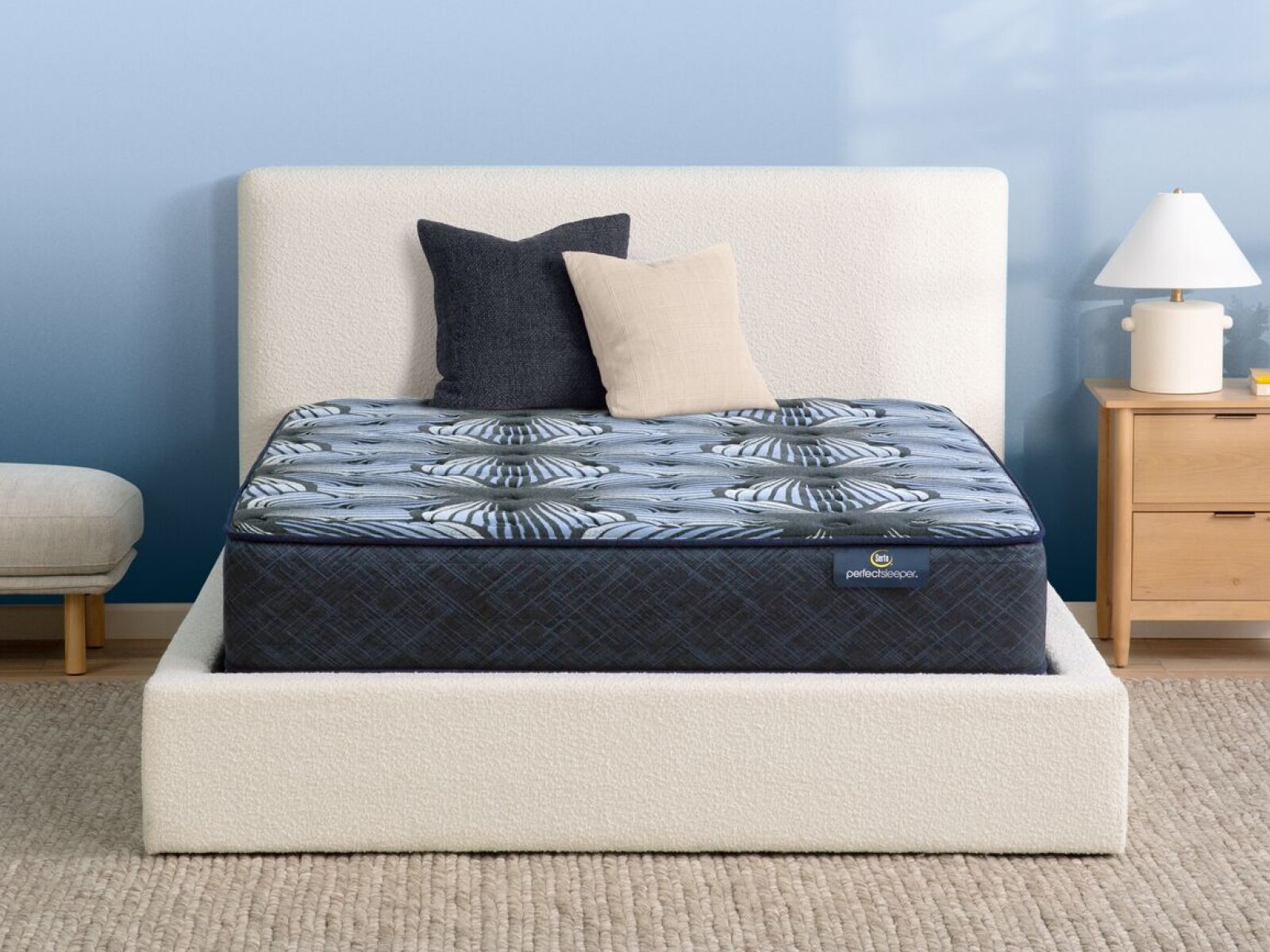
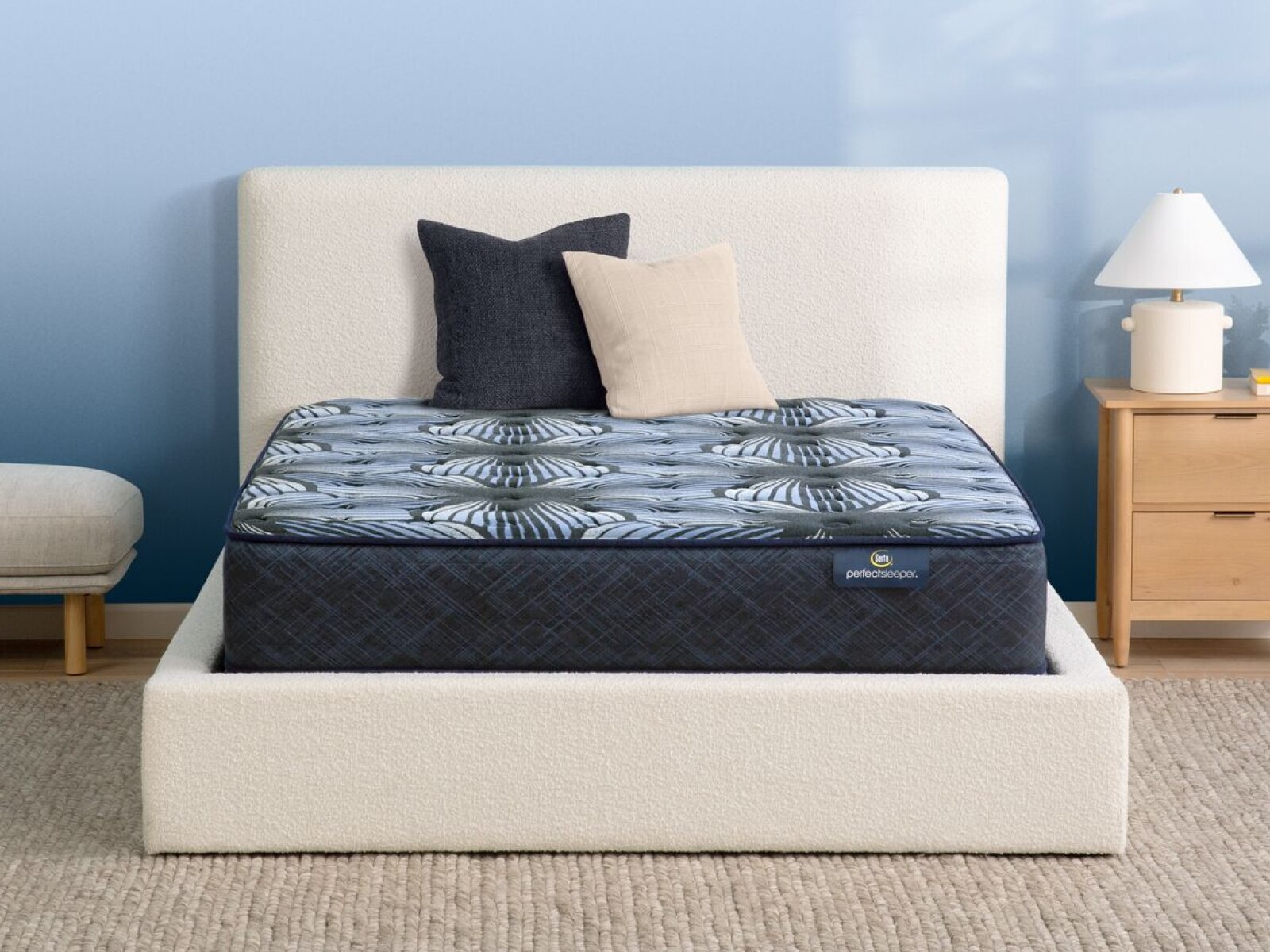
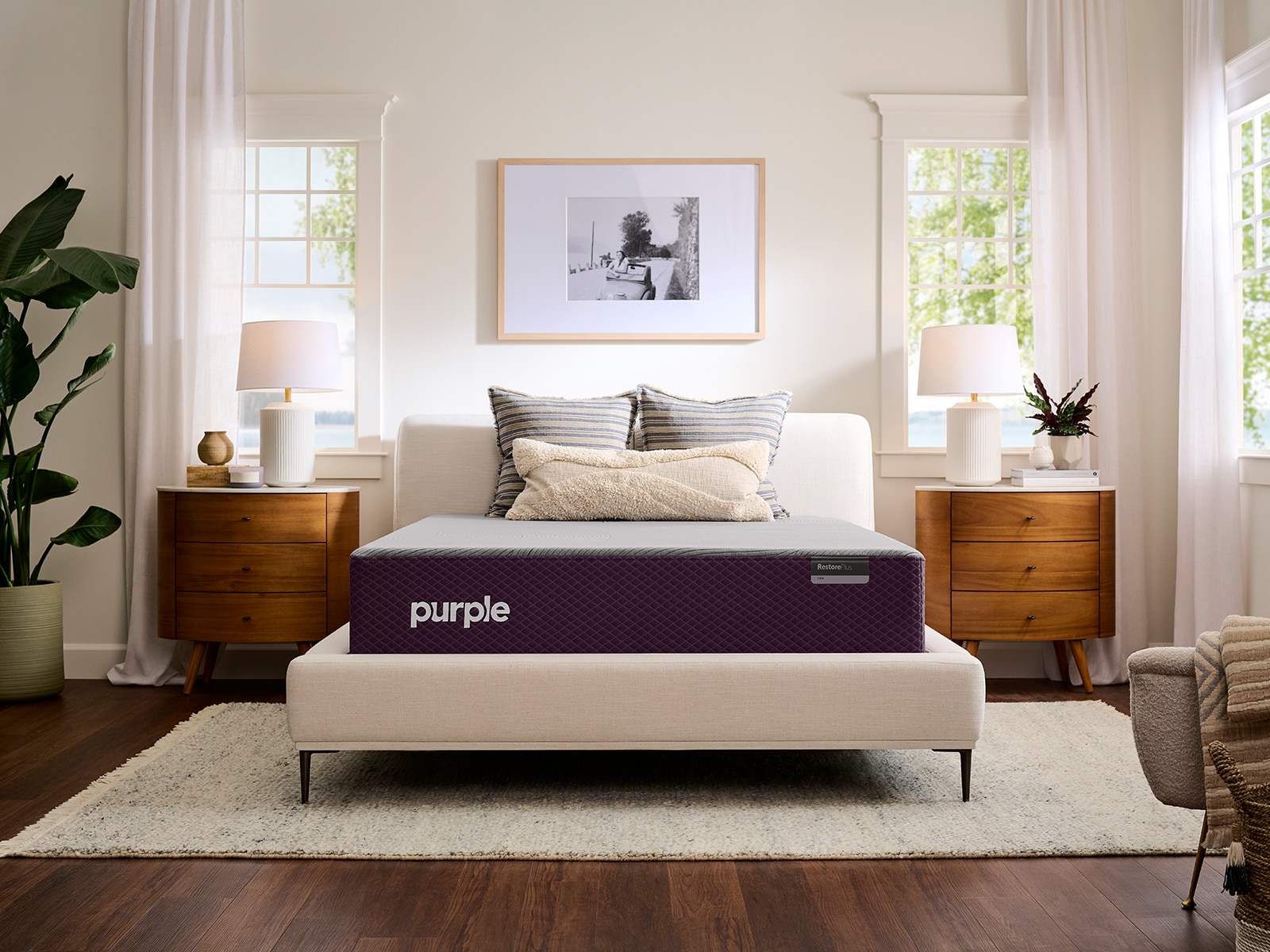
A mattress for back pain should balance cushioning with support, helping the body rest in a comfortable, neutral position without allowing the hips to sink too far. A medium-firm feel can be a useful starting point for many people with lower back discomfort, but the right match depends on body weight, sleep position and personal comfort. Firmness and support are not the same thing: firmness describes how the surface feels, while support comes from the mattress structure beneath it. A plush surface can still have a supportive core, and a very firm surface is not automatically better for an aching back. Memory foam contours around the shoulders, waist and hips, which may help distribute pressure more evenly instead of concentrating it in a few sensitive spots. Beneath those comfort layers, transition foam and a stable support core help control how deeply the body settles. Hybrid constructions combine cushioning layers with coils, offering a different balance of contouring, responsiveness and underlying support. Individually wrapped coils can respond to weight in separate areas, while the foam above them softens contact with the surface. Neither construction is universally better for back discomfort; the more useful distinction is how well the entire mattress supports the person lying on it. Someone with a lighter build may experience a medium-firm surface as quite firm because less body weight presses into the cushioning. A person with a heavier build may settle farther into the same mattress and need a sturdier support system to stay comfortable. Overall mattress height alone does not establish support quality, and a thick comfort layer does not guarantee better pressure relief. What matters is the relationship between the surface cushioning, deeper support layers and the sleeper’s body. The goal is a supported feeling through the torso with enough give at the shoulders and hips to avoid uncomfortable pressure. A mattress may improve sleep comfort, but it is not a treatment for the underlying causes of back pain, and no single feel works for everyone.
Sleep position helps narrow the choice because each position places weight on the mattress differently. Back sleepers often benefit from cushioning that follows the curve of the lower back while keeping the pelvis from dropping too deeply. A surface that leaves the waist feeling unsupported or creates a hammock-like dip beneath the hips may be a poor fit. Side sleepers generally need more room for the shoulder and hip to settle so the torso can remain comfortably aligned. Too little cushioning can leave a shoulder compressed against the surface; too much can allow the middle of the body to sag. Stomach sleepers often need a firmer, more supportive feel beneath the abdomen and hips, although pillow height and individual proportions also influence comfort. Combination sleepers should consider how easily they can turn from one position to another. Closely contouring foam can feel comfortably cradling, but someone who changes positions frequently may prefer a more responsive surface that makes movement feel easier. During an in-store comfort test, spend several minutes in the position used most often at home rather than judging the mattress by sitting on its edge. Notice whether the lower back feels relaxed, whether the shoulders can settle comfortably and whether turning requires extra effort. Couples have additional details to weigh, especially when one person prefers a softer feel or changes position throughout the night. Motion isolation can help limit how much movement travels across the bed, while dependable edge support can make the perimeter more usable. For someone who sits at the bedside to put on socks or rises slowly in the morning, a stable edge may be particularly helpful. Mattress width also matters when two people need enough space to settle into comfortable positions without crowding each other. Pillows complete the setup: the head pillow should suit the sleep position, and some sleepers find that a pillow between or beneath the knees improves comfort. These adjustments complement a supportive mattress rather than compensate for one that feels fundamentally wrong.
Long-term comfort also depends on how the mattress fits the bed frame, how it is maintained and how its materials respond to regular use. Before choosing a size or construction, check the foundation requirements and measure the space, including clearance around the bed and the height of the finished sleep surface. A mattress placed on an unsuitable or uneven foundation may not perform as intended. Slat spacing, center support and compatibility with an adjustable base should follow the manufacturer’s instructions rather than assumptions based on appearance. An adjustable setup may offer comfortable position changes for some sleepers, but not every mattress is made to bend with one. For everyday care, use a well-fitting mattress protector, address spills promptly and follow the care label when cleaning the cover. Avoid soaking foam layers, and allow cleaned areas to dry fully before replacing bedding. Rotate the mattress only as recommended, and do not flip a one-sided design unless the manufacturer specifically allows it. Durability depends on the quality and arrangement of the materials, the support underneath and the demands of daily use, not simply whether the mattress contains foam or coils. Over time, a surface that develops persistent sagging or no longer provides consistent support may deserve closer attention, particularly if sleep comfort has changed. When comparing choices, distinguish normal surface impressions from deeper structural changes and review the written care and warranty terms. For a broader comparison, explore the
Purple Mattress Back Pain collection with the same priorities in mind: balanced support, comfortable cushioning and ease of movement. It can also help to note how the body feels at bedtime and on waking, since a brief first impression may not reflect a full night’s experience. The best fit is one that feels comfortable in the positions actually used, works with the existing bed setup and maintains steady support through regular use. Persistent or worsening back pain should be discussed with a healthcare professional, especially when it disrupts sleep or daily activities.