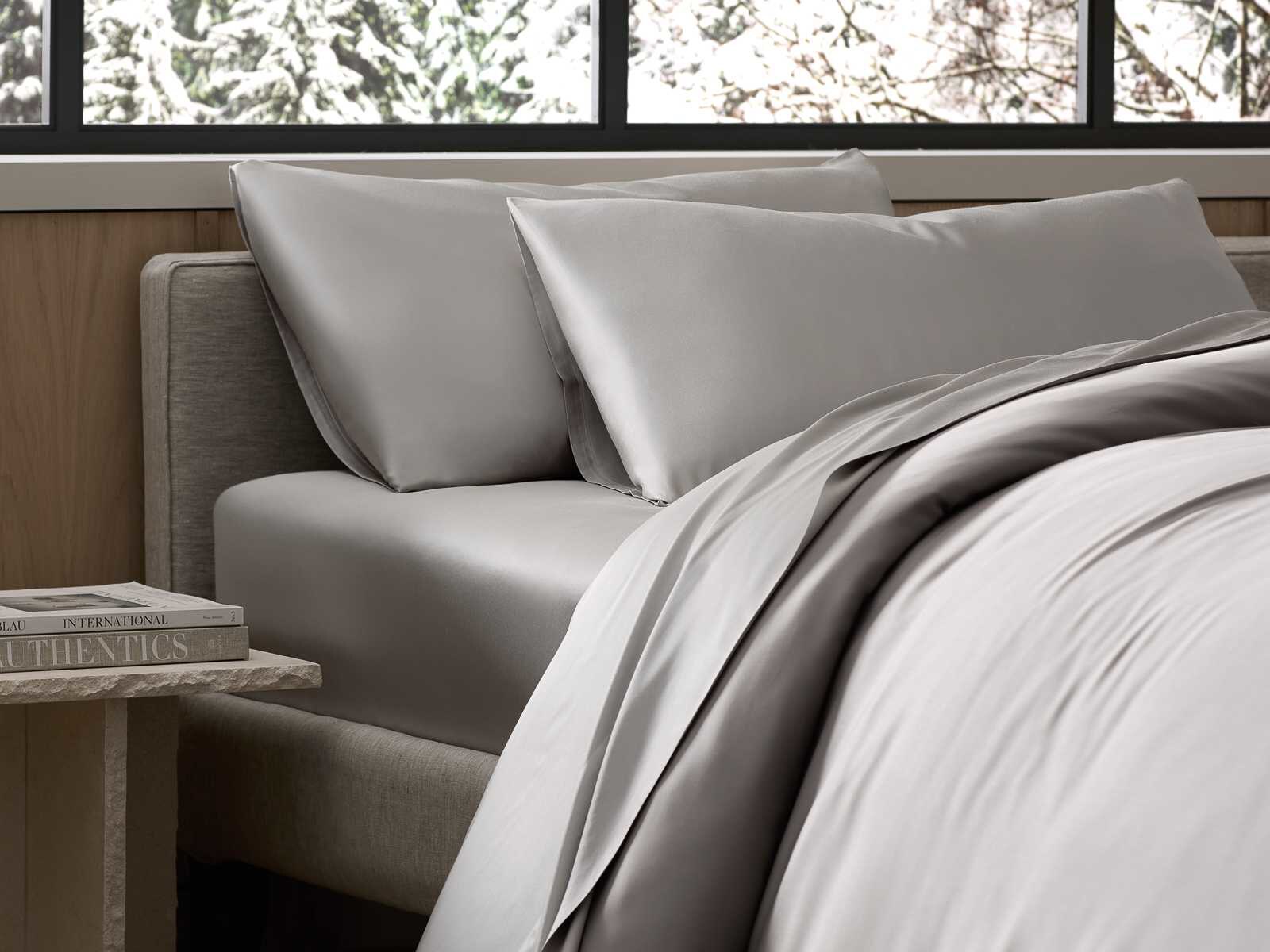
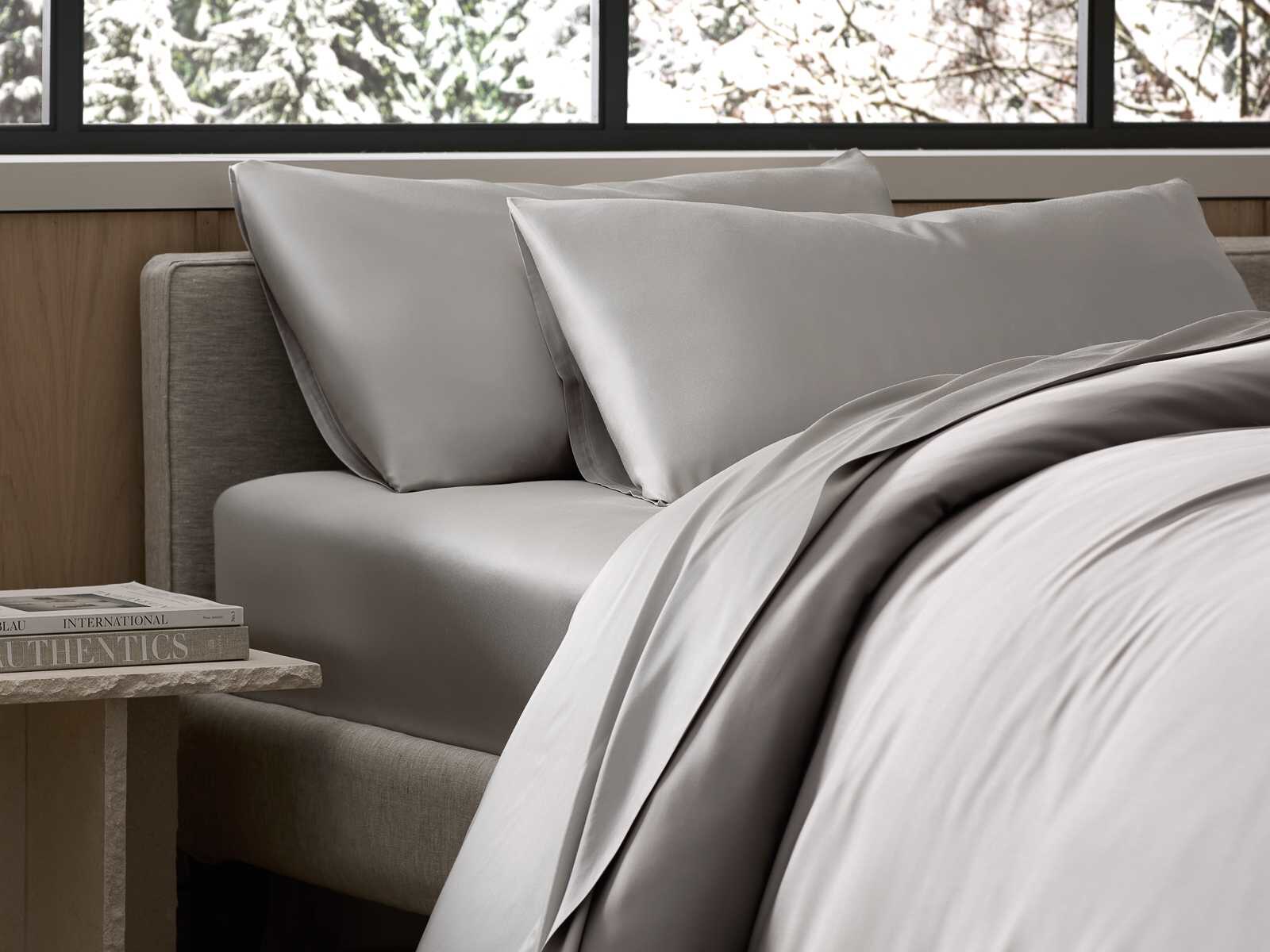
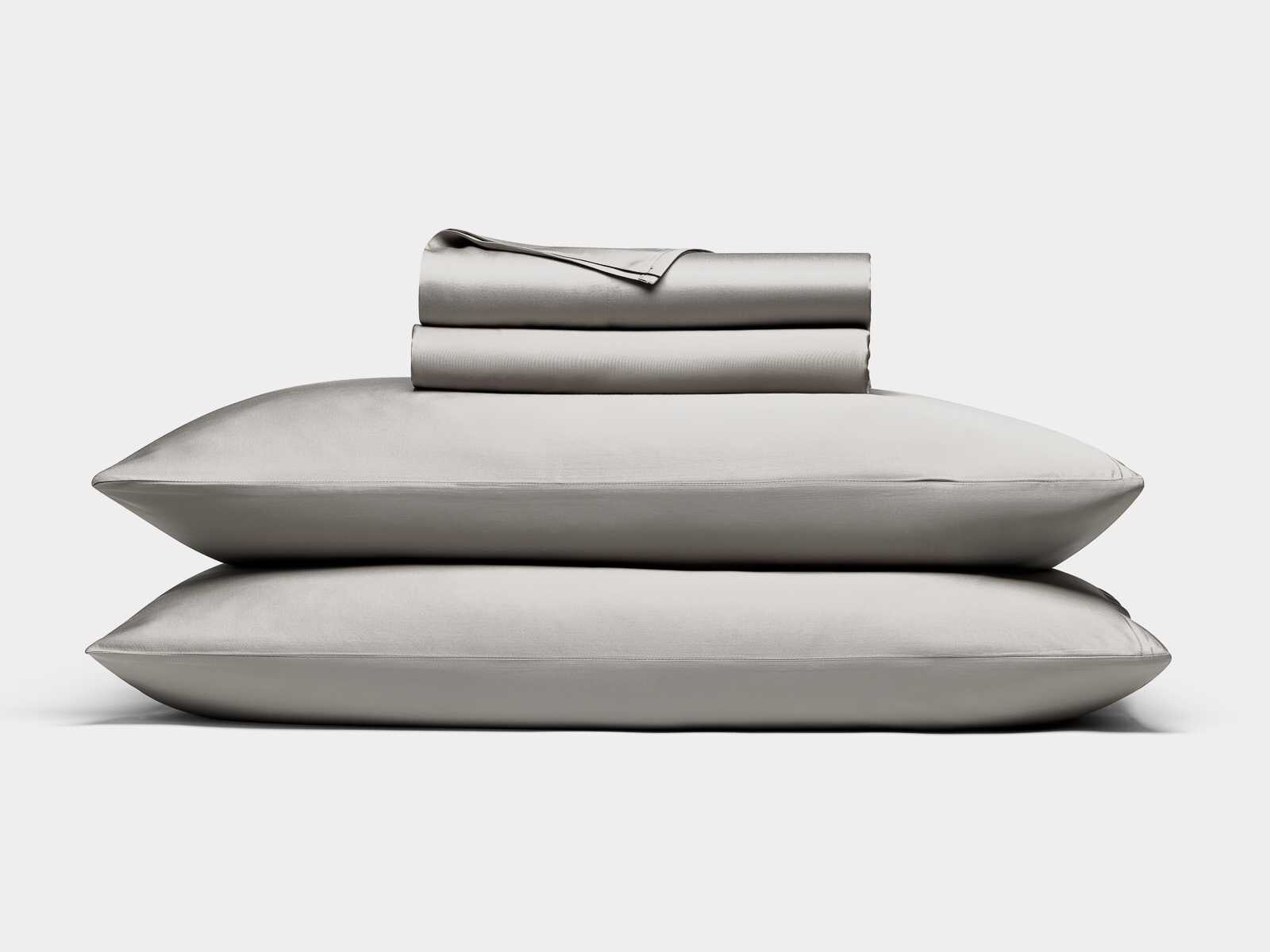
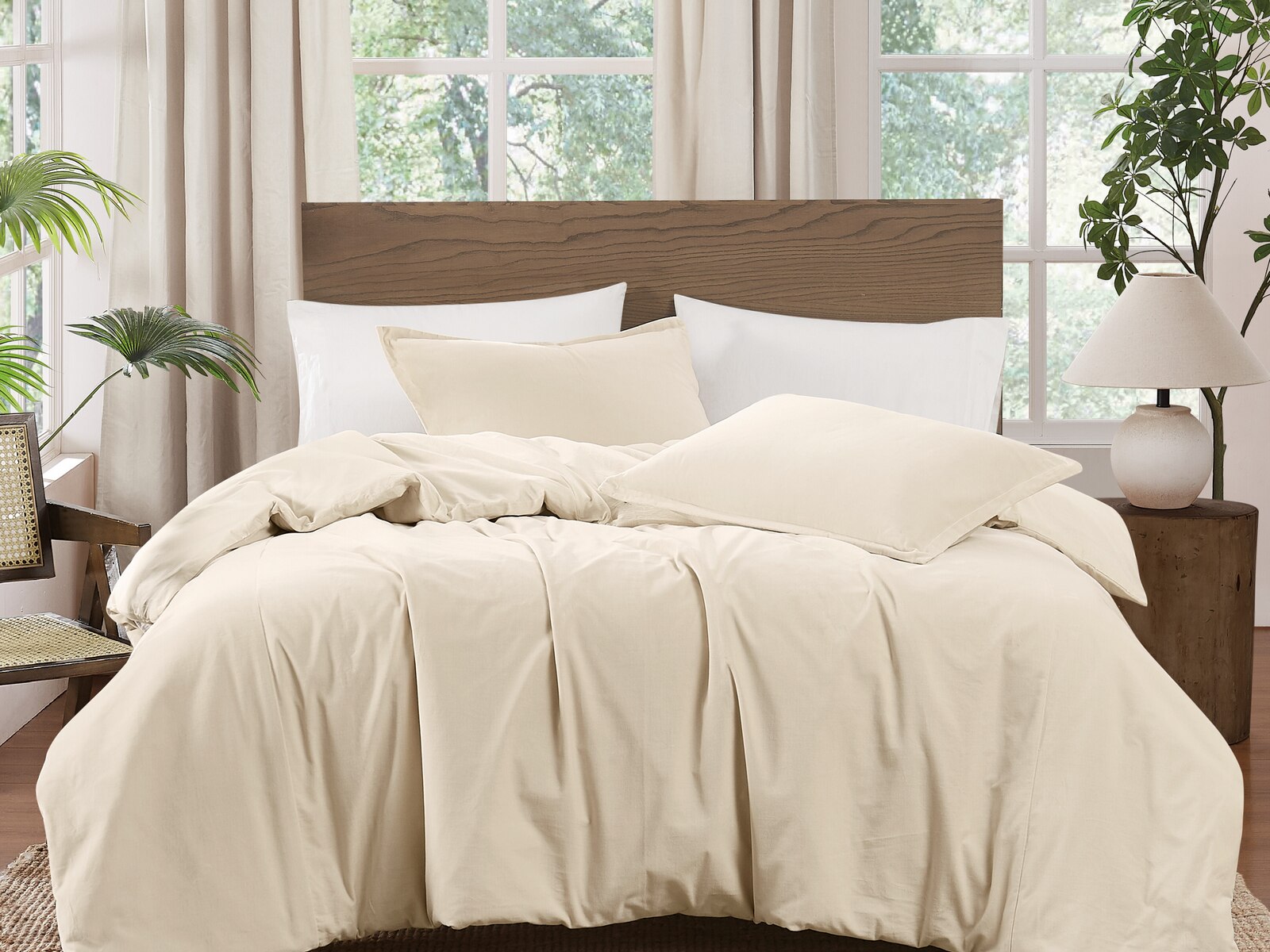
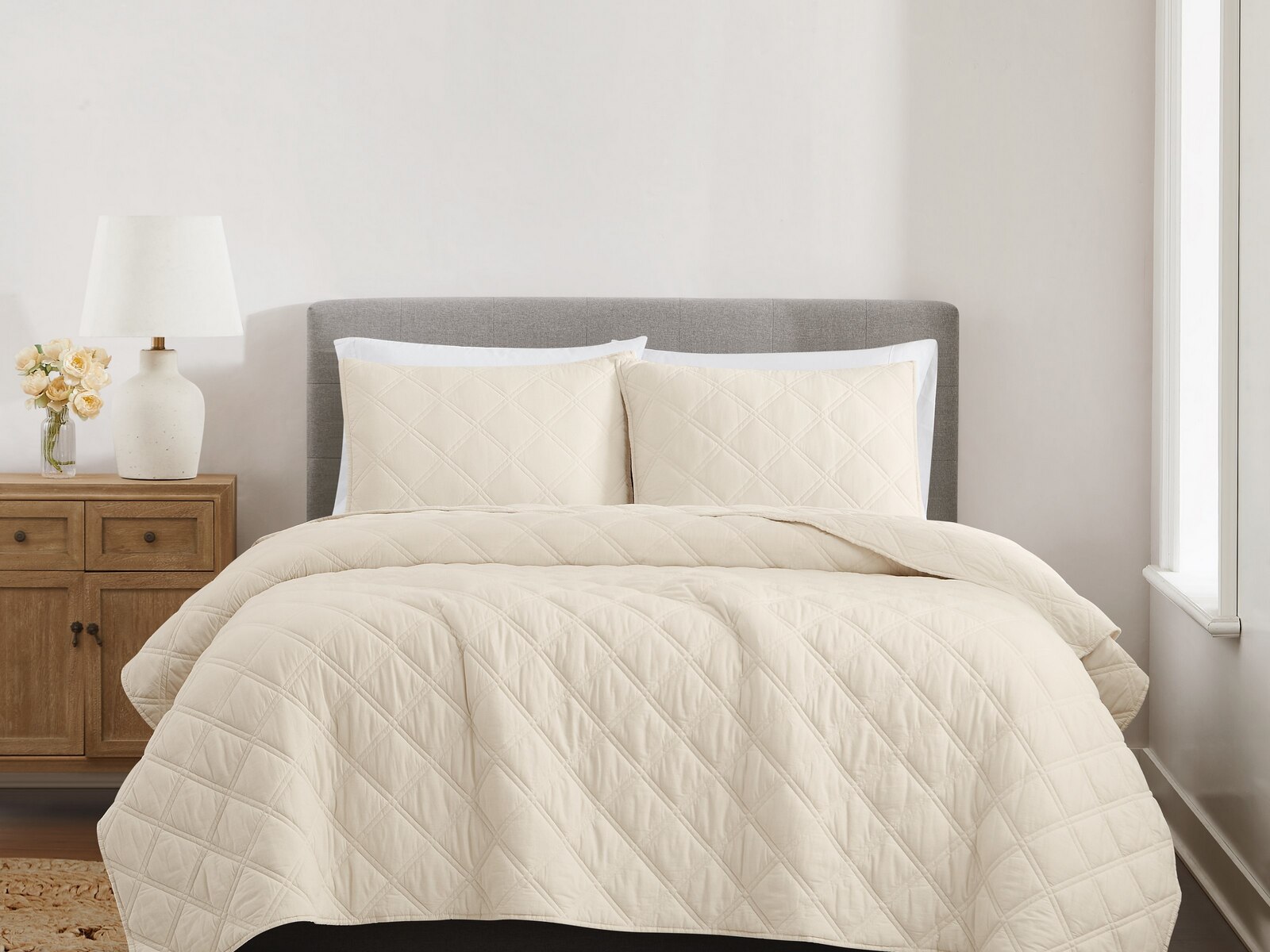
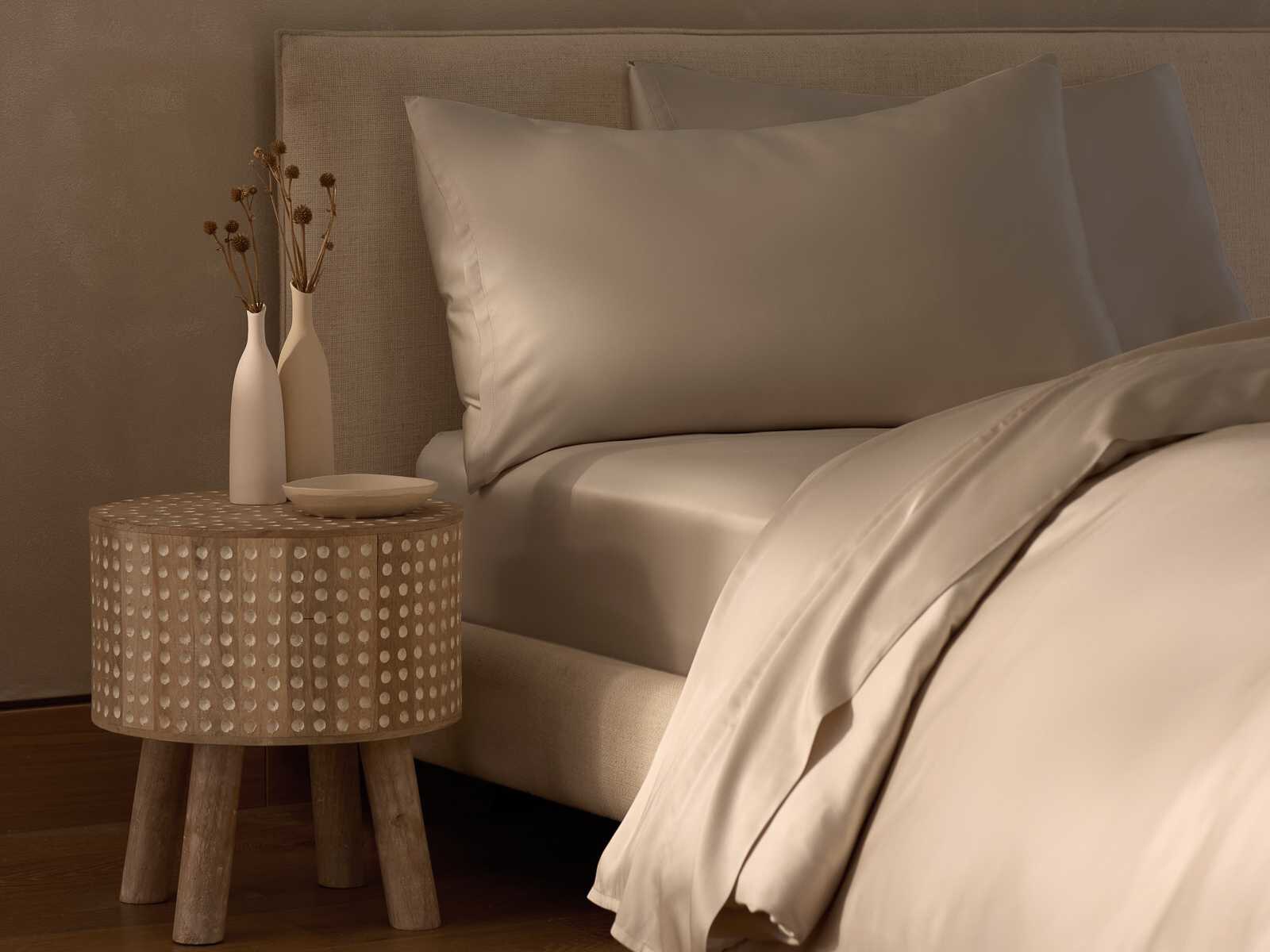
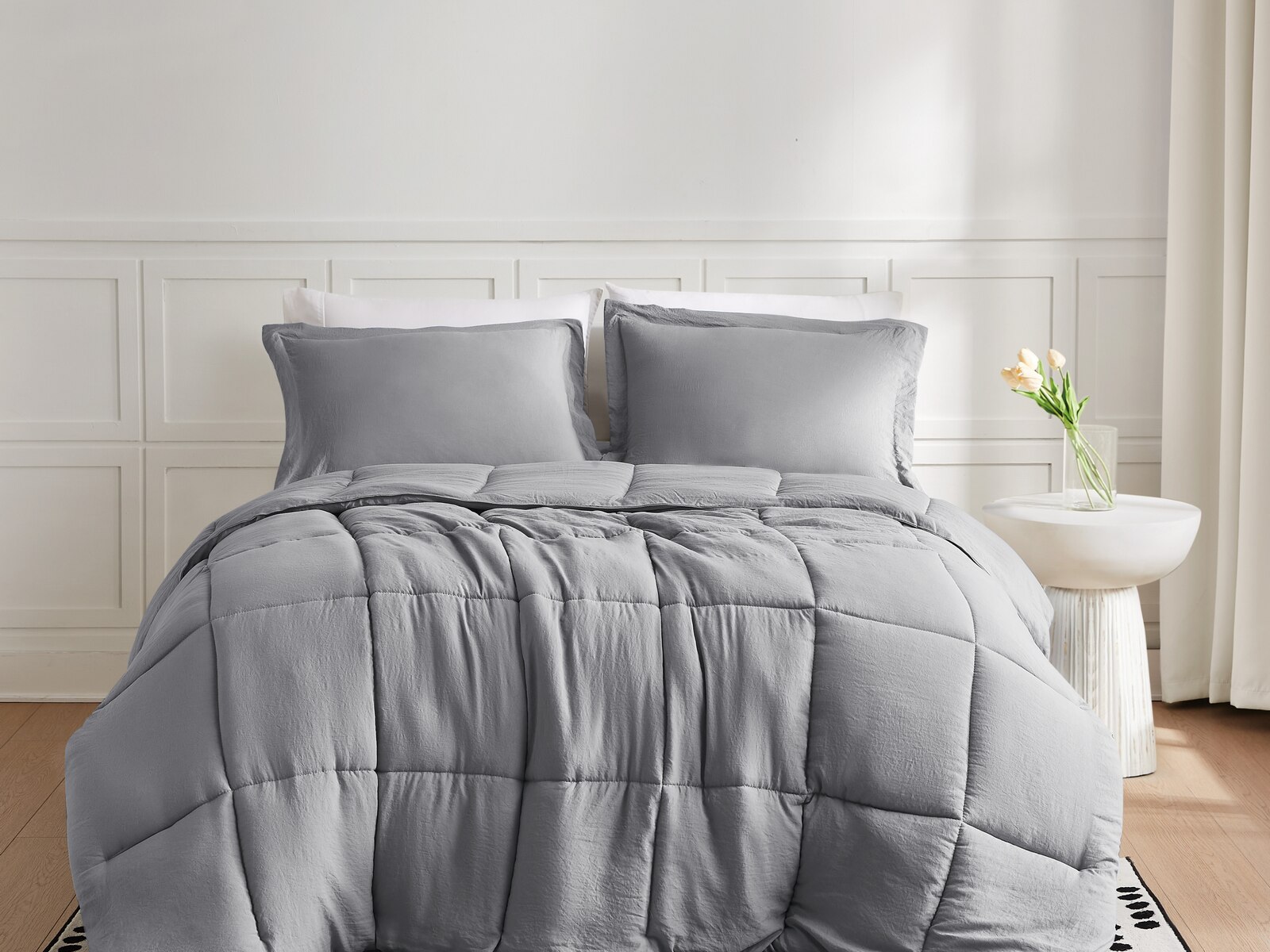
Neutral color duvets bring soft ivory, beige, sand, taupe and muted gray into the bedroom, creating a versatile foundation for bedding with different colors, patterns and textures. These shades can make a bed feel visually restful without leaving the room looking unfinished. A duvet is a filled bedding insert typically used inside a removable duvet cover; the cover often provides the visible color and texture, while the insert supplies loft and cushioning. Looking at both parts together helps connect the appearance of the bed with how the bedding feels during use. Ivory and oatmeal pair naturally with wood furniture, woven baskets and softly textured curtains. Taupe can bridge brown and gray finishes, while pale gray works well beside white furniture, charcoal accents or brushed metal details. The undertone matters as much as the color name: a beige with a yellow cast will look different from one with a pink or gray undertone. Existing sheets, flooring and upholstery provide useful reference points, especially when several neutral shades share the same room. A bed layered in ivory, flax and stone can have plenty of depth without a strong contrast. Subtle stripes, small woven patterns and slightly varied yarns add another dimension while keeping the overall look understated. For a more defined finish, a darker throw folded at the foot of the bed or pillow covers in a contrasting texture can give the pale bedding an intentional frame. Neutral bedding also leaves room for personal details, whether that means a colorful quilt passed down through the family or a favorite piece of artwork above the headboard. In a primary bedroom, it can tie together furniture collected over time. In a guest room, it creates a welcoming backdrop that does not depend on a particular decorating style. The result can feel crisp and tailored, soft and relaxed or somewhere between the two, depending on the fabric and finishing details.
Material makes a noticeable difference in neutral bedding because texture becomes more visible when color takes a quieter role. Cotton percale typically has a matte appearance and a crisp, lightly structured feel, while cotton sateen tends to feel smoother and show a subtle sheen. Linen often has visible variation in its yarns and a relaxed surface that suits an unfussy bed. Its tendency to wrinkle is part of that appearance rather than necessarily a sign of poor care. Cotton-linen blends can balance some of those qualities, though the feel depends on the blend and construction. Lyocell fabrics often have a smooth hand and fluid drape, while microfiber can provide a soft, close-woven surface. Fiber content alone does not tell the whole story: weave, fabric weight and finishing also influence softness, airflow and durability. Raised stitching, waffle weaves and other textured surfaces give a pale duvet cover more visual dimension, but they may also need extra consideration in a home with pets whose claws can catch loose threads. A smooth cover may be easier to brush free of surface lint, while a pronounced texture can make everyday creasing less noticeable. Inside the cover, the duvet’s fill affects its weight, loft and feel. Down, feather blends and down alternative fills have different characteristics, and the preferred choice often comes down to whether the sleeper likes airy loft or a more substantial layer. Stitched compartments can help limit fill movement, although construction and care still matter. For sleepers who often feel warm,
Neutral Color Cooling Duvet Covers can be part of a breathable bedding setup, though overall comfort also depends on the insert, sheets and personal preferences. Someone who likes a flat, neatly folded top layer may prefer less loft than someone who enjoys a full, cloudlike appearance. Neither look requires a bold color; the shape and drape of the bedding can provide much of its character.
Fit and care help neutral color duvets stay comfortable and presentable through everyday use. Size names are a starting point, but the listed dimensions of the duvet insert and cover are more useful than the label alone. Measurements can vary between bedding makers, so two pieces marked queen may not fit together exactly. An insert that is much smaller than its cover can shift and leave empty fabric along the edges, while one that is too large may bunch. The desired overhang also matters, particularly on a tall mattress or a bed where two sleepers share the top layer. Corner ties or interior attachment points can help hold a compatible insert in place, and a securely finished button or zipper closure helps keep it enclosed. These small details become especially useful when the bed is straightened each morning. Care labels should guide washing and drying for both the insert and cover, since their requirements may differ. A removable cover can make routine cleaning more manageable, but the insert still needs appropriate care. Bulky bedding needs enough room to move during washing and must dry thoroughly before returning to the bed. Following detergent and bleach guidance helps protect fabric and color; even pale ivory can look uneven after unsuitable treatment. Durable seams, firmly attached closures and well-finished edges are useful details to consider for frequently washed bedding. Neutral shades are adaptable, but they are not automatically resistant to marks, lint or pet hair, so household habits matter alongside appearance. For a wedding or housewarming gift, a neutral duvet cover can suit many decorating styles when the recipient’s bedding dimensions and fabric preferences are known. For a shared bedroom, agreement on texture and weight may matter more than choosing between two similar shades of beige. A well-matched duvet and cover bring those practical details together, giving the bed a cohesive look that still feels personal and comfortable at the end of the day.