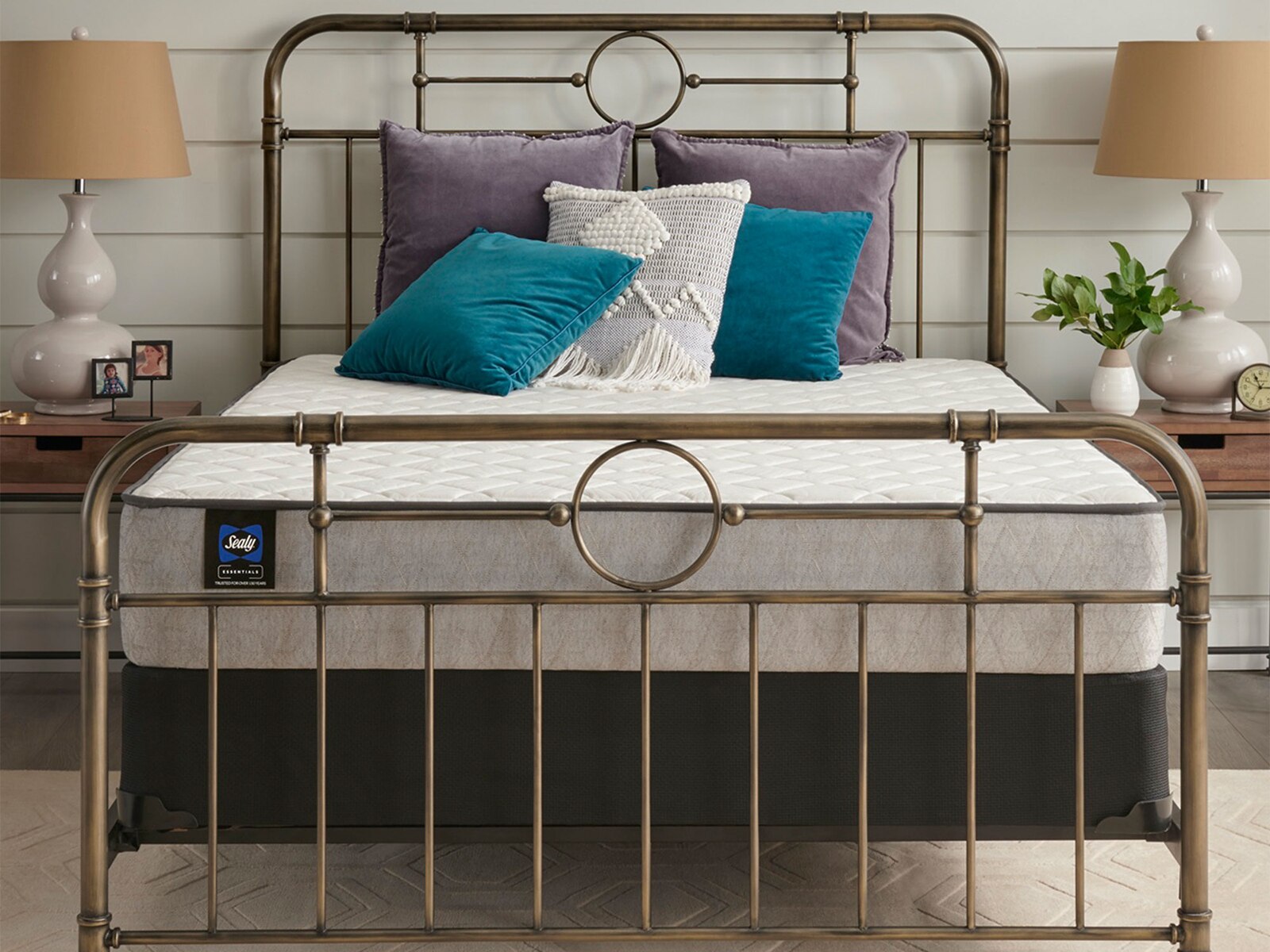
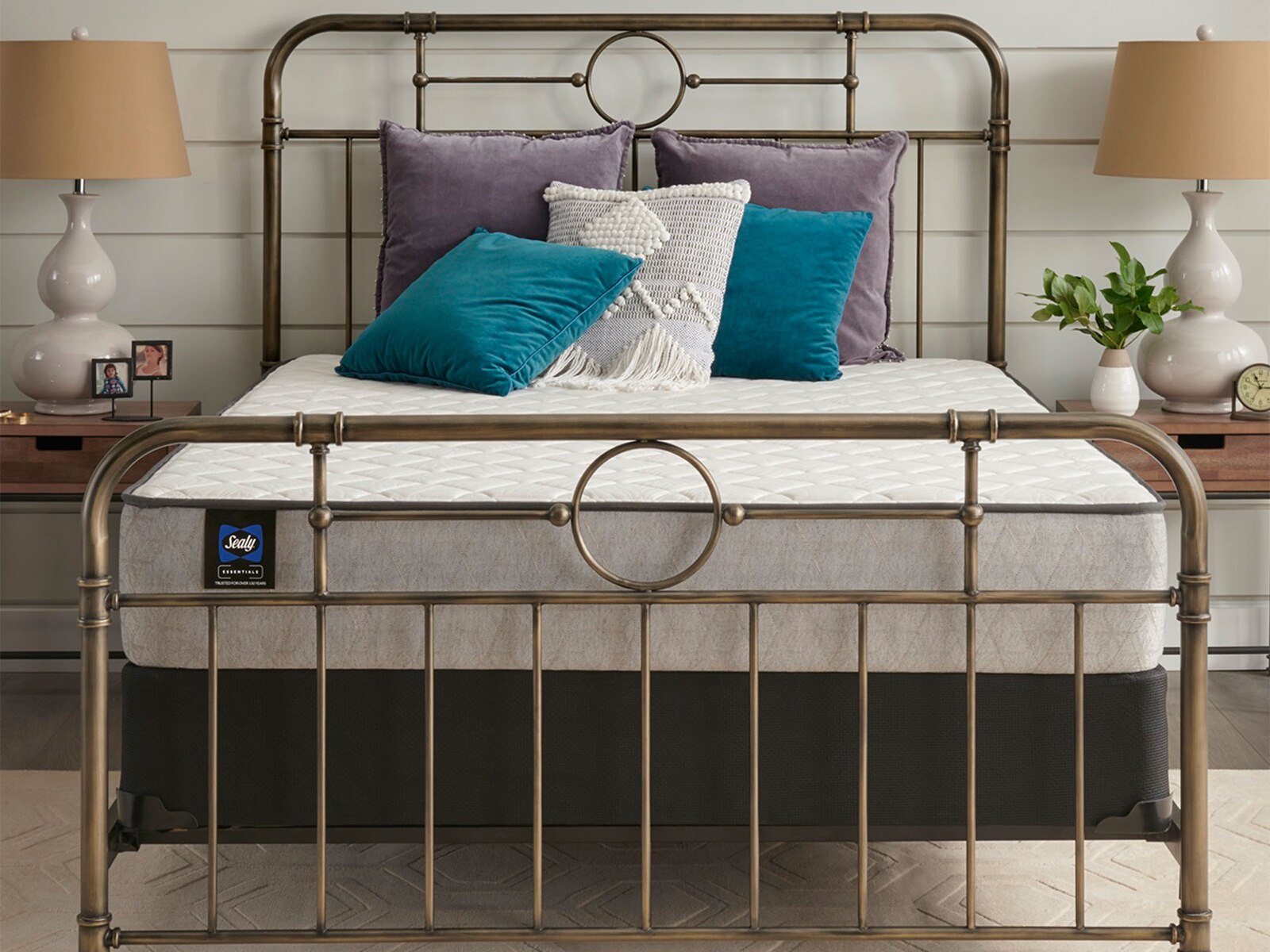
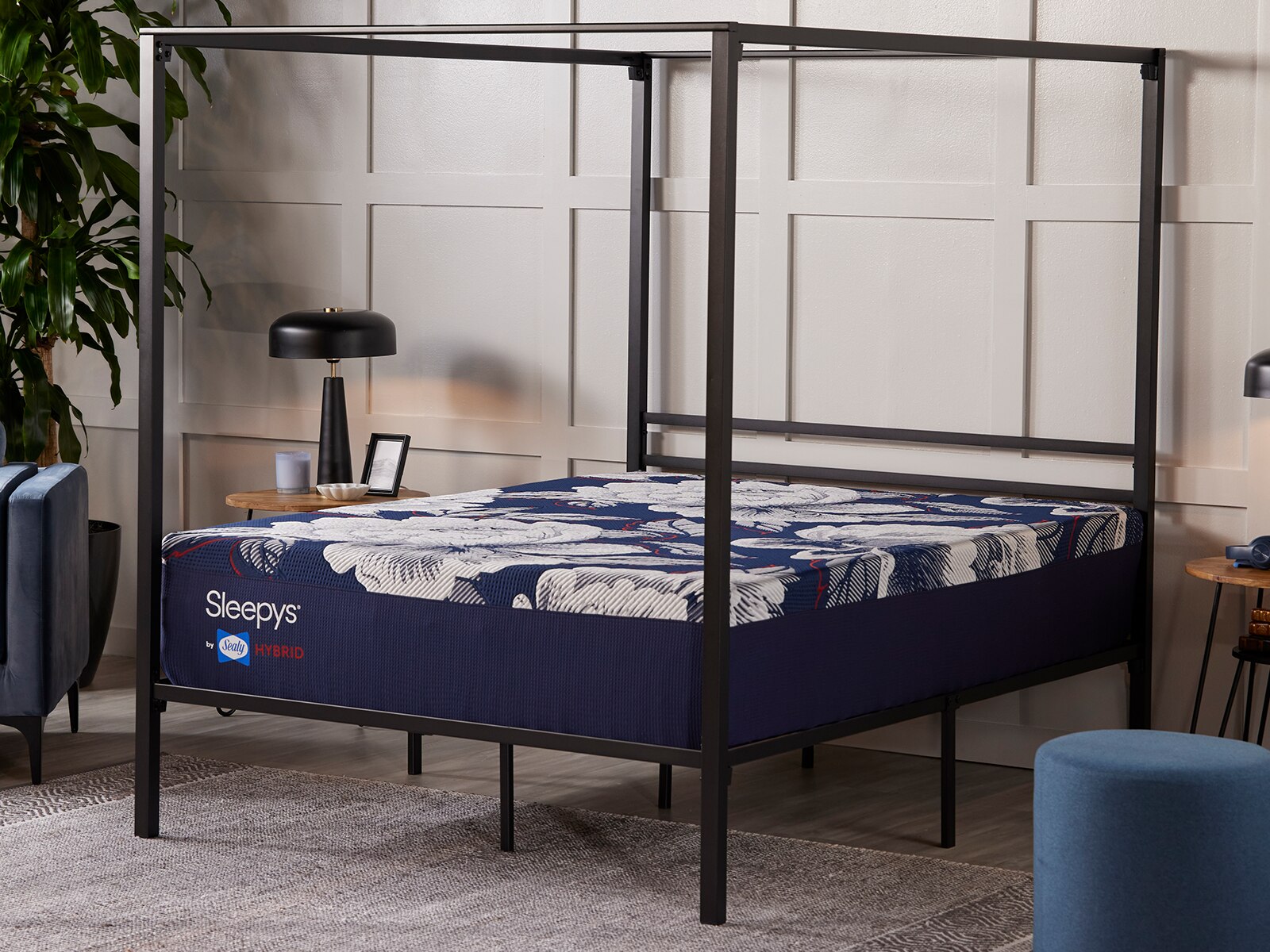
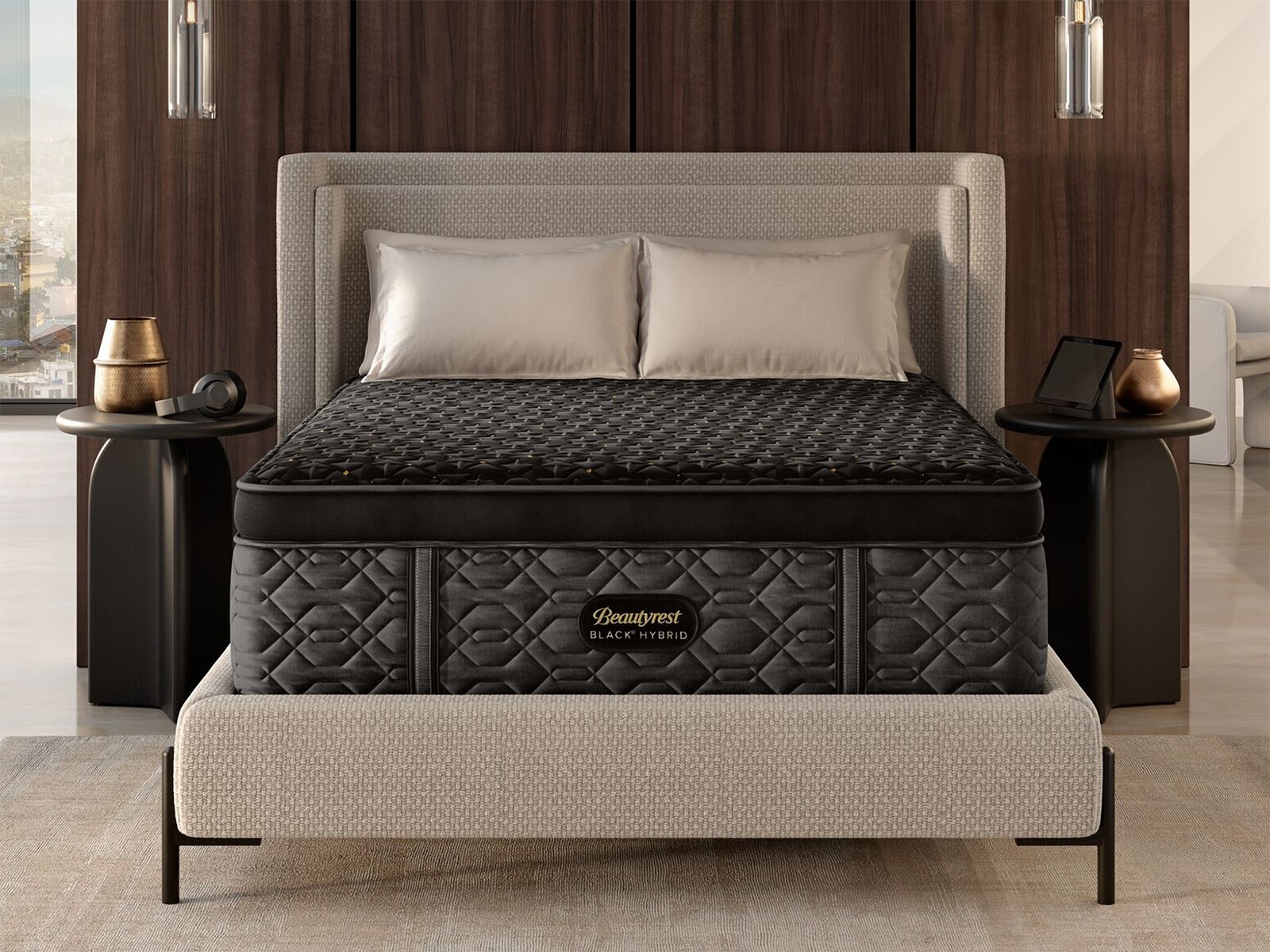
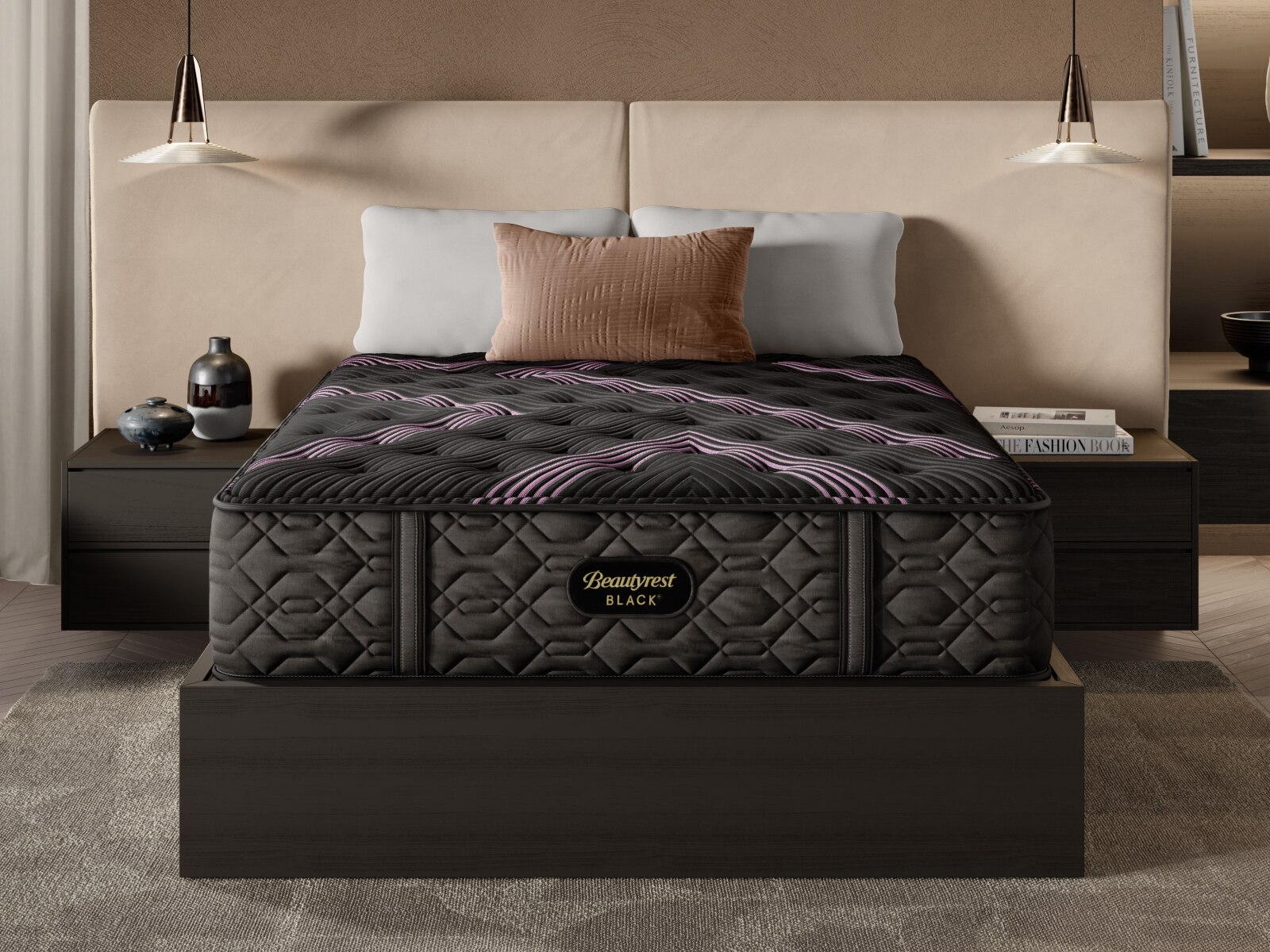
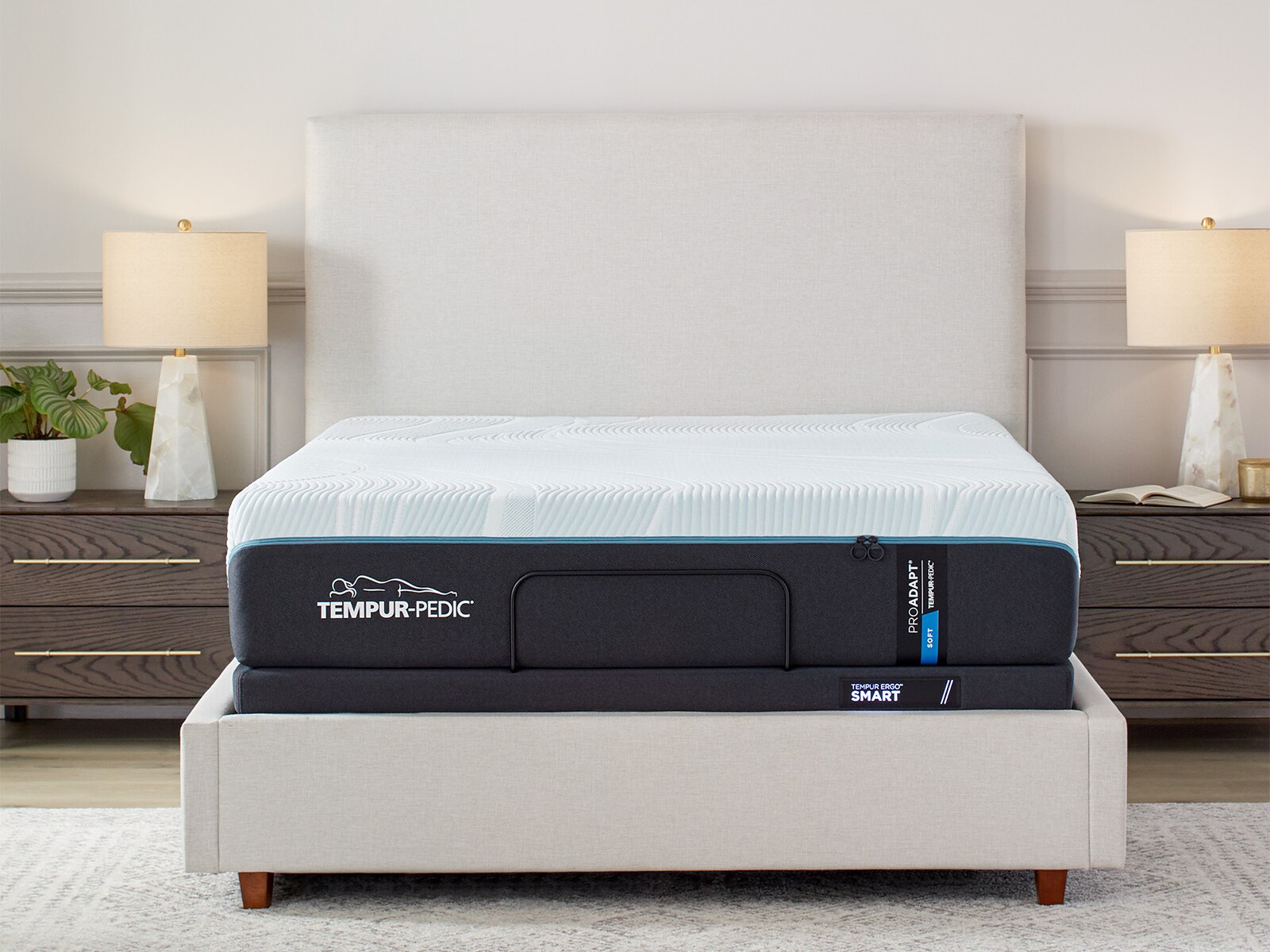
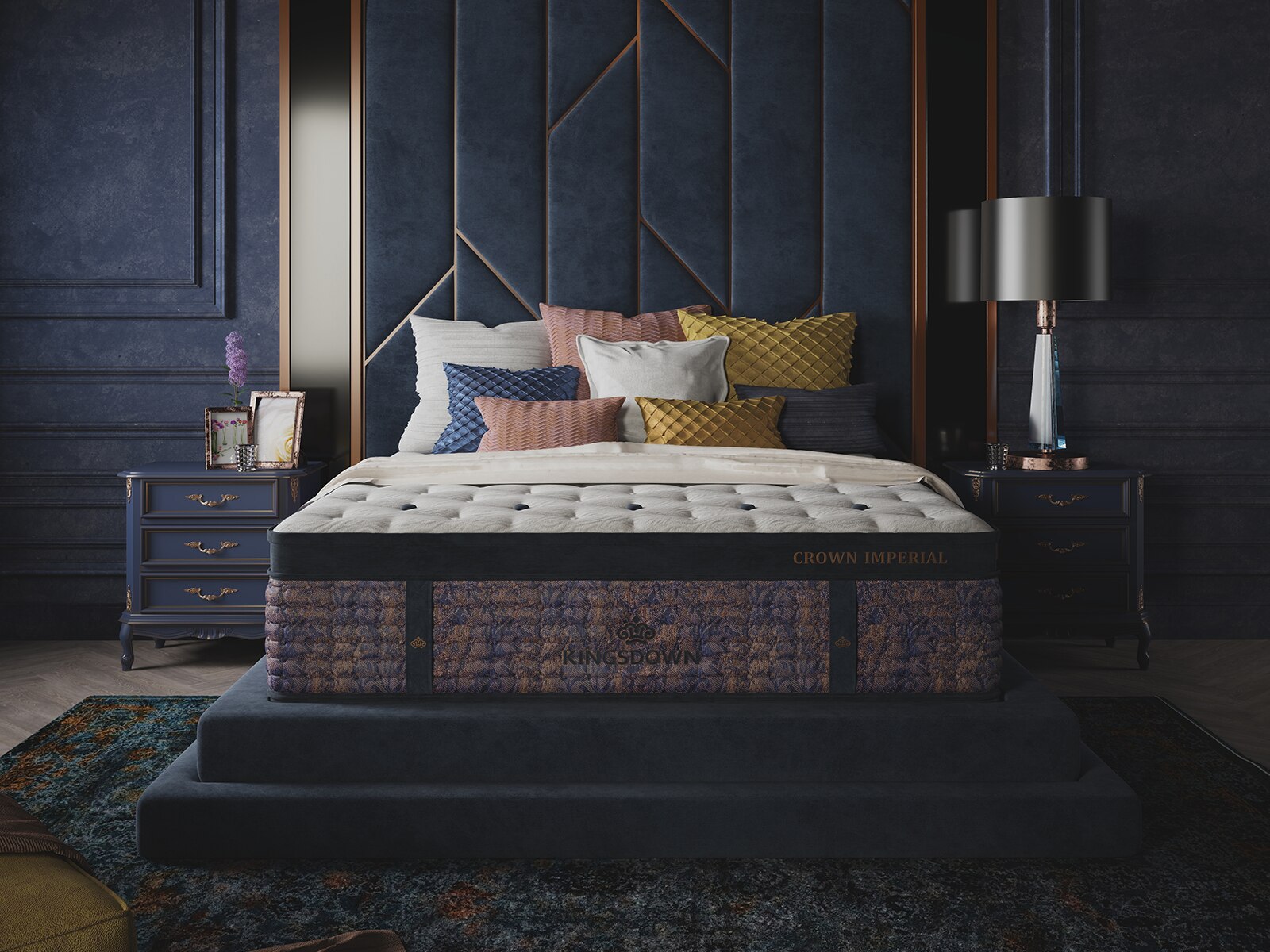
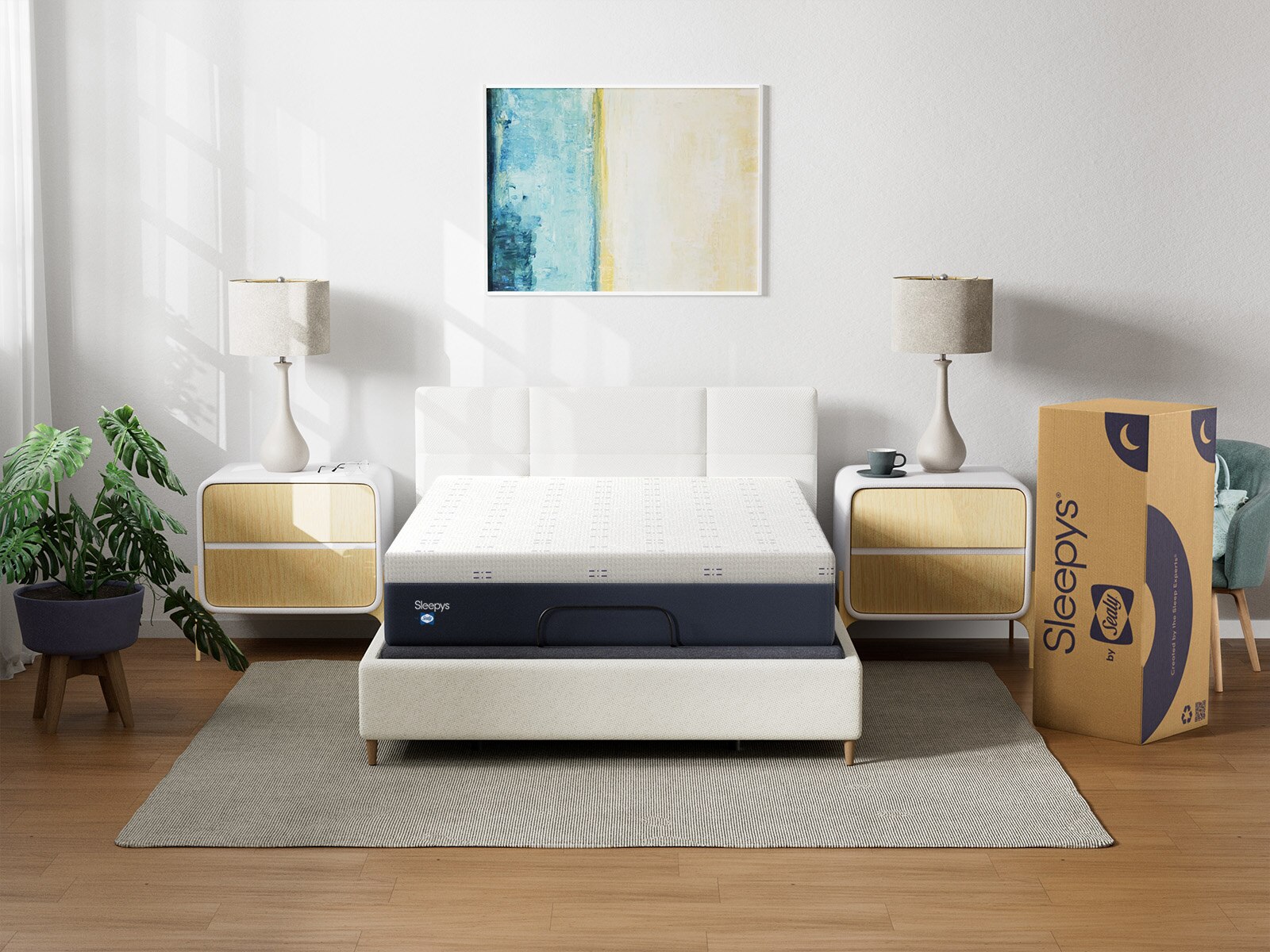
Plush mattresses for family bedrooms offer a soft, cushioned surface over a supportive core, creating a welcoming place to settle in at the end of the day. The plush feel comes primarily from the upper comfort layers, which allow the shoulders and hips to sink in gently while the layers underneath help support the body. Softness and support are different qualities: a mattress can feel pillowy on top without feeling loose or unstable beneath the sleeper. That balance matters in a household where each bedroom serves someone with different comfort preferences, body proportions and sleep habits. Side sleepers often appreciate extra cushioning around the shoulder and hip, especially when a firmer surface leaves those areas feeling compressed. People with lighter body weights may also prefer plush cushioning because they generally press less deeply into a mattress. Back sleepers who enjoy softness may feel comfortable on a plush surface with enough underlying support to keep the pelvis from settling too far. Stomach sleepers and people with higher body weights often need a firmer feel or a more substantial support system to limit excessive sinking. These are starting points rather than rules, since comfort also depends on the mattress construction and the person using it. In a primary bedroom, a plush mattress can provide a gentle landing for two adults with similar preferences. In a teen’s room, it may suit a side sleeper who likes a cushioned feel. In a guest bedroom, a moderately plush surface may feel more familiar to a wider range of visitors than an exceptionally soft one. Plushness alone does not make a mattress suitable for every age, however. Infants need a firm, flat sleep surface designed for infant sleep, not a plush adult mattress. For older children and adults, the most useful distinction is between comfortable contouring and sinking so deeply that turning over becomes difficult. A well-matched plush mattress lets the sleeper relax into the surface while still feeling supported when changing position.
Materials and construction give plush mattresses their distinct personalities. Memory foam typically contours closely and responds gradually to pressure, creating a more cradled sensation around the body. Other cushioning foams can feel quicker to respond, with less of the slow-settling effect associated with memory foam. Latex often provides a more buoyant feel, compressing under weight while springing back readily as the sleeper moves. Hybrid mattresses pair comfort layers with a coil support system, bringing together surface cushioning and a more resilient foundation. Innerspring constructions with padded tops can also provide a plush feel, although the depth of cushioning and the way it responds vary considerably. A pillow top or Euro top describes part of the mattress construction, not a universal level of softness; the materials inside and the support beneath still shape the overall experience. Likewise, a taller mattress is not automatically softer, more supportive or more durable than a lower-profile design. In shared bedrooms, motion isolation can matter as much as the initial feel. Comfort layers that absorb movement, along with individually wrapped coils in some constructions, may help reduce the disturbance when a partner rolls over or gets up early. No mattress eliminates every movement, and the bed frame can affect how much motion travels across the bed. Edge support is another practical consideration for couples who use the full width of the surface or anyone who sits at the bedside while getting dressed. A very soft perimeter may compress more noticeably than a reinforced edge. Breathable covers and airflow through the construction can also influence comfort, particularly for sleepers who find deeply contouring surfaces less airy. For someone who changes positions frequently, responsive cushioning may make rolling from side to back feel easier than a deeply enveloping surface. These differences explain why two mattresses described as plush can feel quite different during everyday use. The label identifies a general comfort category, while the full construction determines how that softness behaves through the night.
Size, fit and upkeep help a plush mattress work comfortably within family life. A twin can leave more floor space in a child’s bedroom, while a Twin XL adds length for a taller sleeper without increasing the width. A full offers more room to spread out for one person, and queen or king sizes give couples more individual sleeping space. California King dimensions can be useful when extra length matters, though the narrower width compared with a standard king is worth considering. The mattress footprint is only part of the fit: doorways, stair turns, bedside furniture and walking space all affect how comfortably the room functions. Mattress thickness also changes the finished bed height, which matters when someone needs to sit down and stand up easily. Bunk beds and trundle beds require particular attention to the bed manufacturer’s mattress dimensions and height limits. Deep comfort layers may also call for deep-pocket sheets, while a tightly stretched protector can change the feel of a soft surface. A properly fitted, washable mattress protector helps manage spills and everyday messes without replacing the need to follow the mattress care instructions. A supportive frame and compatible foundation help the mattress perform as intended; slats, center supports and adjustable-base compatibility should match the manufacturer’s requirements. Rotation may help distribute wear when recommended, but many layered mattresses are not designed to be flipped. Cleaning methods should follow the care label, with limited moisture and thorough drying before bedding goes back on. Over time, changes in cushioning are normal, but persistent sagging or a noticeable loss of support deserves attention. Durability depends on material quality, construction, sleeper weight and regular use rather than plushness alone. For spaces that serve more than one purpose,
Mattresses For Family Rooms provides a related collection to explore alongside bedroom options. Whether the room belongs to a growing teen, visiting relatives or a couple with a preference for softness, the strongest match combines a comfortable surface, suitable support and a size that fits daily routines.