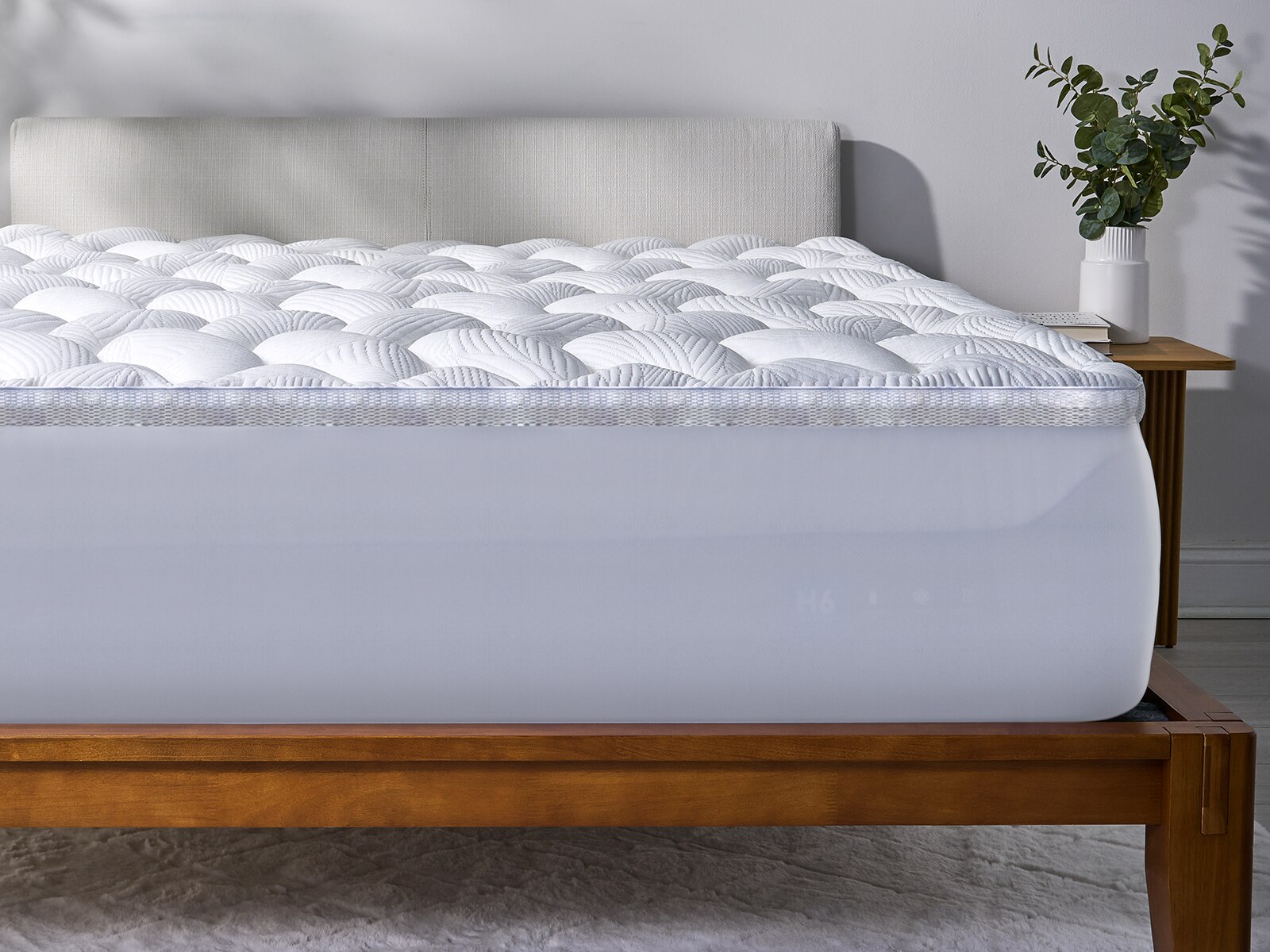
Plush kids mattresses offer a cushioned feel for children who enjoy a softer sleeping surface, with underlying support that helps keep the bed from feeling overly sinkable. The word plush describes comfort, not a standard level of firmness across every mattress. One design may have a gently padded top with a supportive core, while another allows a deeper contour around the shoulders and hips. For a school-age child who curls up on one side, that cushioning may help soften contact with the mattress; a child who sleeps on their back or stomach may prefer less sinkage. Body size matters, too, because a lighter child may not compress comfort layers the same way an adult does. A useful balance is enough softness to feel comfortable without making it difficult to roll over or change positions. Foam mattresses can provide an even, cushioned surface, while memory foam responds more gradually and contours around the body. Latex generally has a more responsive feel, returning to shape readily as a child moves. Innerspring mattresses combine a coil support system with cushioning above it, and hybrid mattresses pair coils with comfort layers made from foam, latex or other materials. A pillow top adds a distinct cushioned layer, but that construction alone does not determine how supportive the mattress will feel. Some mattresses designed for children have two usable sides with different comfort levels, allowing a change in feel without replacing the entire mattress. Those designs should be flipped only as directed, and a firmer side should not be assumed suitable for an infant. Plush mattresses intended for a child's bed are not substitutes for an infant's firm, flat sleep surface. For children who have moved beyond a crib, comfort preferences, developmental needs and the bed setup all deserve attention. When persistent discomfort or a medical condition affects sleep, a pediatrician can help clarify individual needs rather than relying on a firmness label alone.
The right mattress size depends on the child, the room and the frame that will hold it. A standard twin mattress typically measures 38 inches wide by 75 inches long, making it a practical fit for many children's bedrooms and shared rooms. It can leave space for a dresser, a reading corner or a clear path between beds without requiring a larger sleep surface. Explore
Twin Size Plush Mattresses For Kids Rooms when planning a compact bedroom with a cushioned bed at its center. A Twin XL mattress is typically 38 inches wide by 80 inches long, offering extra length for a taller child or teenager while keeping the same width. A full mattress, typically 54 inches wide by 75 inches long, provides more room to stretch out but takes up more floor space. Measure the frame's interior dimensions and check its requirements rather than choosing by the size name alone. Mattress height also affects everyday use. A thick comfort layer can make a low bed feel taller, which may be less convenient for a smaller child getting in and out independently. On bunk beds and loft beds, the frame manufacturer's mattress thickness limits are especially important because the mattress must leave the required guardrail height above the sleeping surface. A plush feel does not require an extra-tall mattress, so cushioning and profile should be considered separately. The foundation matters just as much: slat spacing, center support and platform construction should meet the mattress manufacturer's requirements. An unsuitable base can change the feel of the bed and contribute to uneven wear. Sheets and protectors should also fit the mattress depth closely enough to stay secure without pulling at the corners. In a room where the bed doubles as a spot for bedtime stories, consider how the edge feels when a child sits down to put on socks or a caregiver settles beside them to read.
Everyday care helps a plush mattress stay comfortable through changing routines, from the first independent bedtime to school-night reading and weekend mornings spent stretching out under the covers. A well-fitting mattress protector can help shield the surface from spills and nighttime accidents, especially during the transition out of a crib or through toilet training. A waterproof protector is useful for moisture protection, while a washable fitted design makes cleanup easier; check the care instructions for both the protector and the mattress before choosing a cleaning method. Removable covers are not always machine washable, and a zippered cover should not be taken off unless the manufacturer says it can be removed. For most mattress surfaces, prompt spot cleaning with an approved method is more appropriate than soaking the fabric or saturating the cushioning beneath it. Let any cleaned area dry completely before replacing bedding. Wash sheets regularly, keep the mattress supported across its intended base and rotate it only when the care instructions recommend doing so. Flipping is appropriate only for a mattress specifically constructed for use on both sides. Durability depends on the quality and construction of the comfort layers, the support system and the way the mattress is used, rather than thickness alone. Discouraging jumping can help protect cushioning, coils and the bed frame, while checking the base periodically can catch loose hardware or shifted slats. Over time, watch for lasting impressions, uneven areas or changes that make the child less comfortable. A child's preferences may also change as they grow, so a once-favorite soft surface may eventually feel different even when the mattress remains in good condition. For a move into a first bedroom, a room shared by siblings or a thoughtfully planned gift from a grandparent, a plush kids mattress should match the child's needs rather than just the room's appearance. A comfortable feel, appropriate support and manageable care make the bed easier to live with day after day.