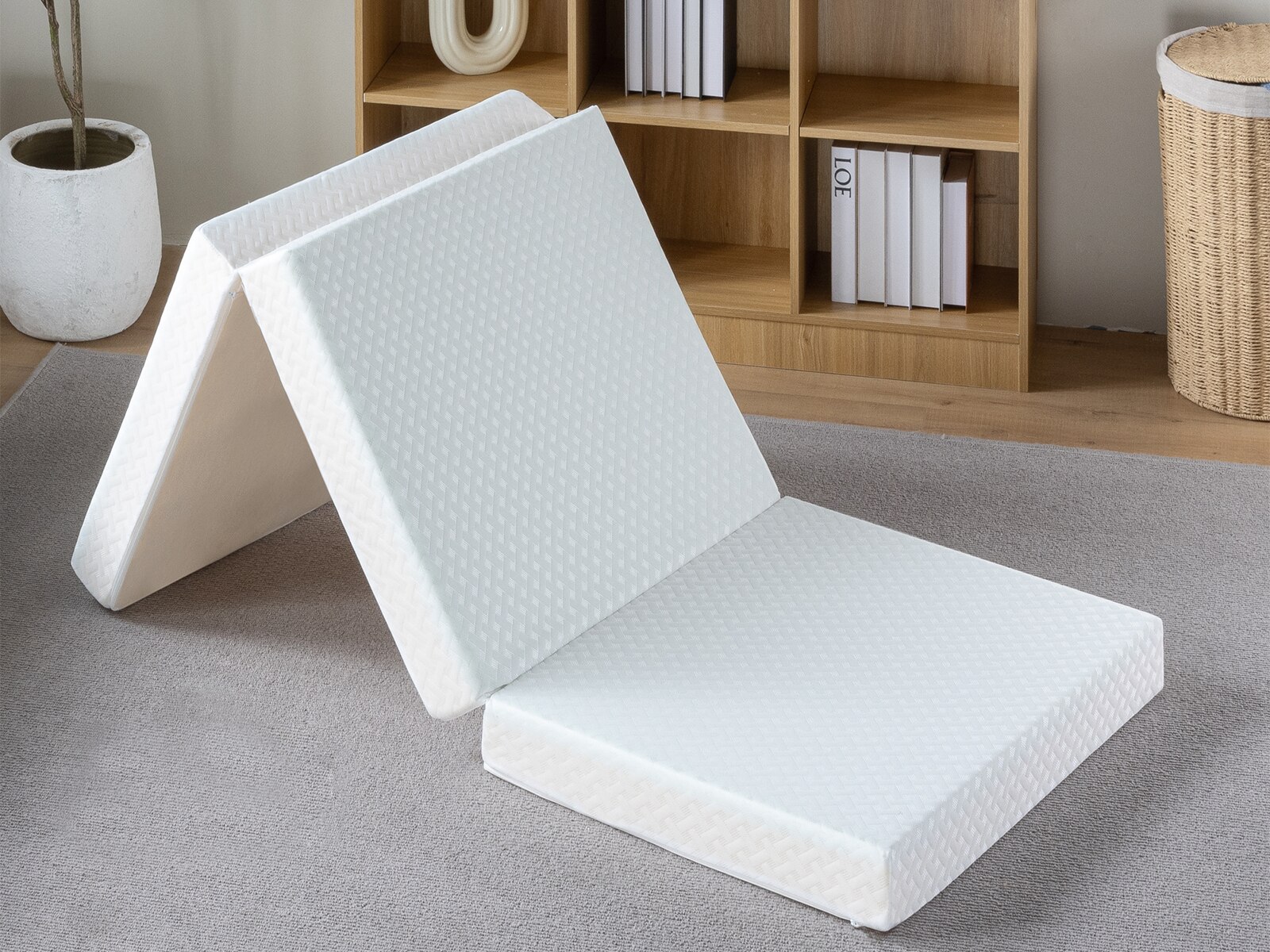
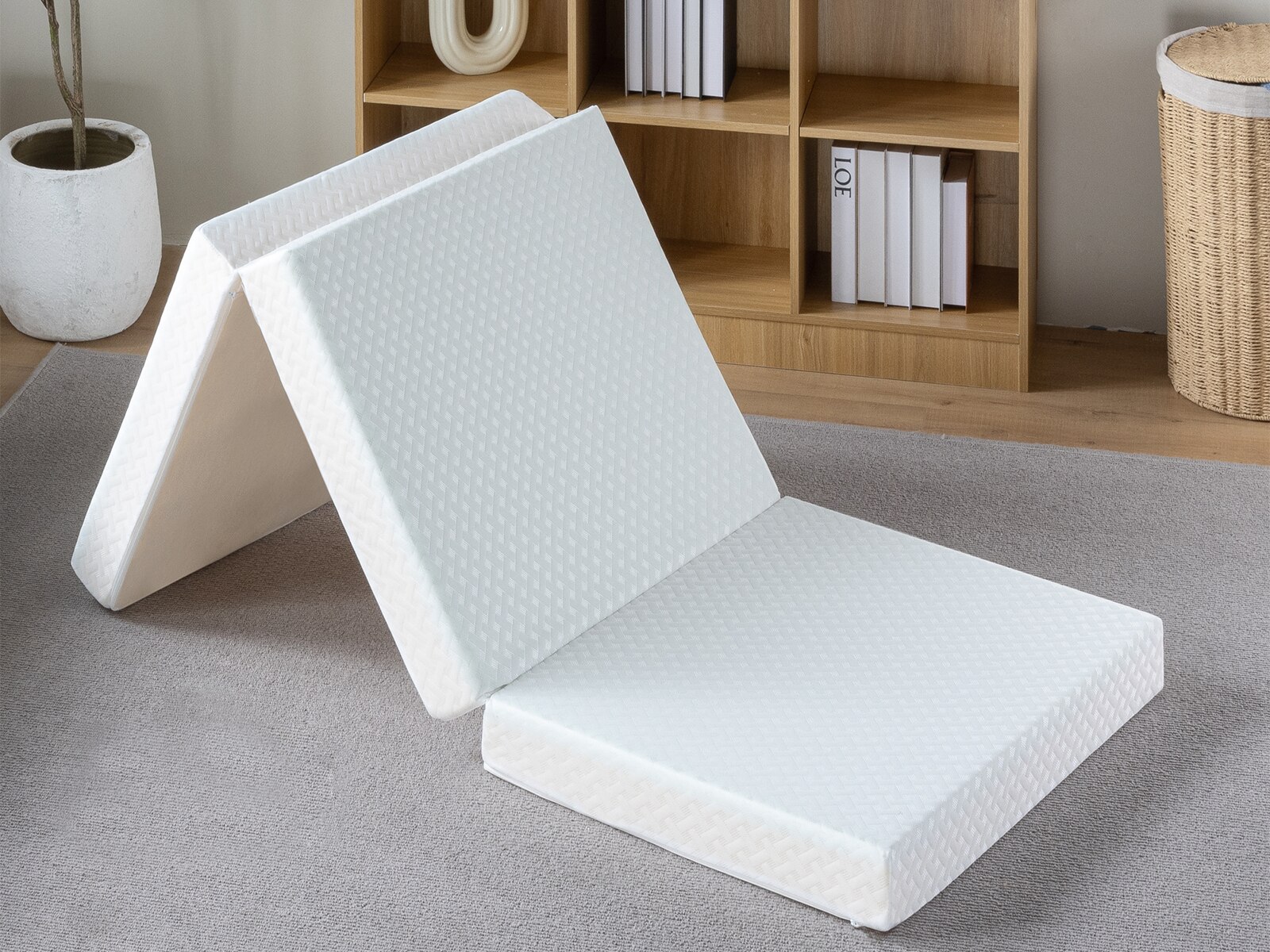
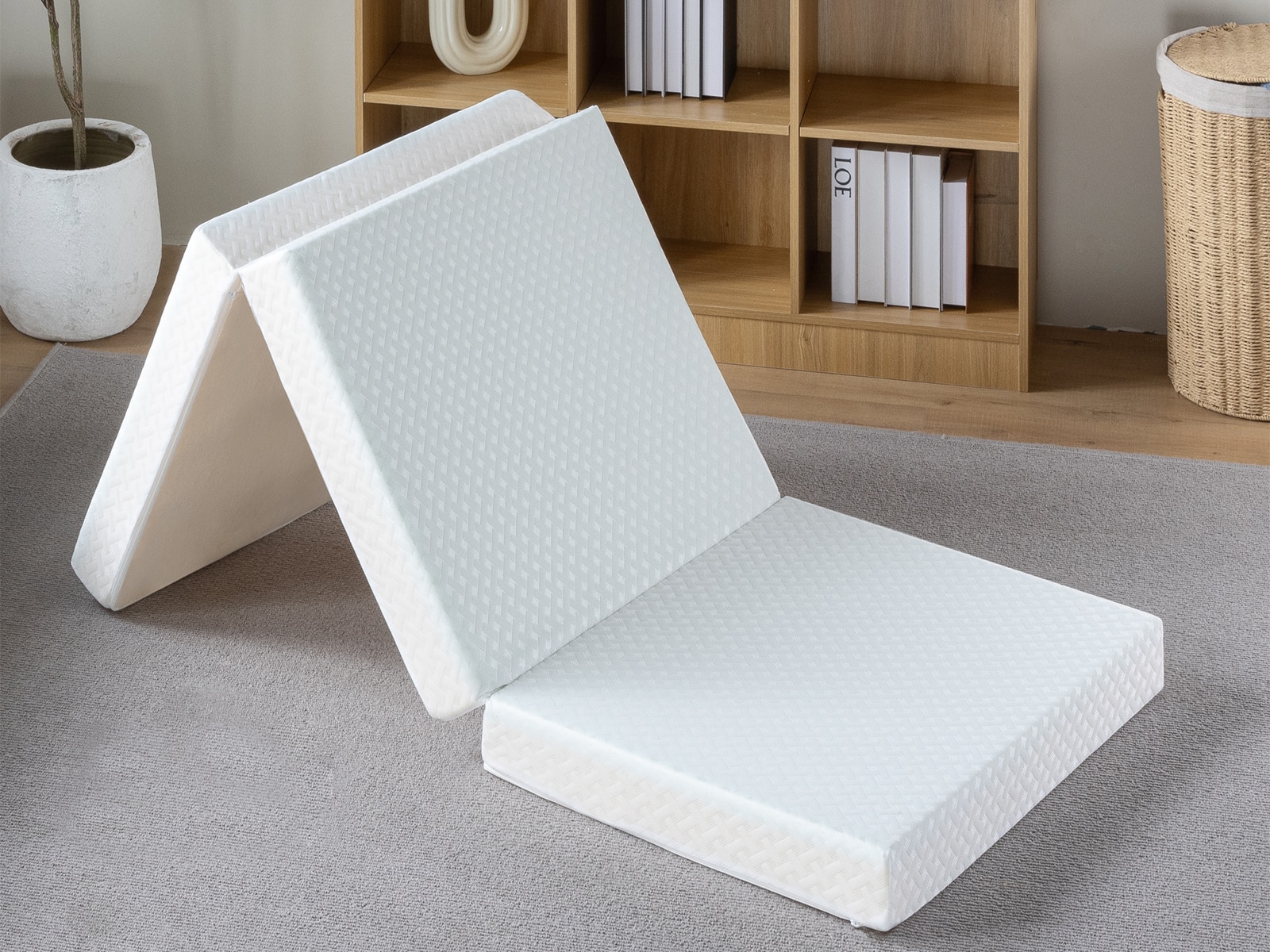
Portable beds for adults are sleeping surfaces designed to fold, roll, pack down or deflate for easier movement and storage between uses. Common types include rollaway guest beds, folding foam mattresses, inflatable air mattresses and cots, each with a distinct balance of cushioning, structure and portability. Rollaway beds typically combine a folding frame with a separate mattress, creating an elevated sleep surface that can be moved into place when guests arrive. Folding mattresses use connected foam sections that unfold directly onto a suitable floor, making them practical where a bulky frame would be difficult to store. Air mattresses deflate into a smaller package, although their setup requires a compatible pump or power source, depending on the design. Cots generally rely on taut fabric stretched across a folding frame; some are intended for camping, while others are designed for indoor guest use. The right format depends on how the bed will travel, where it will be stored and how often someone will sleep on it. A bed that moves between a home office and a hallway closet has different demands than one carried up stairs or packed into a vehicle. Comfort matters just as much as convenience, especially for an adult staying more than a single night. Memory foam can contour around the body, while other cushioning foams may provide a more responsive feel, depending on their construction. Mattress thickness alone does not establish support or comfort; the foam layers, underlying frame and sleeper’s body size all contribute to the experience. With a cot, fabric tension and the position of support bars can influence how the surface feels beneath the shoulders and hips. An air mattress offers adjustable inflation within the manufacturer’s limits, but its feel differs from a foam mattress. These distinctions help match a temporary bed to its intended purpose, whether that means making room for a visiting sibling, furnishing a multipurpose room or creating a sleep space for an overnight stay.
Adult fit starts with the usable sleeping dimensions, not simply a size label. A taller sleeper needs enough length to stretch out without resting against an end bar, and someone who changes positions frequently may appreciate additional width. Check the mattress dimensions separately from the overall frame measurements, since legs, hinges and handles can extend beyond the sleeping surface. Standard twin sheets will not necessarily fit every portable twin bed, particularly when the mattress is narrower, shorter or deeper than expected. Fitted-sheet pocket depth also matters: excess fabric can bunch on a slim mattress, while a shallow pocket may slip off a taller air mattress. Weight capacity is another essential specification, and it should come from the manufacturer rather than an assumption based on frame size or appearance. Confirm how the stated limit applies to the intended sleeper or sleepers and any added bedding. A wider surface does not automatically mean a bed is designed for two adults. For framed designs, inspect the locking mechanisms, leg placement and support structure, and follow the setup instructions on a level surface. Wheels can simplify moving a rollaway bed across a room, but thresholds, rugs and narrow doorways still affect how manageable it feels. Where wheel locks are included, use them as directed before the bed is occupied. Storage takes its own measurements: folded height, width and depth all need to work with the closet opening or storage area, not just the space inside it. Product weight matters when lifting is involved, while handles or a carry bag can help keep a packed bed together during transport. Allow enough room to unfold the bed fully and move around it without blocking a doorway or walkway. In a room that serves as both an office and a guest space, a clearly measured storage spot and an open setup area can make the difference between a useful extra bed and something awkward to bring out.
Care and construction help determine how well a portable bed stands up to repeated use. On a folding frame, secure joints, intact slats or support panels and properly functioning hinges deserve attention before each setup. Follow the manufacturer’s maintenance instructions, and stop using a bed if structural parts are damaged or its locking mechanism does not engage correctly. Foam mattresses benefit from a compatible protector and bedding that can be removed for cleaning. Wash removable covers only as their care labels allow, and avoid soaking foam or putting it in a washing machine unless the manufacturer specifically permits it. Any cleaned surface should dry completely before the bed is folded or enclosed in a storage bag. Air mattresses need a smooth placement area free of sharp debris, careful inflation according to their instructions and protection from objects that could puncture the material. Checking the air level before bedtime is a useful part of setup, especially after the mattress has been unpacked. Fabric cot surfaces also need care suited to their materials; a removable cover may have different cleaning requirements from fabric attached directly to a frame. For any style, folding along the intended joints rather than forcing the bed into a smaller shape helps protect its construction. Bedding can make a temporary space feel more welcoming without making storage cumbersome. A properly fitted sheet, a supportive pillow and a washable protector cover the basics, while any added cushioning should be compatible with the bed’s design. Explore
Portable Bedding Solutions with the same attention to dimensions, care requirements and storage space. For someone who frequently hosts friends or family, a portable adult bed can also be a thoughtful household gift when the recipient’s space and handling needs are known. Occasional-use designs are best matched to occasional stays unless the manufacturer indicates otherwise. A well-matched setup gives an overnight guest room to stretch out, keeps the sleeping surface stable and leaves the room ready for its everyday purpose once the bed is put away.