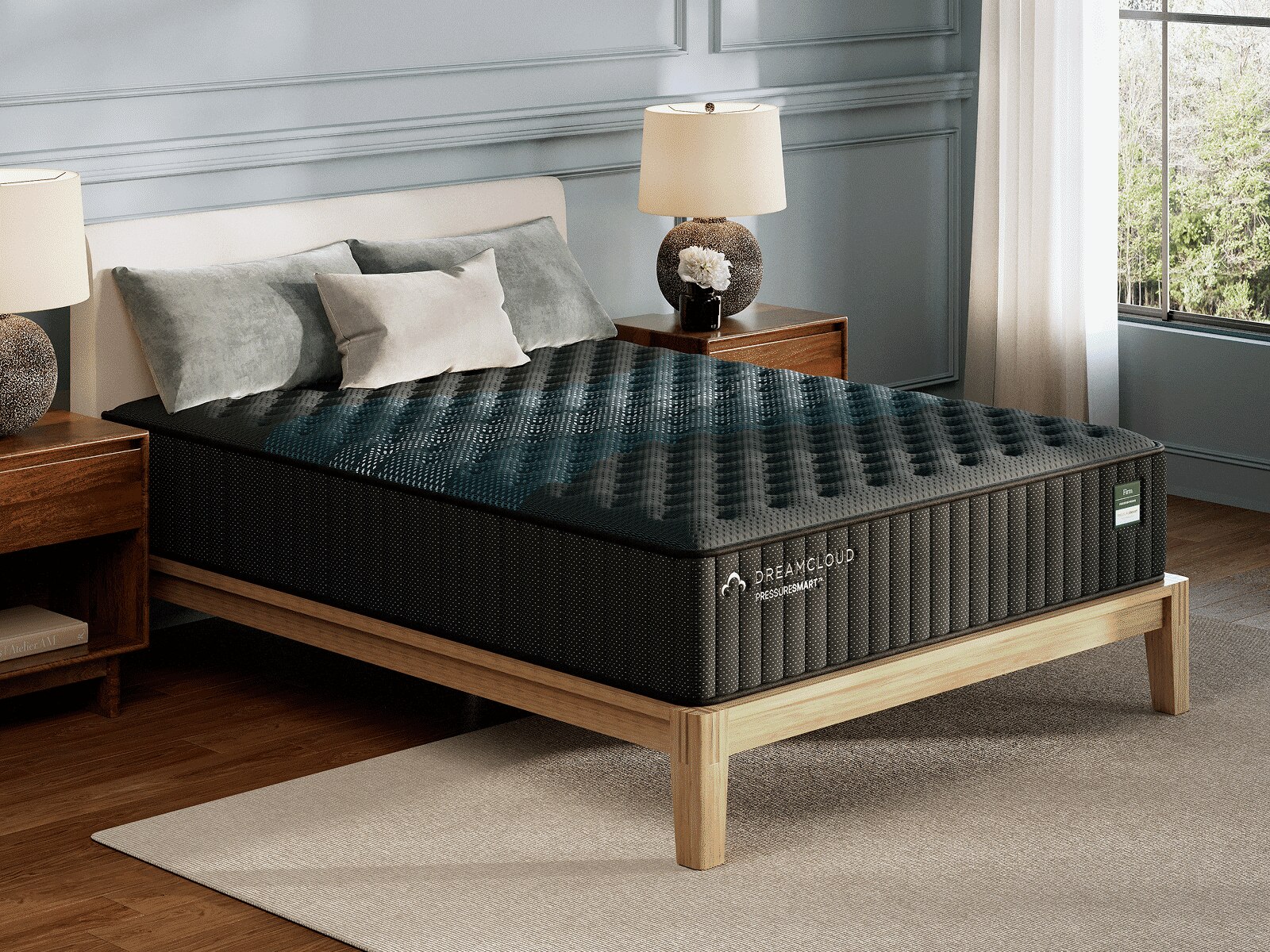
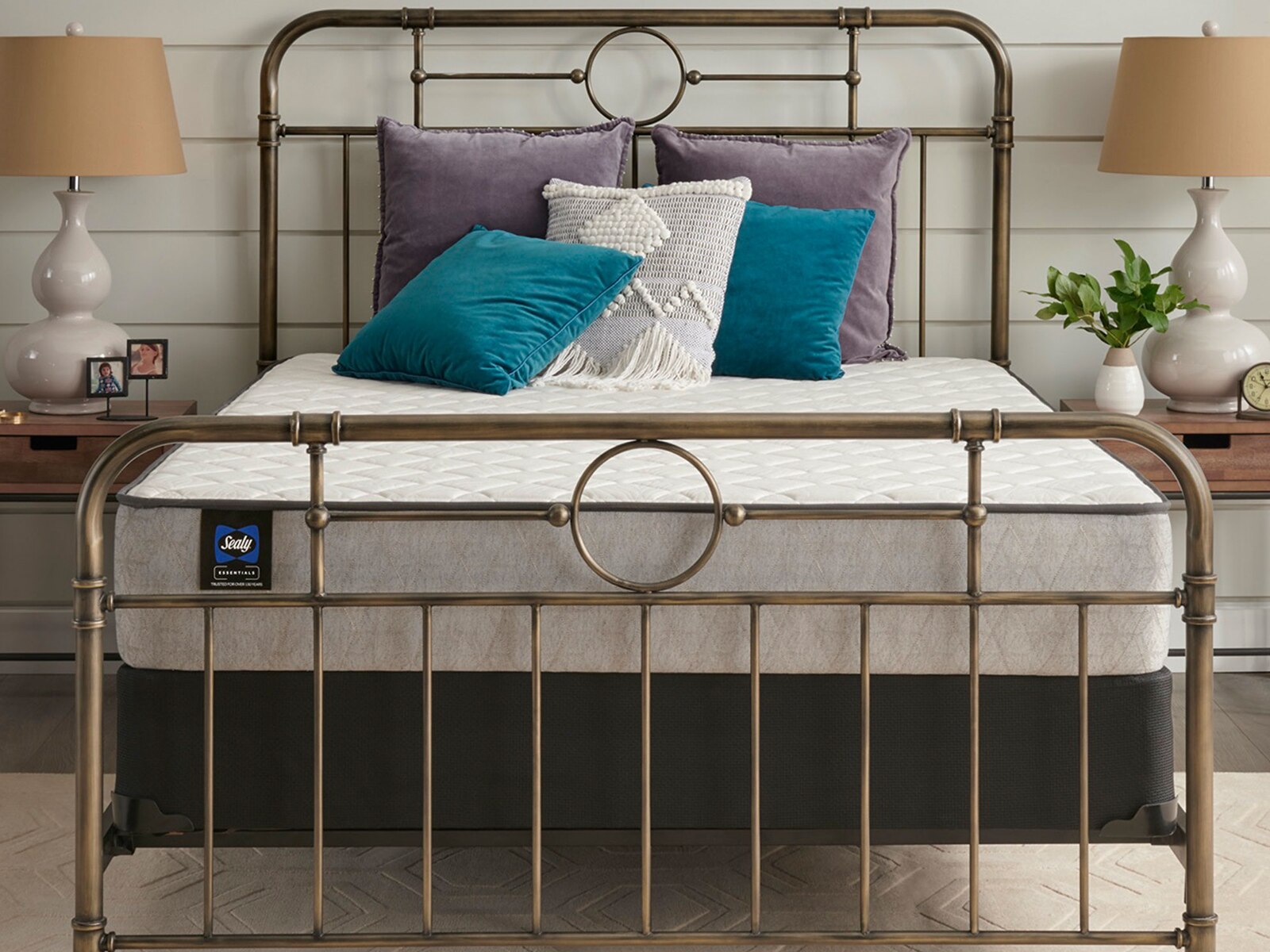
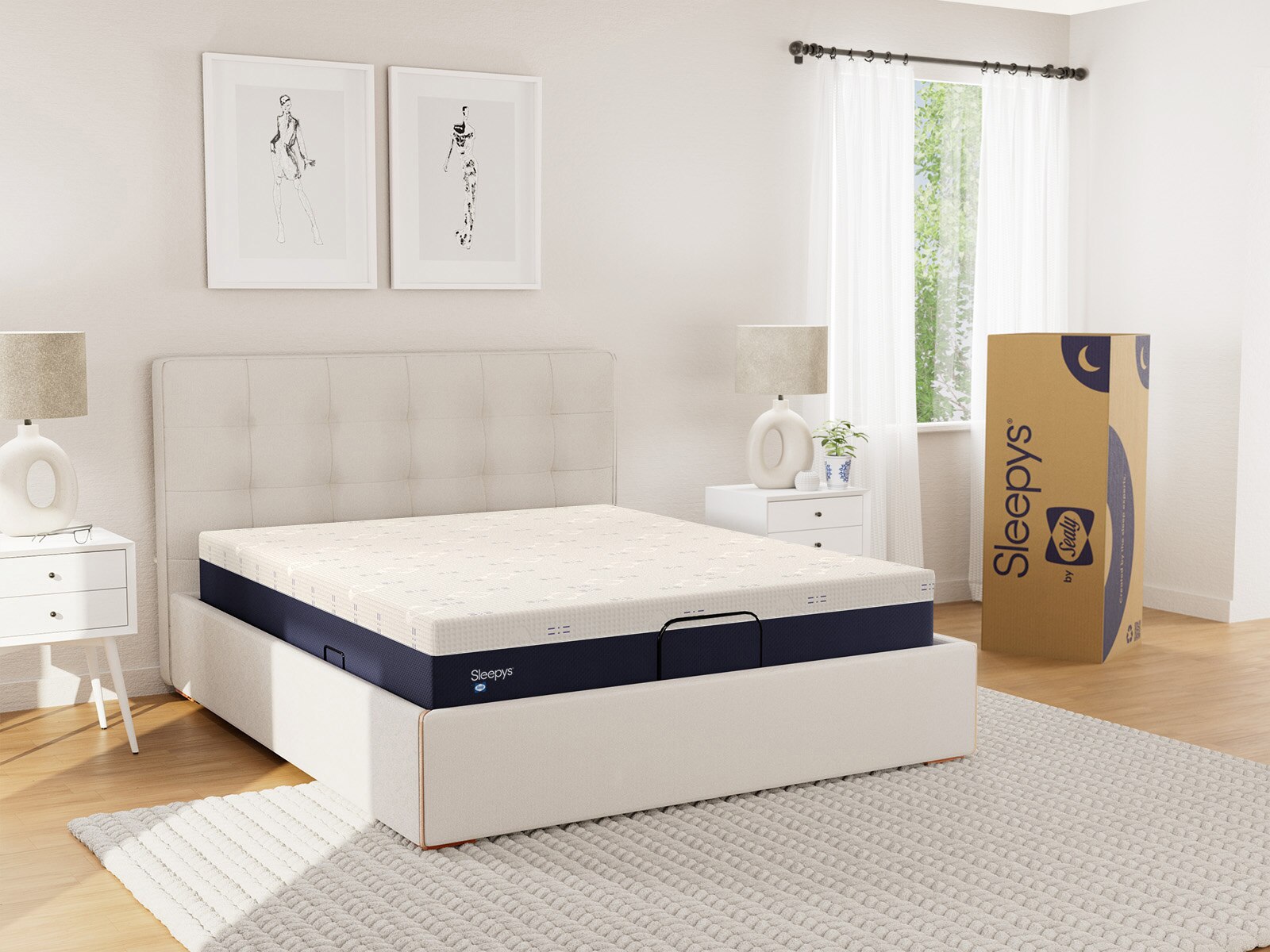
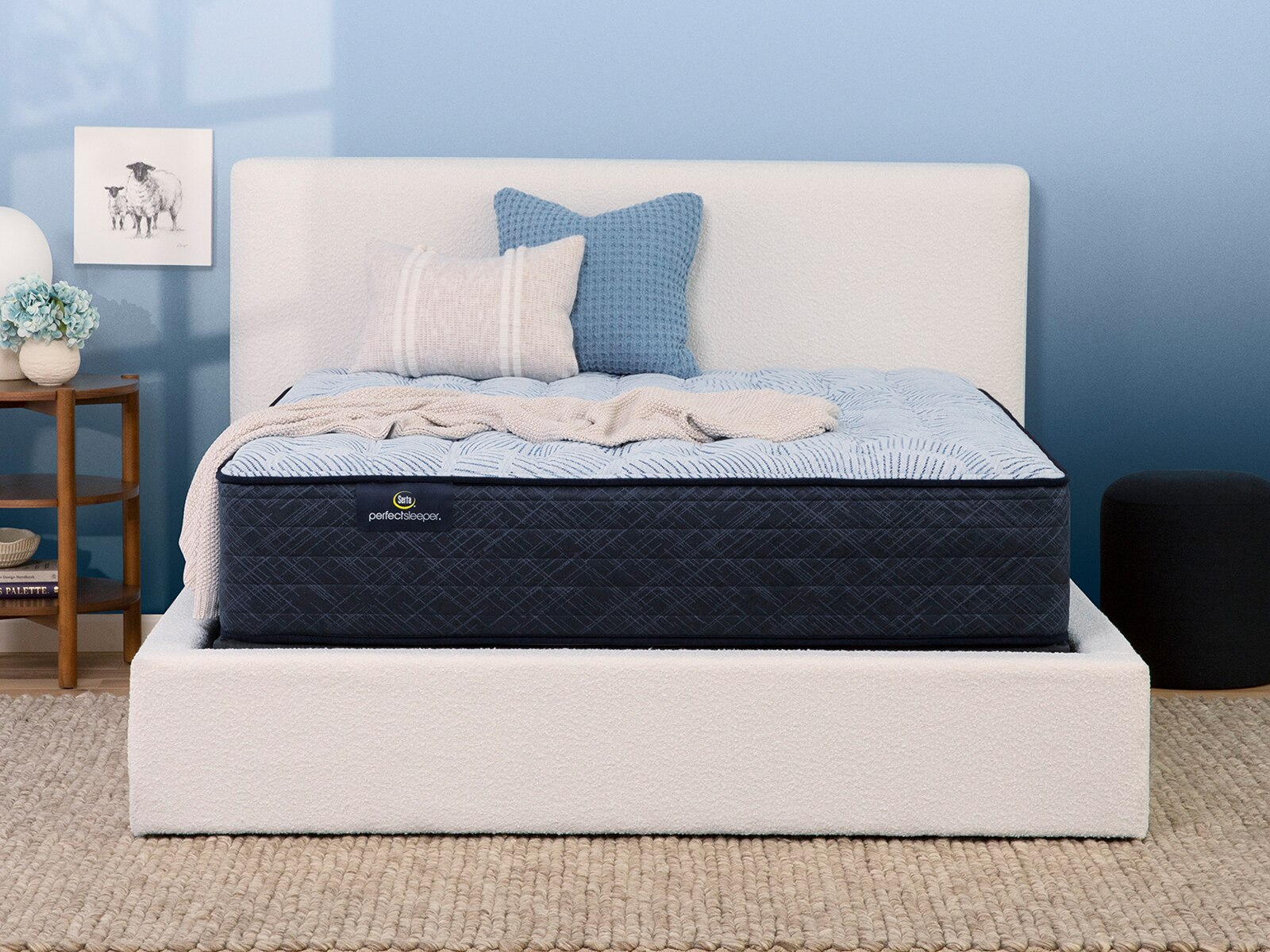
Posturized support king mattresses emphasize targeted support beneath the parts of the body that place the greatest demands on a sleep surface, particularly the hips, lower back and midsection. Rather than relying on the same resistance from head to foot, these designs may use a reinforced center third, distinct support zones or strategically arranged materials to help distribute body weight and limit excessive sinking. The goal is a more balanced resting position, with cushioning for the body’s curves and enough underlying resistance to keep the torso from settling too deeply. Construction varies, so the term does not describe one universal combination of materials or one specific firmness level. Some designs use individually wrapped coils, which compress separately and can respond to movement without pulling as much of the surrounding surface along with them. Others combine a coil support system with foam comfort layers, while foam-based designs may use layers with different densities or firmness characteristics to create targeted resistance. Memory foam can provide close contouring, latex often has a more buoyant response and other cushioning foams can create a gentler transition into the support core. The thickness and arrangement of those layers matter as much as the material names. A deeply cushioned surface can still have substantial support underneath, while a firm-feeling top does not automatically mean the mattress has targeted reinforcement. For shoppers comparing posturized support king mattresses, that distinction helps separate the immediate feel of the surface from the structure doing the work below it. A well-matched design allows shoulders and hips to settle comfortably without leaving the midsection feeling unsupported. Reinforced edges may also make more of the mattress feel usable, especially for someone who sleeps close to the side or sits briefly at the edge while getting ready for the day.
A standard king mattress measures approximately 76 inches wide by 80 inches long, giving two adults about the same width each as a twin mattress. That extra room can be helpful when one person stretches out while the other curls onto one side, or when partners simply prefer more space between them. Targeted support and a king-size footprint address different needs: the dimensions create room to move, while the internal construction determines how the mattress responds beneath each sleeper. Side sleepers often benefit from enough cushioning to accommodate the shoulder and hip without a sharp sense of pressure. Back sleepers may prefer gentle contouring beneath the lower back with steadier resistance under the pelvis. Stomach sleepers generally need to pay particular attention to how far the hips sink, since a deeply yielding midsection can make that position feel less balanced. Body weight, proportions and personal preference all influence these experiences; a mattress that feels firm to one person may feel more yielding to another. For shoppers drawn to a more substantial surface feel,
Firm Back Support King Mattresses provide a related category to consider alongside targeted support designs. Couples may also value motion isolation, especially when one partner changes positions frequently or gets out of bed earlier. Individually wrapped coils and cushioning layers can help reduce transferred movement, although the overall construction determines the result. Responsiveness matters too: a surface that recovers promptly can make rolling over feel easier than one with a slow, enveloping feel. Bedroom fit deserves equal attention. Space beside the bed, clearance for drawers and a practical path through the room all affect everyday comfort. A California King is narrower and longer than a standard king, so the two sizes require different bedding and foundations despite their similar names.
Long-term comfort depends on how the mattress is supported and cared for as well as how it feels at first. A compatible foundation or platform helps the mattress perform as intended; weak slats, excessive gaps or missing center support can affect the feel of an otherwise suitable sleep surface. King mattresses need an appropriately supported setup across their full width, and adjustable-base compatibility should be confirmed for the particular construction rather than assumed. Mattress height also changes the experience of the finished bed. A thicker mattress on a tall frame may feel different to get into than a lower-profile combination, especially for someone who prefers to sit with both feet resting securely on the floor. Deep comfort layers also call for fitted sheets with enough pocket depth to stay in place without compressing the corners. A properly fitted protector helps shield the surface from spills and everyday moisture, while regular laundering of bedding keeps the sleep space fresh. Cleaning methods should follow the care label, since soaking foam or using unsuitable cleaning solutions can damage materials. Rotation may help distribute wear when the manufacturer recommends it, but many layered mattresses are designed with a single sleeping surface and should not be flipped. Durability comes from the complete construction: the quality of the support core, the resilience of the comfort layers, secure edges and an appropriate foundation all contribute. Initial cushioning changes are not necessarily the same as a loss of support, but persistent sagging or a noticeable change in resting posture deserves attention. For a shared primary bedroom, a spacious guest room used by visiting couples or an individual who enjoys room to stretch, posturized support king mattresses bring generous dimensions together with a more focused approach to support. The strongest match is a mattress whose cushioning, responsiveness and underlying resistance suit the people sleeping on it night after night.