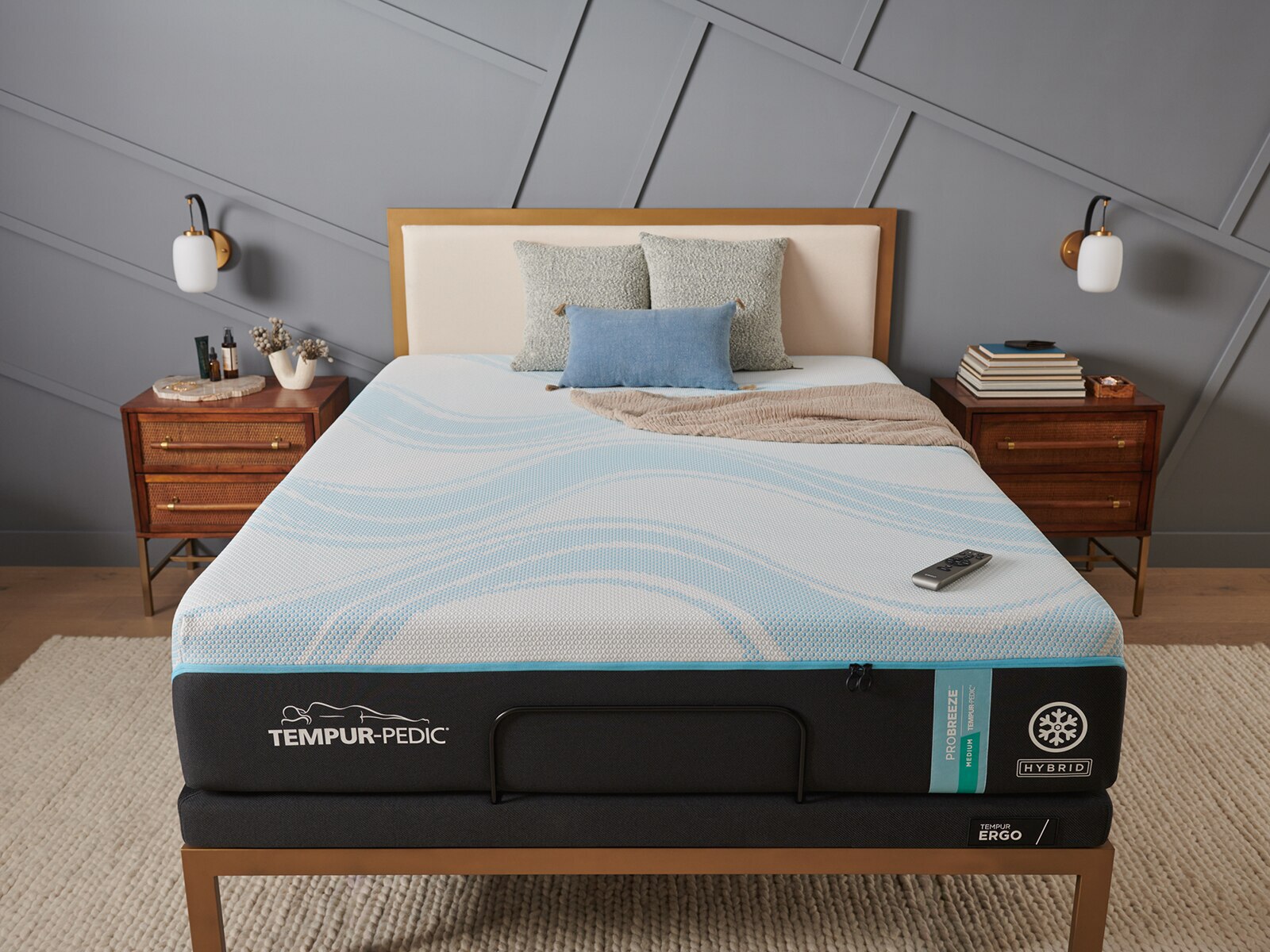
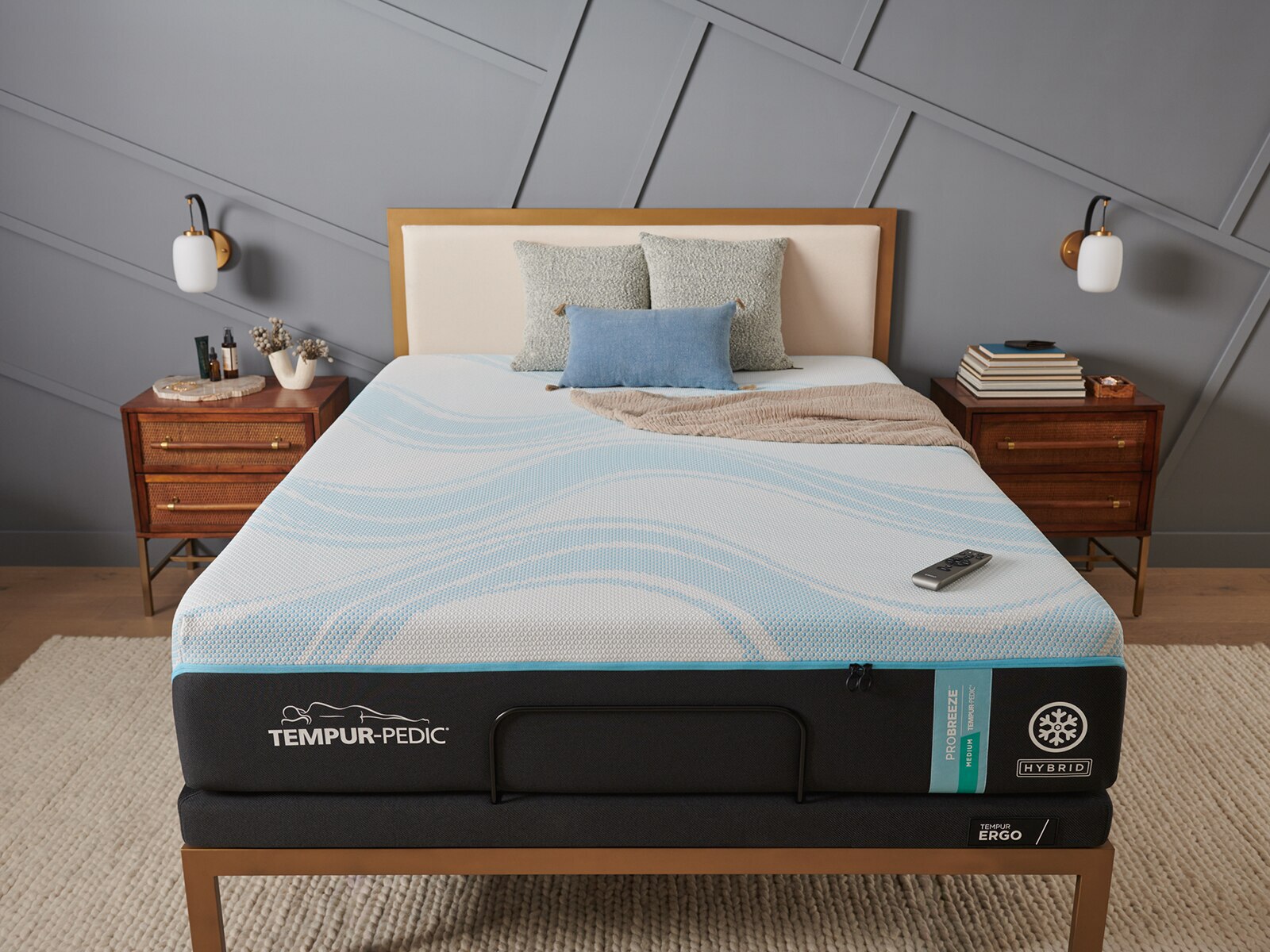
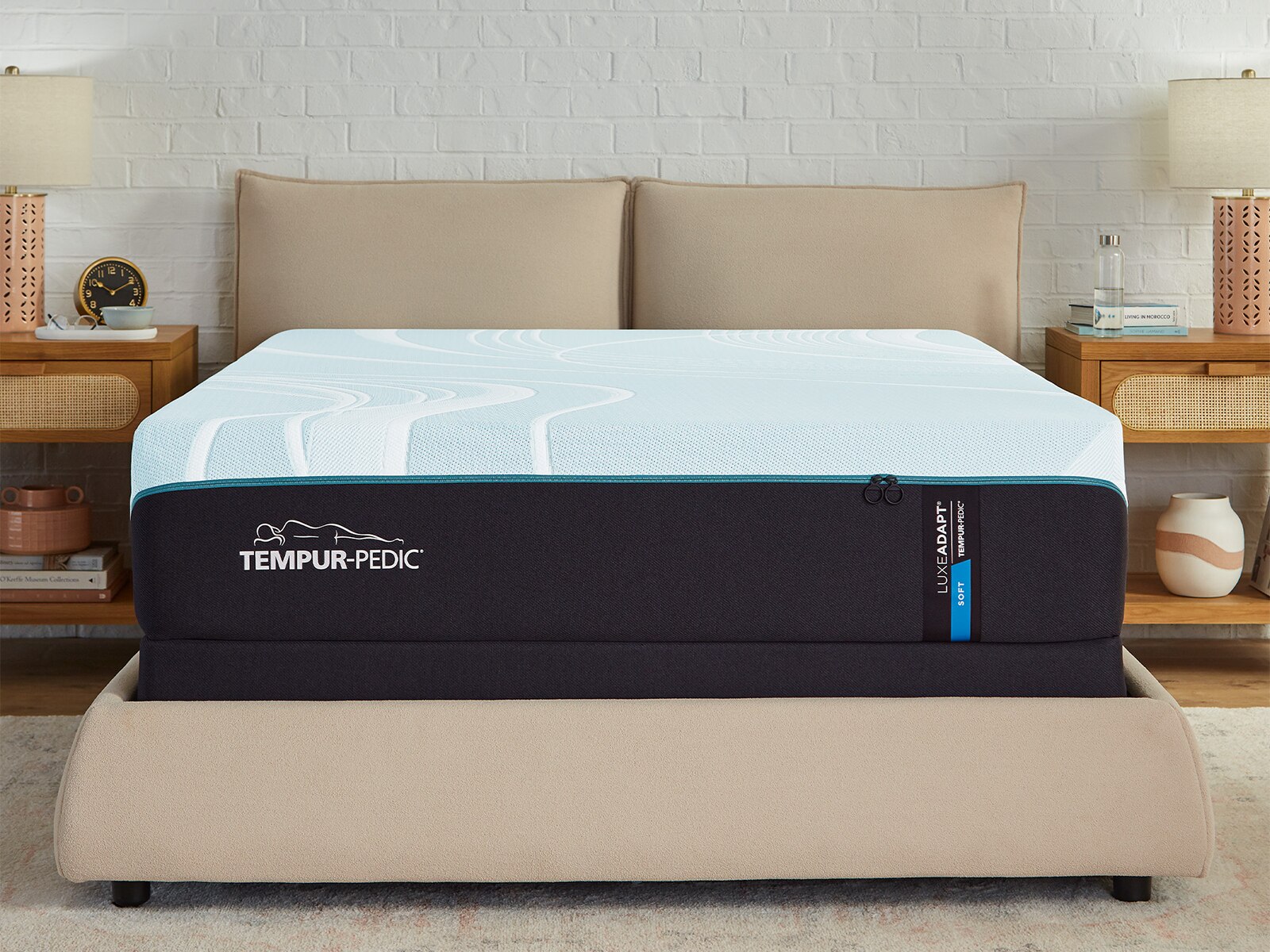
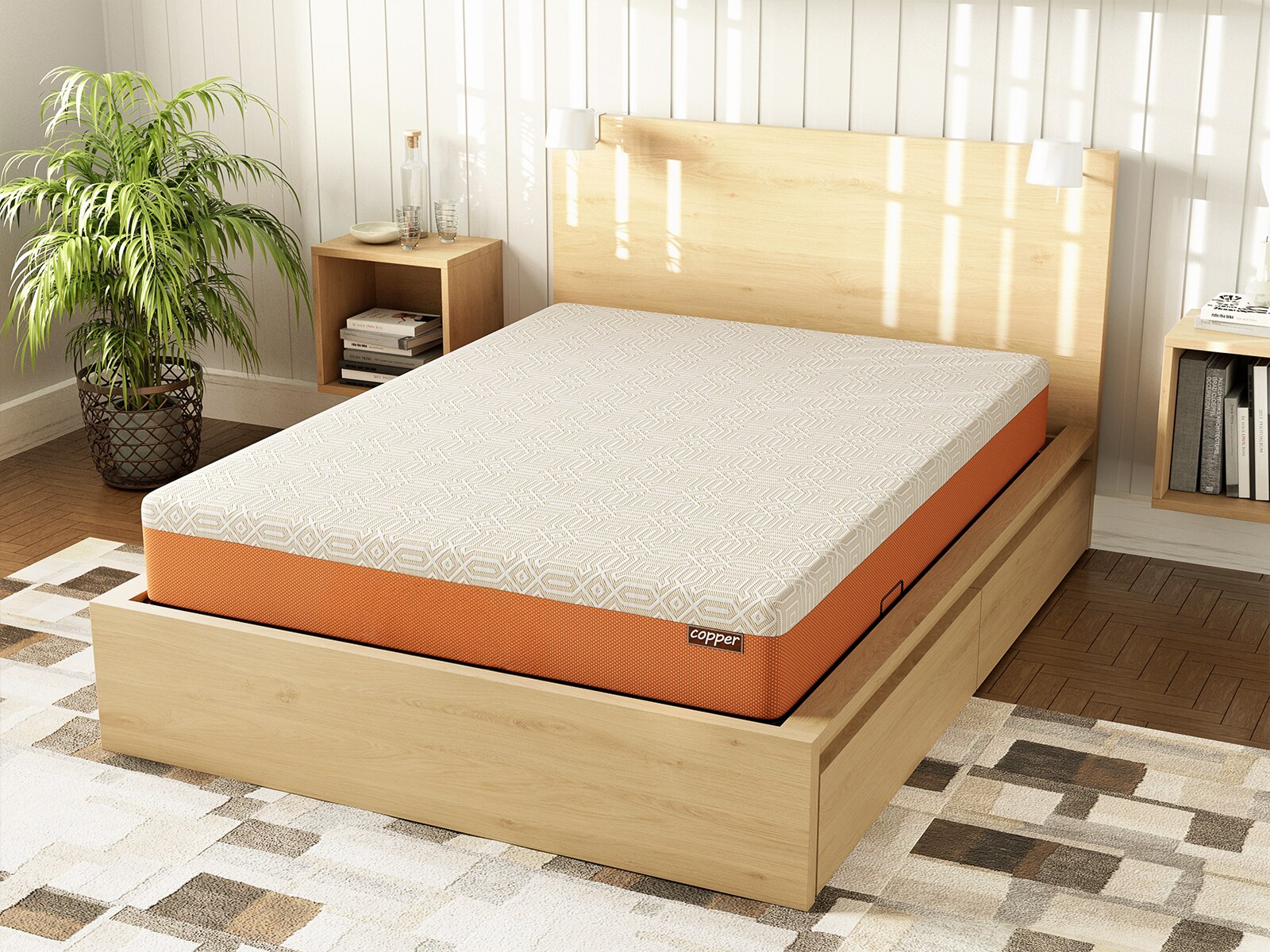
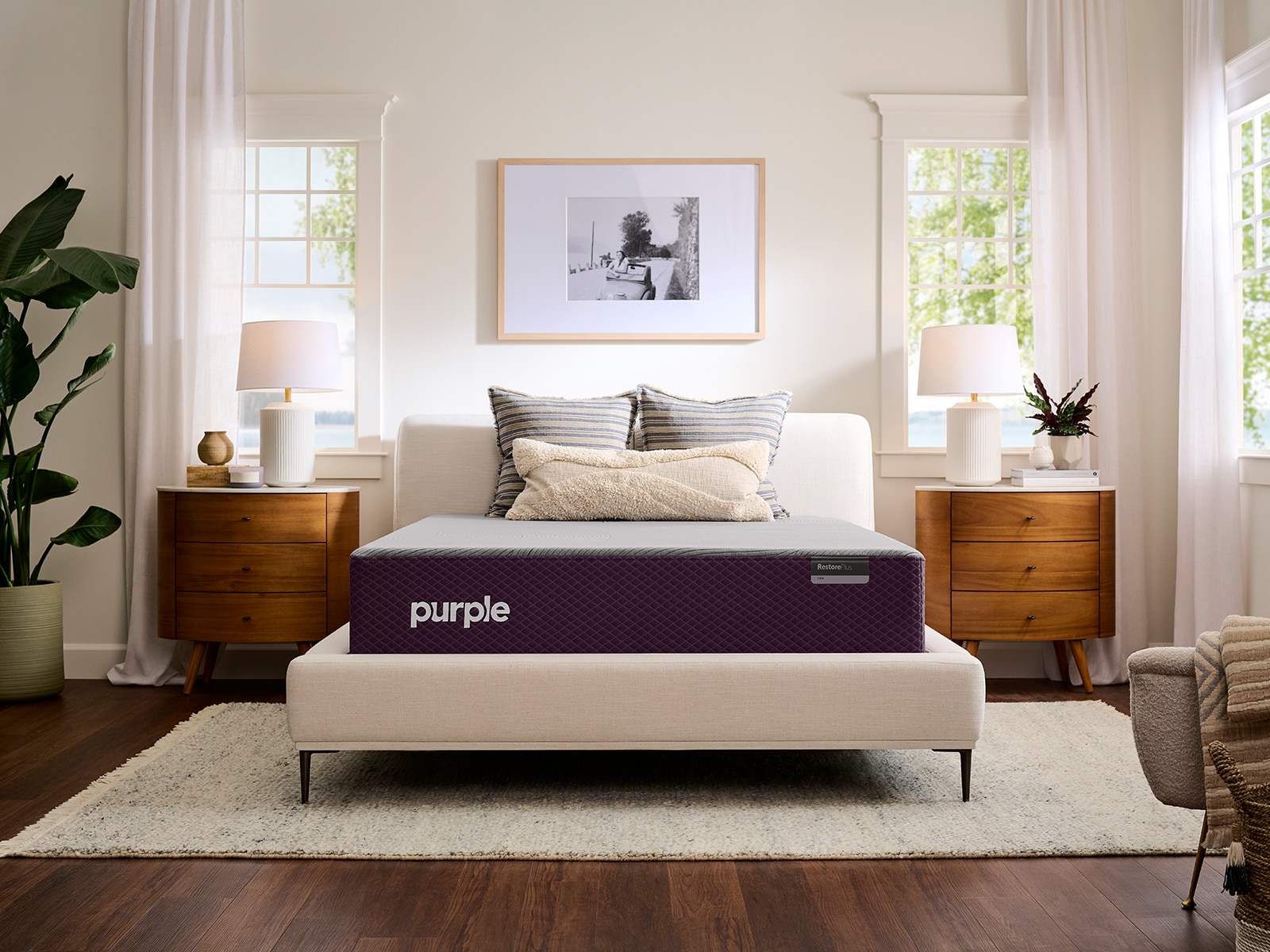
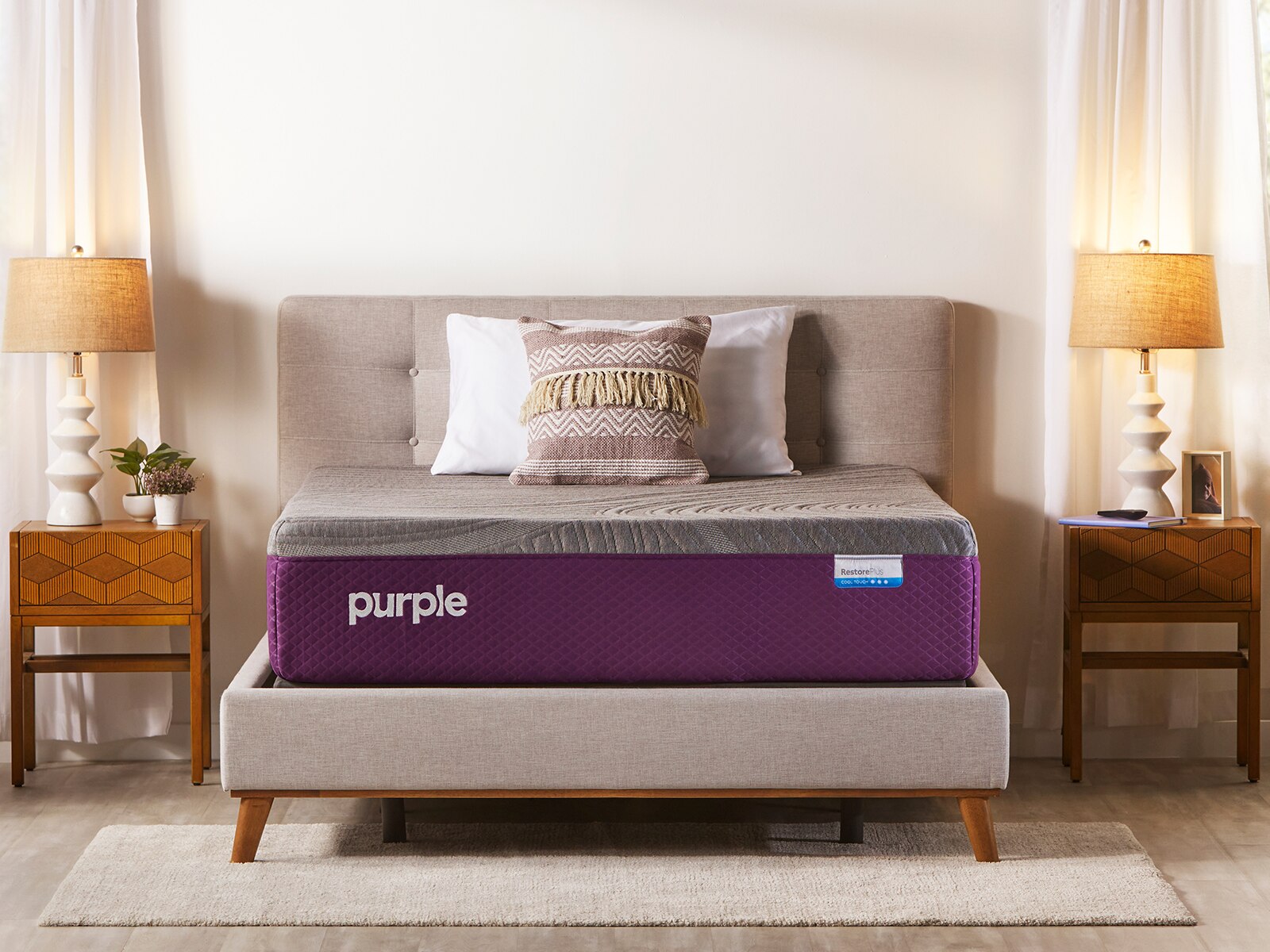
Premium hybrid mattresses for hot sleepers pair a supportive coil core with cushioning layers and may include breathable covers, ventilated foam or temperature-regulating materials to help limit heat buildup. The goal is a sleep surface that cushions pressure points without surrounding the body in more warmth than feels comfortable. Unlike an all-foam construction, a hybrid has open space within its spring system that can support air movement, although the layers above those springs also influence how warm the mattress feels. Individually wrapped coils respond to pressure across the bed, while memory foam, latex or other comfort materials shape the surface feel. Memory foam offers a close, gradual contour; latex generally feels more buoyant and responds more quickly when a sleeper changes position. For someone who wakes with a warm patch beneath the shoulders or hips, the depth of that contour can matter as much as the cover fabric. A breathable knit cover can allow moisture vapor to move through the surface, while moisture-wicking fibers help move perspiration away from the skin. Perforated foam creates pathways through otherwise solid cushioning, and some constructions incorporate gel or other materials intended to influence heat transfer. Phase-change materials can temporarily absorb heat as they transition between physical states, helping moderate the surface temperature within their operating range. These features serve different purposes: a cover that feels cool at first touch does not necessarily provide the same experience as a construction designed for sustained airflow. No mattress can guarantee a particular sleeping temperature, and cooling performance depends on the full combination of materials, bedding and bedroom conditions. For that reason, premium construction is best understood through its specific features rather than a cooling label alone. A well-matched hybrid balances breathable comfort, pressure relief and support, giving warm sleepers a cushioned place to settle without requiring an excessively deep, enveloping feel.
Finding that balance starts with sleeping position and the amount of cushioning that feels comfortable under the body. Side sleepers often benefit from enough surface give to accommodate the shoulders and hips, especially when those areas otherwise feel compressed against a firm bed. Back sleepers generally need cushioning that follows the body's curves while keeping the pelvis supported. Stomach sleepers often prefer a firmer, less deeply contouring surface that helps prevent the midsection from sinking too far. These are starting points, not fixed rules: body weight, proportions and personal preference all change how the same mattress feels. A lighter sleeper may barely compress a comfort layer that feels much softer to someone with a heavier build. Firmness and support also describe different qualities. Firmness is the initial surface feel, while support concerns how well the mattress holds the body as weight settles into it. A plush hybrid can still provide substantial underlying support, and a firm surface is not automatically the best choice for a hot sleeper. Zoned constructions vary support across sections of the mattress, sometimes providing a sturdier feel beneath the hips with more give around the shoulders. Their usefulness depends on how those zones line up with the sleeper's body. For someone who shifts between side and back sleeping, responsive cushioning can make turning feel easier than a deeply conforming surface. Couples may also appreciate individually wrapped coils and cushioning that help reduce movement transfer, though no shared mattress eliminates every disturbance. Edge support matters when sitting to put on socks or sleeping near the perimeter, and a stable edge can make more of the surface feel usable. Mattress size deserves equal attention: enough room for each person to change position can reduce the need to sleep pressed together. When assessing premium hybrid mattresses for hot sleepers, consider how these comfort and support features work alongside the cooling materials rather than treating temperature regulation as a separate benefit.
The bedding around a hybrid mattress can either complement its breathable design or create an extra barrier above it. A thick, tightly woven topper or heavily padded protector may change the surface feel and limit the benefit of the materials underneath. Breathable sheets and a relatively lightweight protector can help preserve the intended feel, although fabric construction, thickness and fit matter along with fiber type. Cotton and linen are common choices for sleepers who prefer an airy, less enveloping bed. Sheets should fit the mattress depth without pulling tightly across the top, particularly on a taller hybrid with substantial comfort layers. A protector remains useful for guarding against spills and everyday moisture, but its care instructions and effect on airflow deserve attention. Under the mattress, a compatible foundation or platform provides consistent support; slat spacing, center support and adjustable-base compatibility should follow the mattress manufacturer's requirements. These details influence both everyday comfort and how well the construction holds up over time. Durability depends on the quality and arrangement of the foams, springs, cover and edge structure, not simply the mattress height or the number of coils. Some surface softening can occur with use, but persistent sagging or a noticeable loss of support deserves a closer look. Rotate the mattress only as directed, and do not flip a one-sided construction unless the manufacturer specifically allows it. Keep liquids from soaking into the layers, spot-clean according to the care label and let damp areas dry fully before replacing bedding. For a shared primary bedroom or a regularly used guest room, these practical considerations help preserve a comfortable, welcoming sleep surface. Explore the related
Fall Mattresses For Hot Sleepers collection with the same priorities in mind: breathable materials, cushioning suited to the sleeper and dependable support beneath it. The most useful cooling features are those that complement the way someone actually sleeps, from the first comfortable stretch across the bed to the last position change before morning.