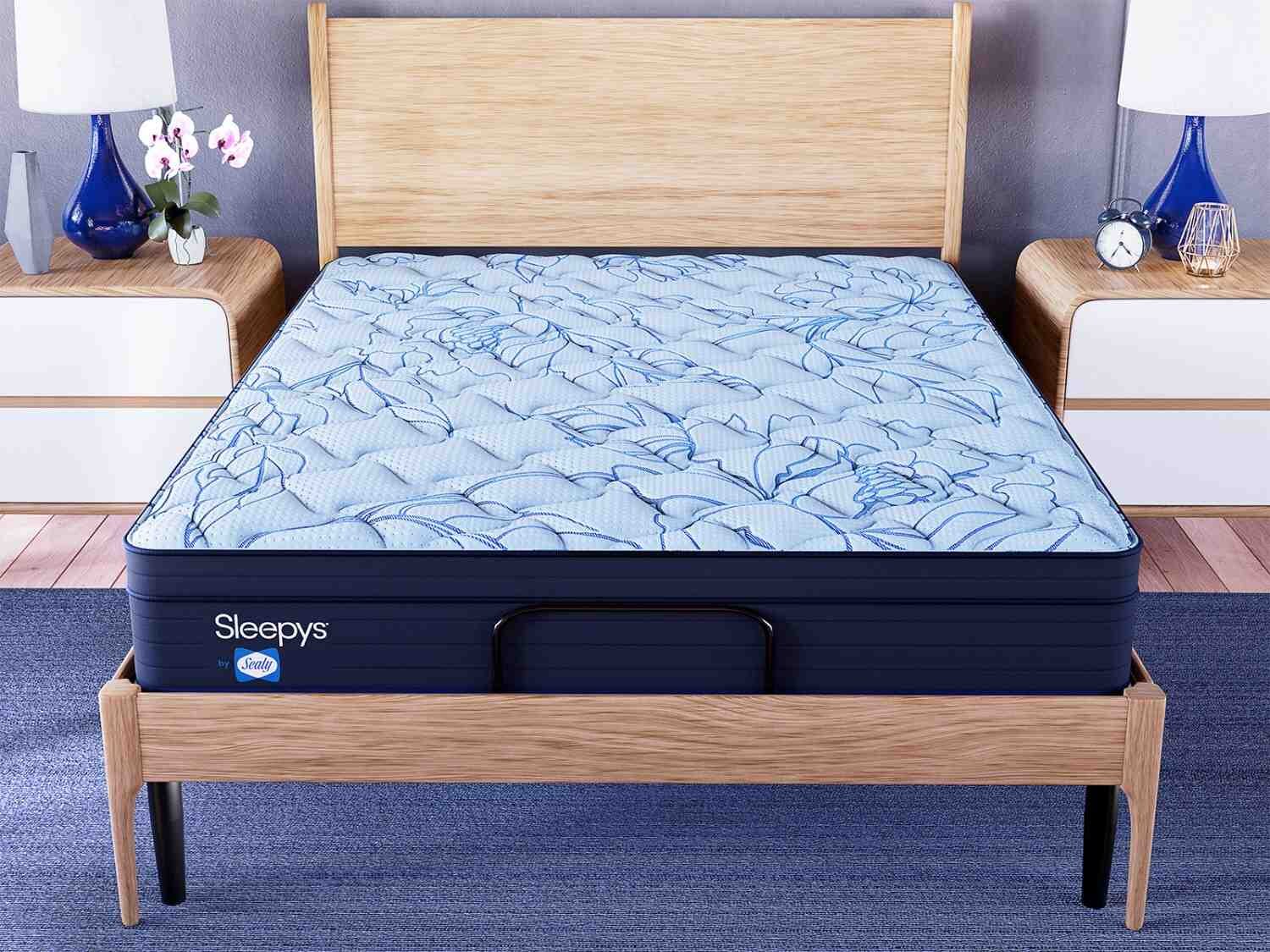
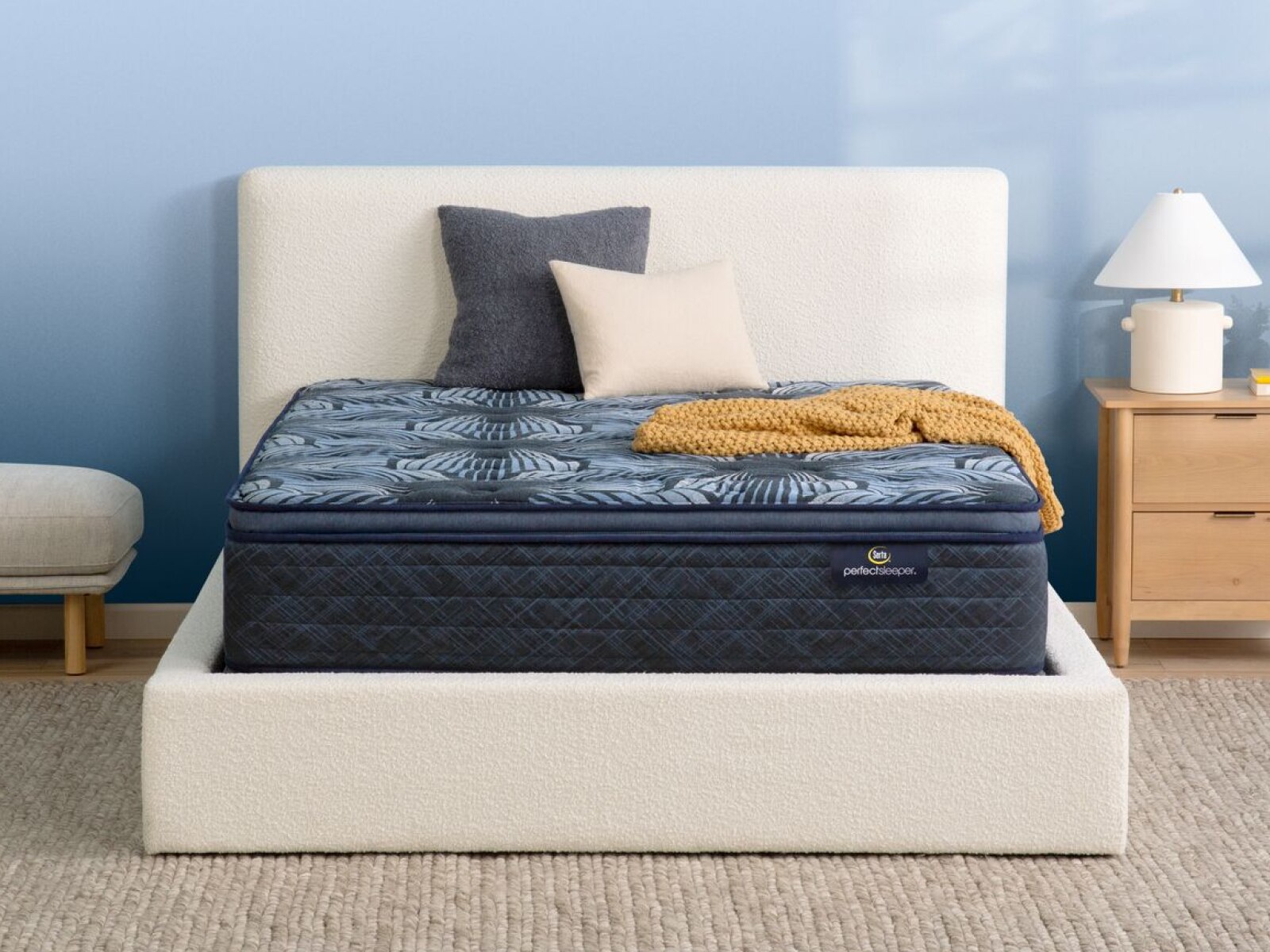
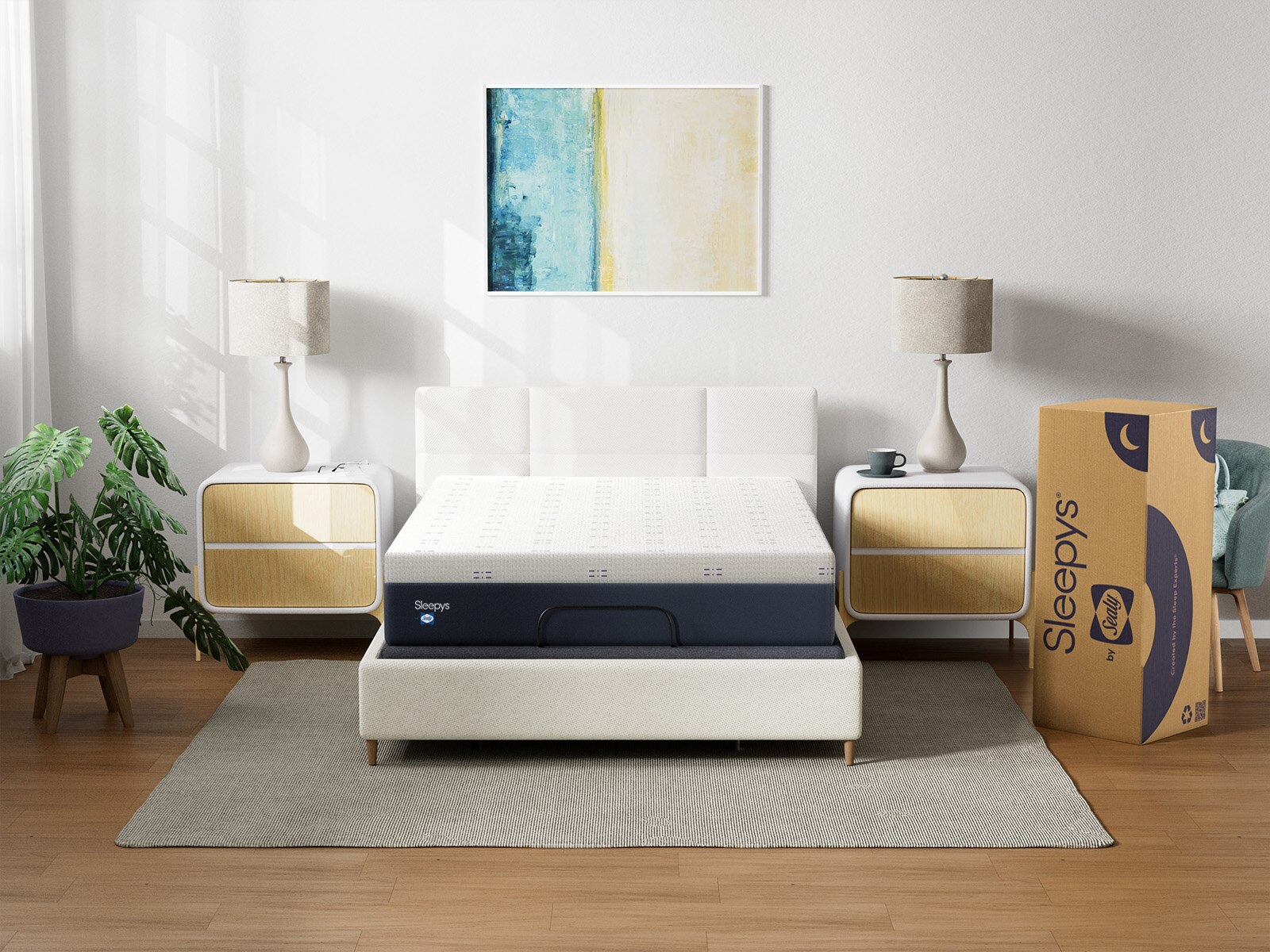
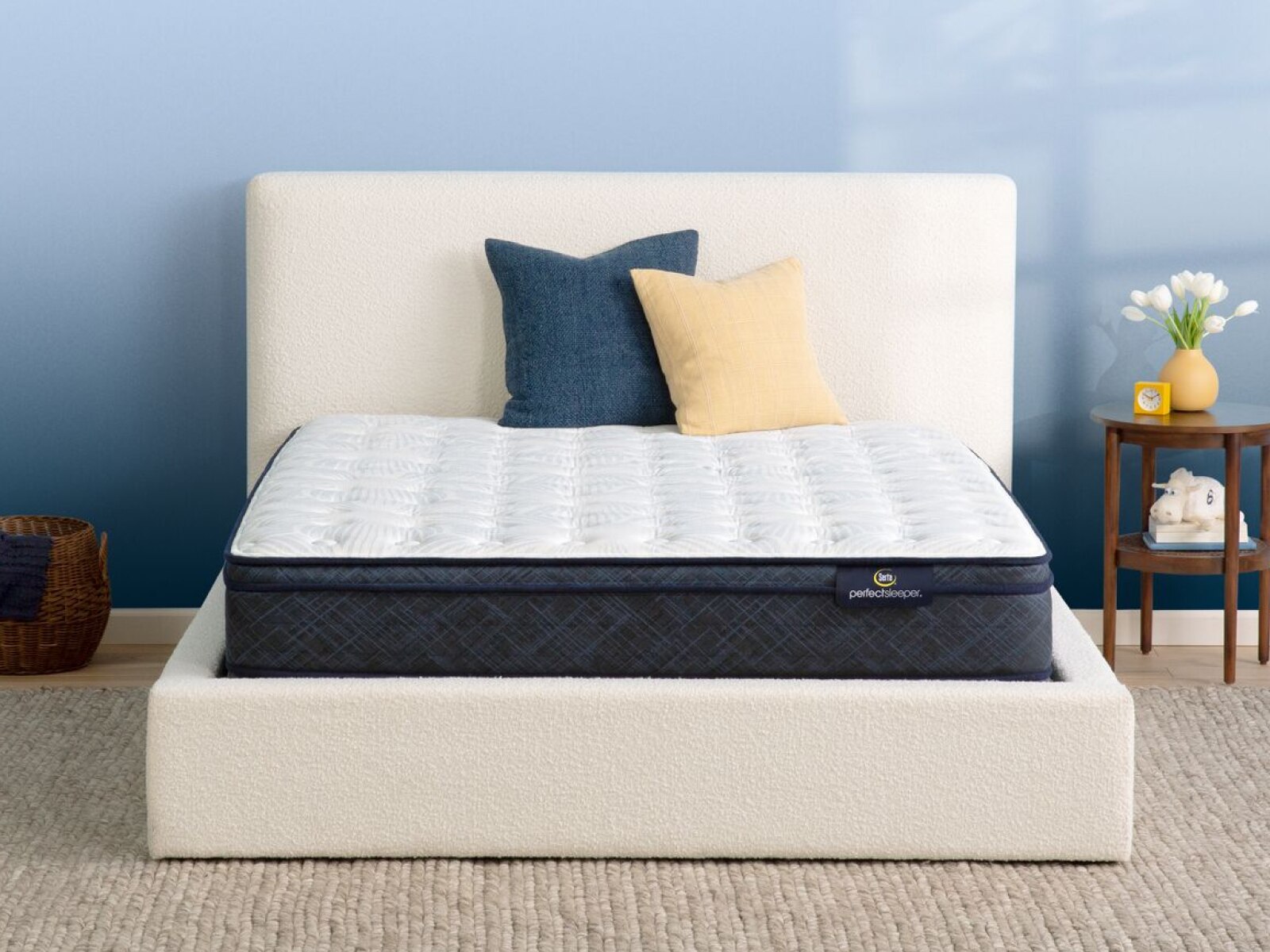
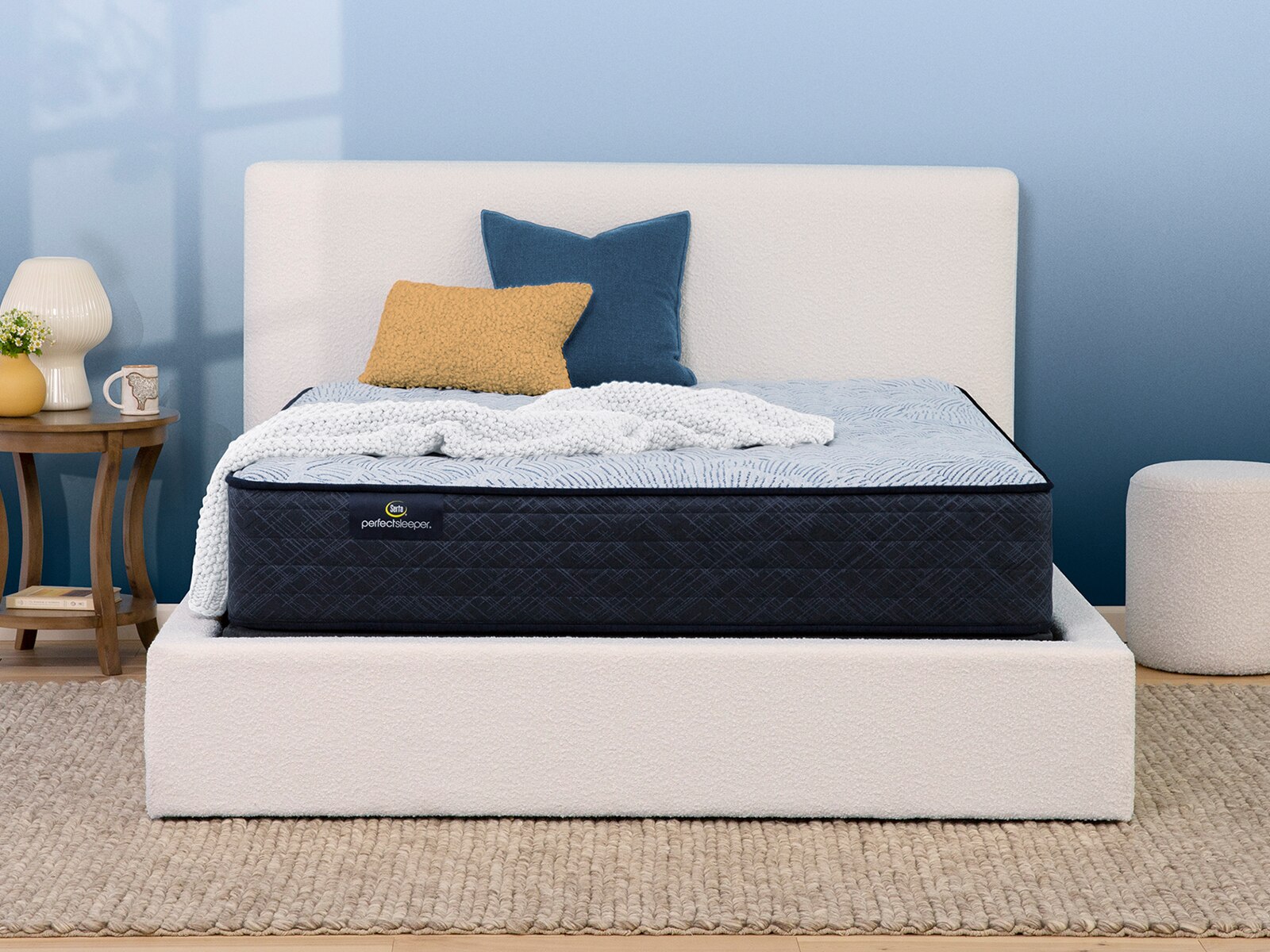
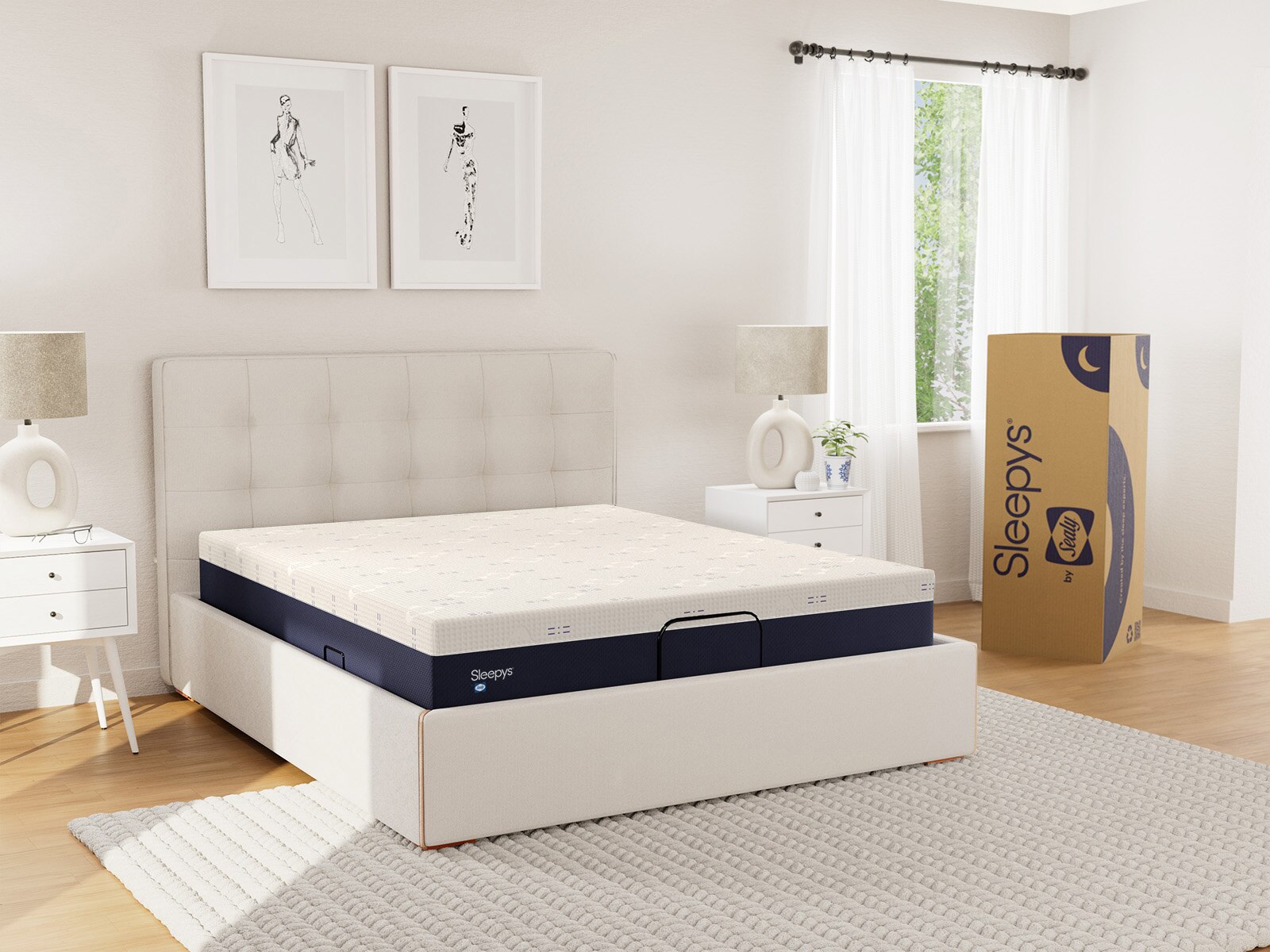
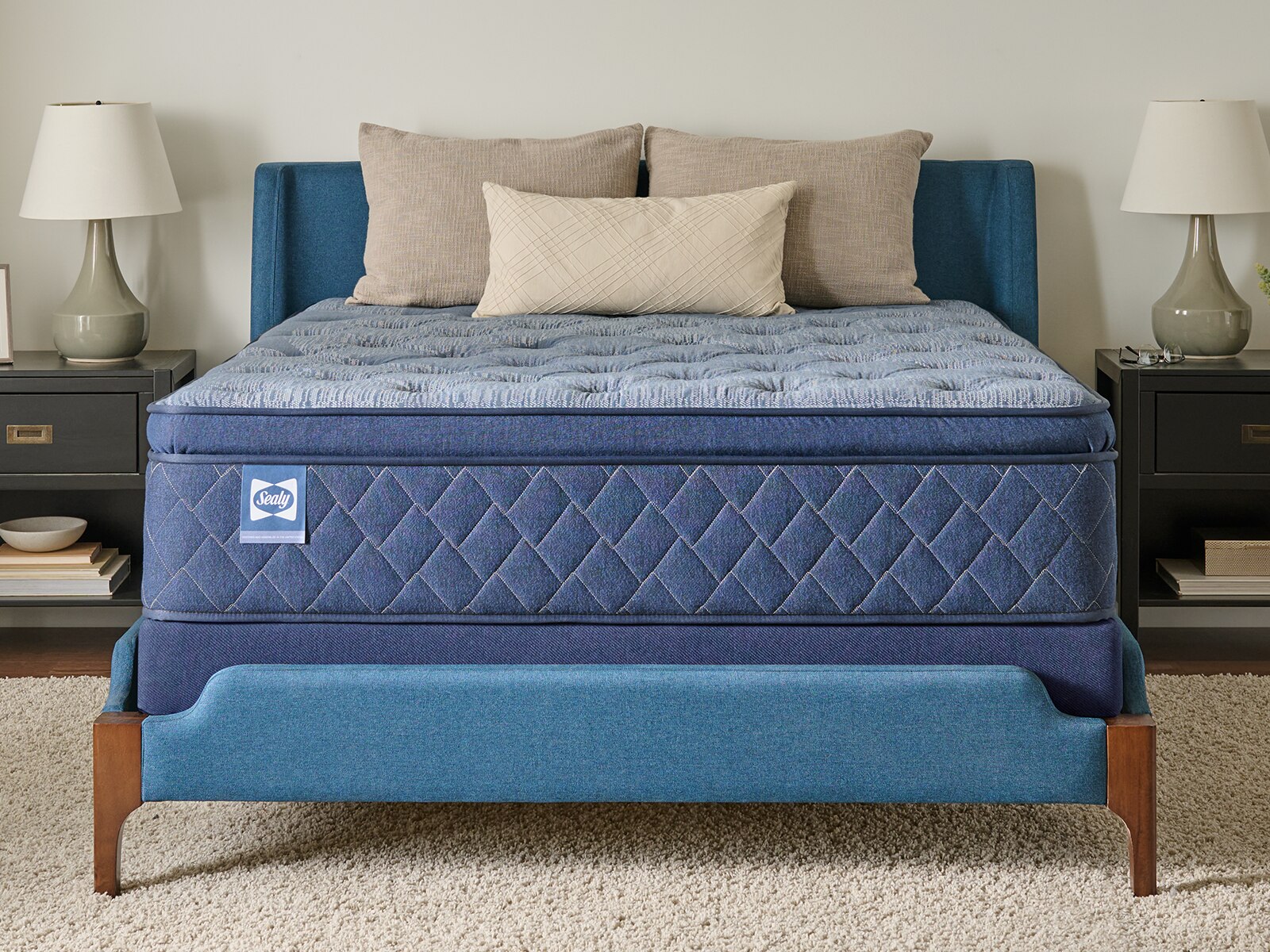
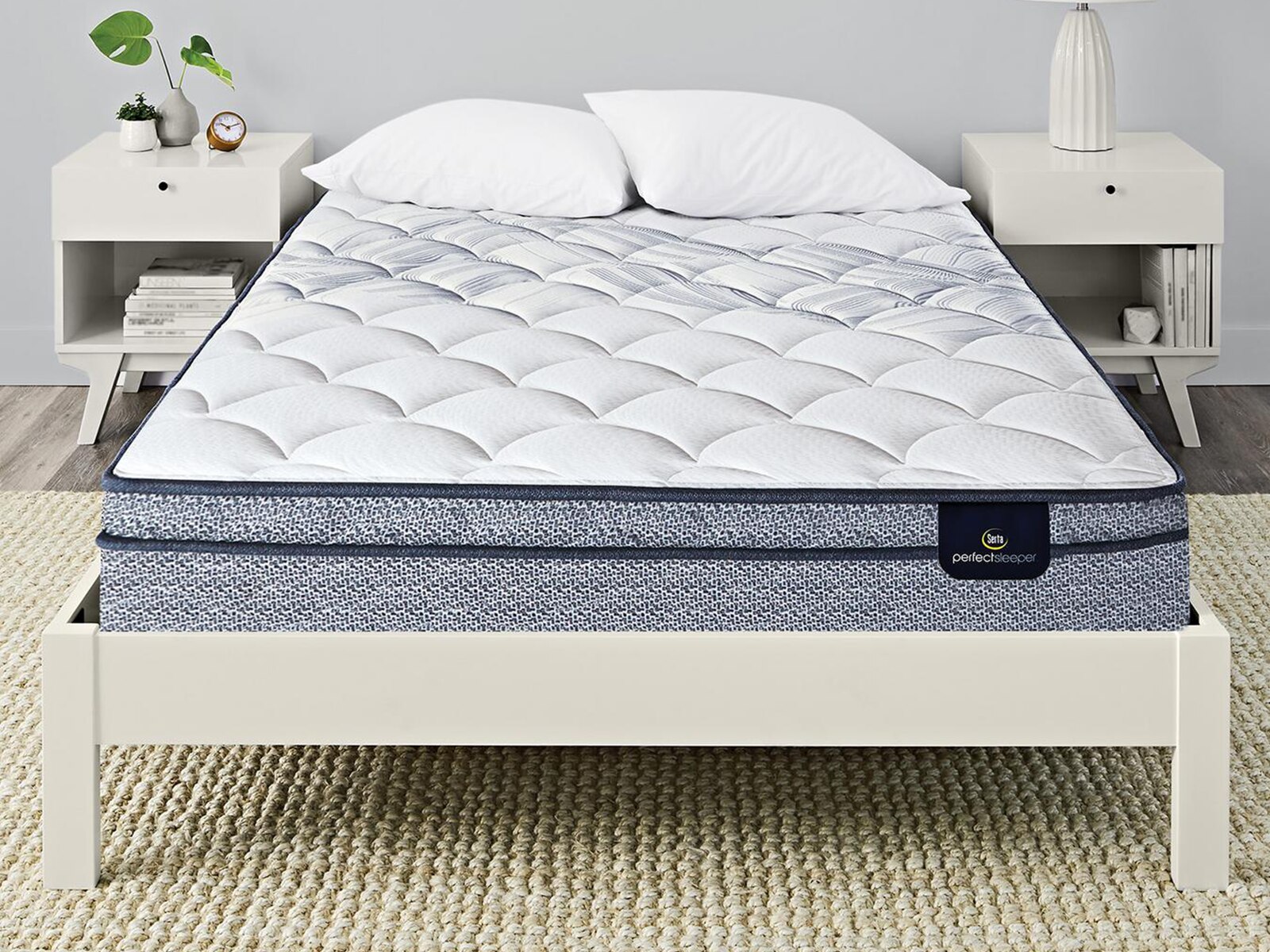
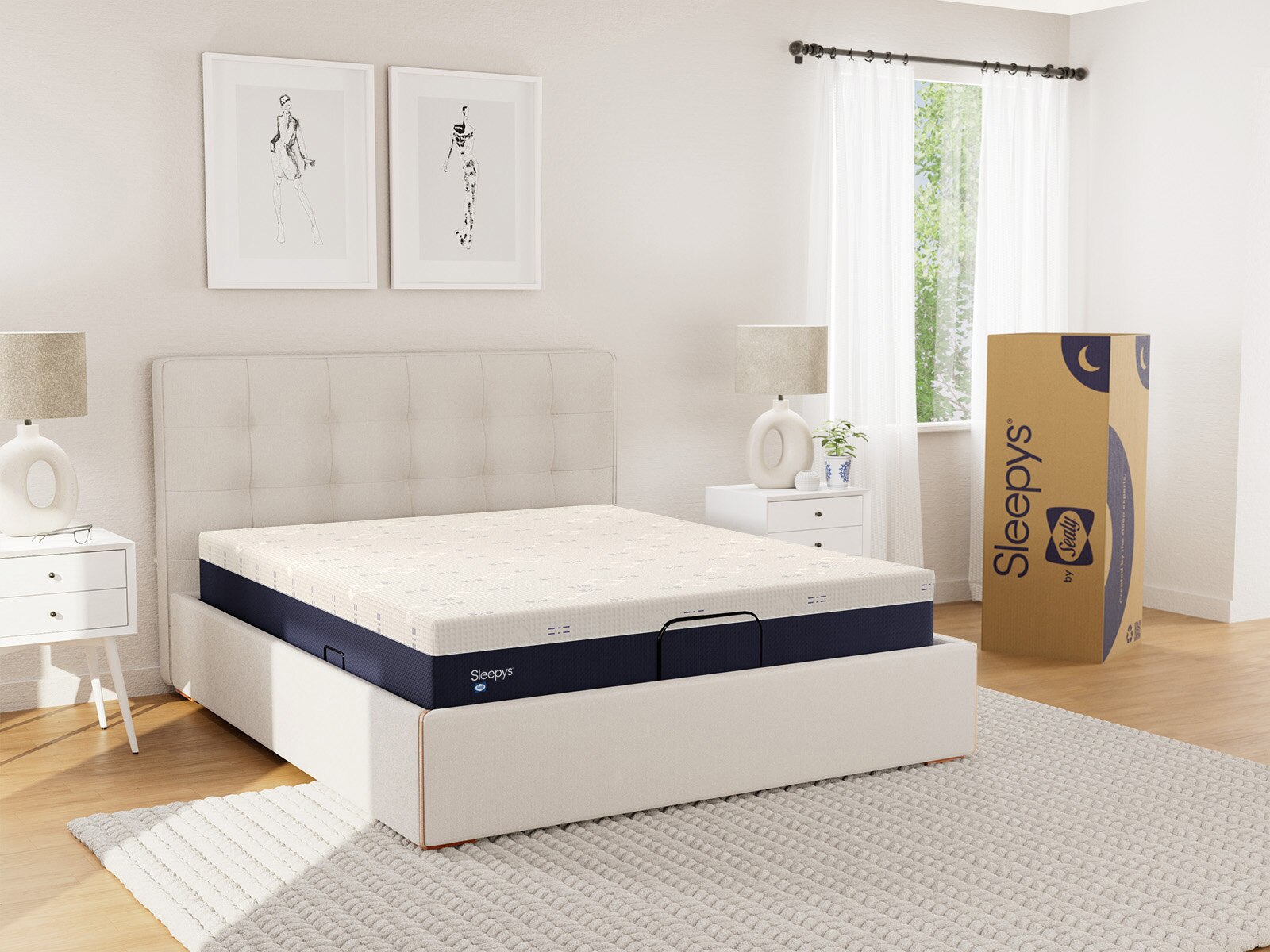
Mattresses for hot sleepers with coils are designed to combine responsive support with a more open, breathable interior. In an innerspring or hybrid mattress, the coil layer creates channels where air can move more freely than it typically does through a solid block of foam. As you change positions during the night, that internal space can help warm air move away from the sleep surface, while the mattress responds beneath your shoulders, hips and lower back. Pocketed coils, also called individually wrapped coils, are especially useful for couples because each spring can flex more independently, helping limit motion transfer while maintaining airflow. Traditional interconnected coils can also provide a buoyant, supportive feel with plenty of ventilation. The comfort layers above the coils still matter, however. Dense, heat-retentive foam can reduce some of the cooling benefit of an airy support core, while breathable foam, quilted fibers and thinner comfort layers may allow heat and moisture to dissipate more easily. When comparing mattresses for hot sleepers with coils, look for a cover made with breathable materials such as cotton, Tencel or cooling fibers, along with construction that does not surround the entire mattress in an overly dense layer. Some designs use phase-change material, which is engineered to absorb and release heat near the surface and may feel cool when you first lie down. Others use gel- or copper-infused foam to help conduct heat away from the body. These materials can support a cooler sensation, but no mattress can control every source of nighttime warmth. Bedroom temperature, pajamas, bedding, humidity and personal sleep habits all play a role. A coil mattress can be a strong choice for someone who tends to wake with a damp pillow, throws off the covers during the night or feels warmest around the torso and legs. It may also suit sleepers who prefer a little bounce when turning over, easier movement at the edge of the bed or a lifted, supportive feel rather than the deep hug of an all-foam mattress. For more ways to compare construction, materials and firmness, explore
Best Mattress for Hot SleepersThe right mattress depends on more than temperature, so consider sleeping position and preferred feel alongside cooling features. Side sleepers often need enough cushioning around the shoulders and hips to help reduce pressure, particularly when the coil system has a firmer, more supportive feel. A comfort layer with moderate contouring can provide that cushioning without creating the deeply enveloping sensation that some people associate with sleeping hot. Back sleepers may prefer a balanced surface that cushions the lower back while keeping the hips from sinking too far. Stomach sleepers commonly look for a firmer, more stable feel that helps support the midsection and keeps the body from curving excessively. Combination sleepers may appreciate responsive coils that make it easier to roll from one position to another without feeling stuck. Body weight also affects how a mattress feels. A lighter sleeper may experience a mattress as firmer because they do not compress the comfort layers as deeply, while a heavier sleeper may need stronger support and a more durable comfort system to maintain a level sleep surface. Rather than choosing based on a firmness label alone, compare the mattress materials, coil count or zoning information when provided, edge support and available trial terms. A reinforced perimeter can make the full surface more usable and may be helpful for sitting down or getting up, while zoned coils can offer targeted support in areas that carry more weight. Couples should also think about movement, each person’s preferred firmness and whether one partner sleeps warmer than the other. A mattress with breathable coils and a cooling cover may help create a more comfortable shared sleep environment, but separate preferences can still make a split setup or different bedding layers worth considering. If the mattress will be used in a guest room, a coil-based design can be a thoughtful choice because its responsive feel accommodates a wider range of sleeping positions and body types. It can also be a practical gift for someone moving into a first apartment, setting up a new home or replacing an older mattress that has begun to sag. A mattress is a personal purchase, so a gift recipient may appreciate a flexible exchange policy or the opportunity to test the feel at home.
Cooling performance continues beyond the mattress itself. A breathable foundation or compatible bed frame can preserve airflow beneath a coil system, while a solid surface may change how the mattress ventilates and feels. Check the care instructions and compatibility requirements before placing a mattress on slats, an adjustable base or an existing platform. Lightweight sheets made from cotton, linen or moisture-managing performance fibers can feel less clingy than heavy, tightly woven bedding, especially as the weather warms. A low-profile quilt or breathable blanket may provide comfort during warmer nights, then layer easily during cooler months. It also helps to leave enough space around the bed for air to circulate and to avoid covering a breathable mattress with a thick, nonporous protector that may hold in heat. Mattress protectors are still important for guarding against spills, perspiration and everyday wear, so look for one with a breathable waterproof membrane rather than skipping protection altogether. Keep in mind that a cool-to-the-touch cover may offer an immediate sensation that differs from a mattress’s longer-term temperature regulation. Materials that absorb heat, airflow through the coil core and moisture management work together over the course of the night, and individual results vary. When reviewing mattresses for hot sleepers with coils, focus on the complete sleep system: the coil design, comfort layers, cover, foundation, bedding and room conditions. A supportive mattress that lets air move through its interior, cushions the body without excessive sink and matches the sleeper’s position can make bedtime feel fresher and less interrupted, whether the room is holding onto late-summer warmth or the cooler season calls for an extra layer.