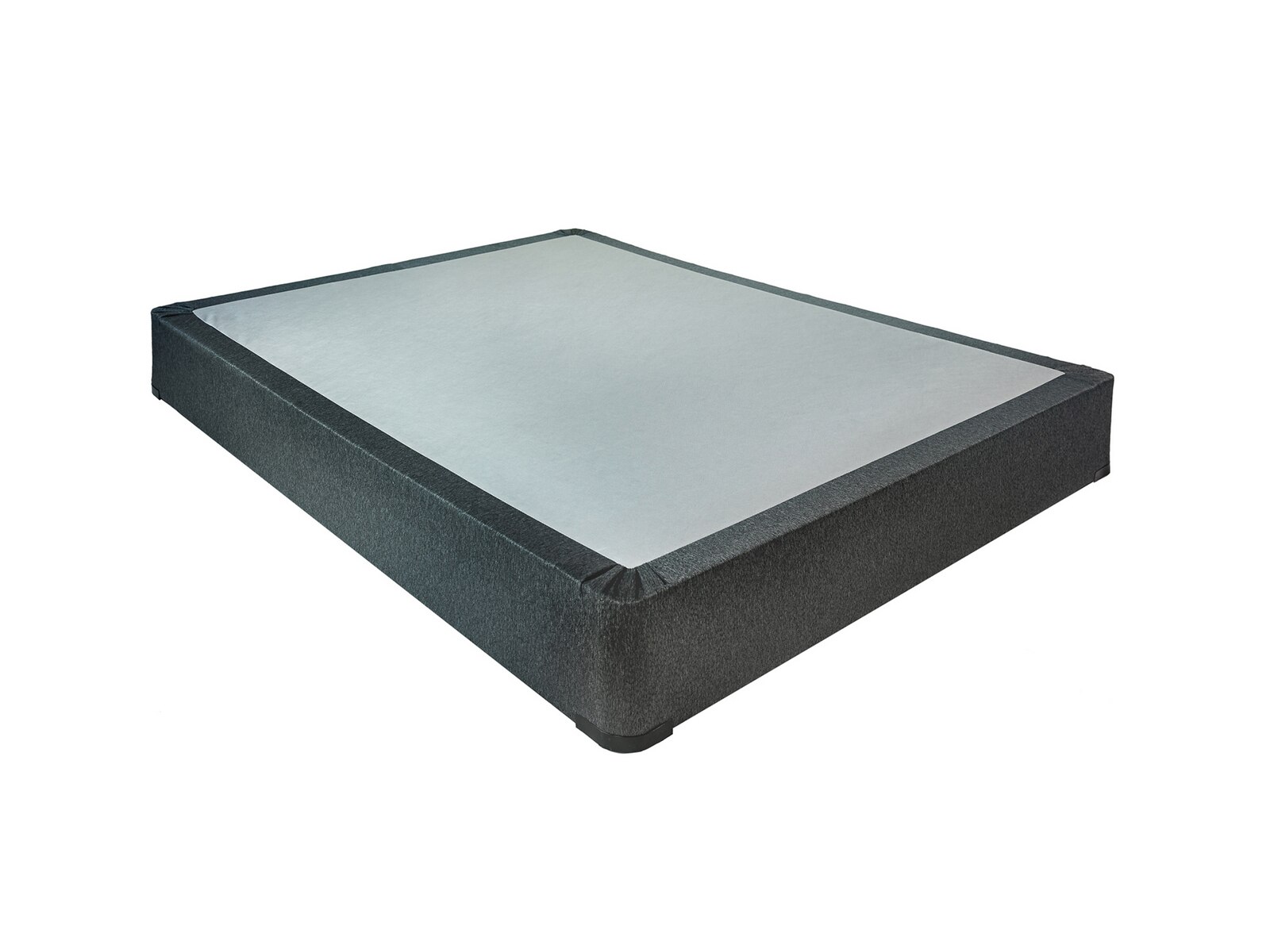
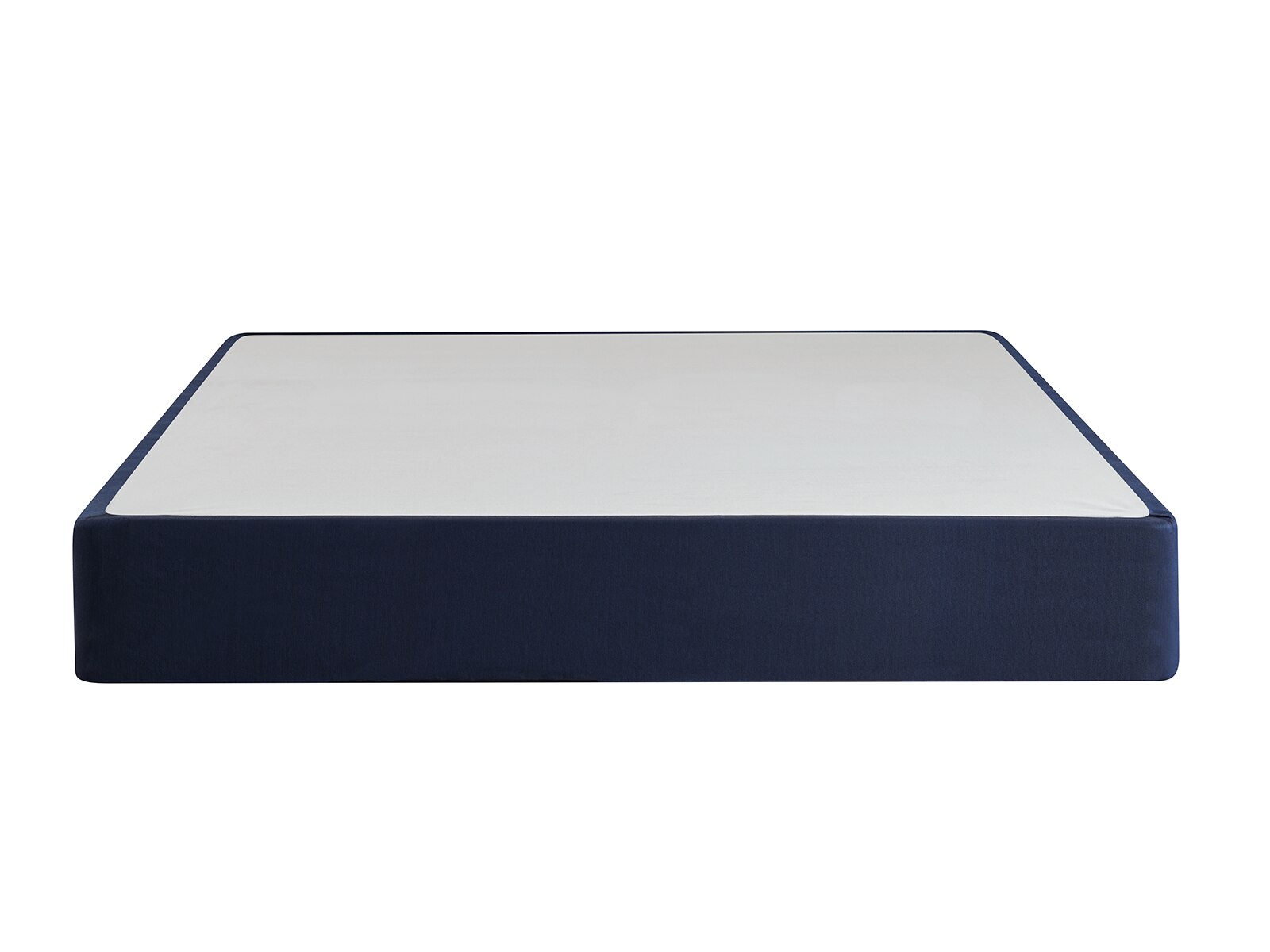
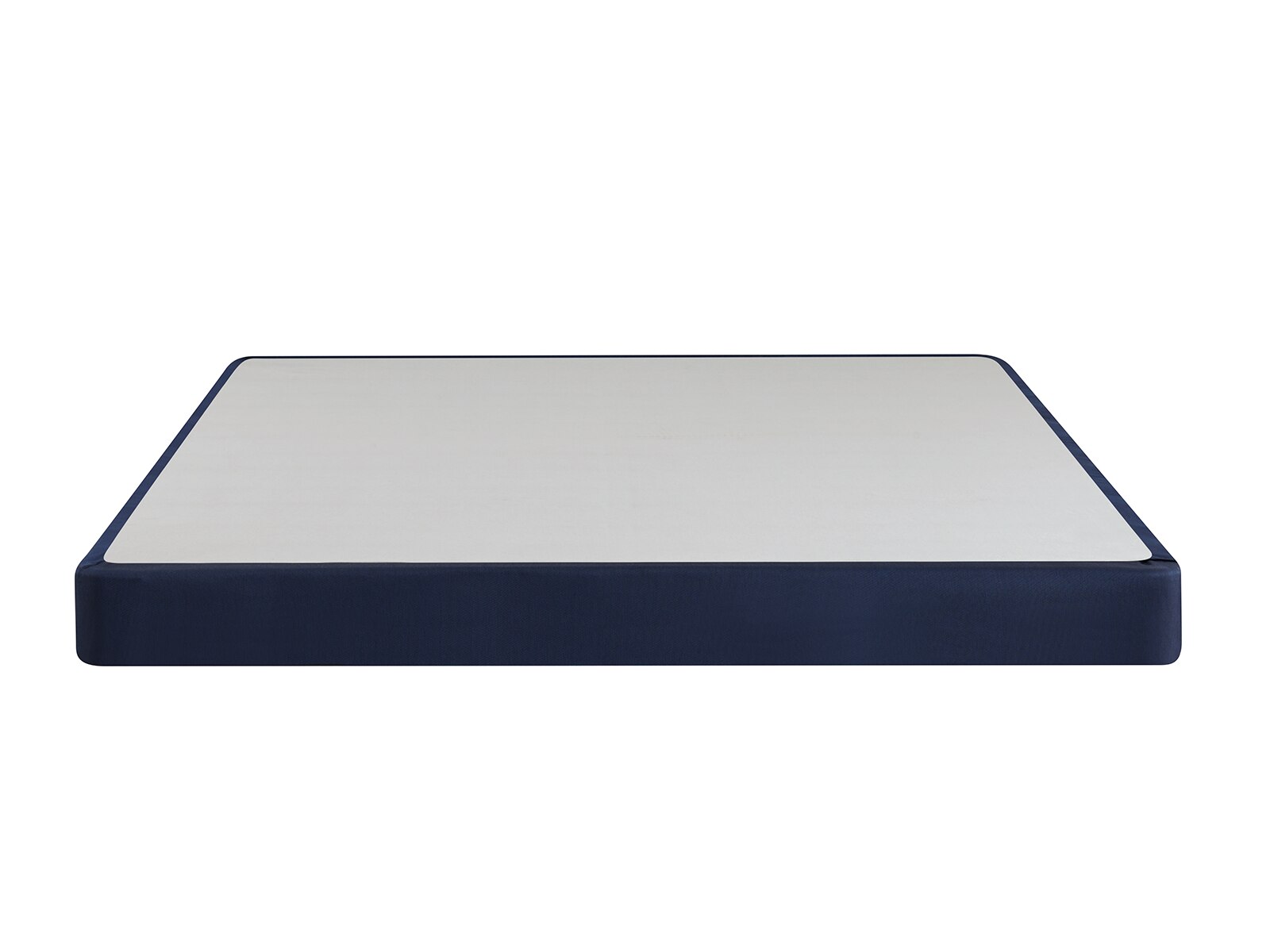
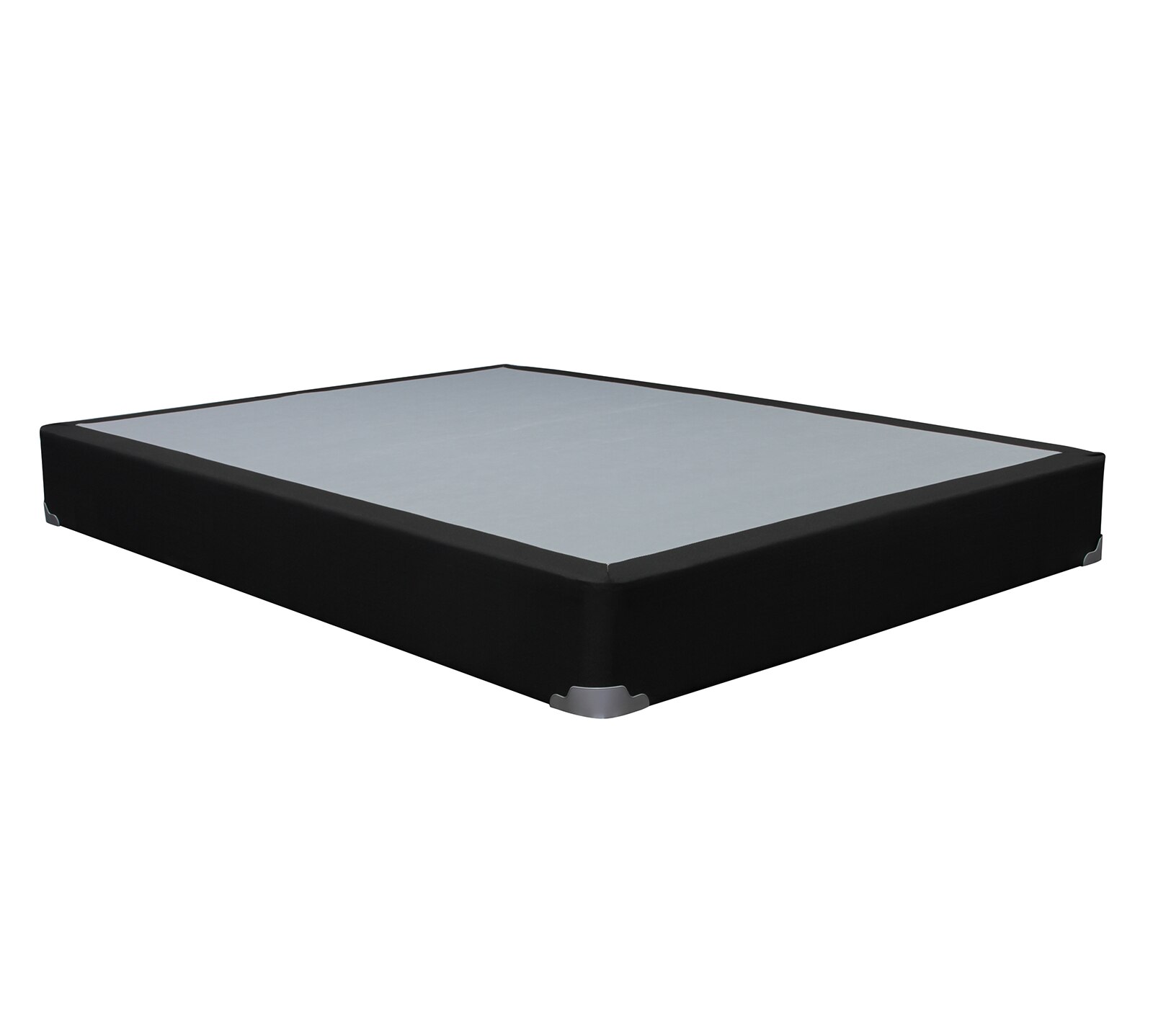
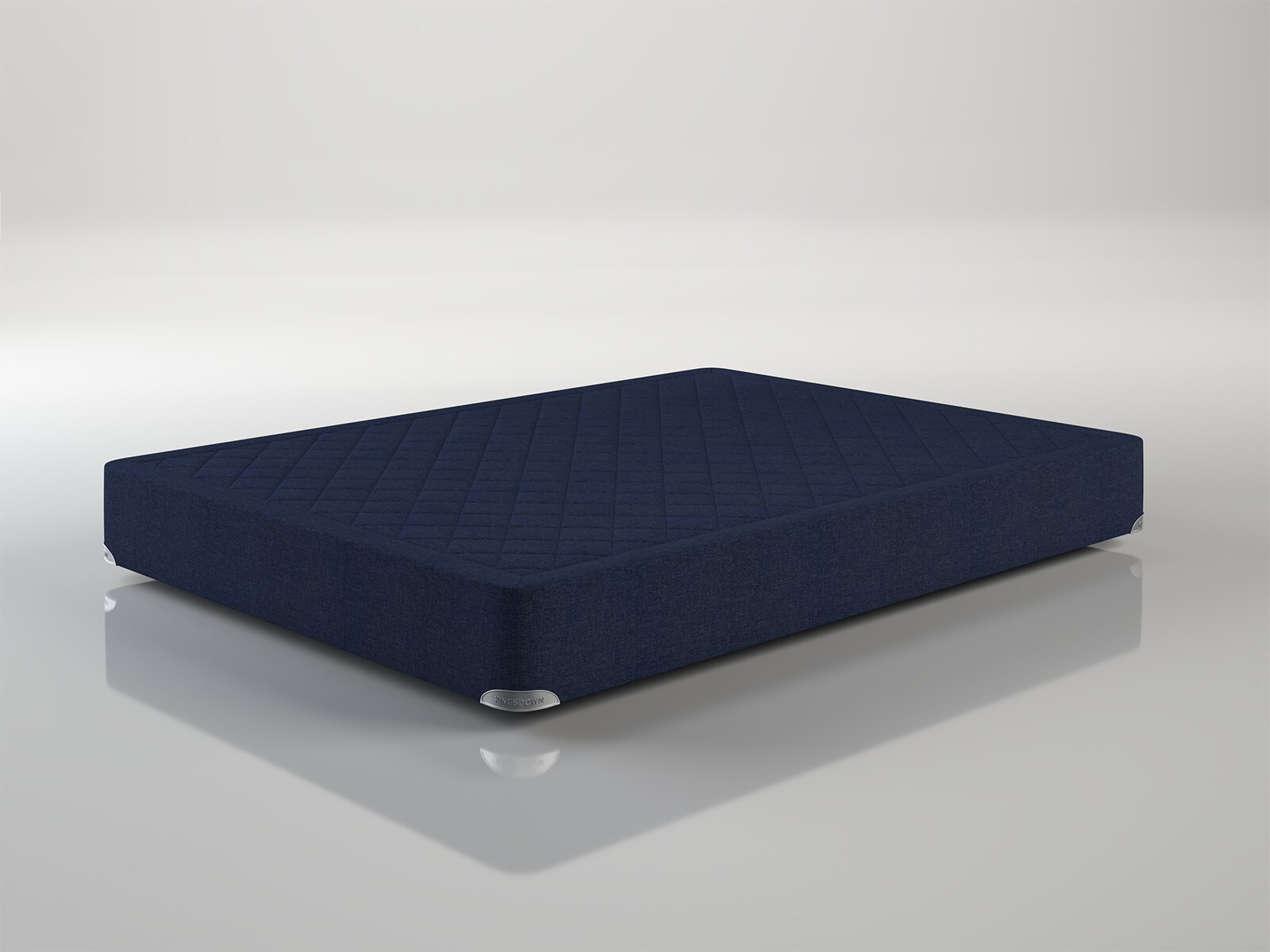
Premium sleep foundations provide the supportive structure beneath a mattress, helping it rest evenly and perform as intended. Their role is different from that of a comfort layer: rather than adding softness, a foundation establishes a stable surface that supports the mattress and the people sleeping on it. That distinction matters when a mattress feels uneven, sits too low or rests on a base that was designed for a different construction. A well-matched foundation can help limit unnecessary flexing and protect against uneven wear, although it cannot restore a mattress that has already developed permanent sagging. Premium construction may include sturdy wood framing, reinforced steel components, securely fitted slats or neatly tailored upholstery. The most useful details are often the least visible, such as sound connections, adequate center support and a surface designed to distribute weight consistently. Wood offers a familiar furniture-like character, while metal can provide a streamlined structure with relatively slender components. Upholstery adds a finished appearance around the edges, but the frame beneath the fabric does the supporting work. Slatted designs leave open spaces beneath the mattress, while solid surfaces provide more continuous contact; either approach needs to meet the mattress manufacturer’s support and ventilation requirements. Foam, latex, hybrid and innerspring mattresses do not necessarily share the same foundation specifications, so compatibility matters more than appearance alone. Slat spacing, slat width and the need for additional support should follow the requirements for the mattress being used. A traditional box spring, which contains springs, is also different from a rigid foundation and is not automatically an appropriate substitute. For a closer look at this category,
Solid Sleep Foundations offers another place to explore mattress support. Whether the bedroom is used every night or prepared for visiting family, the goal is the same: a dependable base that lets the mattress provide its intended balance of cushioning and support.
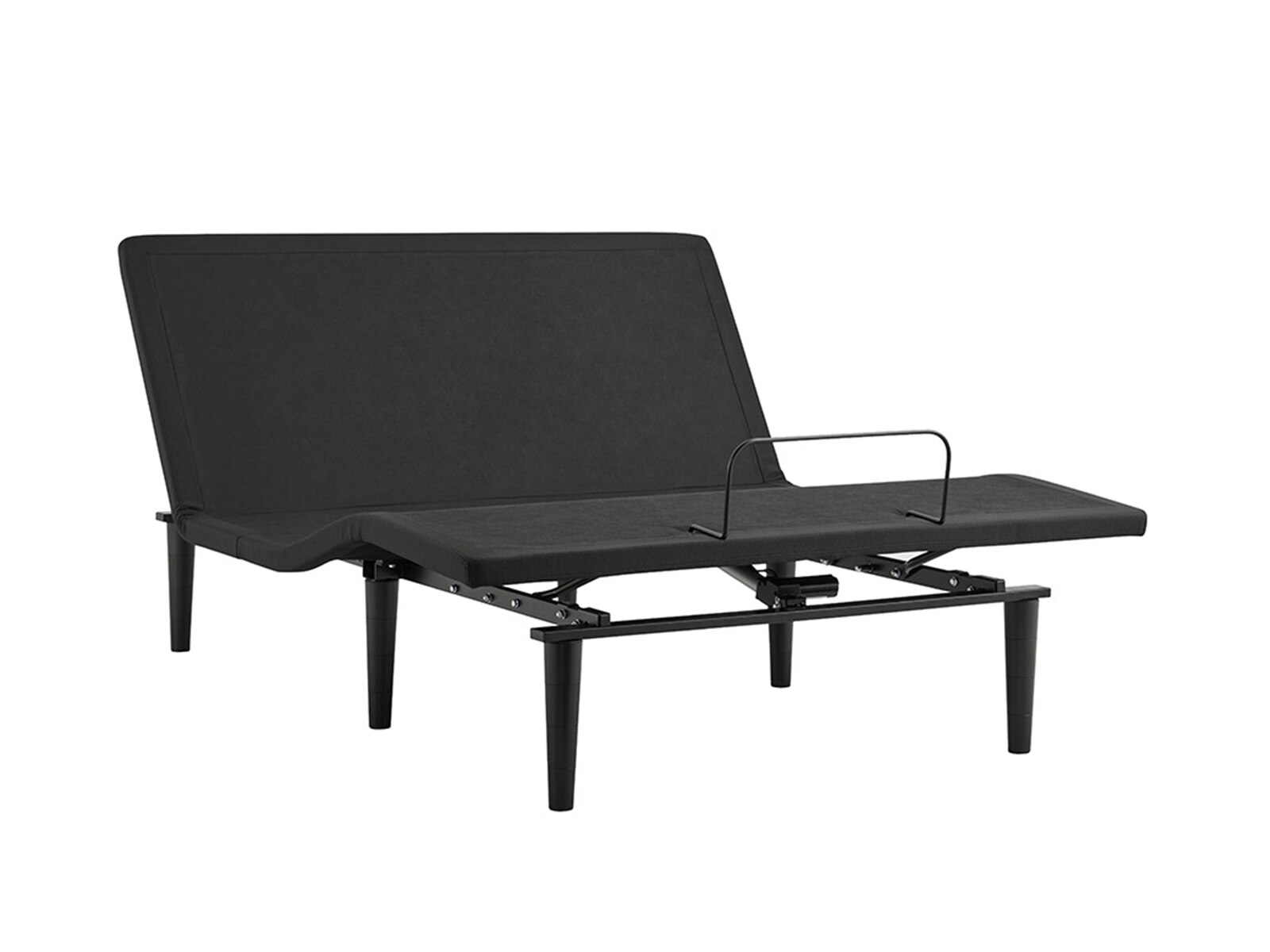
Fit involves more than matching the size printed on the mattress label. A foundation needs to work with the mattress dimensions, the surrounding bed frame and the room where everything will be assembled. Twin, Twin XL, queen, king and California King configurations have different proportions, and similar-looking sizes are not interchangeable. The foundation’s outside measurements, the frame’s interior opening and any required brackets or support rails all deserve attention. In a bedroom with a narrow doorway or a staircase that turns sharply, a split foundation or a design assembled in the room may be easier to move than a large, one-piece structure. Once installed, the combined height of the frame, foundation and mattress determines how the bed feels to approach and use. A lower-profile foundation can keep a thick mattress from sitting uncomfortably high, while a taller foundation may suit someone who prefers a higher sleeping surface. Sitting on the edge with feet resting comfortably on the floor provides a practical reference, though individual needs vary. Headboard placement, nightstand height and the clearance needed for drawers can also affect the fit. For anyone who reads in bed or prefers different resting positions, a power-adjustable base offers a different kind of support, with sections that raise or lower within the base’s designed range of motion. That movement requires a compatible mattress, sufficient clearance and access to an appropriate electrical outlet. Some adjustable bases can sit within a decorative bed frame, but fit and installation requirements vary. A stationary foundation, by contrast, keeps the mattress on a fixed plane and may suit a simpler bedroom setup. Neither approach is universally better. The right choice depends on how the bed is used, whether movement is wanted and how the entire sleep setup works together. An adjustable base should not be stacked on another foundation unless the manufacturer specifically permits that arrangement.
Durability begins with a foundation that is correctly assembled, properly supported and used within its stated limits. Weight-capacity information can be defined differently across designs, so it is important to confirm whether a stated limit includes the mattress, sleepers and bedding. On larger beds, center rails and support legs can be essential rather than optional accessories. Those components need to be positioned according to the assembly instructions, with any required contact against the floor maintained. A loose connection or an unsupported center section can allow movement even when the outer frame appears sturdy. For a shared bed, a stable structure is especially useful when one person gets up before the other, although motion transfer also depends on the mattress and the overall setup. Routine care is generally straightforward: inspect accessible connections as directed, keep the area beneath the bed clear and clean exposed surfaces using methods suited to their materials. Upholstered sides may benefit from gentle vacuuming with an appropriate attachment, while wood and metal should be cleaned according to their care instructions rather than saturated with moisture. Fabric coverings should not be removed unless they are designed to come off. When moving the bed, disassembling components as instructed is safer for the structure than dragging an assembled foundation across the room. Any new creaking, visible bending, broken slats or persistent wobbling deserves attention before continued use. A foundation may last through more than one mattress, but age alone does not establish whether it remains suitable; its condition and the next mattress’s requirements are what matter. For a main bedroom, a guest space or a household furnishing a new home, premium sleep foundations bring practical value through thoughtful construction and a reliable fit. The strongest choice is not necessarily the tallest, heaviest or most elaborate. It is the one that supports the intended mattress correctly, suits everyday routines and remains straightforward to care for over time.