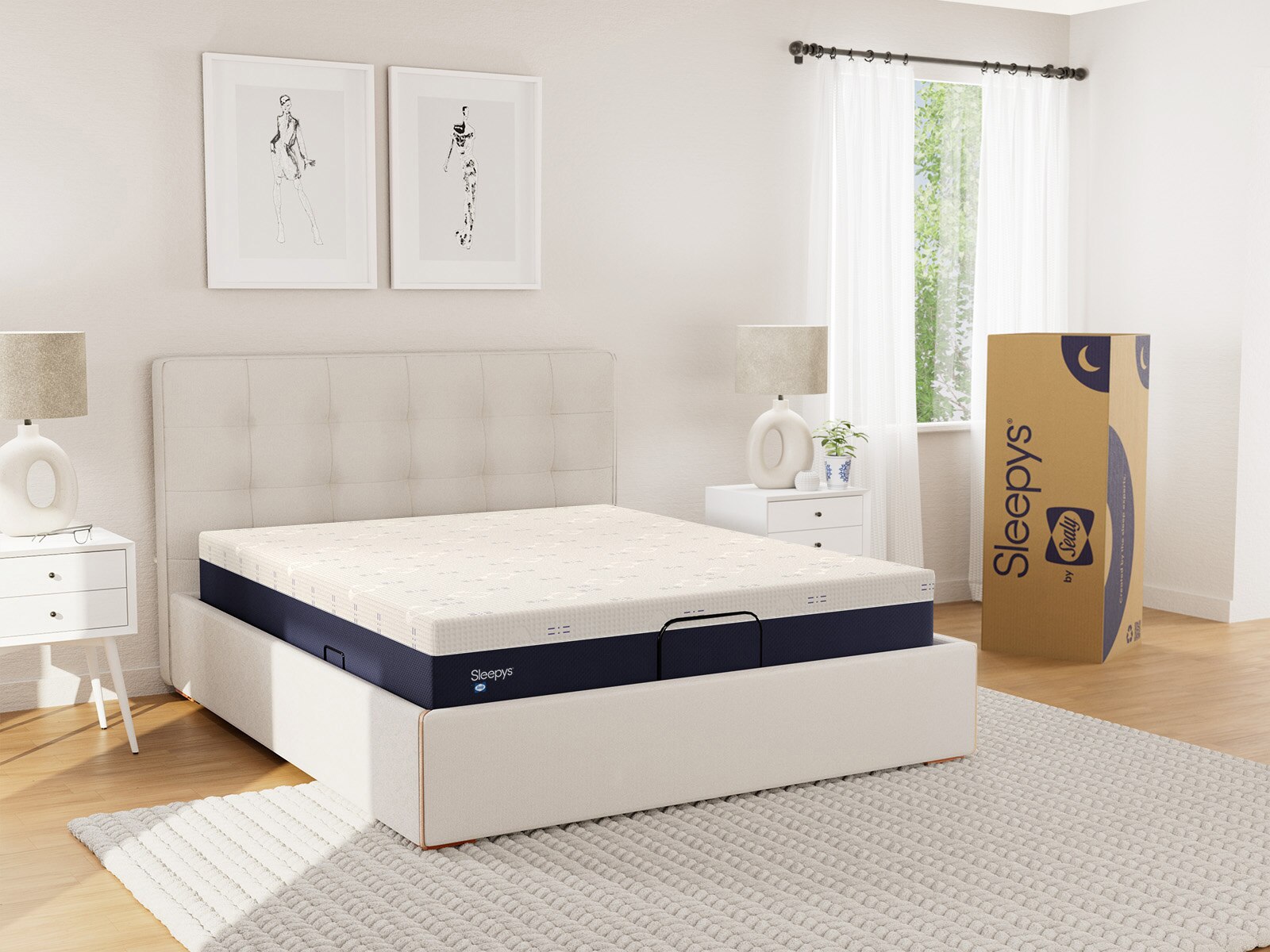
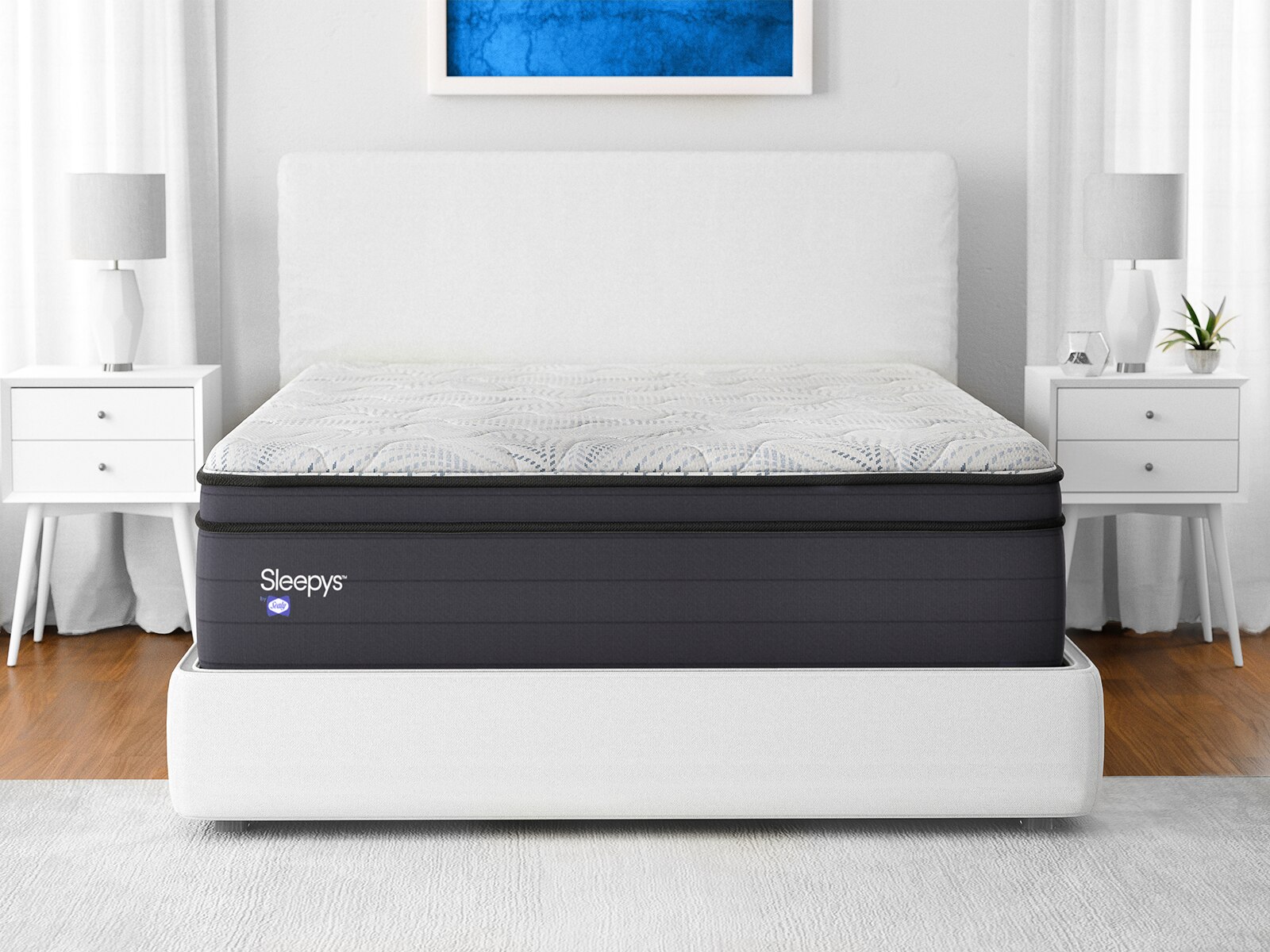
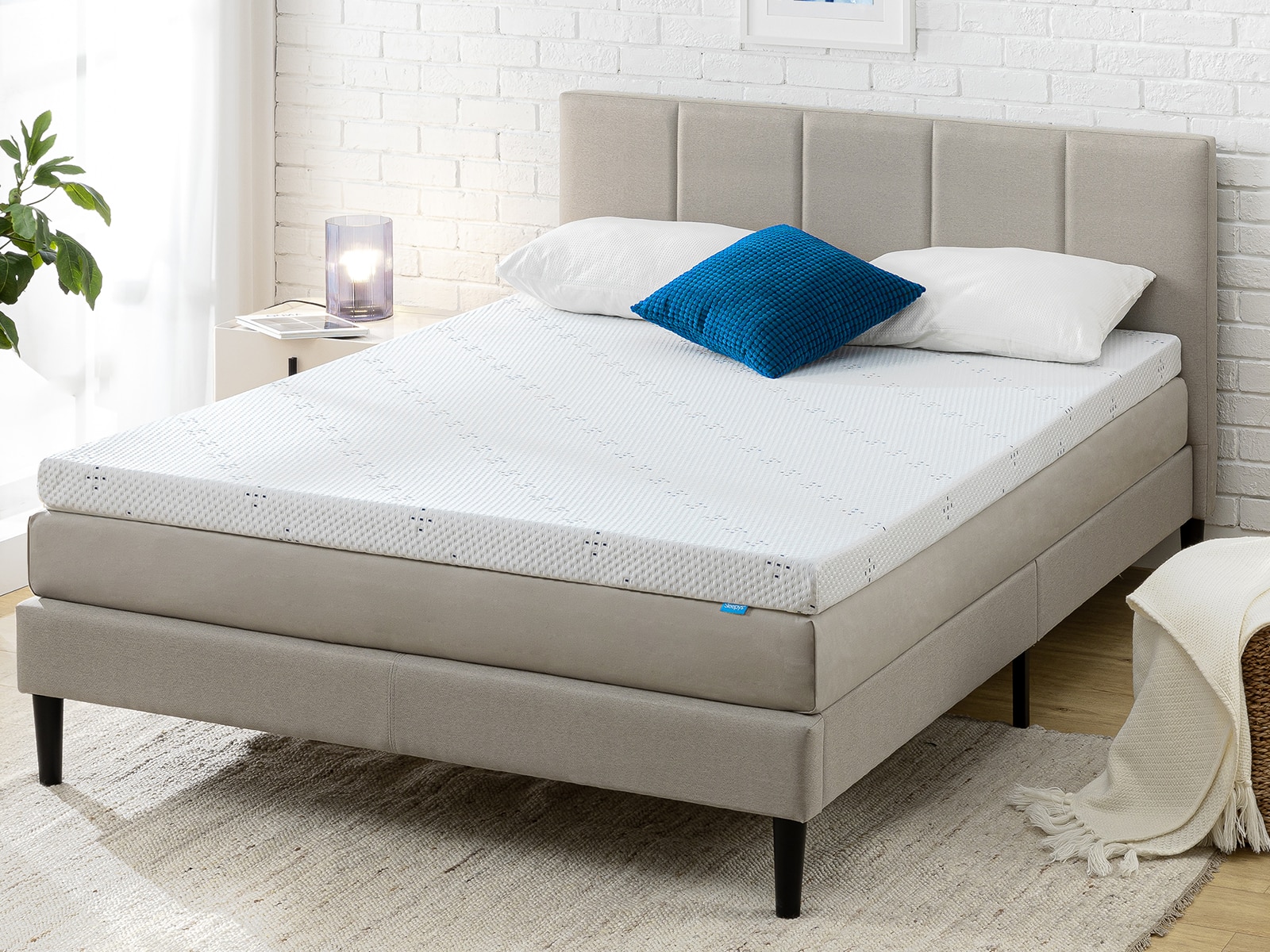
Pressure relief Eurotop mattresses combine a cushioned top layer, sewn flush with the mattress edges, with an underlying support system made from coils, foam or a combination of both. The added padding creates a gently contoured surface that can help distribute body weight and reduce concentrated pressure around the shoulders and hips. Unlike a traditional pillow top, which typically has a distinct cushion attached above the mattress with a visible separation, a Eurotop has a squared-off profile that blends into the mattress sides. That tailored construction describes how the top is attached, not how firm the mattress feels. A Eurotop can feel plush, medium or firm depending on its cushioning materials, layer thicknesses and support core. The important distinction is between pressure relief and support: cushioning allows prominent areas of the body to settle into the surface, while the layers beneath help keep the torso and pelvis from sinking too deeply. Memory foam can contour closely around the body, creating a cradling feel with a gradual response to movement. Latex typically responds more quickly, offering cushioning with a buoyant feel that makes repositioning easier. Other comfort foams can provide a softer initial touch or a more gently contouring surface, while quilted fibers contribute to the texture and padding closest to the sleeper. Beneath those materials, individually wrapped coils can respond separately to changes in weight and help limit motion transfer. A foam support core offers a different feel, often with less bounce. Some constructions also include transition layers that soften the change between the cushioned surface and the firmer base. Together, these components determine whether the mattress feels embracing, springy or somewhere in between. A neatly finished Eurotop does not automatically mean greater pressure relief or longer durability; the complete construction matters more than the appearance of the top alone. For someone who notices a shoulder pressing into a flatter sleep surface, that combination of cushioning and underlying support can make a meaningful difference in how comfortably the body settles at bedtime.
Sleep position, body size and personal comfort preferences all influence how a pressure relief Eurotop mattress feels through the night. Side sleepers often benefit from enough contouring to cushion the shoulder and hip without allowing the waist to dip unsupported. The sensation should be closer to settling into a supportive surface than sinking into a deep hollow. Back sleepers generally need a balance that accommodates the curves of the body while supporting the pelvis, and stomach sleepers often prefer a firmer overall feel to keep the midsection from settling too far. These are useful starting points rather than fixed rules. A lighter sleeper may experience a mattress as firmer because less weight compresses the comfort layers, while a heavier sleeper may need more substantial support beneath the Eurotop cushioning. For a balanced feel between plush cushioning and firmer support,
pressure relief medium mattresses offer another way to compare comfort preferences. Spending several minutes in a usual sleeping position can reveal more than briefly pressing a hand into the surface. A side sleeper can notice whether the shoulder feels crowded; a back sleeper can assess whether the lower back feels comfortably supported. Changing positions also helps reveal whether the cushioning allows easy movement or feels more enveloping than preferred. For partners, motion isolation may matter as much as softness, especially when one person turns frequently or gets out of bed earlier. Edge support is another practical consideration for anyone who sleeps near the perimeter or sits on the mattress while getting dressed. A Eurotop’s flush appearance does not guarantee a reinforced edge, so perimeter construction deserves separate attention. Size affects everyday comfort, too. A queen or king can give partners more room to change positions without crowding each other, while a twin or Twin XL may suit a smaller bedroom or a single sleeper. The best fit leaves enough sleeping space and enough room around the bed for comfortable movement.
Beyond the first impression of softness, a pressure relief Eurotop mattress needs to work with the rest of the bedroom and hold up to regular use. Overall mattress height affects how easily someone can sit down, stand up or reach the floor from the edge of the bed. A thick Eurotop paired with a tall foundation can create a higher sleeping surface than expected, while a lower platform may produce a more manageable height. Sheet pocket depth should accommodate the full mattress profile so fitted corners stay secure without compressing the top. The bed frame or foundation also needs to meet the mattress manufacturer’s requirements for support, including any specifications for slat spacing or center reinforcement. Compatibility with an adjustable base depends on the individual mattress construction and should not be assumed from the Eurotop label. These mattresses can suit a primary bedroom where comfort matters every night, a guest room intended for longer visits or a teenager’s room when the sleeper benefits from added cushioning and appropriate support. For daily use, durability depends on the quality of the comfort layers, the strength of the support system and how well the mattress is maintained. Foam density and foam firmness describe different characteristics; a softer feel alone does not reveal how well a material will retain its shape. The sewn-in Eurotop also does not make a mattress immune to impressions. Some settling can occur as cushioning adapts to regular use, while deeper changes may warrant checking the manufacturer’s care and warranty information. A properly fitted mattress protector helps shield the surface from spills and everyday moisture. Cleaning should follow the care label, with attention to avoiding excess liquid that could reach the inner layers. Rotation may help distribute wear when recommended, but many Eurotop mattresses are designed for one-sided use and should not be flipped unless the manufacturer specifically allows it. With a suitable foundation, compatible bedding and routine care, the cushioning and support can work together to create a comfortable, dependable place to rest.