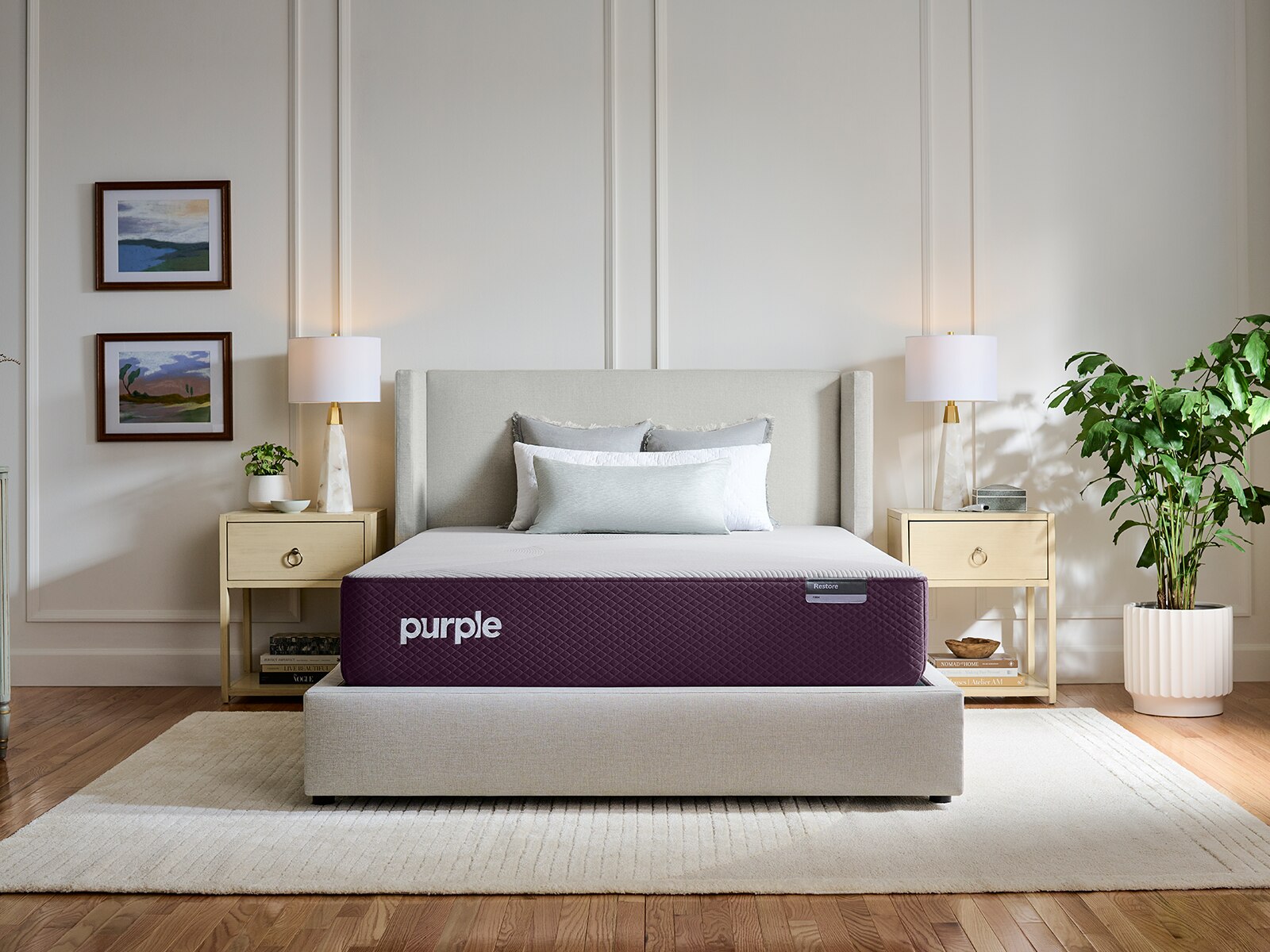
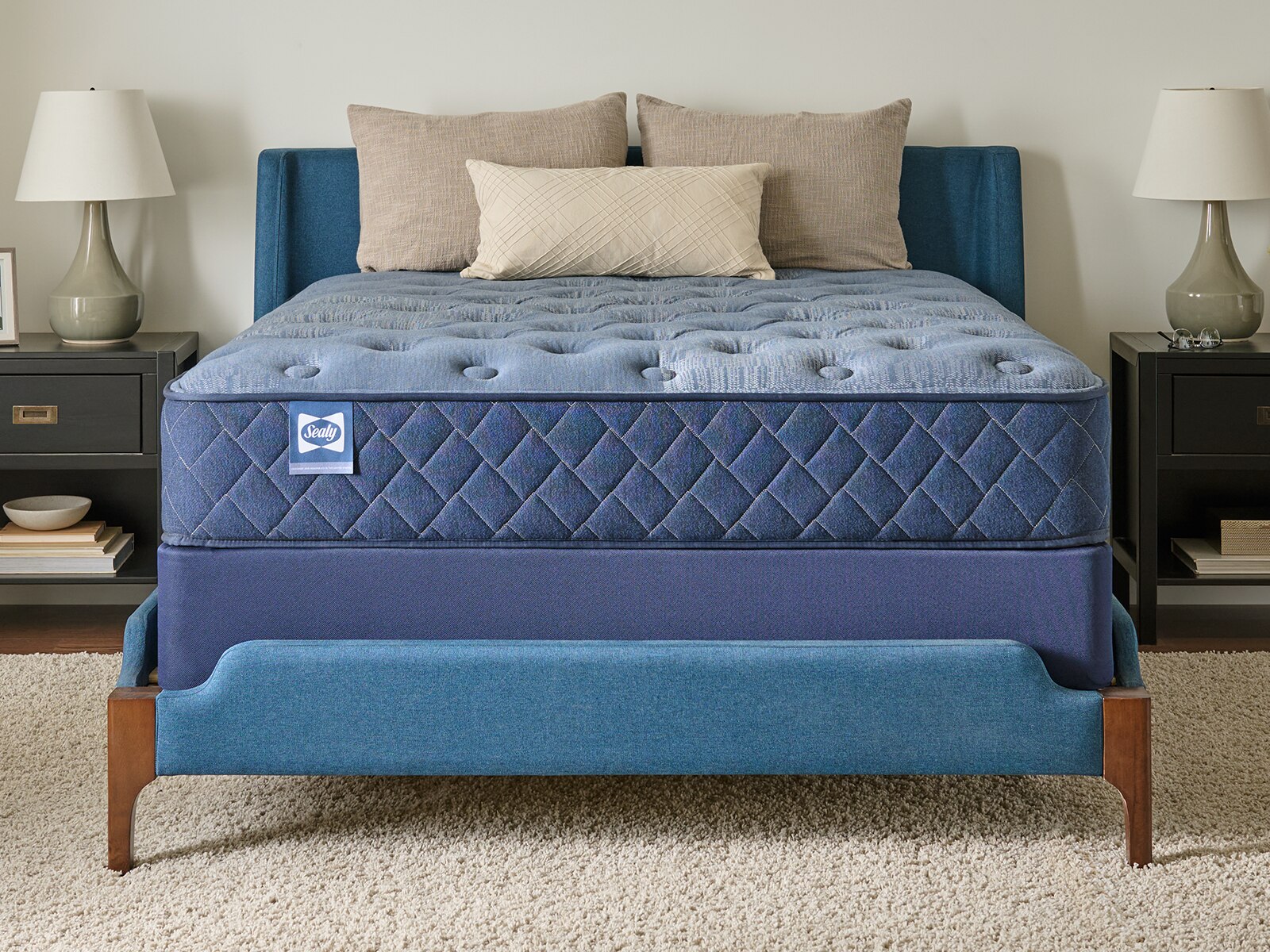
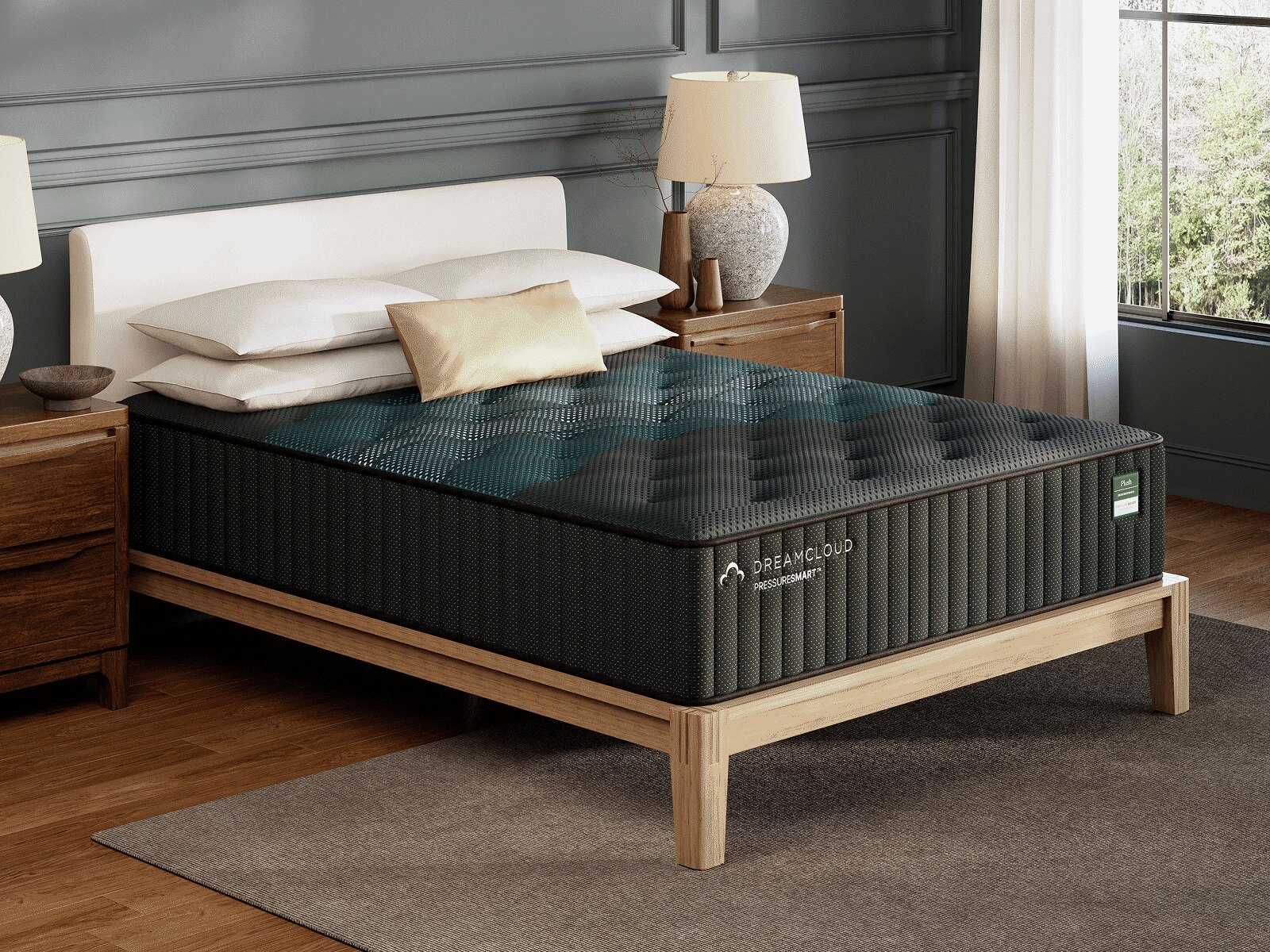
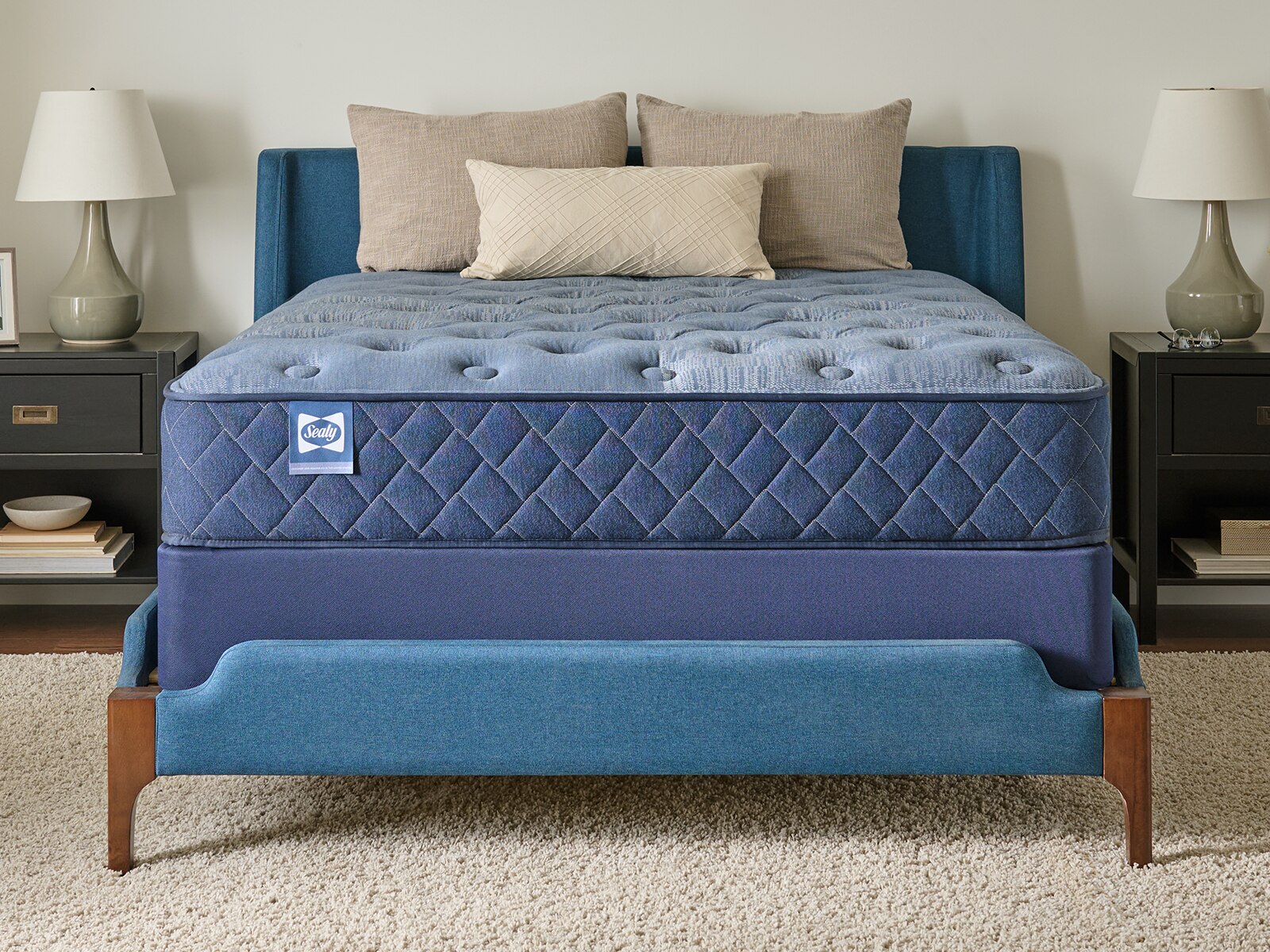
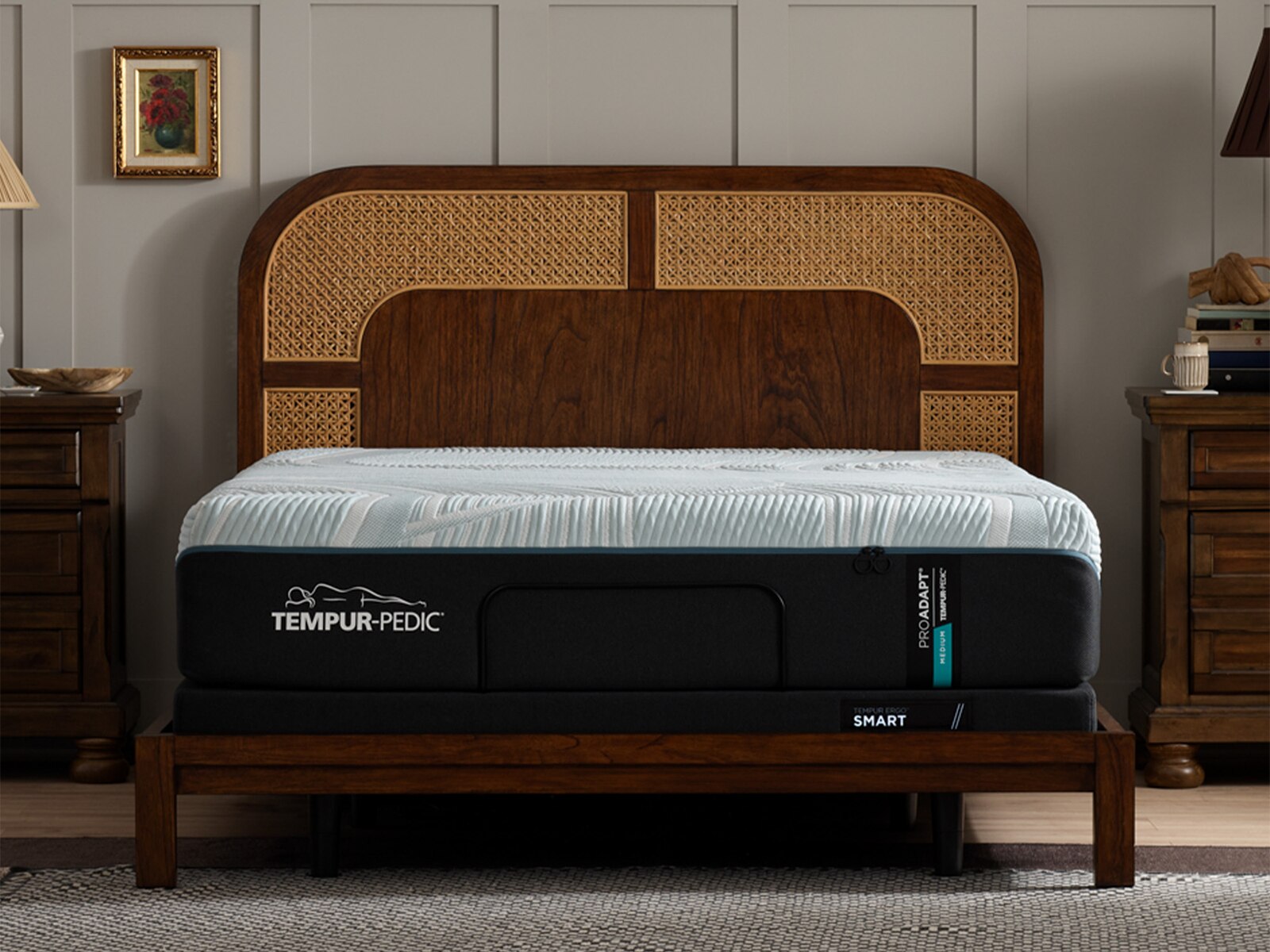
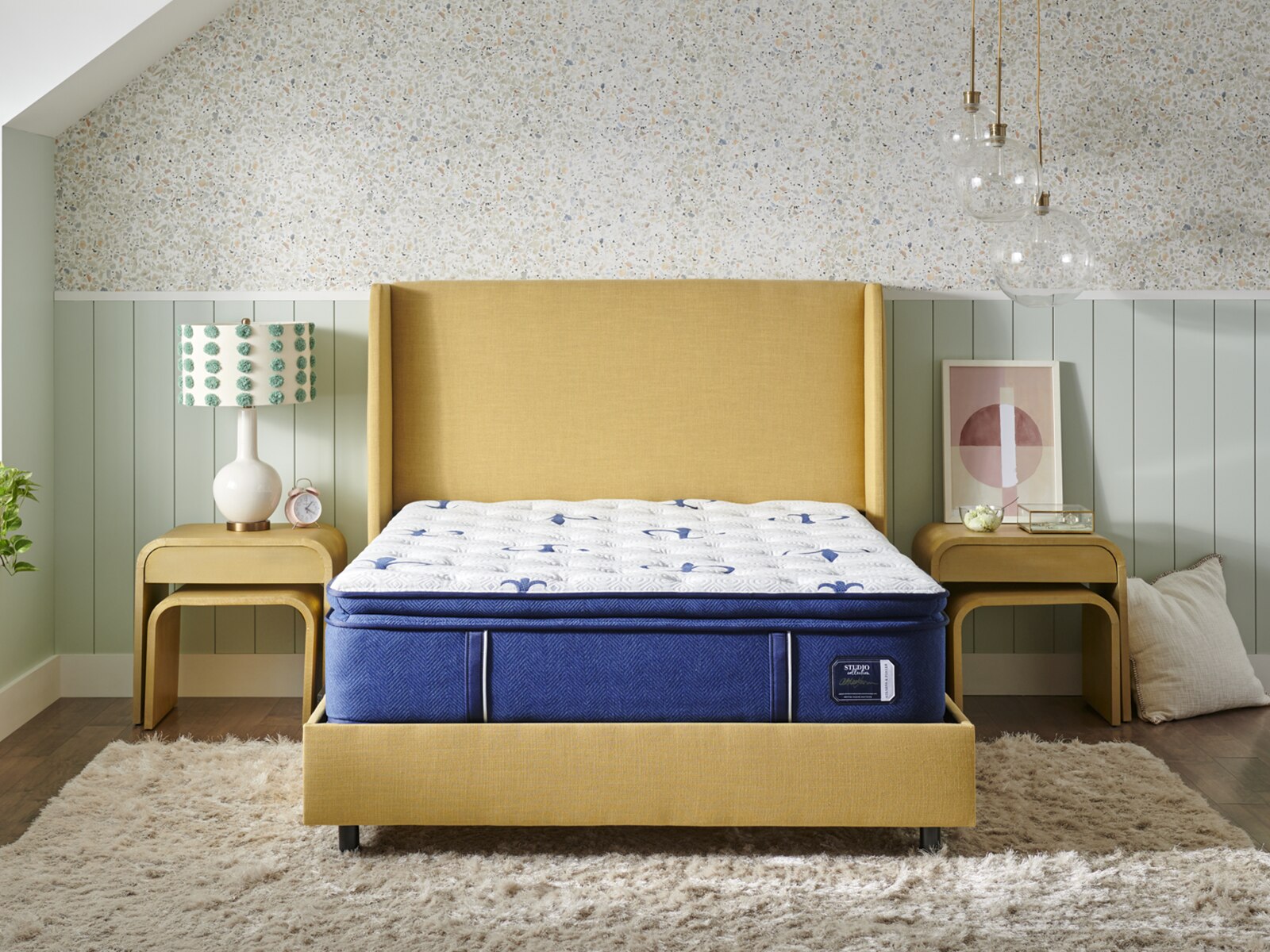
Pressure relief sleeping pads add a cushioning layer between the body and a sleep surface, helping spread body weight across a broader area rather than concentrating it at the shoulders, hips or heels. The category includes foam pads, air-filled pads and self-inflating designs, along with specialized air systems intended for home care or clinical settings. Each type approaches cushioning differently, so pressure relief describes a function rather than a single material or level of softness. Memory foam responds to weight and gradually contours around the body, while more responsive foams compress and rebound with less of a lingering impression. Air-filled pads use adjustable inflation to change firmness, and self-inflating pads combine an internal foam core with air that can be adjusted through a valve. The most comfortable feel depends on sleep position, body size and the surface underneath. A side sleeper may appreciate enough cushioning for a shoulder and hip to settle without feeling the hard surface below. A back sleeper may prefer gentle contouring with a steadier feel through the torso and pelvis. Someone who changes positions often may find it easier to move on a surface that springs back readily instead of holding a deep impression. Thickness alone does not tell the whole story: foam density, construction, air chamber layout and inflation level all influence how a pad feels under weight. A thicker pad can still compress too far, while a thinner pad may provide useful cushioning when paired with a supportive mattress. Softness and support are different qualities, and both matter. A pad should cushion prominent contact points without letting the body sink unevenly. It also needs a stable foundation; an extra layer generally cannot correct a mattress with deep impressions or a base that no longer supports it properly. Pressure relief sleeping pads work as part of the complete sleep setup, rather than replacing the support needed beneath them.
Intended use makes a meaningful difference in the construction and fit of a sleeping pad. For an everyday bed, a cushioning pad or mattress topper needs to match the mattress dimensions and remain flat beneath the bedding. Matching size names is a starting point, but actual length and width measurements help avoid exposed edges or material that bunches at the sides. Added height also affects whether fitted sheets and a mattress protector can cover the complete setup without pulling loose. A secure cover, corner straps or a nonslip underside may help limit shifting, depending on the design and the surface below. For a guest sleeping space, easy storage and manageable handling can matter just as much as cushioning. A pad that folds or rolls neatly is easier to put away between visits, although repeated folding is appropriate only for materials designed to tolerate it. Outdoor sleeping pads have another set of practical demands. A camper lying on firm ground needs cushioning that does not flatten beneath the hip, while someone carrying equipment over a long distance may place greater value on packed size and weight. Foam pads do not depend on an airtight chamber, but their bulk can make transport less convenient. Inflatable designs can pack compactly, though punctures, valve condition and the inflation method become important considerations. Self-inflating designs combine foam cushioning with adjustable air, but still need enough time and space to expand as directed. A fully inflated pad is not automatically the most comfortable; suitable adjustment depends on the construction, the sleeper and the manufacturer's guidance. Usable width matters, too, especially for someone whose elbows extend beyond the torso or who rolls from side to side. Length should accommodate the intended sleeping position, and any stated weight limit needs to suit the user. Whether the pad rests on a mattress, cot or suitable ground surface, compatibility matters more than choosing the thickest option.
Care requirements and durability deserve attention because a pad's condition affects both comfort and reliability. Removable, washable covers can make routine upkeep simpler, but the cover and cushioning core may require entirely different cleaning methods. Foam often needs spot cleaning rather than soaking, and any cleaned component should dry fully before bedding is replaced or the pad is stored. Air-filled designs need care around sharp objects, abrasive surfaces and valve openings. Seams, closures and areas exposed to repeated bending are useful places to check for wear. A pad that loses air overnight, develops persistent unevenness or no longer rebounds as intended may not provide its original cushioning. Storage also varies by construction: some designs tolerate compact rolling, while others benefit from being stored expanded or with a valve open, according to their care directions. For people with limited mobility or a history of pressure injuries, everyday comfort padding and medical pressure redistribution are not interchangeable. Alternating-pressure systems cycle air through chambers to change loading at different contact points, and appropriate selection depends on the person's clinical needs, body size and care environment. A healthcare professional can help determine whether a specialized surface is appropriate and how it fits into a broader care plan. An ordinary camping pad or mattress topper should not be relied on to prevent pressure injuries or replace repositioning, skin checks or prescribed care. Persistent discomfort, numbness or skin changes also deserve professional attention rather than simply adding another soft layer. For everyday use, a sleeping pad can be a thoughtful gift for someone furnishing a guest room or assembling camping equipment, particularly when their preferred feel, measurements and storage needs are known. When considered alongside other
Pressure Relief Products, a sleeping pad is one part of a comfortable, well-supported place to rest. The strongest match balances cushioning, stable support and practical upkeep with the way the surface will actually be used.