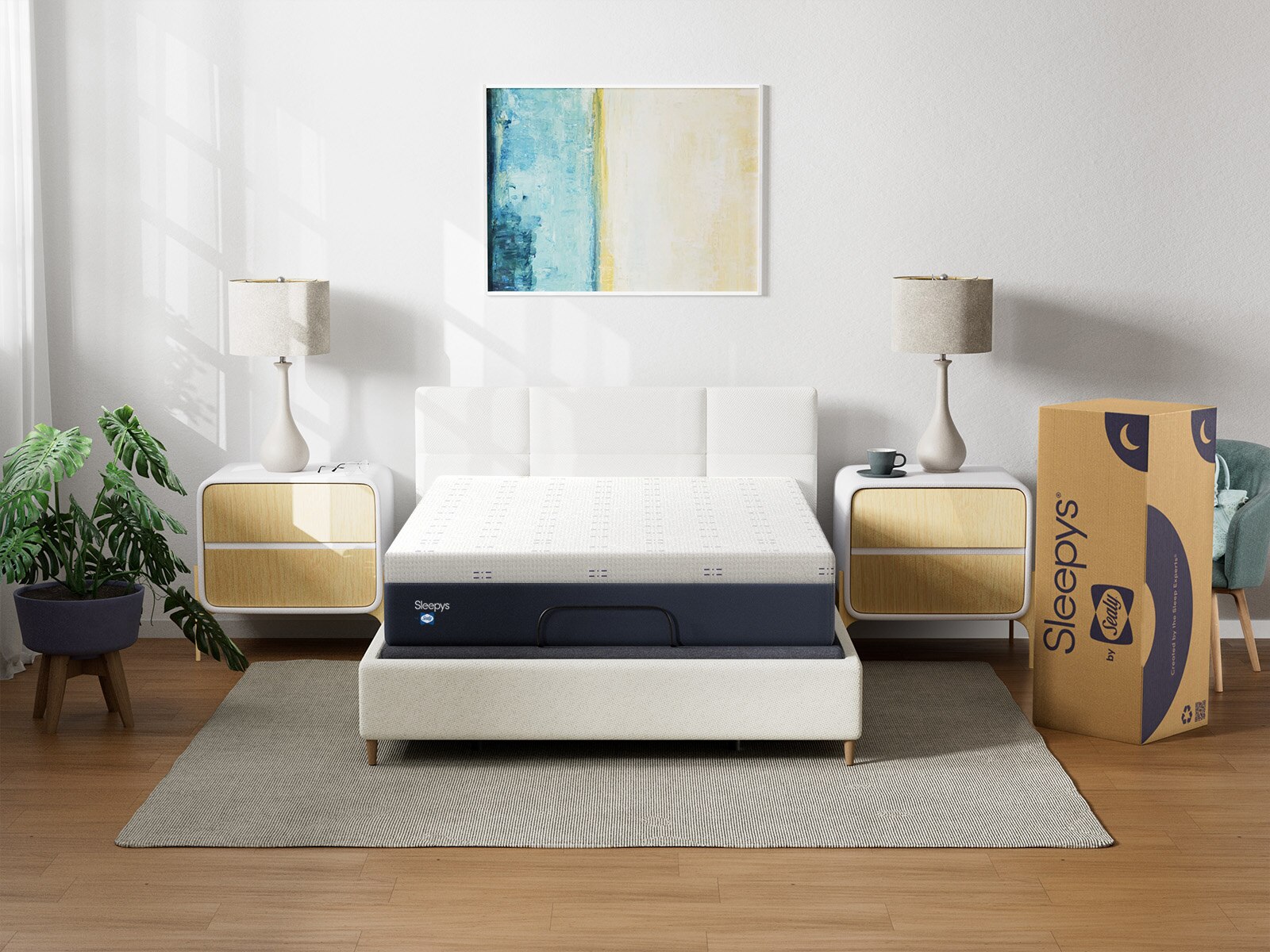
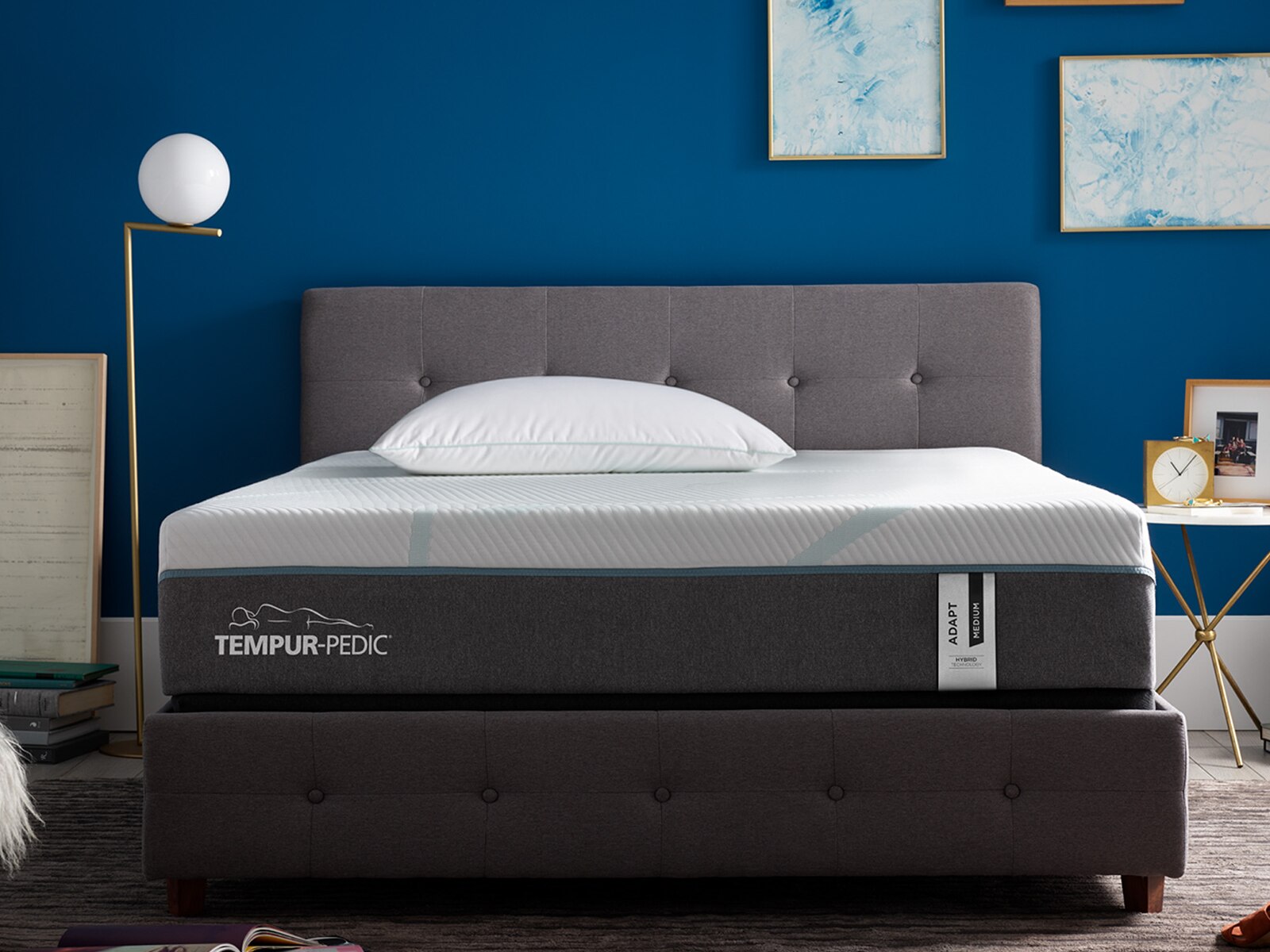
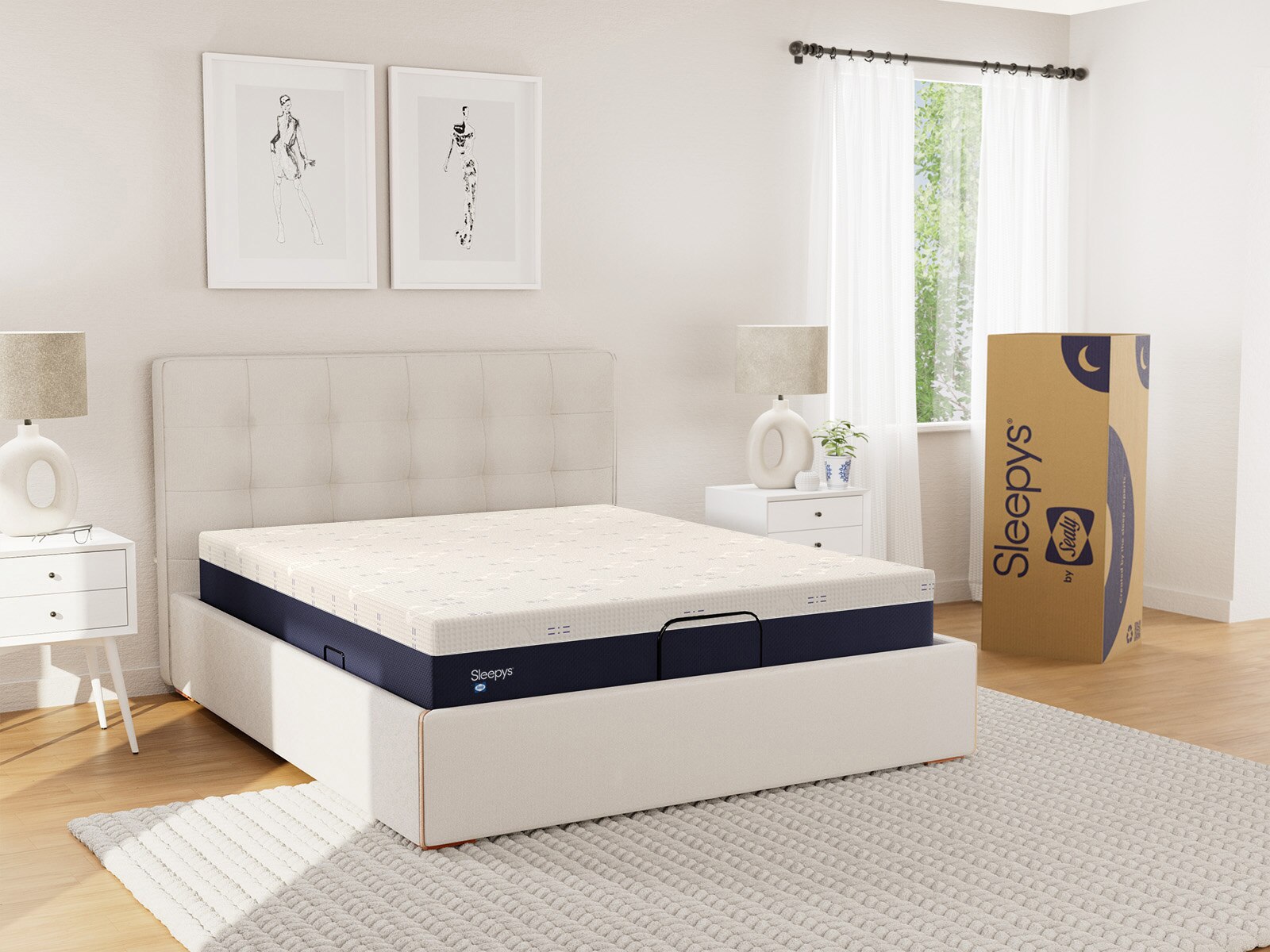
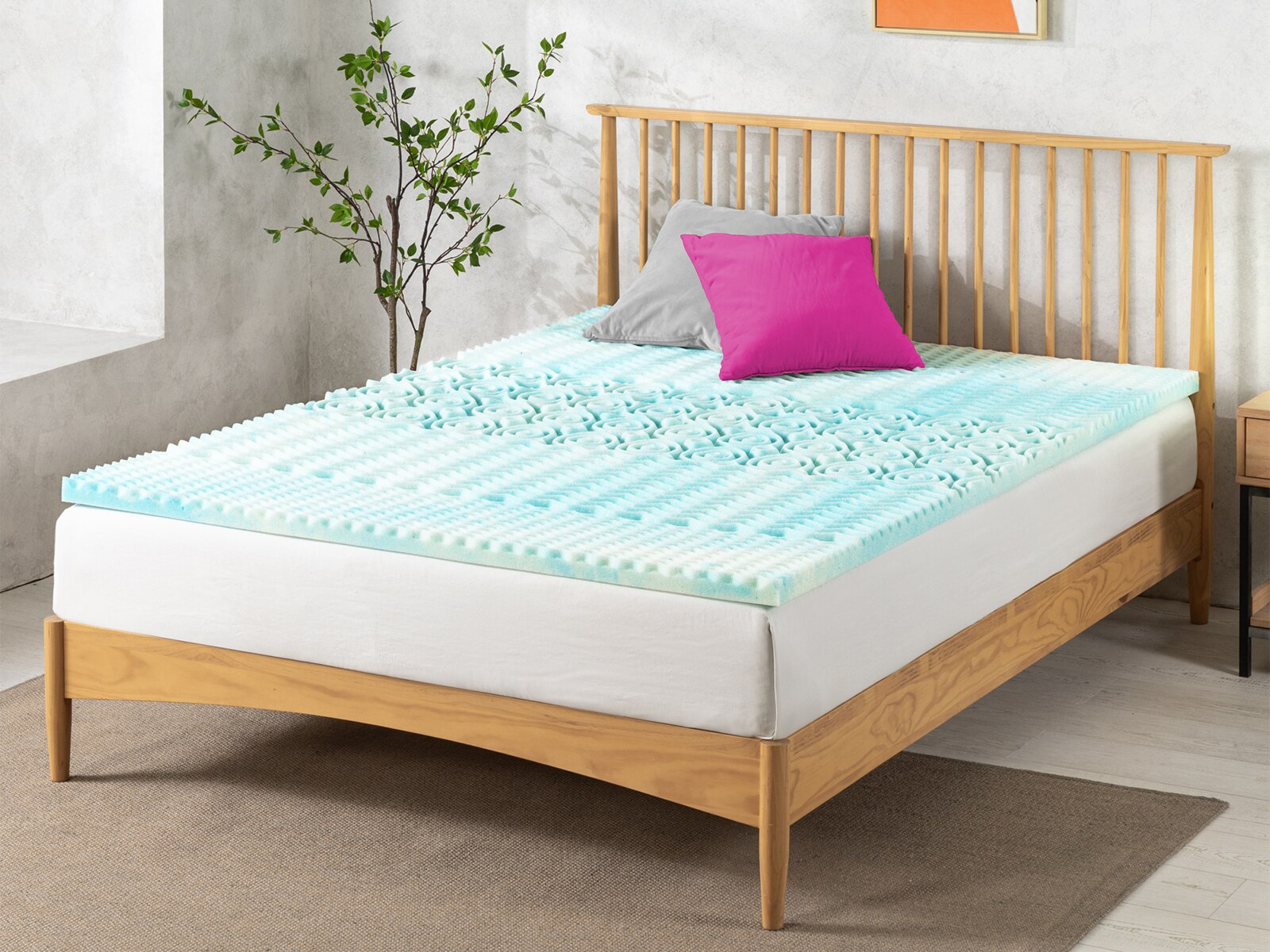
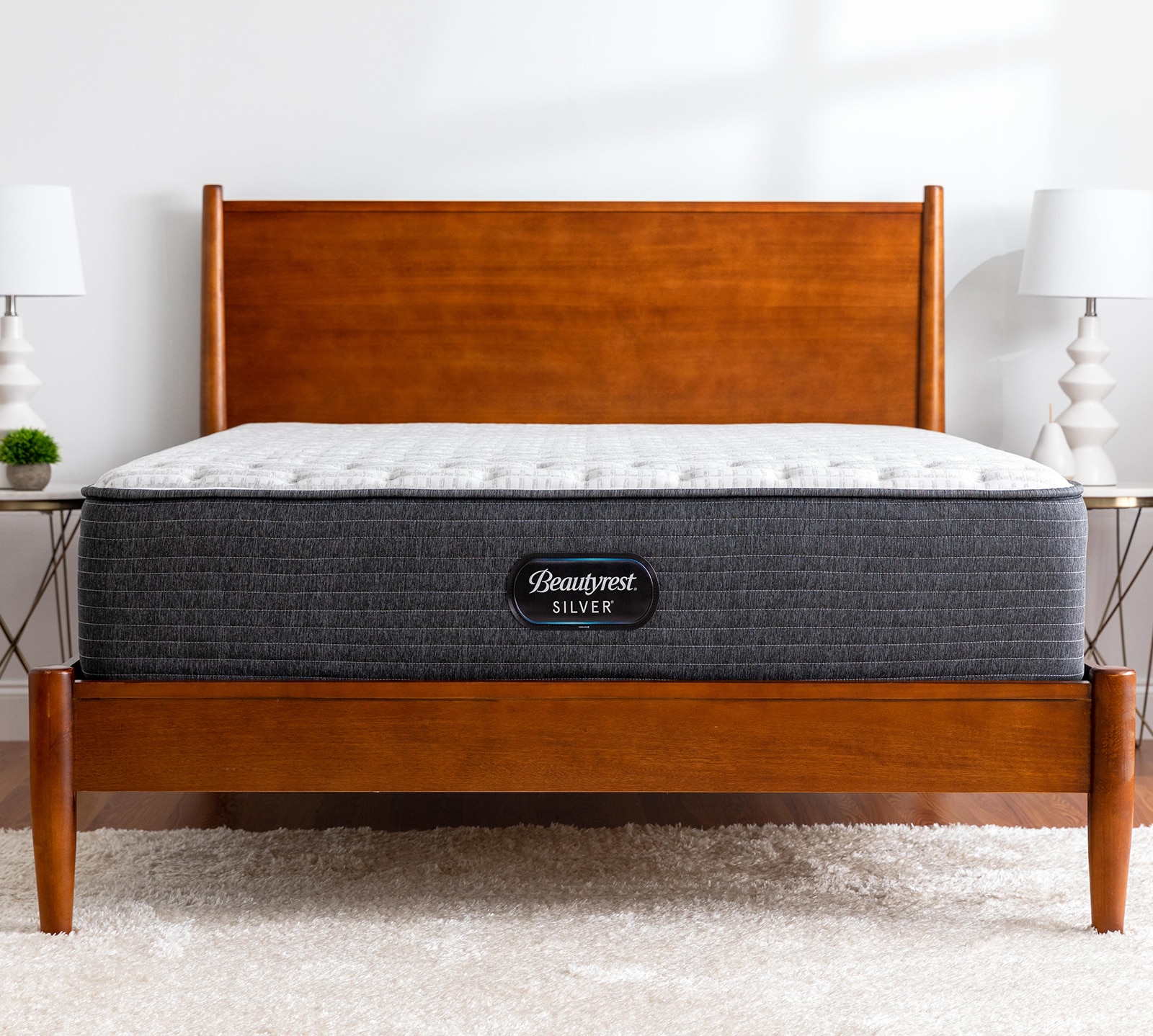
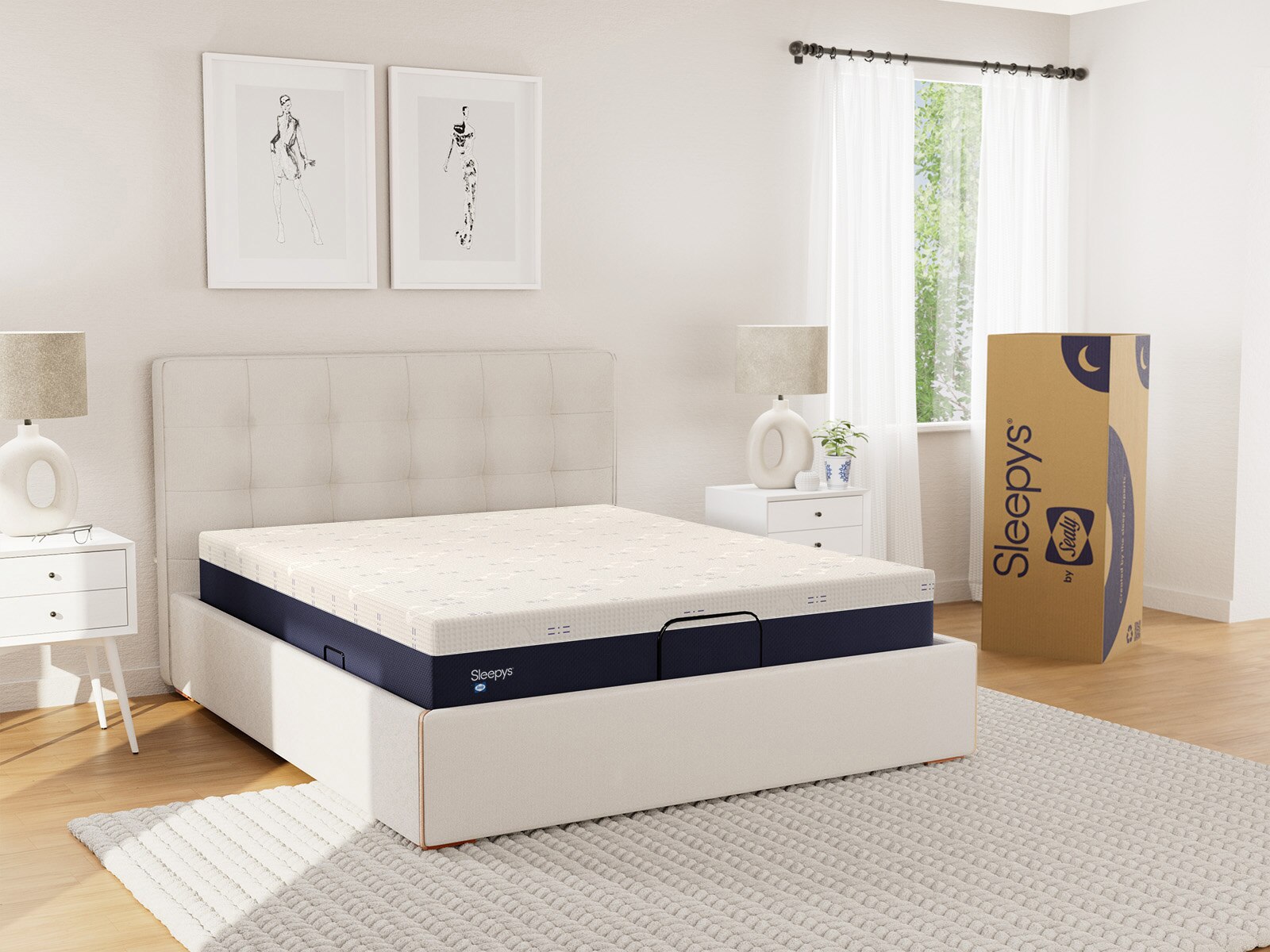
Pressure-relieving queen mattresses combine cushioning materials with a supportive core to distribute body weight and reduce concentrated pressure around the shoulders and hips. A standard queen measures 60 inches wide by 80 inches long, offering room for a solo sleeper to stretch out or for two people to share a bed without the footprint of a king. Within that familiar size, construction makes a meaningful difference in how the surface responds. Memory foam gradually contours to the body, creating a close, cradling feel that can soften contact beneath prominent joints. Latex typically feels more buoyant, cushioning the body while responding quickly as a sleeper changes position. Hybrid mattresses pair comfort layers with a coil support system, combining surface contouring with the responsive feel of springs. Some designs also use transitional layers between the cushioned surface and the support core to keep those layers working together rather than allowing an abrupt drop into a firmer base. Pressure relief and support serve related but distinct purposes: cushioning helps spread weight across the surface, while support helps maintain a comfortable resting posture. A mattress can feel plush at first touch yet still have a sturdy core, just as a firmer mattress can include enough cushioning to ease pressure at the shoulders. The depth and responsiveness of the comfort layers matter as much as the firmness description. A deeply contouring surface may suit someone who enjoys settling into the bed, while a more responsive surface may feel better to someone who prefers to move freely without a pronounced cradle. Quilted covers and pillow tops can add surface softness, but their feel depends on the materials underneath. For an everyday bedroom, a shared bed or a guest room used for extended visits, the most useful combination is cushioning that feels comfortable beyond the first few minutes and support that remains consistent through a full night of rest.
Sleeping position and body build help determine which pressure-relieving queen mattress feels most comfortable. Side sleepers place more concentrated weight on their shoulders and hips, so they often benefit from comfort layers that let those areas settle without leaving the waist unsupported. Someone who wakes with a compressed feeling at the shoulder may prefer a surface with more contouring, although softness alone does not determine the right fit. Back sleepers generally need cushioning beneath the hips along with steady support through the torso, allowing the lower back to rest comfortably rather than feeling either suspended or deeply sunken. Stomach sleepers often prefer a firmer, less deeply contouring surface that helps keep the midsection from dipping too far. People who change positions throughout the night may appreciate responsive foam, latex or hybrid construction that makes turning over feel less effortful. Body weight also changes how a mattress feels: the same surface can feel firmer to a lighter sleeper and softer to someone who places more weight on its comfort layers. In a shared queen bed, those differences can matter as much as individual firmness preferences. Motion isolation can help limit the movement felt when a partner rolls over or gets out of bed, while a responsive surface can make repositioning easier. Reinforced edges may make the perimeter feel steadier when sitting to put on socks or sleeping closer to the side, though edge performance varies by construction. Pillows influence the overall fit, too. A side sleeper needs enough pillow height to fill the space between the head and mattress without tilting the neck, and deeper shoulder cushioning can change that space. When trying a mattress, spending several minutes in familiar sleep positions gives a clearer impression than sitting on the edge alone. Comfortable pressure relief should feel balanced across the body, not simply soft beneath one area while another feels strained or unsupported.
The setup beneath a pressure-relieving queen mattress helps preserve both its intended feel and its durability. A compatible foundation, platform or adjustable base should support the mattress according to the manufacturer’s requirements, including any specifications for slat spacing and center support. An uneven or unsuitable base can affect how the sleep surface performs, even when the mattress itself is well constructed. Adjustable-base compatibility also varies, so it is worth confirming before pairing a flexible base with a mattress. Above the mattress, a properly fitted protector helps guard against spills and everyday moisture without adding a thick layer that substantially changes the feel. Queen sheets should accommodate the full mattress height, especially when the construction includes a substantial pillow top or deep comfort layers; corners that repeatedly pull loose may indicate that deeper pockets are needed. Routine care usually includes following the manufacturer’s rotation instructions, keeping the surface clean and avoiding prolonged concentrated weight in one spot. Many layered mattresses are designed for use on one side and should not be flipped unless the care instructions specifically allow it. Over time, some settling can occur as cushioning materials respond to regular use, but lasting comfort depends on the quality of the complete construction, the support underneath and how the mattress is used. Foam density, layer thickness and coil design can provide useful context, although no single measurement tells the whole durability story. A queen remains a practical choice when floor space needs to accommodate nightstands, dresser drawers and a clear path around the bed. For taller sleepers considering a longer surface,
pressure relief California King mattresses offer another size to explore, with different bedding and frame requirements. Whether furnishing a primary bedroom or creating a comfortable place for overnight guests, pressure-relieving queen mattresses bring together manageable dimensions, body-responsive cushioning and support suited to the way the bed will be used.