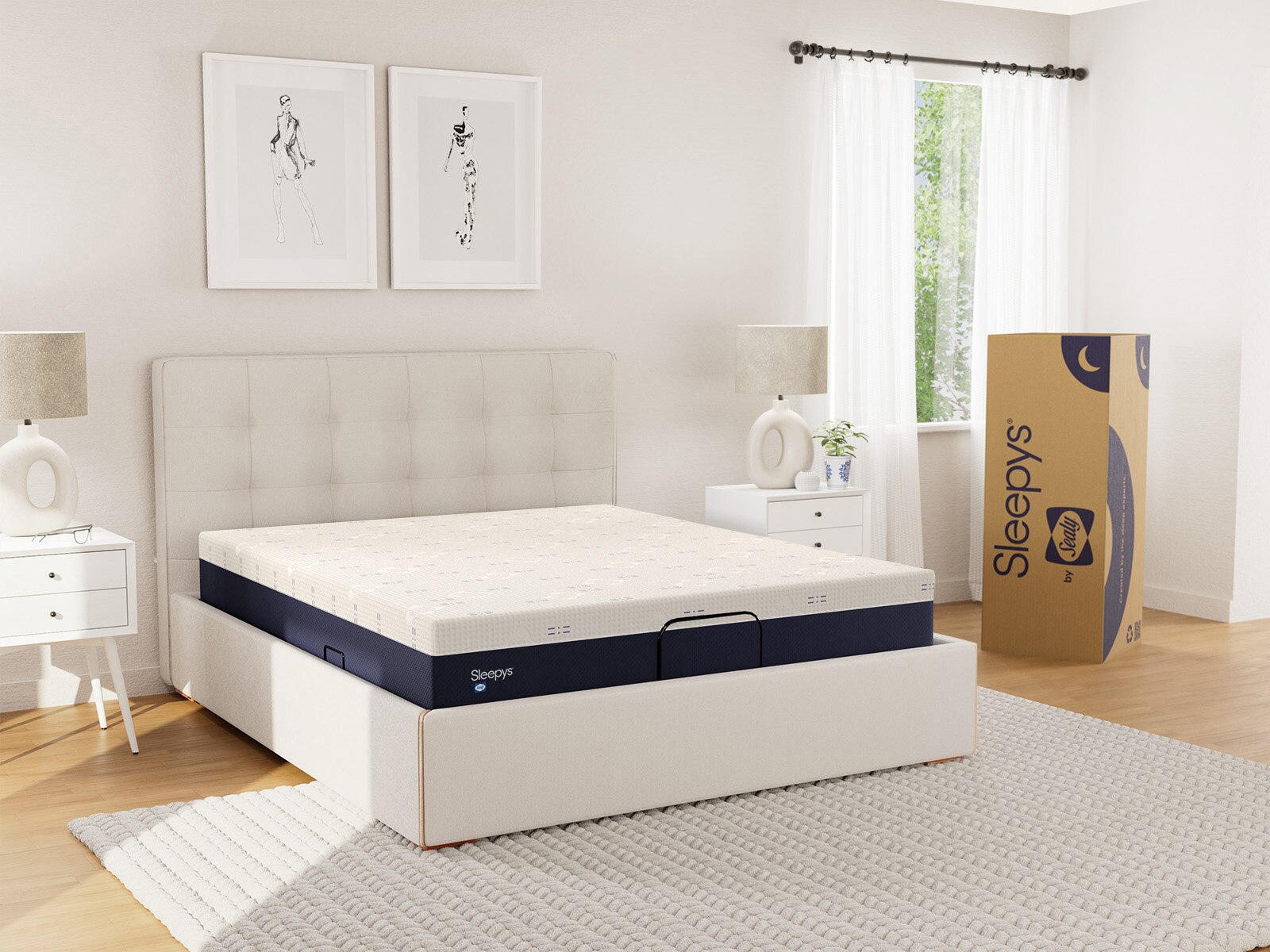
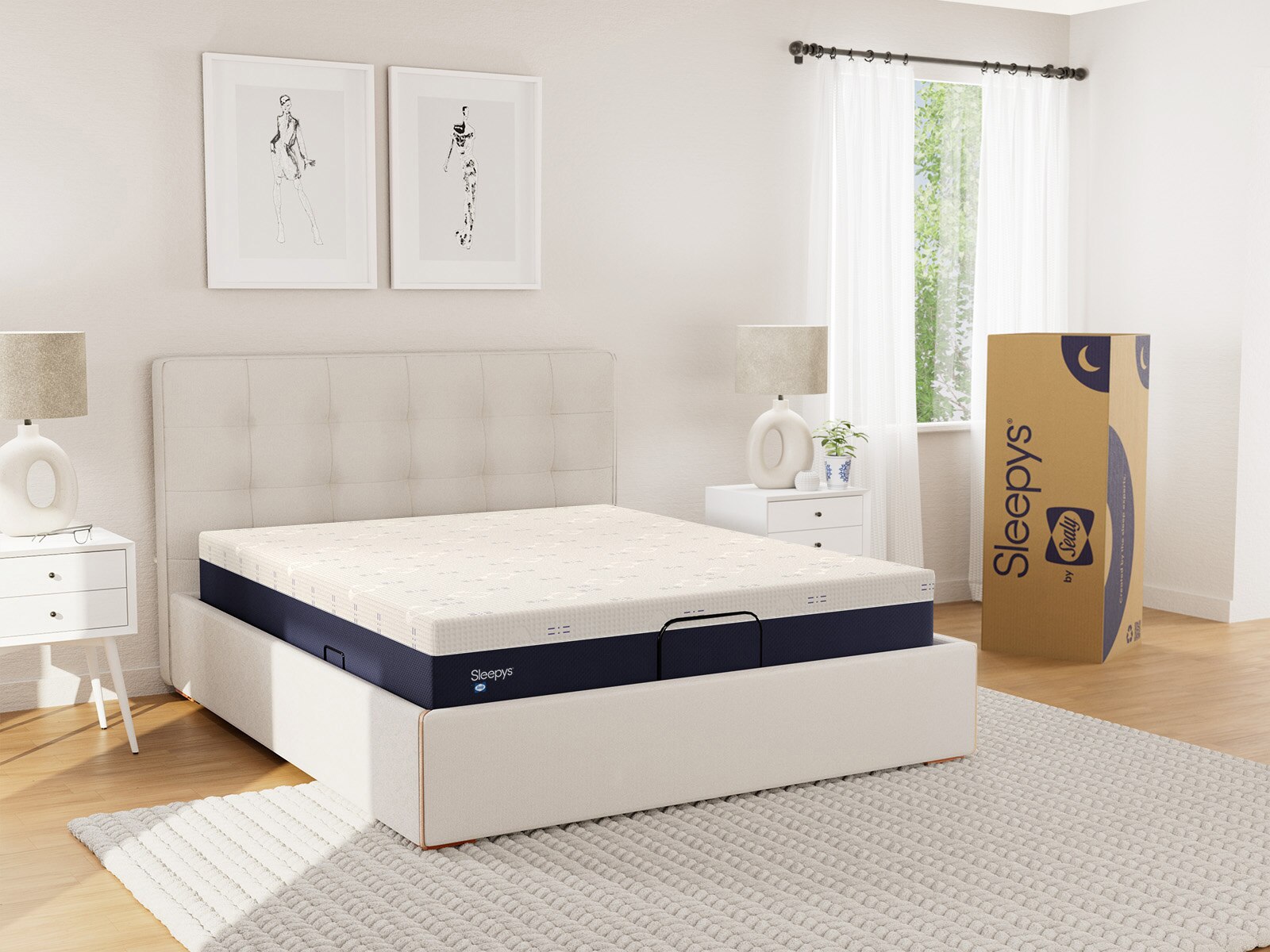
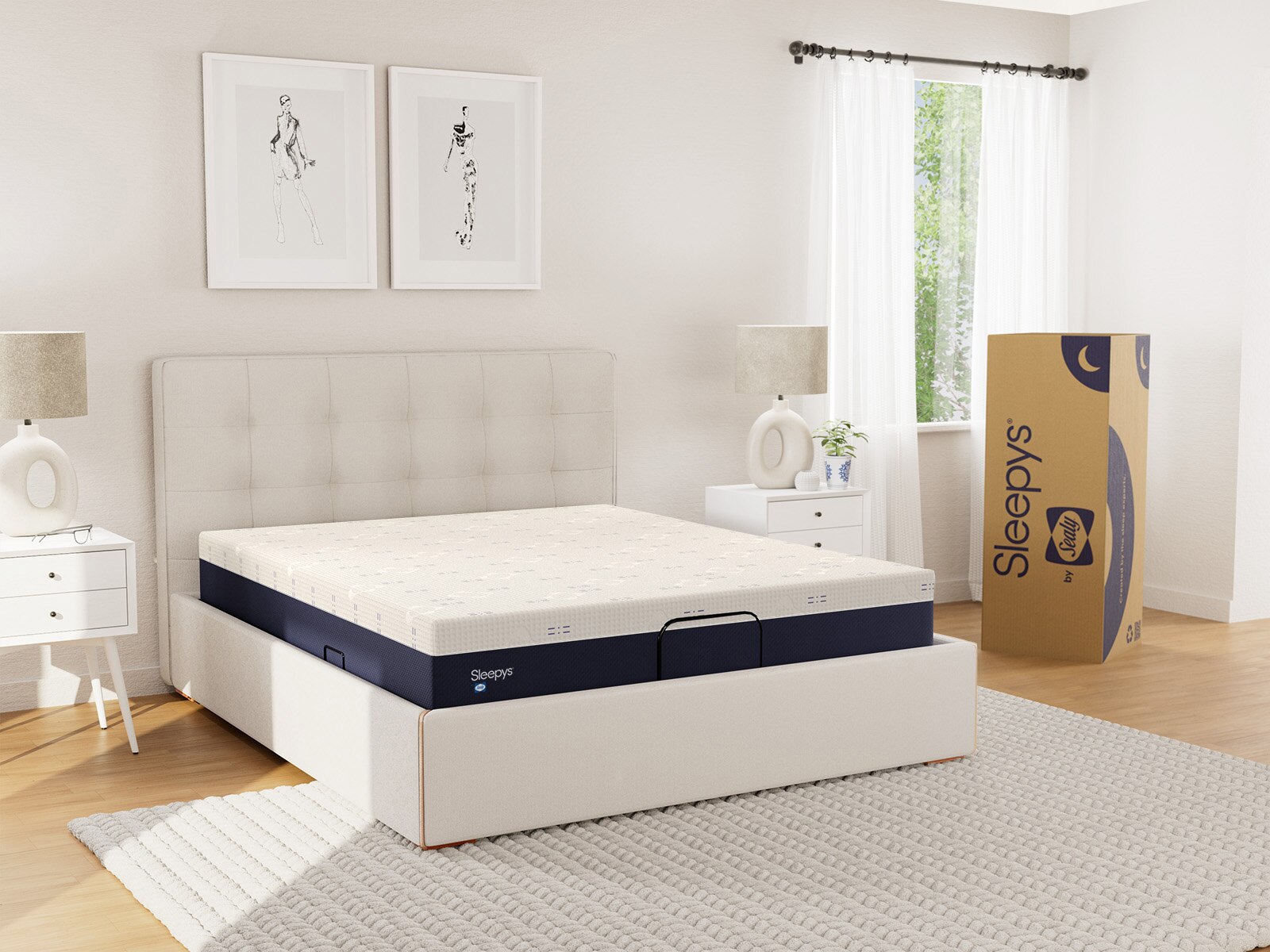
Queen mattresses for side sleeping couples need to balance cushioning at the shoulders and hips with steady support for two people. A comfortable surface allows these wider parts of the body to settle into the comfort layers without letting the torso sink excessively. That balance can help each partner maintain a more neutral sleeping position rather than feeling pushed upward at the shoulder or pulled downward through the waist. Medium to medium-firm feels can be a useful starting point, but neither label guarantees the right fit. Body weight, body shape and personal preference all affect how a mattress feels. A lighter sleeper may need a softer comfort layer to experience enough cushioning, while a heavier sleeper may benefit from deeper comfort layers over a stronger support system. Firmness and support are related but different: a mattress can feel plush on top while providing substantial support underneath. A standard queen measures 60 inches wide by 80 inches long, giving two sleepers about 30 inches of width each when the surface is divided evenly. That size works well for many shared bedrooms, though couples who spread out or regularly share the bed with a pet may find the usable space more important than the overall dimensions suggest. Strong perimeter support can make the area near the edges feel more secure, especially when both partners prefer a little breathing room. The broader
Queen Size Mattresses for Side Sleepers category reflects these same cushioning and alignment needs, while a shared bed adds considerations such as motion transfer and different comfort preferences. For two side sleepers, the most suitable construction is one that accommodates both bodies rather than matching a firmness label alone. A partner with broad shoulders may need more room to settle in, while someone with fuller hips may notice cushioning most through the lower half of the bed. Neither person should feel that staying comfortable requires spending the entire night in one narrow spot.
Materials shape both the initial feel and the way a queen mattress responds as partners move. Memory foam typically contours gradually, creating a close, cradling sensation around the shoulders and hips. Its ability to absorb movement can be helpful when one person turns over frequently or gets out of bed before the other. Other cushioning foams may respond more quickly, giving the surface a less enveloping feel that makes changing positions easier. Latex often has a buoyant, responsive feel, though its firmness and cushioning vary by construction. Hybrid mattresses combine comfort layers with a coil support system, offering another way to balance contouring and ease of movement. Individually wrapped coils can respond more independently than interconnected springs, but the entire construction determines how much movement reaches a partner. Foam thickness, coil design and the materials surrounding the support system all contribute to the result. An all-foam mattress can provide substantial motion isolation, while a hybrid may appeal to couples who enjoy cushioning without as much of a settled-in sensation. Neither category automatically provides better pressure relief or greater durability; the quality and arrangement of the layers matter more than the category name. For a couple with different schedules, motion isolation may be especially valuable when an early alarm sends one person out of bed while the other stays curled on their side. For partners who switch between side and back sleeping, responsiveness may matter just as much because it affects how easily the body can turn. Edge support deserves separate attention, too. A perimeter that holds its shape under a reclining sleeper helps preserve usable space, while support when sitting along the side can make getting dressed or getting into bed more comfortable. Sitting and lying place weight differently, so a comfortable seated edge does not tell the whole story. Couples often benefit from considering pressure relief, movement and edge stability together rather than expecting a single feature to account for every part of shared comfort.
The rest of the sleep setup influences how well a queen mattress works for side sleeping couples over time. A compatible foundation or bed frame helps the mattress perform as intended, and the required slat spacing, center support and weight capacity depend on the manufacturer’s specifications. Those details are especially important for a shared bed because the frame must support the mattress and both sleepers. Mattress height also affects everyday fit: a taller mattress on a high foundation can make the sleeping surface harder to reach, while a deeper profile may require fitted sheets with a larger pocket depth. Pillows complete the alignment picture. Side sleepers generally need enough pillow height to fill the space between the head and the mattress, but the amount depends on shoulder width and how deeply the shoulder settles into the surface. Two partners can share the same mattress comfortably while needing quite different pillows. A pillow between the knees may also make side sleeping feel more comfortable by helping keep the legs from pulling the pelvis forward. For everyday care, a properly fitted mattress protector can help limit exposure to spills and body moisture, while following the manufacturer’s cleaning directions helps avoid damage to upholstery and comfort layers. Rotation may be recommended to distribute wear, but flipping is appropriate only when the mattress is designed for use on both sides. Lasting comfort depends on more than mattress thickness; foam quality, support construction, proper use and a suitable base all play a role. Small changes in surface feel can occur as materials settle, but persistent sagging or a noticeable loss of support deserves attention. For couples furnishing a shared home or replacing a mattress that no longer accommodates both sleepers, a queen offers a familiar balance of bedroom footprint and shared sleeping space. The goal is a surface where shoulders can relax, hips feel supported and one partner’s movement is less likely to interrupt the other’s rest.