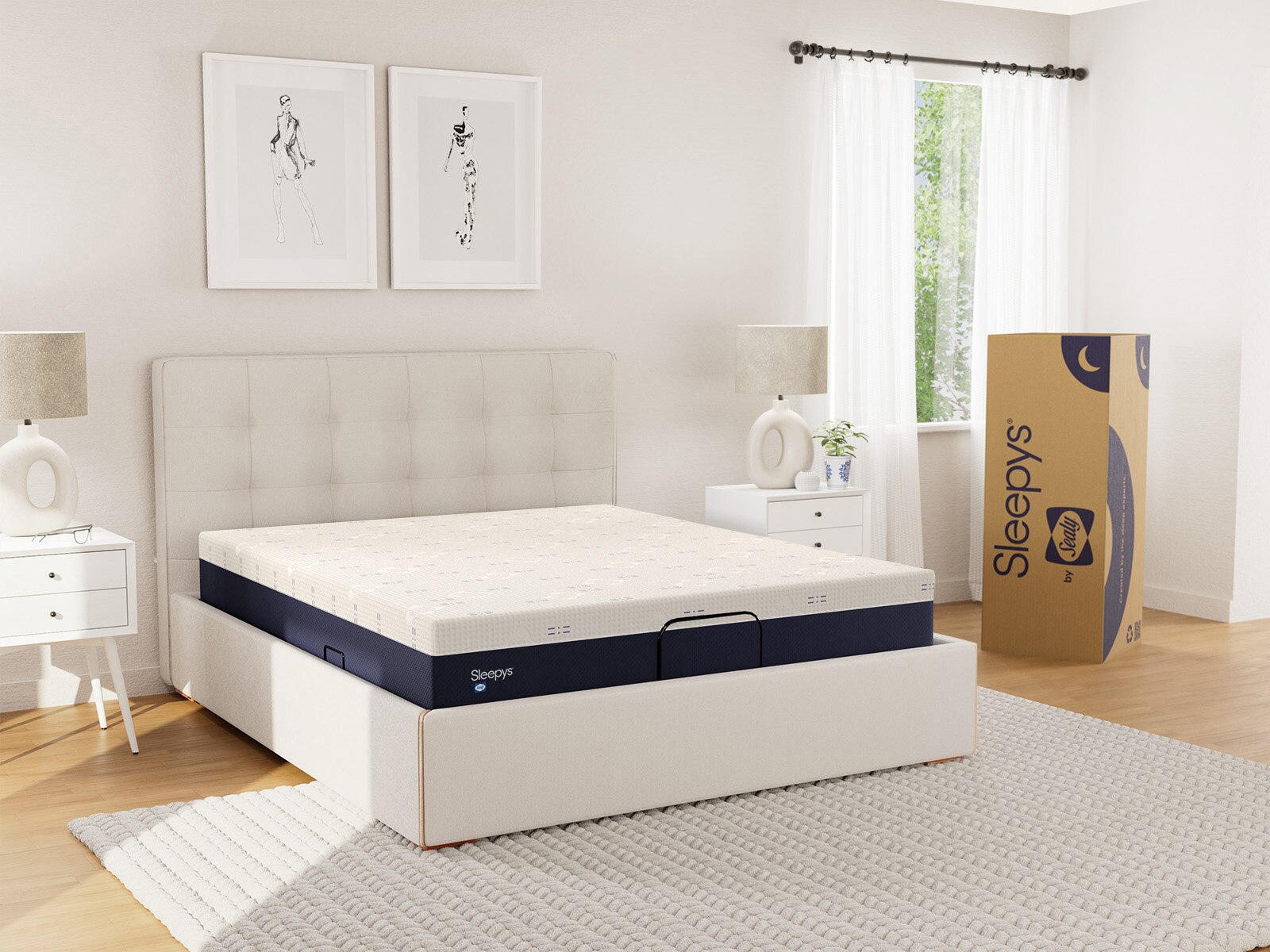
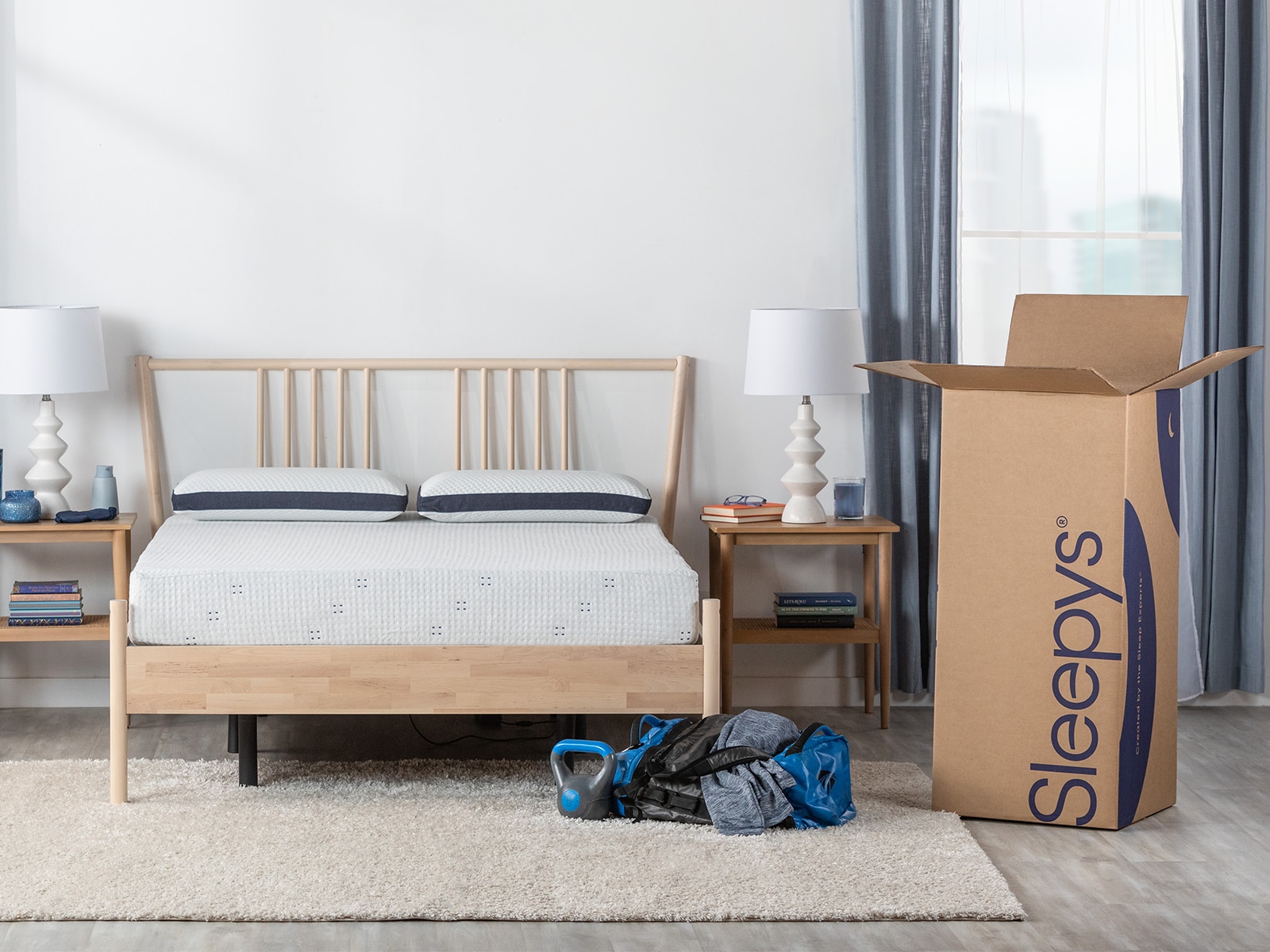
Queen motion-reducing mattresses are designed to limit how much movement travels across the sleep surface, helping one sleeper settle in with less disturbance when the other changes position. That can make a difference when a partner rolls onto their side, gets up before an early shift or returns to bed after checking on a child. Motion reduction, also called motion isolation, comes from the way a mattress absorbs and contains movement rather than spreading it from one side to the other. A standard queen mattress measures 60 inches wide by 80 inches long, offering room for two sleepers while fitting many primary bedrooms and guest rooms. Within that footprint, the materials and construction determine how connected each side of the bed feels. Memory foam typically contours closely and absorbs movement near the point of contact, making it a useful material for sleepers who notice small shifts beside them. Other cushioning foams can contribute to motion isolation, although their performance depends on their formulation, thickness and placement within the mattress. Hybrid mattresses combine comfort layers with a coil support system, often using individually wrapped coils that compress more independently than interconnected springs. Those coils can help contain movement, while the layers above them influence how much bounce reaches the surface. Pocketed coils alone do not guarantee strong isolation; the entire construction matters, including how the comfort layers interact with the support core. Latex generally has a more buoyant feel than slow-response memory foam, so it may appeal to someone who wants easier movement, though it can allow more motion to be felt across the bed. Neither an all-foam design nor a hybrid construction guarantees complete stillness. A mattress can soften the ripple from a partner turning over without fully masking a sudden movement or someone sitting heavily on the edge. For light sleepers, the goal is less noticeable disruption, paired with a surface that still feels comfortable and supportive through the night.
Motion isolation works best as part of a comfortable overall fit, not as a substitute for the right support. A queen mattress that absorbs movement well may still feel too firm at the shoulders or too soft beneath the hips for a particular sleeper. Side sleepers often benefit from cushioning that allows the shoulder and hip to settle without creating concentrated pressure, while back sleepers generally need a balance of contouring and support beneath the lower back. Stomach sleepers may prefer a more supportive surface that limits excessive sinking around the midsection. These are starting points rather than fixed rules, because body size, proportions and personal preference affect how any mattress feels. Two people sharing a queen may experience the same surface differently, especially when their builds or sleeping positions differ. Firmness describes the feel of the surface, while support describes how well the mattress helps maintain comfortable body alignment; a softer feel does not automatically mean inadequate support. For combination sleepers, it is also worth considering how easily the surface allows a change of position. Deep contouring can dampen a partner’s movement but may feel restrictive to someone who turns frequently. A slightly more responsive construction may offer a better balance for that sleeper. Edge support deserves attention as well, particularly when both partners use the full width of the mattress or sit along the side while getting dressed. A stable perimeter can make the sleeping area feel more usable, but it is a separate feature from motion isolation. The bed frame and foundation also affect the experience: a loose joint, shifting slat or unstable base can create movement even when the mattress absorbs it effectively. Check the mattress requirements for foundation type, slat spacing and weight support rather than assuming every queen frame provides an appropriate base. If the mattress will be used on an adjustable base, confirm compatibility and account for the movement of the base itself.
Long-term comfort depends on both the mattress construction and how it is cared for. Foam density can provide useful context about durability, but density and firmness are not interchangeable: a denser foam is not necessarily firmer, and no single specification tells the whole story. Comfort-layer quality, coil construction where applicable, sleeper weight and consistent support beneath the mattress all contribute to how well it holds its shape. Over time, worn cushioning or an uneven foundation can change the feel of the surface and affect how comfortably two people share it. Follow the manufacturer’s care directions, including any recommended rotation schedule, and do not flip a mattress unless it is specifically designed for use on both sides. A properly fitted mattress protector can help guard against spills and everyday moisture without adding a bulky layer that changes the intended feel. Check the mattress height when choosing fitted sheets so the corners stay secure without pulling tightly across the cushioning. A thick topper can also alter contouring, responsiveness and the way movement feels, so consider the combined setup rather than judging the mattress and topper separately. Some nighttime disturbances come from bedding rather than the mattress itself: a tightly tucked blanket or a partner pulling the shared comforter can still be noticeable on a motion-isolating surface. Separate blankets may help when bedding movement is the main interruption. For a guest room, a balanced feel and a stable edge can accommodate different visitors, while a shared primary bed may call for closer attention to each partner’s pressure relief and ease of movement. The same considerations matter when choosing a mattress as a gift, where the recipient’s preferences and existing bed setup should lead the decision. For another view of comfort and support in this size, explore
Queen Restorative Mattresses. Whether the priority is fewer ripples from a restless partner or a more settled shared sleep surface, the strongest fit brings motion reduction together with comfortable cushioning, dependable support and practical everyday care.