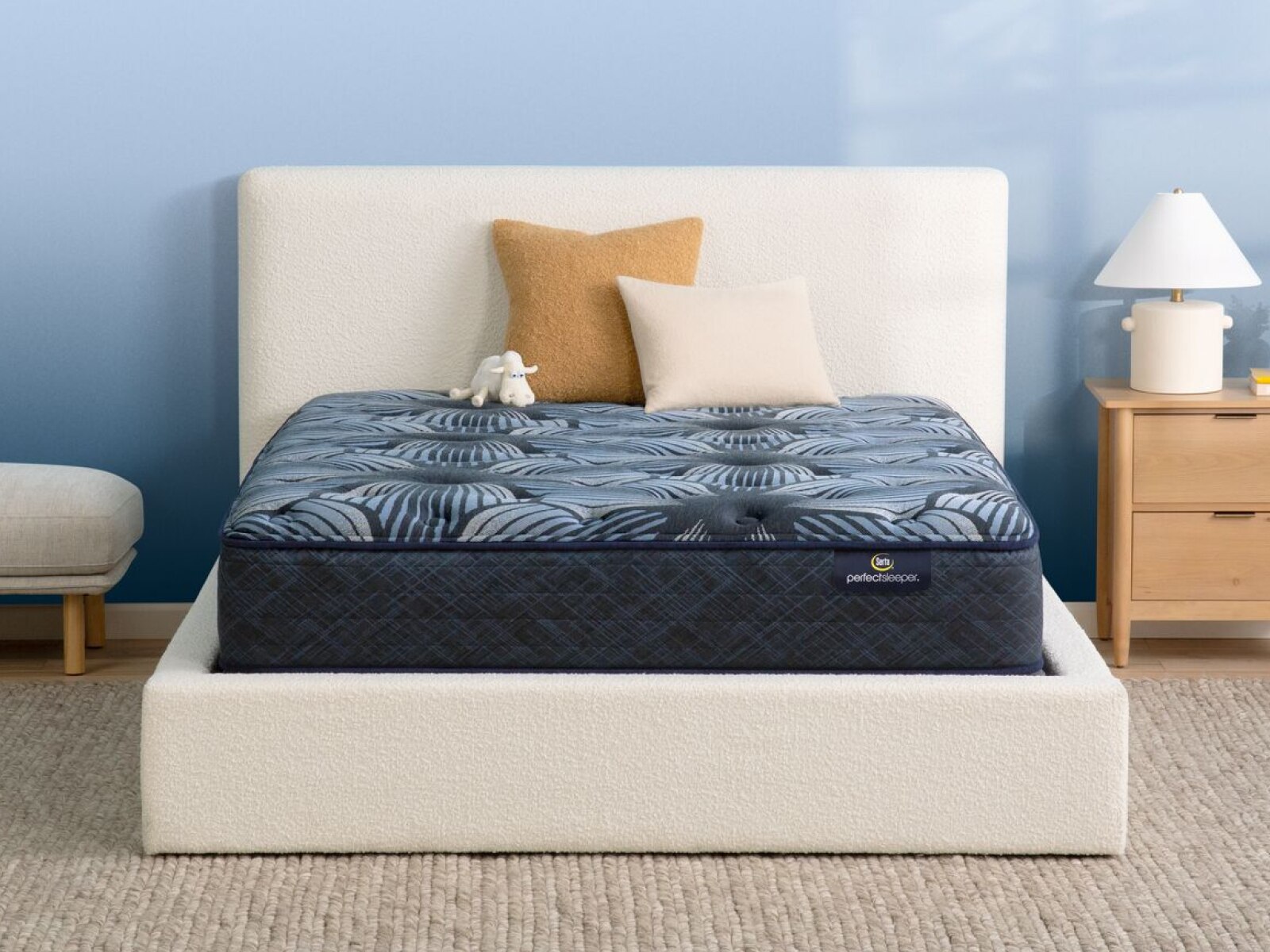
Quilted cool cover mattresses combine a stitched, cushioned sleep surface with fabrics or materials designed to help manage heat close to the body. The quilting joins the outer fabric to a layer of padding, creating a textured surface that can feel gently pillowy rather than smooth and flat. Beneath that cover, the mattress provides its main cushioning and support through foam, latex, springs or a combination of materials. A cooling cover is therefore one part of the mattress, not a separate mattress pad or protector. Its appeal is the combination of a welcoming first feel and features that may help reduce heat buildup at the surface. Depending on the construction, those features can include breathable fabric, fibers that move moisture away from the skin, cool-to-the-touch yarns or phase-change materials that absorb and release heat within a designed temperature range. These approaches work differently: an initially cool feel does not necessarily mean a mattress will stay equally cool throughout the night, and breathable fabric alone does not actively lower body temperature. The layers underneath, along with sheets, bedding and individual sleep habits, influence the overall experience. For someone who often pushes back the covers or notices warmth collecting beneath the shoulders and hips, that distinction matters. Quilting also affects comfort in its own right. Closely spaced stitching can create a more defined, lightly padded surface, while deeper quilted sections may feel fuller and more cushioned. The amount and type of fill influence that sensation as much as the visible pattern does. Cotton blends, polyester blends and other performance fabrics can each have different textures, stretch and moisture-management properties, so the fiber name alone does not tell the whole story. A well-suited quilted cooling surface balances the feel against the body with the mattress’s underlying support, offering comfort without requiring an excessively thick layer of padding. This makes the category relevant to sleepers who enjoy a softly finished surface but still want to consider how readily warmth can move away from their resting body.
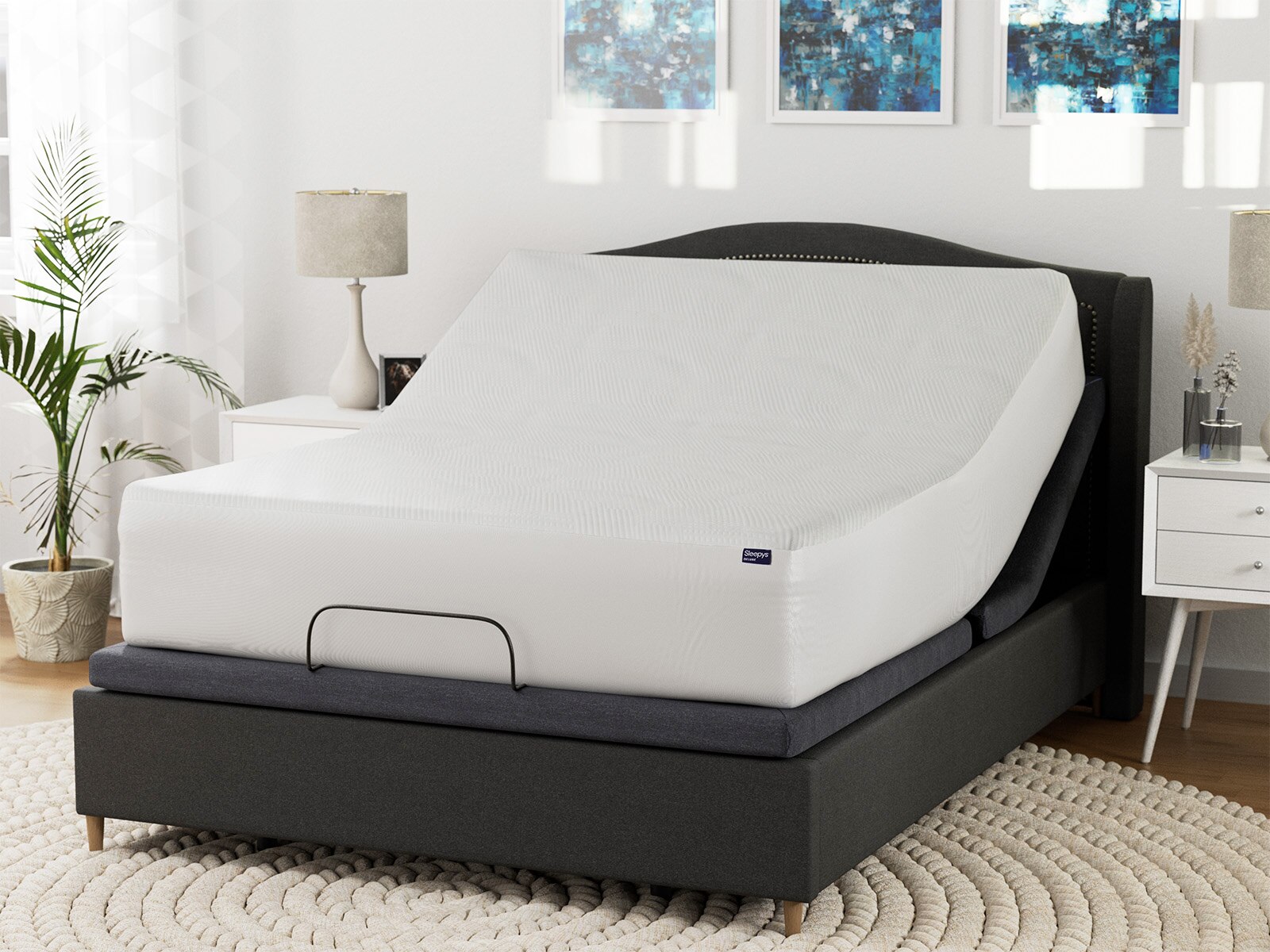
The cover is the first layer a sleeper feels, but the complete mattress construction determines whether that comfort remains supportive through the night. A quilted surface can sit above a firmer mattress or a more cushioning one, so visible loft should not be treated as a reliable measure of firmness. Side sleepers may appreciate enough contouring around the shoulder and hip to avoid feeling pressed against the surface, while back and stomach sleepers often look for support that limits excessive sinking through the middle. Body size, preferred position and personal comfort all affect how those layers respond. Someone who changes positions frequently may prefer a surface that allows easy movement rather than a deep, enveloping feel. Foam constructions can provide close contouring, while spring-based and hybrid constructions may offer a more responsive feel; the actual result depends on the materials and their arrangement. Latex can also contribute buoyant cushioning, though its feel varies with the design. For partners sharing a mattress, motion isolation and usable edge support deserve attention alongside cooling features. A lightly sleeping partner may notice movement across the bed, and someone who sits along the edge to put on socks will experience a different part of the mattress than someone resting in the center. Size and fit are equally practical considerations. A queen or king offers different amounts of shared sleeping space, while Twin XL and California King dimensions can be relevant when extra length is important. Overall mattress height affects fitted-sheet pocket depth and how easily someone can get into and out of bed. The bed frame or foundation must also provide the support specified for the mattress, including any requirements for slat spacing or center support. Compatibility with an adjustable base should be confirmed rather than assumed. For sleepers comparing stitched surfaces more broadly,
Quilted Comfort Mattresses offer a related category to explore, with overall feel and support still depending on the full construction rather than quilting alone.
Everyday bedding choices help determine how much of a quilted cool cover’s feel reaches the sleeper. A thick pad layered over the mattress can soften the surface, but it can also place more material between the body and the cooling fabric. A breathable, properly fitted protector offers a different balance, helping shield the mattress from everyday moisture and spills without adding substantial cushioning. Waterproof protection and breathability are separate characteristics, so both are worth checking in the protector’s description. Sheets should fit securely without pulling so tightly that they flatten the quilted surface or restrict its ability to contour. Smooth, lightweight fabrics may let the texture beneath remain more noticeable, while heavier bedding can change both the surface feel and the amount of warmth retained. Care begins with the mattress manufacturer’s instructions. Many quilted covers are integrated into the mattress and are not intended to be removed or machine washed, even when a zipper is visible. Unless the care directions state otherwise, removing that cover can damage the construction or expose internal materials. For a small spill, prompt blotting and manufacturer-approved spot cleaning are generally more appropriate than soaking the surface. Allow any cleaned area to dry fully before replacing bedding, and avoid concentrated heat or harsh cleaning products unless specifically permitted. Routine rotation, when recommended, can help distribute use, but flipping is appropriate only for a mattress designed for both sides. Durability depends on more than the cover’s appearance: the quality of the cushioning layers, the support beneath them, stitching integrity and proper foundation support all play a role. Some settling of quilted padding can occur with use, while a lasting change in comfort or support deserves closer attention. In a primary bedroom or a guest room, a quilted cool cover mattress works best as a thoughtfully matched combination of surface comfort, underlying support and manageable care, rather than as a cooling fabric considered on its own.