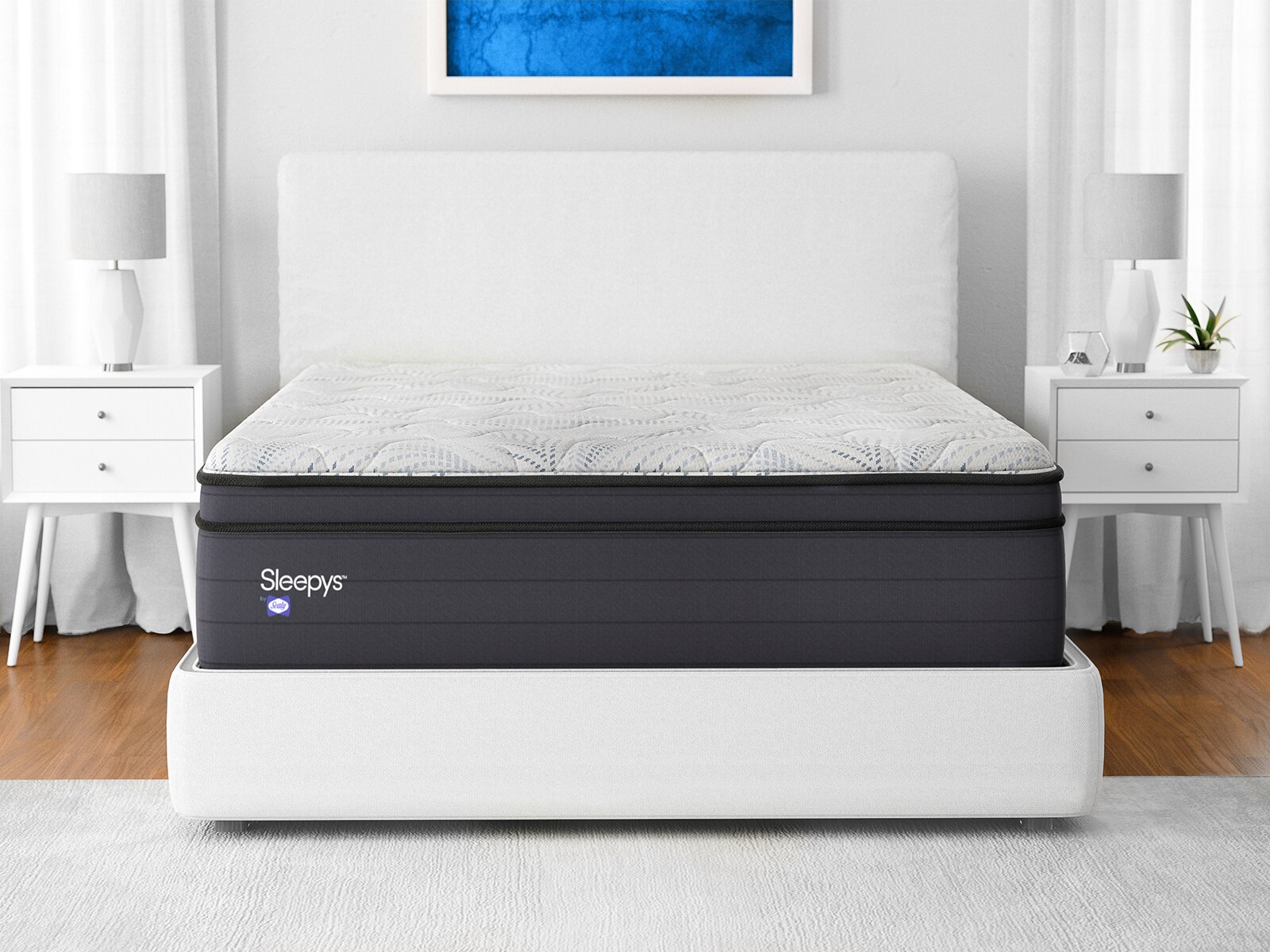
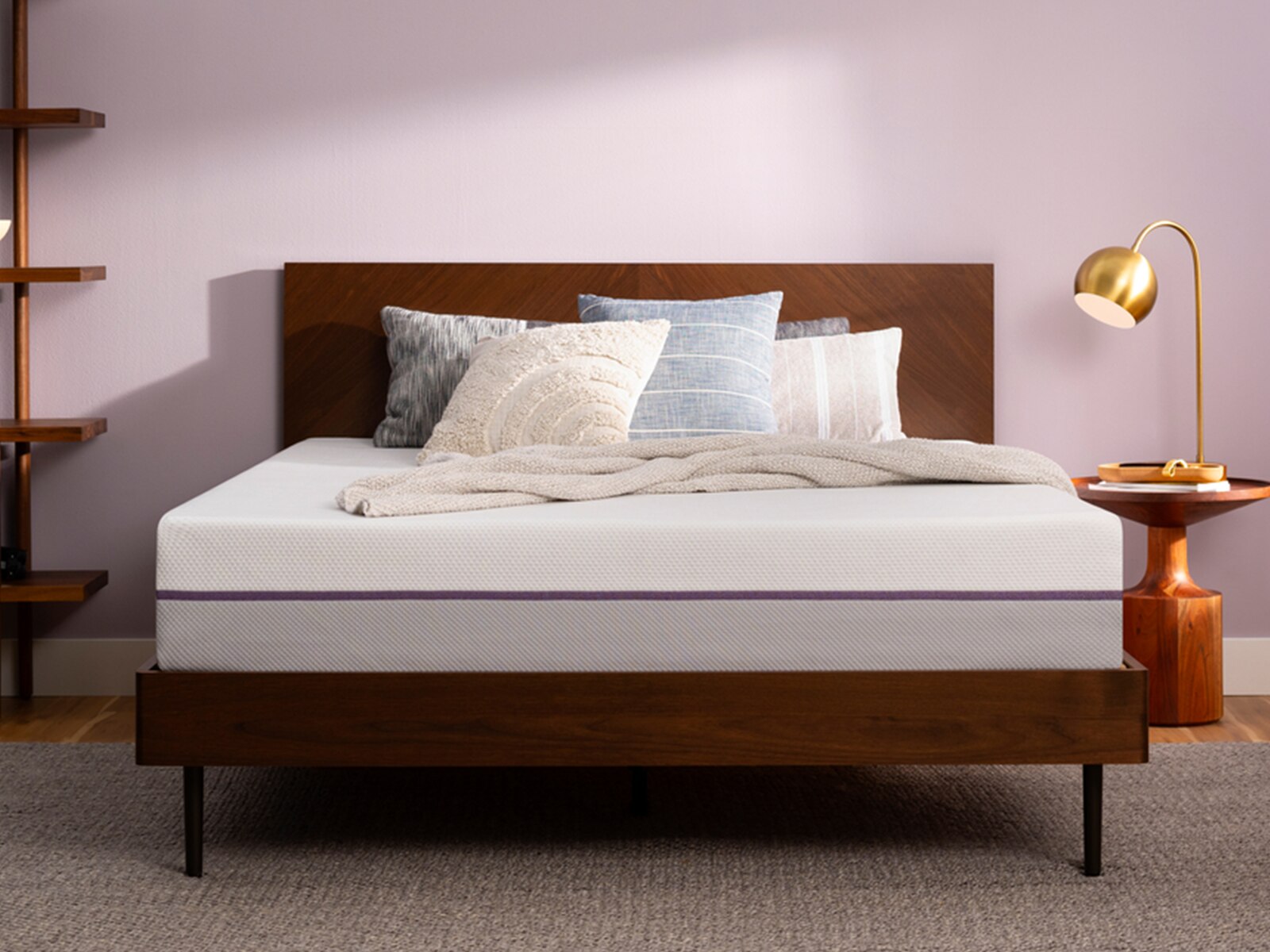
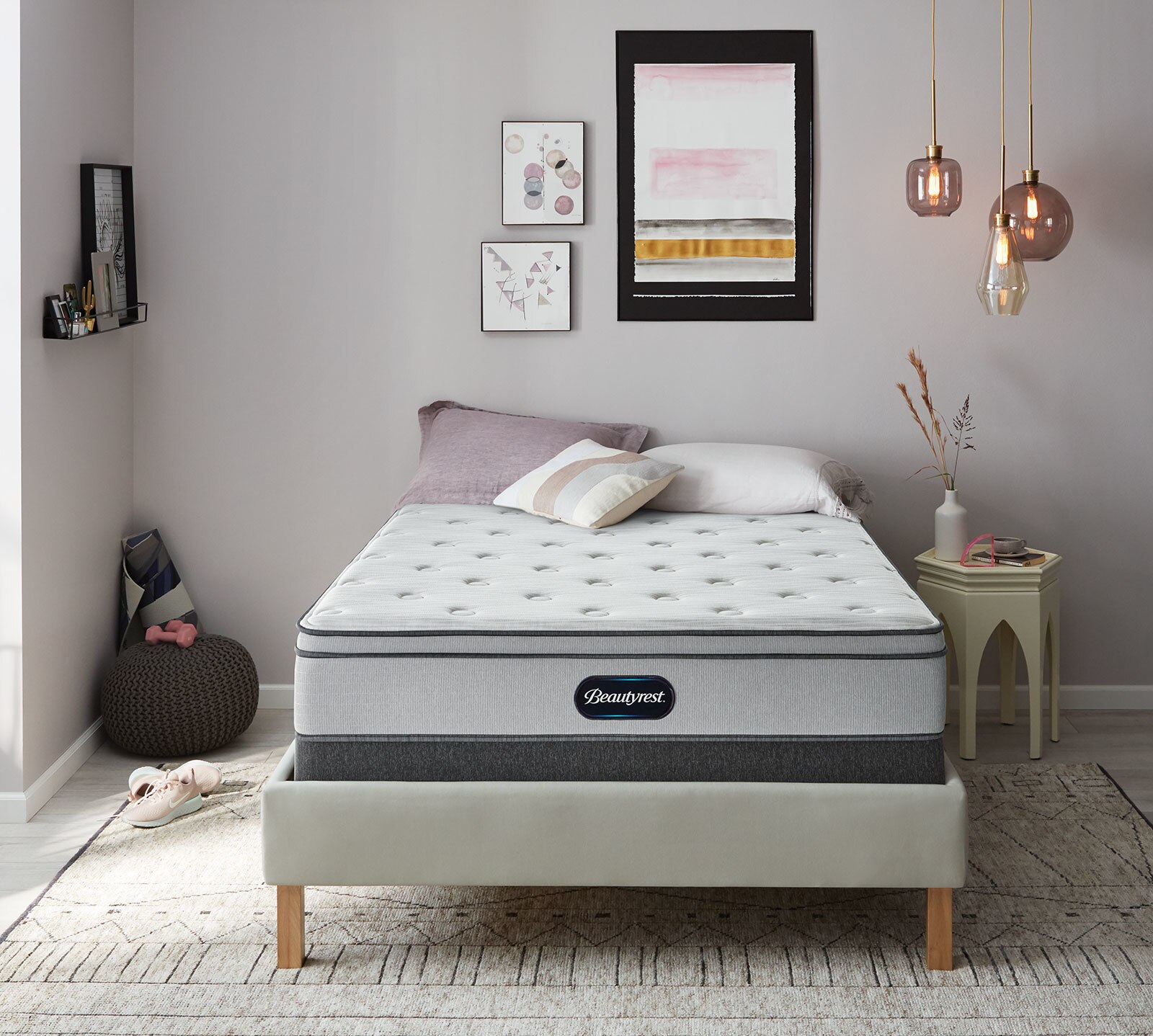
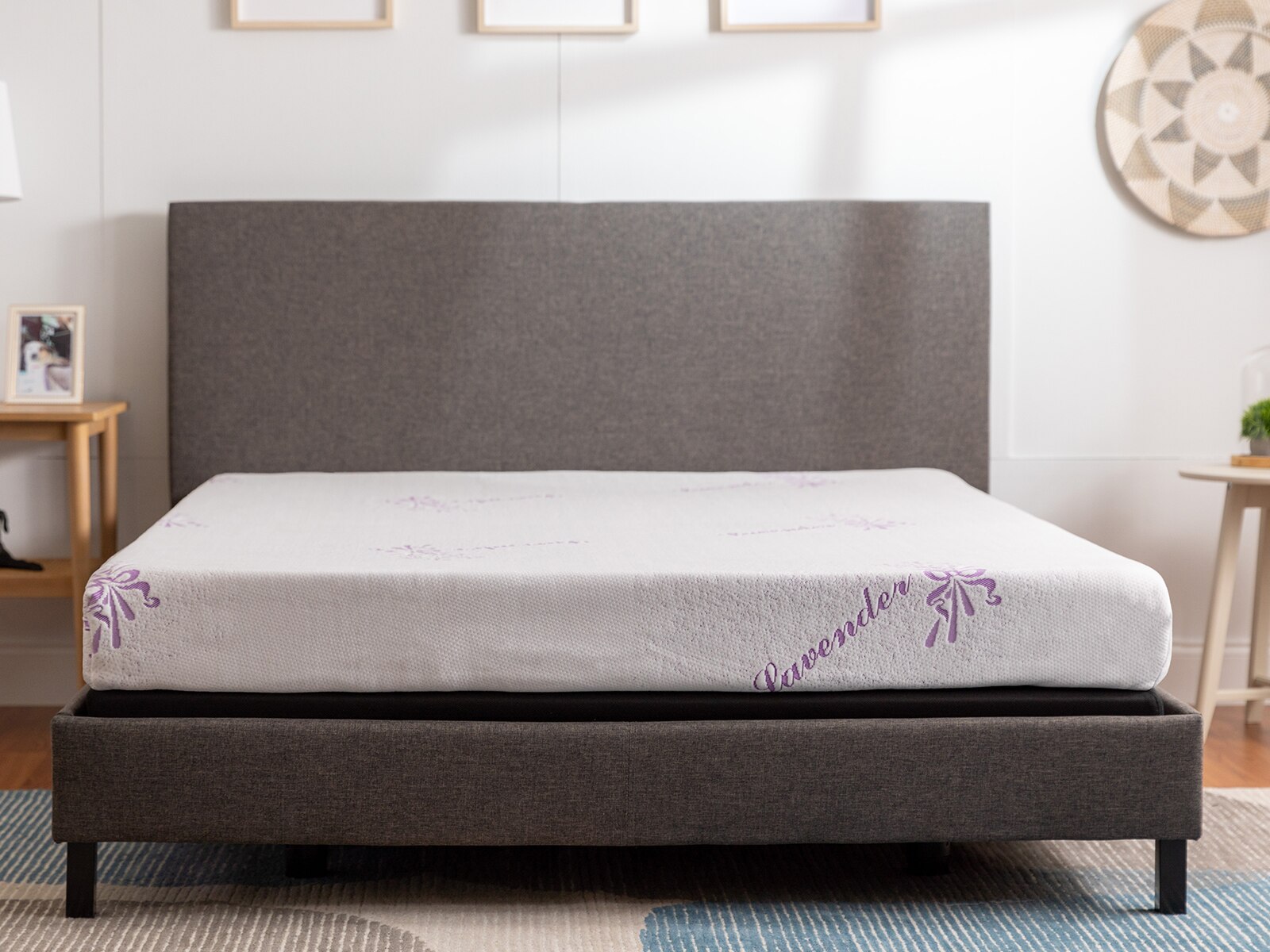
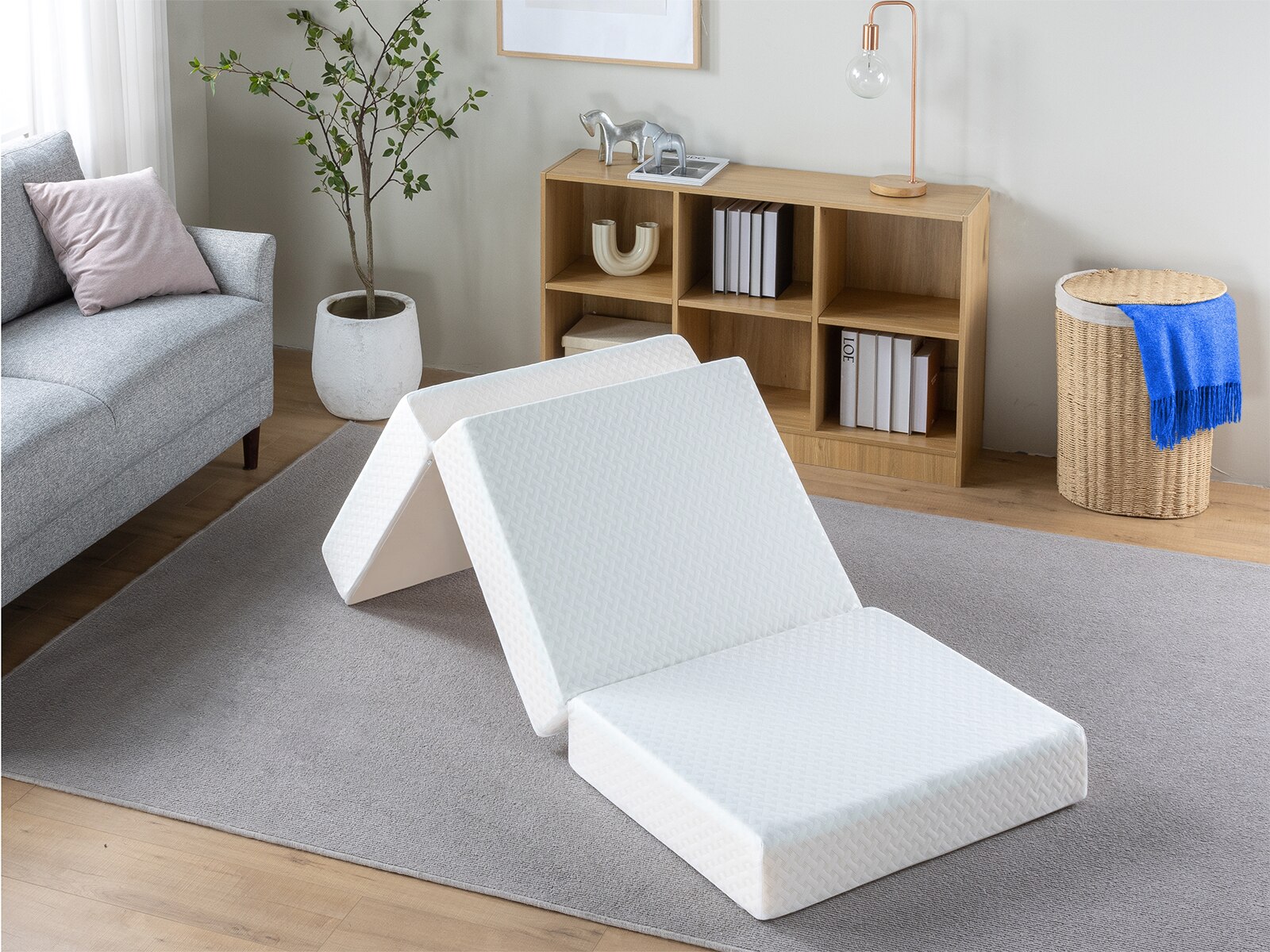
RV mattresses for seasonal camping help make a travel trailer, motorhome or fifth wheel feel more comfortable over a long weekend or an extended stay at a favorite campsite. The right fit balances everyday sleep preferences with the realities of a compact sleeping space: an enclosed bed platform, limited overhead clearance and a walkway that needs to remain usable. RV mattress sizes are not always interchangeable with household sizes, even when the names sound familiar. A short queen commonly measures 60 inches wide by 75 inches long, while a standard queen commonly measures 60 inches wide by 80 inches long; exact dimensions still need to match the vehicle’s bed platform. Bunk spaces, rounded corners and beds tucked against an angled wall can require additional measurements. Measuring the platform’s width and length, noting corner shapes and checking usable height helps prevent a mattress from blocking a cabinet, crowding a bedside shelf or extending into the aisle. Thickness also affects how easily someone can sit up beneath an overhead cabinet or climb into an upper bunk. There is no single mattress height that suits every RV, so the platform specifications and surrounding clearances matter more than a general recommendation. For a lift-up bed with storage beneath it, mattress weight can affect the operation of hinges and lifting hardware. The listed mattress weight, bed-platform limits and vehicle load requirements should all be considered together. Folding beds, convertible seating and slide-out spaces introduce another consideration: a mattress should only fold or bend if its construction is designed for that use. A good match leaves room for bedding without interfering with the bed’s movement. These details matter whether the mattress is used by a couple returning to the same campground throughout a season, a solo traveler spending several nights on the road or children settling into bunks after a day outdoors. A mattress that fits the space properly makes it easier to keep familiar bedtime routines, from reading with a small bedside light to getting comfortable without feet hanging beyond the end of the bed.
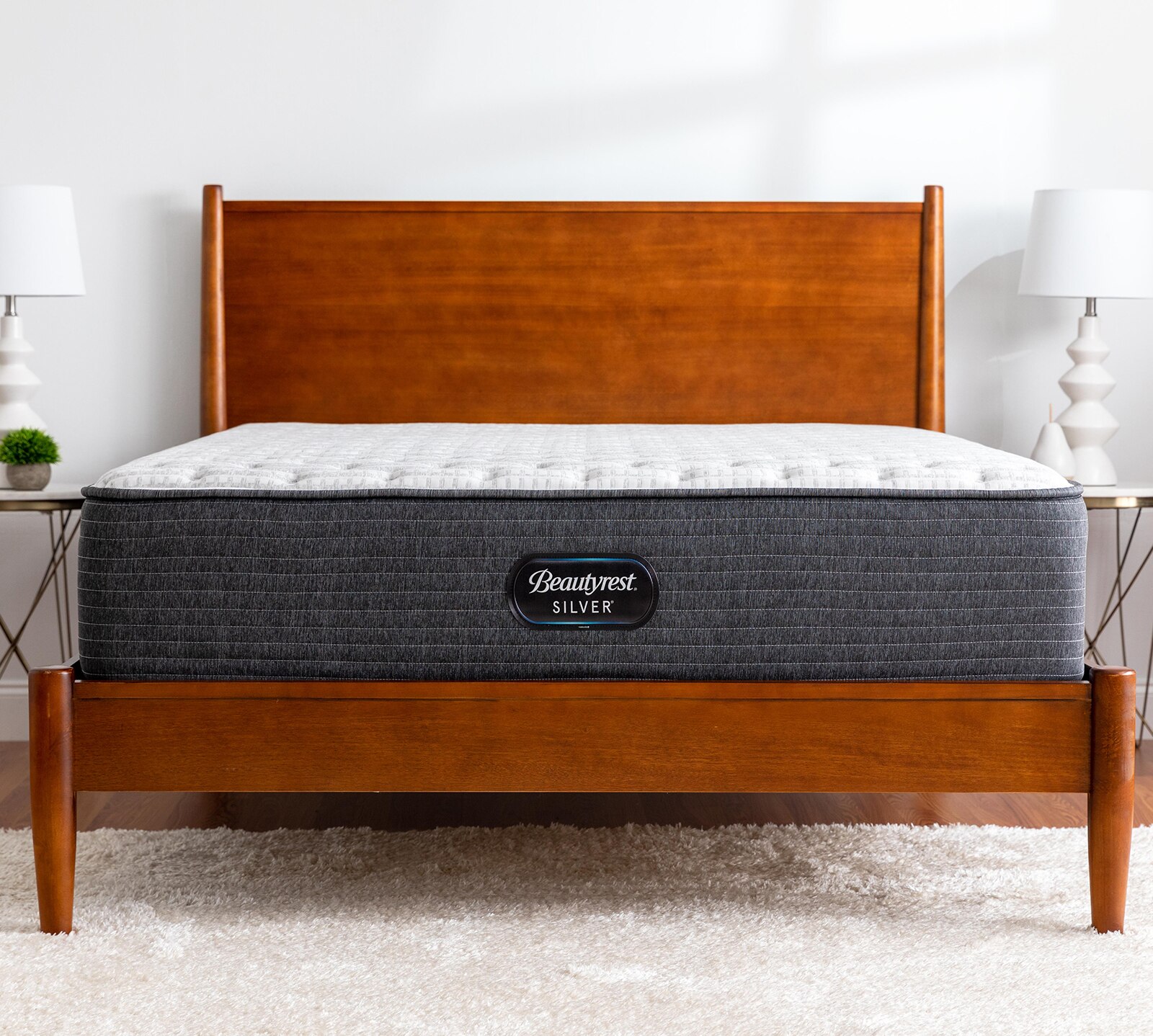
Materials influence how an RV mattress feels, how it responds to movement and how it performs through repeated overnight use. All-foam construction can provide contouring comfort without coils, while a hybrid combines foam or other comfort layers with a spring support system. Memory foam responds to body heat and pressure, which can help cushion shoulders and hips, especially for side sleepers. Some memory foams feel firmer in a cold cabin and soften as the sleeping space warms, so temperature sensitivity is worth considering for trips that span a broad range of conditions. Latex generally has a more responsive feel, allowing sleepers to change positions with less of a sinking sensation. Coils can add responsiveness and create space for air to move within the mattress, although the surrounding foam, cover and foundation also affect airflow. Cooling gels and breathable fabrics may influence surface comfort, but no material replaces cabin ventilation or moisture management beneath the bed. Firmness is equally personal. Side sleepers often appreciate cushioning around pressure points, while back and stomach sleepers may prefer a surface that limits excessive sinking through the middle of the body. Body size, preferred position and the amount of time spent in bed all shape that choice. For couples, motion isolation can help reduce the disturbance of someone turning over or getting up early, while edge support may be useful when the bed doubles as a place to sit while getting dressed. A topper can adjust the surface feel of a mattress that remains supportive, but it cannot reliably correct a sagging mattress or an uneven platform. It also adds height, which can change the fit of sheets and reduce clearance. Durability depends on the complete sleeping setup rather than the comfort layer alone. A sound foundation, appropriate support and construction suited to regular use help a mattress maintain its shape through repeated camping stays. Actual mattress weight should be checked rather than assumed from the material type, since dimensions and construction can produce substantial differences.
Seasonal camping also means thinking about what happens between trips, particularly when an RV sits closed for a stretch of time. Moisture can collect where warm indoor air meets a cooler bed platform, and mattresses placed against solid surfaces may have limited airflow underneath. Keeping the cabin ventilated when conditions allow, inspecting the underside of the mattress and using a ventilation layer when compatible with the bed system can help manage that environment. A breathable mattress is not mold-proof, and a dry surface does not always mean the underside is dry. Damp bedding, wet clothing left on the bed and spills that soak through a cover can all add moisture to a small sleeping space. A properly fitted mattress protector helps guard against everyday spills and dirt, while washable bedding makes cleanup simpler after sandy shoes, dusty trails or a rainy arrival at camp. Protector depth should match the mattress height so the corners stay secure without pulling tightly across the surface. Cleaning should follow the mattress manufacturer’s directions, with particular attention to whether a cover is removable and washable. Foam should not be saturated, and any cleaned area needs to dry completely before the bed is made or the RV is closed for storage. Checking the mattress and platform before each extended stay can reveal lingering dampness, damaged support or an area that has begun to sag. Rotation may help distribute wear if the manufacturer recommends it, but flipping is only appropriate for a mattress designed to be used on both sides. Campers planning a midsummer stay can also explore
RV Mattresses For July Camping, keeping accurate sizing, comfortable support and ventilation in mind. Whether the campsite is a base for fishing mornings, family cookouts or quiet evenings beneath the awning, an RV mattress suited to the space and the sleeper helps make nights away feel more settled.