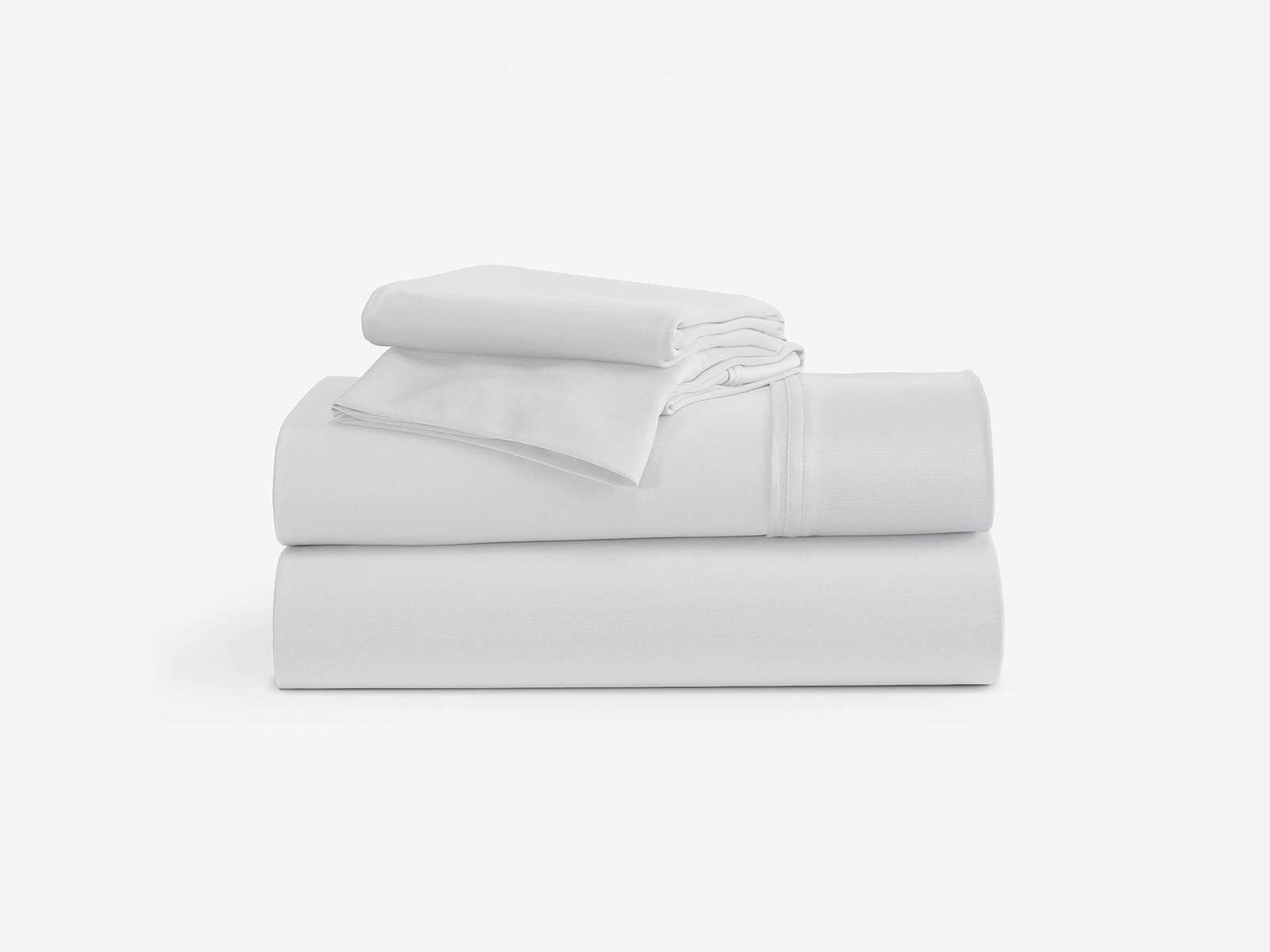
Sanitary bedding includes waterproof mattress covers, disposable underpads and washable soaker pads designed to help manage moisture, leaks and spills while protecting the sleep surface. These layers serve different purposes: a mattress protector creates a barrier over the mattress, while an absorbent pad collects moisture in a smaller area and may include a backing that helps prevent liquid from reaching the layers below. Together, thoughtfully chosen bedding can make everyday cleanup more manageable without taking away the familiar comfort of a well-made bed. This type of bedding can be useful for adults managing occasional incontinence, families supporting a child through nighttime accidents, people recovering at home or anyone who wants added protection against an overturned glass of water. In a guest bedroom, a discreet protector beneath the fitted sheet can help preserve the mattress between visits. In a caregiving setting, a removable pad may make it possible to replace a damp layer without stripping the entire bed after every small leak. Washable soaker pads are intended for repeated use when cared for according to their labels, while disposable underpads are designed to be discarded after use. Neither format is automatically the better choice; the practical difference often comes down to how frequently changes are needed, access to laundry and the amount of bedding someone can comfortably handle. Absorbency also varies, so a thin pad intended for an occasional spill should not be assumed to perform like one designed for more substantial moisture. A soft surface, a secure position and enough coverage for the area that needs protection all matter. Sanitary bedding helps manage messes, but it does not make a bed sterile or replace regular laundering and prompt changes when fabric becomes wet or soiled. Its everyday value is straightforward: fewer liquids reaching the mattress, more manageable care and a sleep space that is easier to keep clean.
Materials and fit make a noticeable difference in how protective bedding feels and performs. Cotton surfaces can offer familiar softness and absorbency, while polyester fabrics and blended constructions may provide durability or shorter drying times, depending on their weave and weight. An absorbent pad typically combines a comfortable top layer, a moisture-holding middle layer and, when specified, a liquid-resistant backing. Waterproof protectors use a barrier designed to block liquids, but water-resistant fabric may only slow their passage. Those terms are not interchangeable, and neither one describes how much moisture a pad can absorb. A protector can block a spill without absorbing it, leaving liquid on the surface until the bedding is changed. Coverage matters just as much as construction. A fitted protector generally stretches over the top and sides of a mattress, while a zippered encasement surrounds it; liquid protection still depends on the individual design, including seams and closures. Mattress measurements should account for both bed size and depth, especially when a topper adds height. A pocket that is too shallow may pull loose at the corners, while excess fabric can gather beneath the sheet. For an underpad, the useful measurement is the protected area rather than the size of the entire bed. A pad positioned beneath the hips needs enough room to accommodate normal movement, and a backing designed to resist shifting may help it stay in place. Pads should never be treated as lifting or repositioning aids unless specifically designed for that purpose. Comfort deserves equal attention: stiff backing, prominent seams or a rustling surface may be more noticeable to someone who changes positions frequently. Layers that lie flat help preserve the feel of the mattress underneath. For shoppers also considering
Sanitized Firm Mattresses, firmness and protective bedding address separate needs: one concerns the feel of the sleep surface, while the other helps manage moisture and everyday soiling.
Care requirements are an important part of choosing sanitary bedding because protective performance needs to hold up beyond the first wash. A household handling frequent bedding changes may benefit from washable layers that fit comfortably in the washing machine and can be dried according to the care label. Bulky pads can become heavy when wet, so their size and weight deserve consideration alongside absorbency. Having a clean replacement ready can make an unexpected change less disruptive, particularly when someone needs help getting settled again. Washing instructions should specify suitable settings, detergent guidance and drying limits; excessive heat, chlorine bleach or fabric softener can damage some waterproof barriers or affect the absorbency of certain fabrics. A label permitting machine washing does not necessarily mean every wash cycle or dryer setting is appropriate. Complete drying also matters before bedding goes back on the mattress or into storage. Over time, repeated laundering and everyday movement may cause backing to crack, seams to separate or layers to bunch. Visible wear, persistent dampness beneath a pad or a protector that no longer blocks liquid can signal that its protective function has declined. Disposable underpads offer a different care routine, but they still need timely replacement and appropriate disposal rather than flushing. Regardless of format, absorbent bedding should not be left in place simply because its outer surface feels relatively dry. For someone managing incontinence or receiving care at home, regular checks and prompt changes help limit prolonged contact with wet fabric; bedding is only one part of an appropriate personal care routine. In shared households, keeping clean pads folded together and separating used bedding from fresh linens can make changes simpler and more discreet. The most practical sanitary bedding is not necessarily the thickest or most elaborate. It is the combination of dependable protection, comfortable fabric, suitable coverage and manageable care that fits the person using the bed and the household maintaining it.