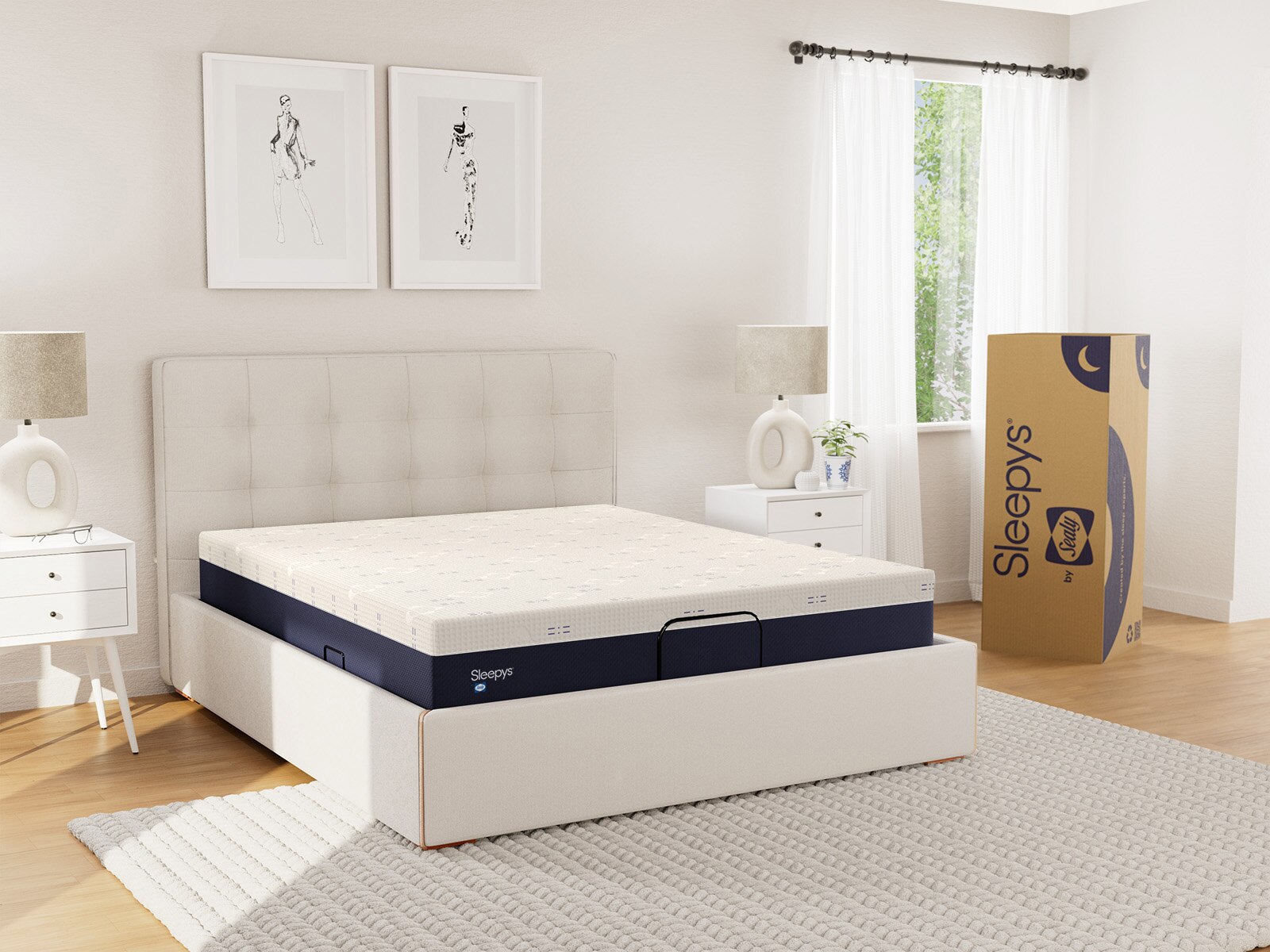
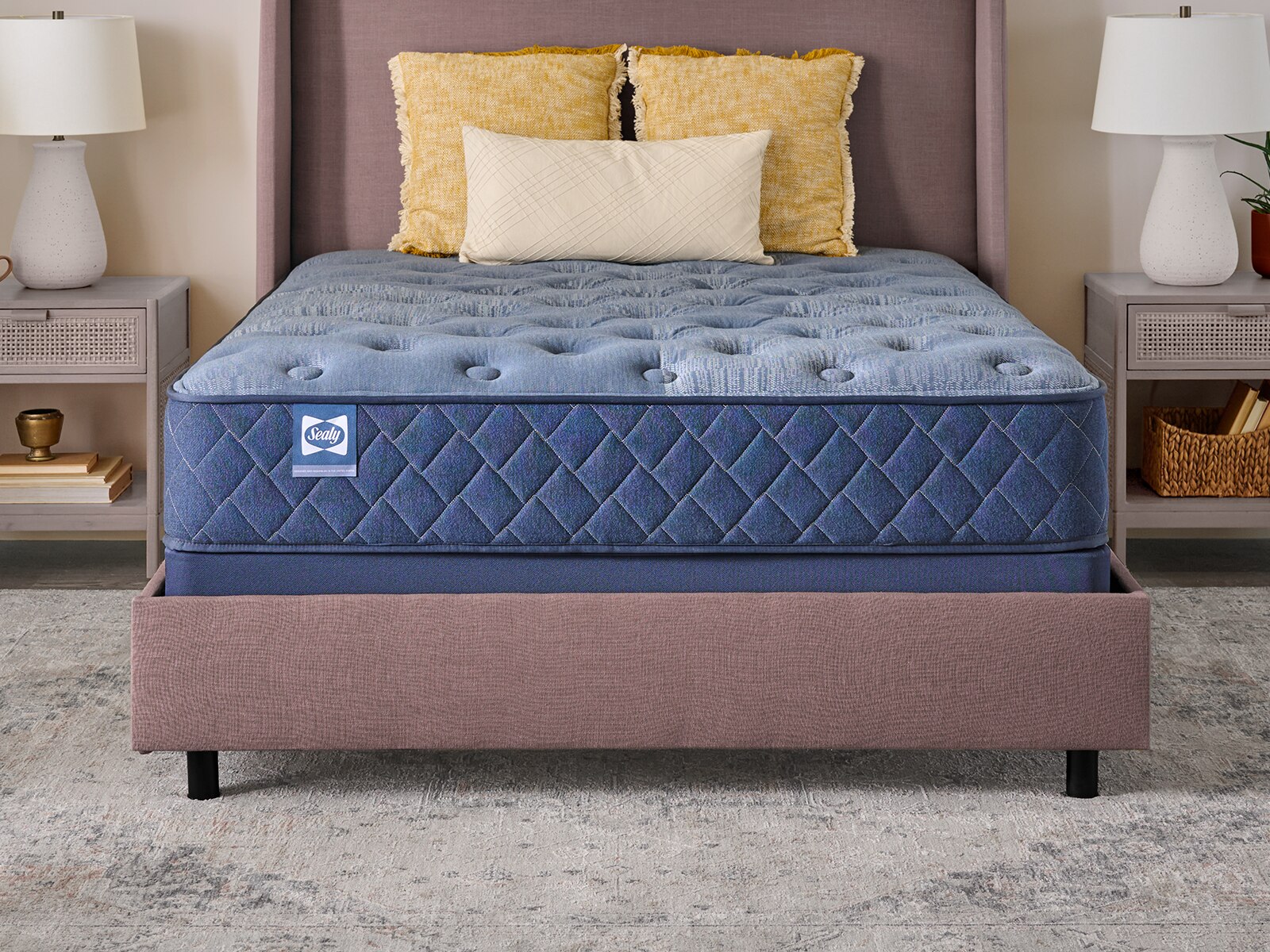
Mattresses for back sleepers balance steady support with enough cushioning to follow the body’s natural curves. Lying on the back places much of the body’s weight through the shoulders, torso and hips, so the sleep surface needs to support those areas without allowing the pelvis to settle too deeply. Medium-firm or firm hybrid and innerspring mattresses can be a good match, especially for sleepers who prefer a level, lifted feel. Firmness alone, however, does not determine how well a mattress supports the body. A firm surface with very little cushioning may feel uncomfortable beneath the shoulders or tailbone, while a mattress with a softer comfort layer can still provide substantial underlying support. The goal is a comfortable resting position that preserves the spine’s natural curves rather than forcing the lower back flat. Body weight and proportions affect that balance: a lighter sleeper may experience a mattress as quite firm, while someone with a larger frame may sink farther into the same construction. For someone who starts the night on their back but rolls onto a side, a little more cushioning around the shoulders and hips may make changing positions more comfortable. A dedicated back sleeper who dislikes a deep, enveloping feel may prefer a more responsive surface that makes repositioning easier. Pillow height matters, too. A pillow that pushes the chin toward the chest can disrupt an otherwise comfortable setup, while one that supports the head and neck without excessive lift can complement the mattress. Some back sleepers also find a small pillow beneath the knees comfortable because it allows the legs to rest with a slight bend. These details help explain why the best mattress for back sleeping is not necessarily the hardest one; it is the one that combines suitable support, comfortable contouring and a feel that works with the sleeper’s body.
Construction shapes how that balance feels from the moment someone lies down through a full night of rest. Innerspring mattresses use a coil support system and comfort materials above it, often creating a buoyant feel with relatively easy movement. Hybrid mattresses combine a coil core with more substantial cushioning layers, offering a blend of responsiveness and contouring. Memory foam generally conforms gradually around the body, which can soften pressure beneath the shoulders and hips while limiting movement felt from a partner. More responsive foams tend to recover their shape faster, a useful quality for sleepers who turn frequently or prefer not to feel nestled deeply into the surface. Latex, where included, can provide contouring with a springier response. Each material behaves differently, and the overall feel depends on the complete construction rather than a single layer or material name. Targeted support through the center of a mattress may help reinforce the area beneath the torso and pelvis, although its effect varies with body shape and sleeping position. Individually wrapped coils can respond more independently to pressure than connected coil systems, but coil count by itself is not a reliable measure of comfort or durability. Foam quality, coil design, layer thickness and the way those components work together all matter. Edge support is another practical consideration, particularly for someone who sits at the bedside to put on slippers or shares a mattress and uses the full width. A stable perimeter can make those moments feel more secure, though edge firmness varies by construction. Couples may also appreciate motion isolation when one person changes position or gets into bed later. For back sleepers, these construction details work together: the support core manages weight, the comfort layers cushion contact points and the surface response influences how easily the sleeper can shift into a comfortable position.
A good fit also includes the bed frame, room layout and everyday care that help a mattress perform as intended. A queen can suit many shared bedrooms, while a king provides more room for partners to rest without crowding each other’s shoulders or arms. Taller sleepers may appreciate the added length of a California King, provided its dimensions work with the room and foundation. Mattress height deserves attention beyond appearance: a thick mattress on a tall base can make getting into bed awkward, while a lower setup may require more effort to stand from. The mattress and foundation should be compatible, with the support specified by the manufacturer; gaps between slats, an unsuitable base or missing center support can affect performance. Adjustable-base compatibility should also be confirmed rather than assumed. For shoppers whose comfort needs extend beyond sleep position,
Sealy Mattresses For Back Pain is a related collection to explore. A mattress can influence sleeping comfort, but persistent or worsening back pain deserves attention from a healthcare professional. Once a mattress is in use, a well-fitting protector can help shield the surface from spills and everyday moisture, and sheets should fit securely without pulling tightly across the comfort layers. Cleaning should follow the care label, with spot cleaning and thorough drying used only as directed. Rotation may help distribute wear when the manufacturer recommends it, but many layered mattresses are designed for one-sided use and should not be flipped. Durability depends on materials, construction, support beneath the mattress and daily use, not simply on how firm the surface feels at first. Over time, a shallow body impression may reflect normal settling, while a lasting dip accompanied by reduced support or new discomfort warrants closer attention. With an appropriate foundation and consistent care, a mattress chosen for back sleeping can provide a dependable setting for nightly rest, quiet reading before bed and comfortable mornings.