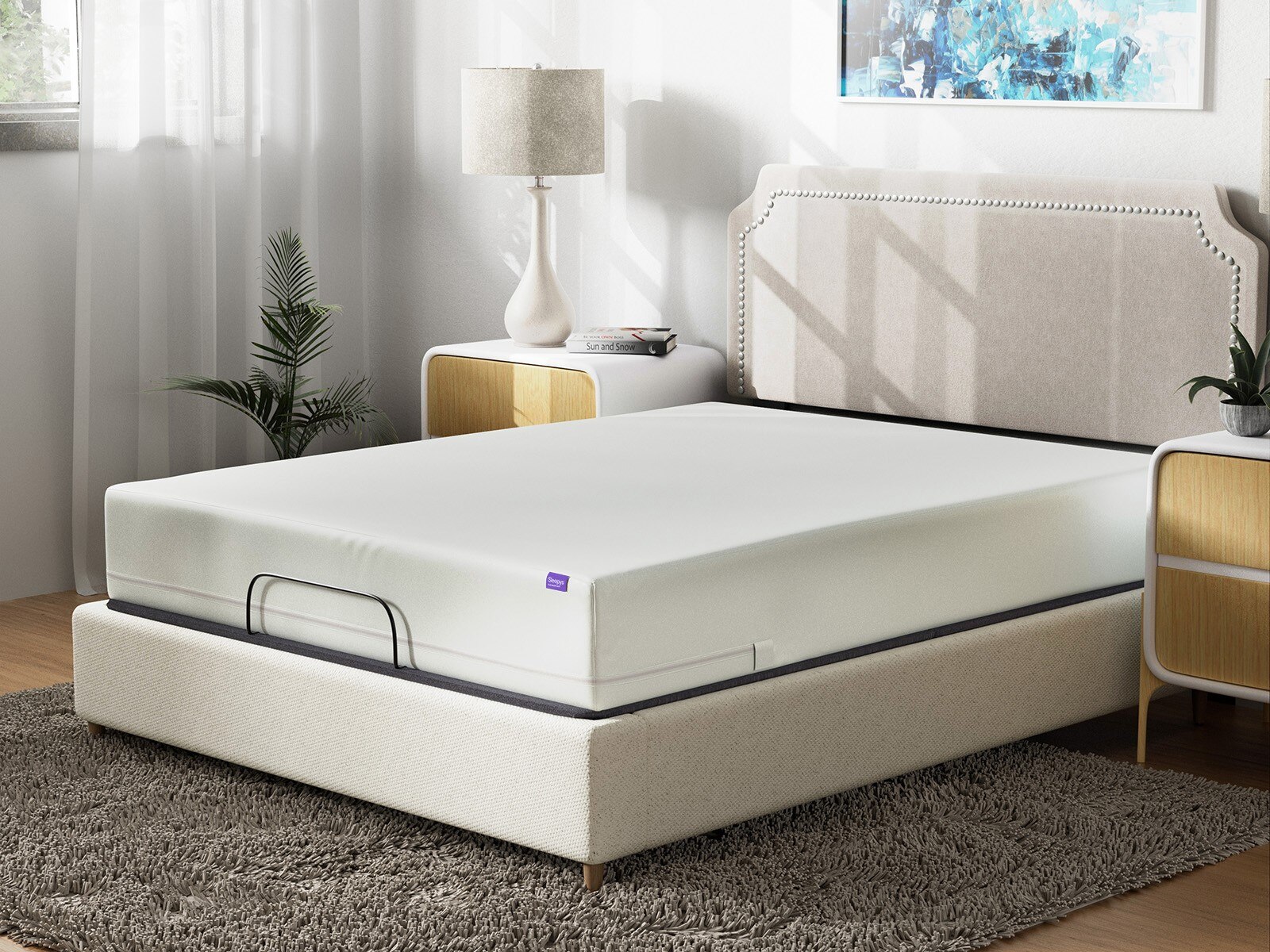
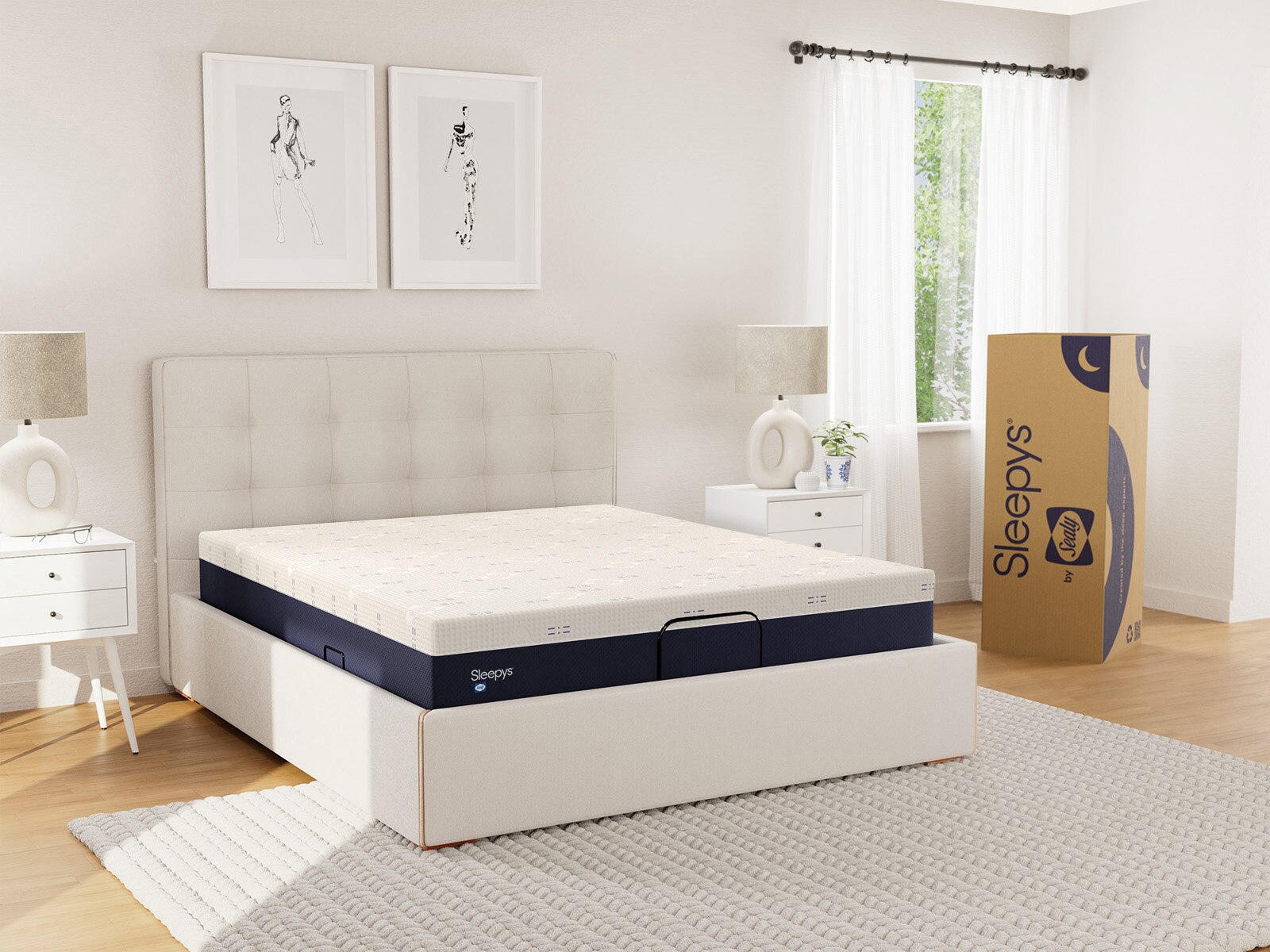
A standard queen mattress measures 60 inches wide by 80 inches long, or five feet wide by six feet eight inches long. These queen mattress dimensions describe the mattress itself, not the outer dimensions of a bed frame or headboard. Compared with a full mattress, which measures 54 inches by 75 inches, a queen provides six additional inches of width and five additional inches of length. That extra room can make a difference for someone whose feet reach the end of a full bed or for two people sharing a sleep surface. A queen gives each of two sleepers approximately 30 inches of width, while a standard king measures 76 inches wide by 80 inches long and adds 16 inches of shared space without adding length. For a single sleeper, a queen leaves room to stretch out, change positions or settle in with a book before bedtime. For couples, it balances shared sleeping space with a footprint that works in many bedrooms. Room fit depends on more than the mattress measurements, though. A queen bed may fit in a bedroom measuring 10 feet by 10 feet, but its placement, frame dimensions and surrounding furniture determine how comfortable that layout feels. A room measuring 10 feet by 12 feet generally allows more flexibility, especially with nightstands or a dresser. Leaving approximately 24 to 30 inches of clearance along accessible sides can make everyday movement easier where the layout permits. Open drawers, swinging closet doors and the path from the bedroom entrance all need consideration. A low-profile platform may keep the room visually open, while an upholstered frame or footboard can extend beyond the mattress on several sides. Delivery access matters as well: narrow stairways, tight hallway turns and door openings can affect how a queen mattress reaches its room. Checking the mattress, frame and room measurements together helps create a sleeping area that feels thoughtfully arranged rather than crowded.
Queen mattresses come in several constructions, and the material beneath the cover influences how the bed responds when someone lies down or rolls over. Memory foam typically contours closely around the body, creating a more cradling feel and helping absorb movement across the surface. Other cushioning foams can feel more responsive, allowing sleepers to shift positions with less of a sinking sensation. Latex often has a buoyant, resilient feel, although its comfort varies with the formulation, thickness and layers around it. Innerspring mattresses use a coil support system, while hybrids combine coils with substantial comfort layers such as foam or latex. Individually wrapped coils can respond more independently than interconnected spring systems, though overall performance depends on the complete construction. These differences matter when a queen serves two people with distinct sleep habits. Someone who turns frequently may appreciate easier movement, while a light sleeper may prioritize motion isolation when a partner gets up. Edge support is another useful consideration because a stable perimeter can make more of the surface feel usable and provide a steadier place to sit while getting dressed. Firmness describes the surface feel, while support concerns how the mattress holds the body; a softer mattress is not automatically unsupportive, and a firmer mattress is not automatically a better fit. Side sleepers often look for cushioning around the shoulders and hips. Back and stomach sleepers may prefer a feel that limits excessive sinking through the middle. Body size, personal preference and pillow height also influence comfort. For a shared queen, the most suitable balance is one that accommodates both sleepers without requiring either person to stay in a narrow strip near the edge. In a guest bedroom, a balanced feel can serve visitors with varied preferences. A queen can also suit an adult moving into a first apartment or someone updating a longtime bedroom, provided the room and support system accommodate its dimensions.
The right foundation helps a queen mattress perform as intended. Depending on its construction, a mattress may require a solid platform, closely spaced slats or another approved support system. Slat spacing, center support and weight capacity should match the mattress manufacturer’s requirements; an attractive frame alone does not establish compatibility. An adjustable base adds another consideration because not every mattress is designed to bend with a moving foundation. Mattress height affects the finished bed as much as its width and length. A thick mattress on a tall foundation can create a bed that is difficult to get into, while a lower combination may be less comfortable for someone who prefers a higher sitting surface. Measuring the combined height of the frame, foundation and mattress gives a clearer picture of everyday use. Bedding fit deserves similar attention. Standard queen sheets correspond to the 60-by-80-inch surface, but fitted-sheet pocket depth must also accommodate the mattress height and any topper. A protector that fits securely can help shield the surface from spills and everyday moisture without bunching beneath the sheet. Headboard proportions contribute to both function and appearance, and queen mattress headboards can differ in width, mounting method and clearance above the mattress. Coordinating
queen mattress headboards with the frame and finished bed height helps keep pillows from obscuring the design or exposing an unintended gap. For ongoing care, follow the mattress care label, address spills promptly and allow cleaned areas to dry completely before replacing bedding. Rotate the mattress only as directed, and do not flip it unless its construction is intended for use on both sides. Durability depends on material quality, construction, use and proper support rather than thickness alone. Persistent sagging, damaged edges or a noticeable change in comfort can signal that the sleep setup needs attention. With compatible support, well-fitting bedding and consistent care, a queen mattress can remain a practical centerpiece for a comfortable bedroom.