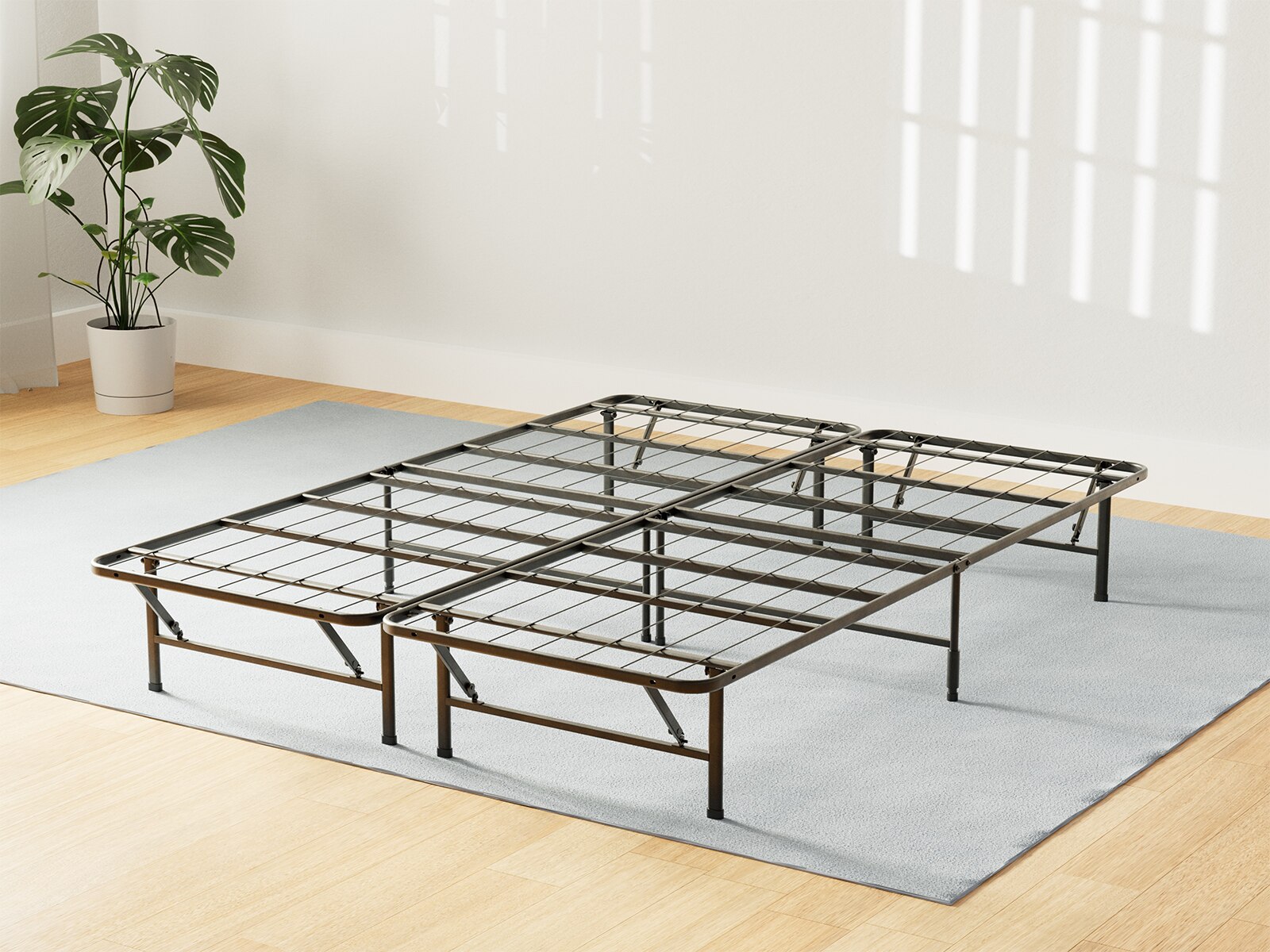
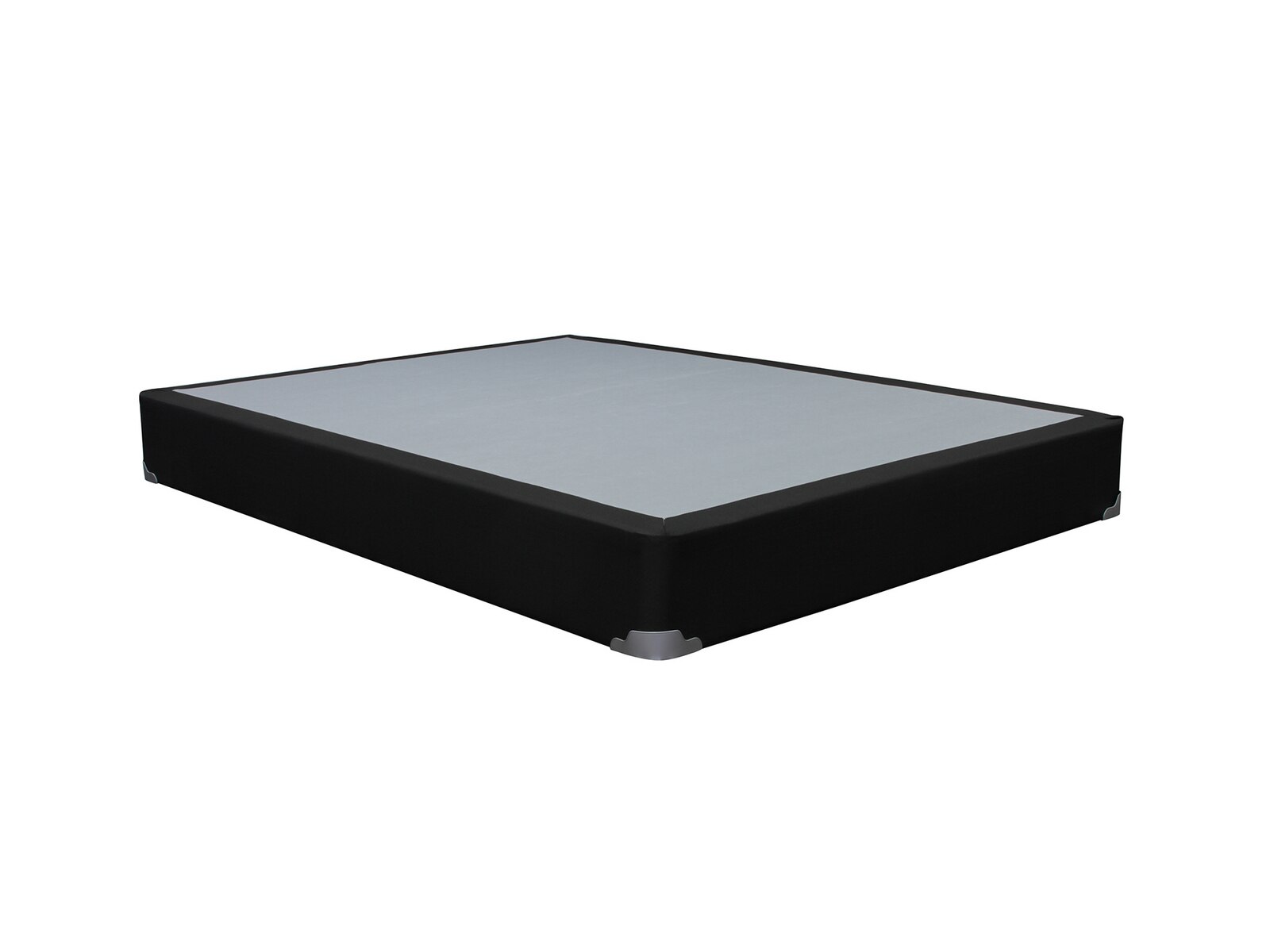
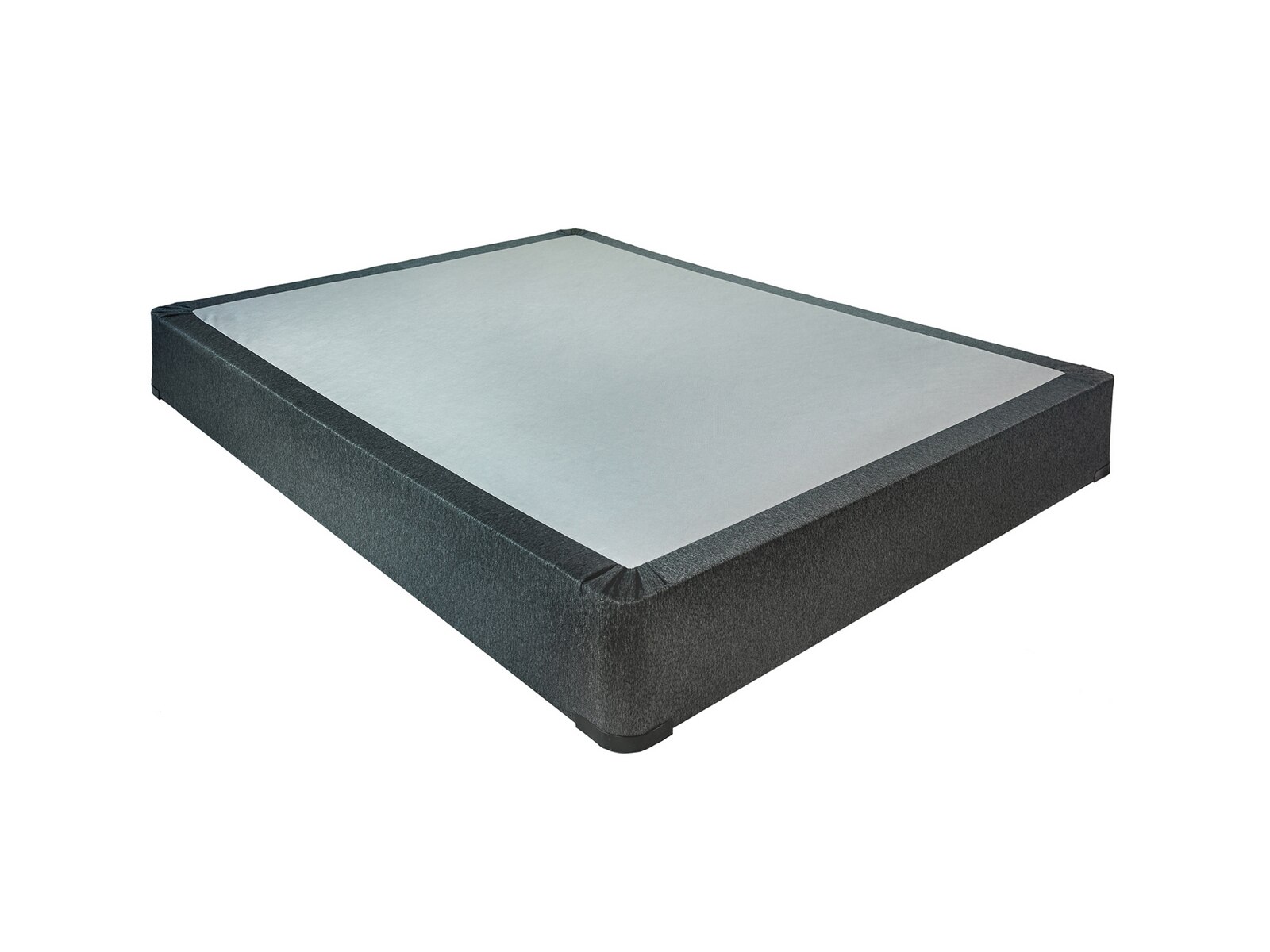
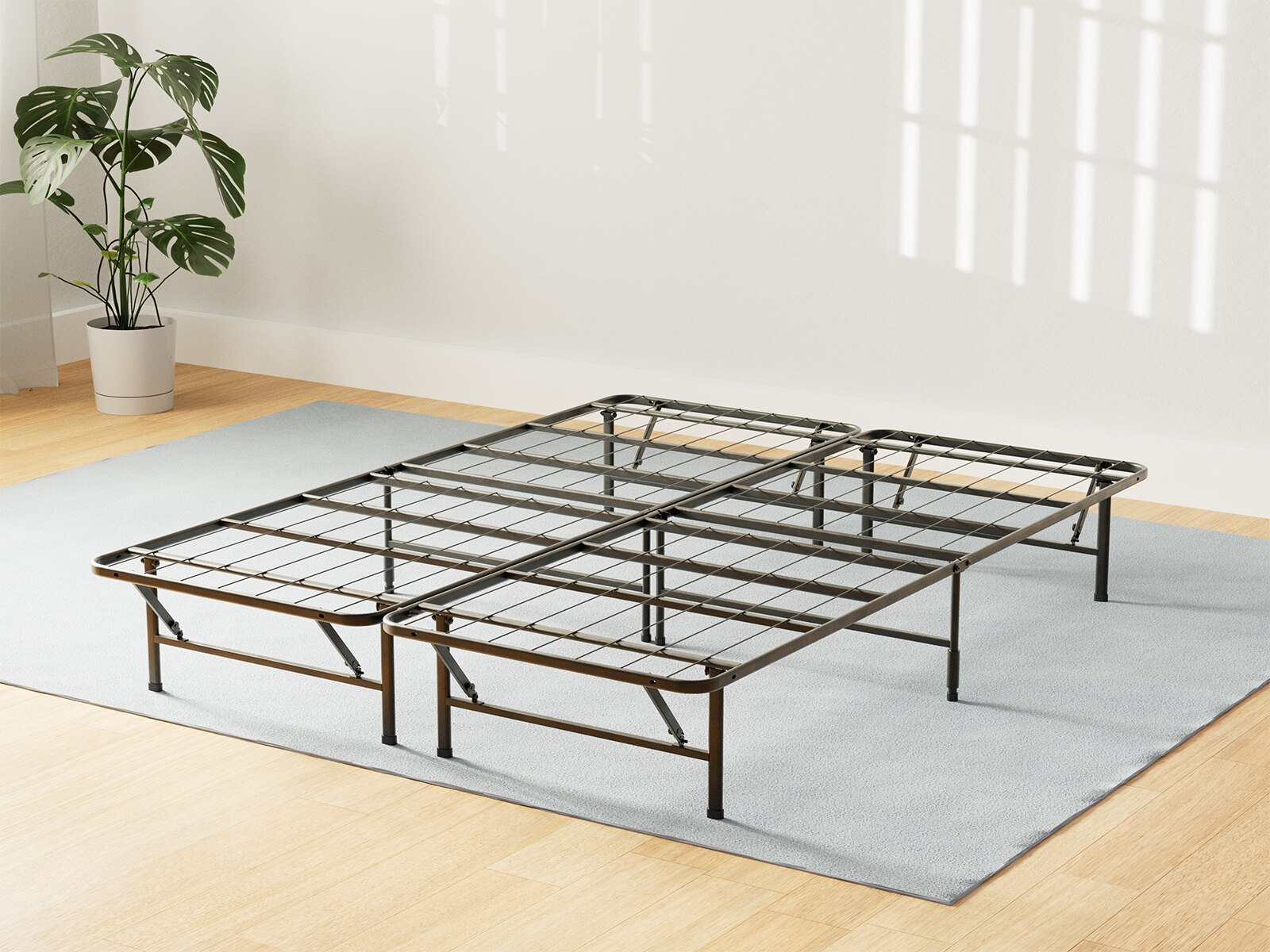
Solutions For Bed Frame Support can help create a steadier, more dependable foundation beneath your mattress and make the entire bed feel more secure. A bed frame may need extra support when the center bows, slats flex under weight, rails separate from the corners or the surface develops a persistent squeak. Some frames are built with a center beam and support feet, while others rely on widely spaced slats that may not provide enough reinforcement for a particular mattress. The right solution depends on the frame’s construction, mattress size and the type of movement or wear you notice. Start by measuring the inside length and width of the frame, checking the distance between slats and confirming how the existing rails connect. A full, queen or king frame generally spans a wider area than a twin or Twin XL frame, so larger sizes often benefit from center-to-head support, additional legs or a multi-rail system designed to distribute weight more evenly. For a wooden frame, sturdier replacement slats can help reduce flexing when they fit securely from side to side. A metal frame may need a compatible center support bar, cross-rails or adjustable feet that attach without forcing the frame out of alignment. If the frame is missing a stable, level surface, a low-profile bunkie board can provide a flatter layer over the existing structure while preserving more clearance than a traditional foundation. A properly cut sheet of plywood may also add rigidity over slats, but it should fit the frame correctly and be lifted or checked periodically so air can circulate and moisture does not remain trapped beneath the mattress. Before choosing any support product, review its weight capacity, required hardware, installation method and compatibility with your frame and mattress. Support should sit level on the floor, make full contact where intended and remain secure when the bed is used. Avoid placing loose boards or improvised materials where they could shift, catch on the frame or create uneven pressure beneath the mattress. If a frame is cracked, bent, unstable or missing essential hardware, replacing the damaged component or selecting a new foundation may be safer than adding reinforcement to a weakened structure.
These products can be useful for anyone who wants to refresh an older bed setup without changing the mattress or replacing the entire bedroom suite. A sleeper who notices a dip in the middle of the bed may need center reinforcement rather than a new sleep surface, while someone who feels movement when turning may benefit from stronger slats or a more secure connection between the rails. A couple sharing a queen or king bed may appreciate support that helps minimize motion through the frame, particularly when one person gets in or out during the night. Center legs and cross-supports can also help distribute weight across a broader area, reducing the strain placed on individual slats and corner joints. For a guest room, a low-profile support board or replacement slats can make an older frame feel more prepared for visitors without adding a bulky foundation. These solutions may also be practical for a college apartment, first home or recently furnished bedroom where the available frame does not quite match the mattress requirements. They can make a thoughtful housewarming gift when paired with a simple conversation about bed size and frame type, although measurements should always be confirmed before purchase. A person moving into a new space may discover that a familiar mattress feels different on an unfamiliar frame, especially when the new frame has wider slat spacing or lacks a center beam. Adding the right support can help restore a solid, even feel and protect the investment in the mattress. During the warmer season, when people often rearrange bedrooms, move to a new home or make room for visiting family, it is a natural time to inspect the frame for loose fasteners, worn slats and dust beneath the bed. As the weather turns cooler and bedrooms become a place to settle in for longer evenings, a stable foundation can make the room feel quieter and more comfortable. These solutions are also useful after a frame has been assembled, disassembled and moved, since repeated relocation can loosen connections that were once snug. Tightening hardware, confirming that every leg reaches the floor and checking for a level surface are simple steps that can complement a new support component.
Choosing among bed frame support solutions is easier when the problem is identified before shopping. A frame that bends in the middle may call for a head-to-toe center beam with adjustable support legs, while a frame with long gaps between side-to-side slats may need thicker slats, extra rails or a bunkie board to create a more consistent base. If the issue is noise, inspect the joints, bolts and points where wood meets wood or metal meets metal. Felt pads, secure fasteners or a correctly fitted support piece may reduce rubbing, but persistent creaking can indicate that the frame is shifting or carrying weight unevenly. Consider the mattress manufacturer’s foundation requirements as well. Some mattresses perform best on slats with limited spacing, and certain adjustable or specialized mattresses may require a particular type of base. The support solution should not block intended ventilation, interfere with moving parts or raise the mattress so high that getting in and out becomes awkward. Check the finished bed height, especially in a smaller room where a higher sleep surface can make the space feel crowded. Installation should be deliberate rather than rushed: clear the room, remove the mattress, inspect the frame, place each component according to its instructions and test the structure before returning the mattress and bedding. A gentle press at the center and corners can reveal rocking, while a careful walk around the frame may expose a leg that is not making full contact with the floor. For more ideas that focus on the feel and function of the overall setup, explore
Solutions For Uncomfortable Bed Frames. With accurate measurements, compatible materials and even support from floor to frame, a modest update can help a bed feel quieter, firmer and more dependable for nightly rest. That solid, settled feeling is often what turns a bed from a collection of parts into a comfortable place to recharge.