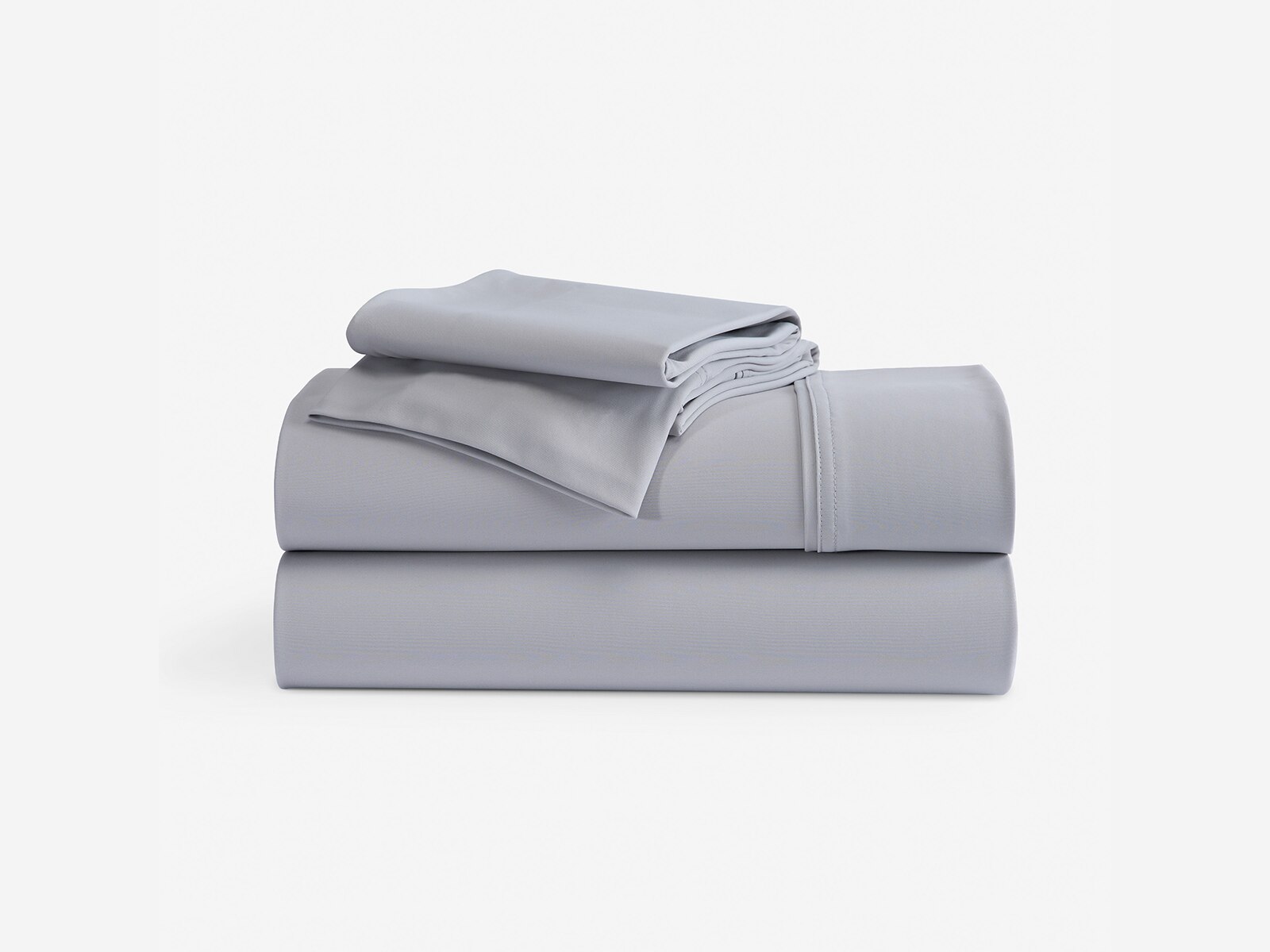
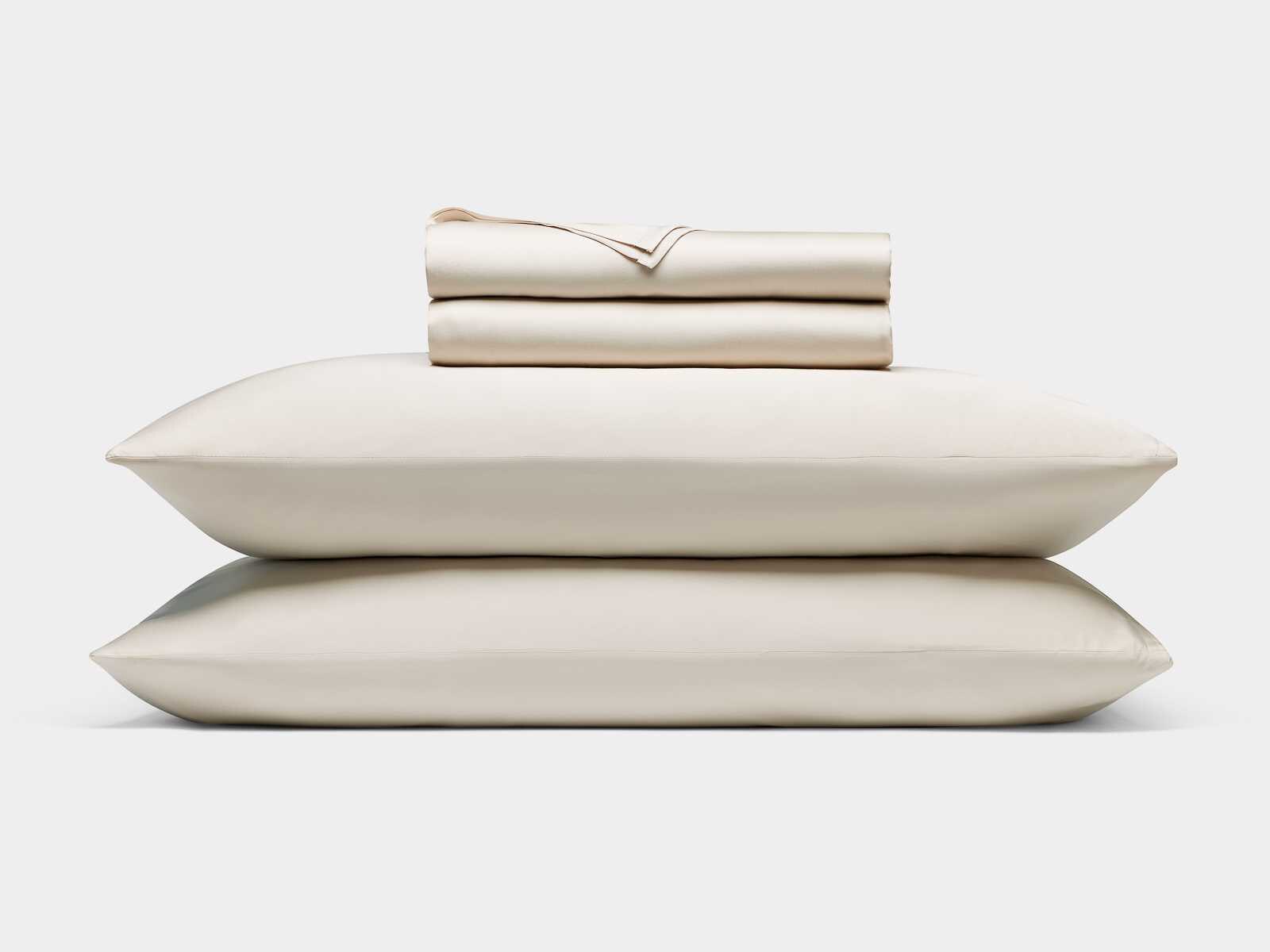
Split California King sheets are designed for a California King bed with separate mattress sections, giving each side a fitted covering that matches its shape. A fully split California King mattress measures 72 inches wide by 84 inches long overall and consists of two mattresses that each measure 36 inches wide by 84 inches long. Sheet sets for this configuration typically include two fitted sheets, one shared flat sheet and two king pillowcases, though set contents vary. The separate fitted sheets are especially useful on compatible adjustable beds, where one person might raise the head of the mattress to read while the other keeps their side flat. Split California King sizing is different from split king sizing, which commonly uses two Twin XL mattresses measuring 38 inches wide by 80 inches long each. Those differences matter: a fitted sheet made for a wider, shorter mattress will not provide the same fit on a narrower, longer one. The type of split matters, too. A fully split bed has two mattresses separated from head to foot, while a split-top design has a divided head section and a connected lower section. Split-top fitted sheets need an opening shaped for that configuration; they are not interchangeable with two fully separate fitted sheets. For a mattress without a split,
California King Sheets offer a different fitted-sheet format intended to cover the entire mattress as one surface. Flat-sheet dimensions are less standardized than fitted-sheet dimensions. A shared flat sheet may measure around 110 inches by 102 inches, but its coverage depends on the manufacturer’s sizing, mattress height and how much fabric hangs over each edge. King pillowcases often measure approximately 20 inches by 40 inches, with variations in length and closure style. The listed measurements and set contents provide a more useful picture of compatibility than the size name alone, particularly when the bed has an unusual split configuration or extra layers beneath the fitted sheet.
Material and weave shape how split California King sheets feel during everyday use, from the first touch of a pillowcase to the way the fitted fabric settles around a raised mattress. Cotton is a familiar choice for its breathable feel and absorbency, but cotton sheets can have distinctly different textures. Percale uses a balanced weave that generally feels crisp and matte, with the lightly structured finish associated with a freshly made bed. Sateen uses a different weave that typically creates a smoother surface, a subtle sheen and a softer drape. Neither finish is automatically better; someone who likes a clean, crisp feel may prefer percale, while someone who enjoys fabric that falls softly over the mattress may favor sateen. Longer cotton fibers can contribute to a smoother yarn and lasting strength, although fiber quality, weaving and finishing all influence the finished fabric. Thread count is only one part of that picture and is most useful when comparing sheets with similar materials and construction. It does not describe every aspect of softness, breathability or durability. Sheets labeled as bamboo-derived rayon, viscose or lyocell should be understood by their actual fiber content rather than the plant name alone. Depending on their construction, these fabrics can offer a fluid drape and a smooth hand, while their laundering requirements may differ from those of cotton. Cotton-polyester blends can combine familiar cotton texture with easier wrinkle management, and some blended fabrics dry more quickly than all-cotton alternatives. Knit sheets have a relaxed, gently stretchy feel rather than the structured surface of a woven sheet. That stretch can be appealing on a moving mattress, but compatible dimensions and secure elastic remain important. For sleepers who dislike fabric bunching beneath their knees or gathering near their shoulders, the relationship between texture, stretch and fit can matter as much as initial softness. Pillowcase details also affect daily use: an envelope closure can help contain the pillow, while a generously sized open end leaves more room for a fuller pillow.
A secure fit depends on mattress depth as well as length and width. Pillow tops, mattress toppers and protectors add height, so the fitted-sheet pocket needs to accommodate the complete sleep surface without pulling the corners upward. A pocket that is too shallow may slip off as the bed changes position, while an unnecessarily roomy sheet can leave excess fabric to smooth out. Elastic around the full perimeter and well-finished corner seams can help hold the sheet in place, though compatibility with the mattress and base remains essential. On an adjustable bed, fitted fabric needs enough room to follow the mattress as it bends without becoming stretched tight across the surface. A shared flat sheet also needs some freedom to move; a tight tuck can create tension when partners choose different positions. Separate fitted sheets allow each mattress to be covered independently, but a shared top sheet still connects the bedding above them. That distinction is useful for couples deciding how they prefer to make the bed. Care requirements deserve equal attention because these sheets cover two separate surfaces and may be handled frequently during bed changes. The fabric’s care label determines suitable wash settings, drying methods and whether particular cleaning agents are appropriate. Excessive dryer heat can weaken elastic or contribute to shrinkage, and overloading the washer can limit thorough cleaning and rinsing. Fully drying sheets before folding helps keep stored bedding fresh. A second compatible set makes regular laundering easier without leaving either mattress uncovered, and storing both fitted sheets together avoids confusion with similarly sized linens. Durable construction shows in even stitching, securely attached elastic and fabric that holds its shape through appropriate care—not simply in a high thread count. Beyond everyday use, split California King sheets can be a practical gift for a couple furnishing a bedroom or someone moving to a compatible adjustable setup. Knowing the exact mattress configuration, depth and preferred fabric feel makes that gift more useful than choosing by color alone. Coordinated pillowcases and a shared flat sheet can give two separate mattresses a unified appearance, while the correctly shaped fitted sheets handle the less visible work of staying neatly around each side.