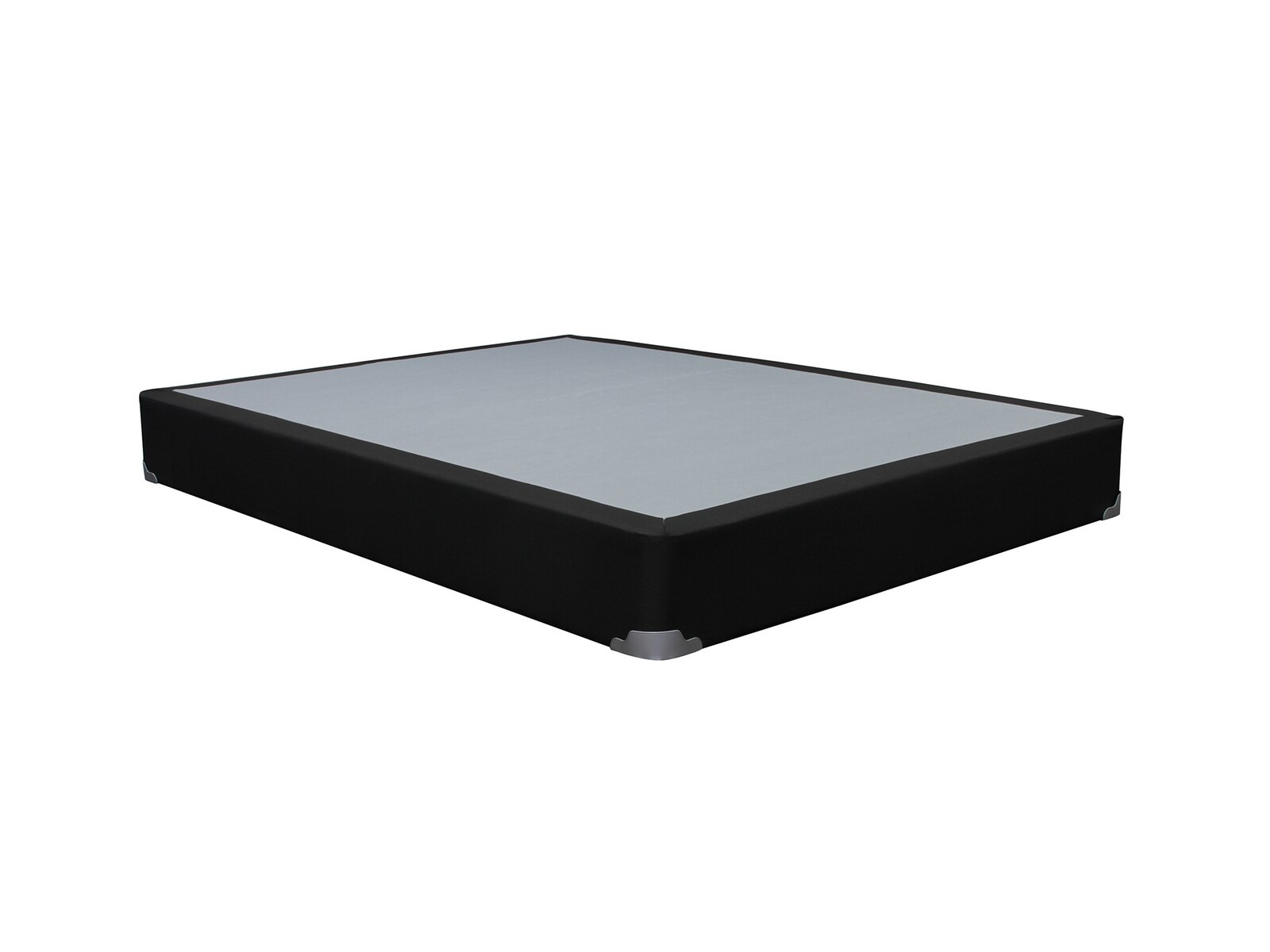
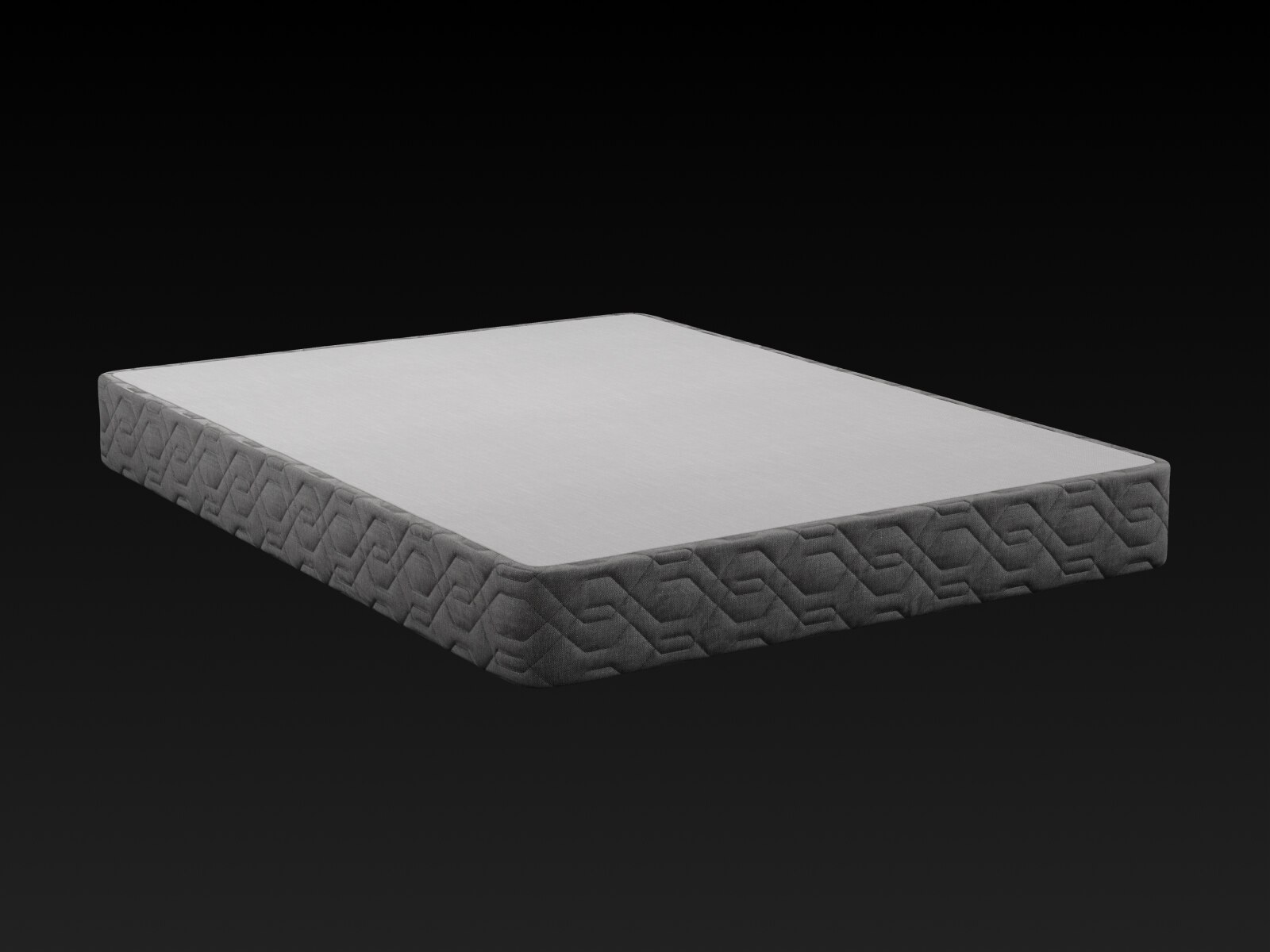
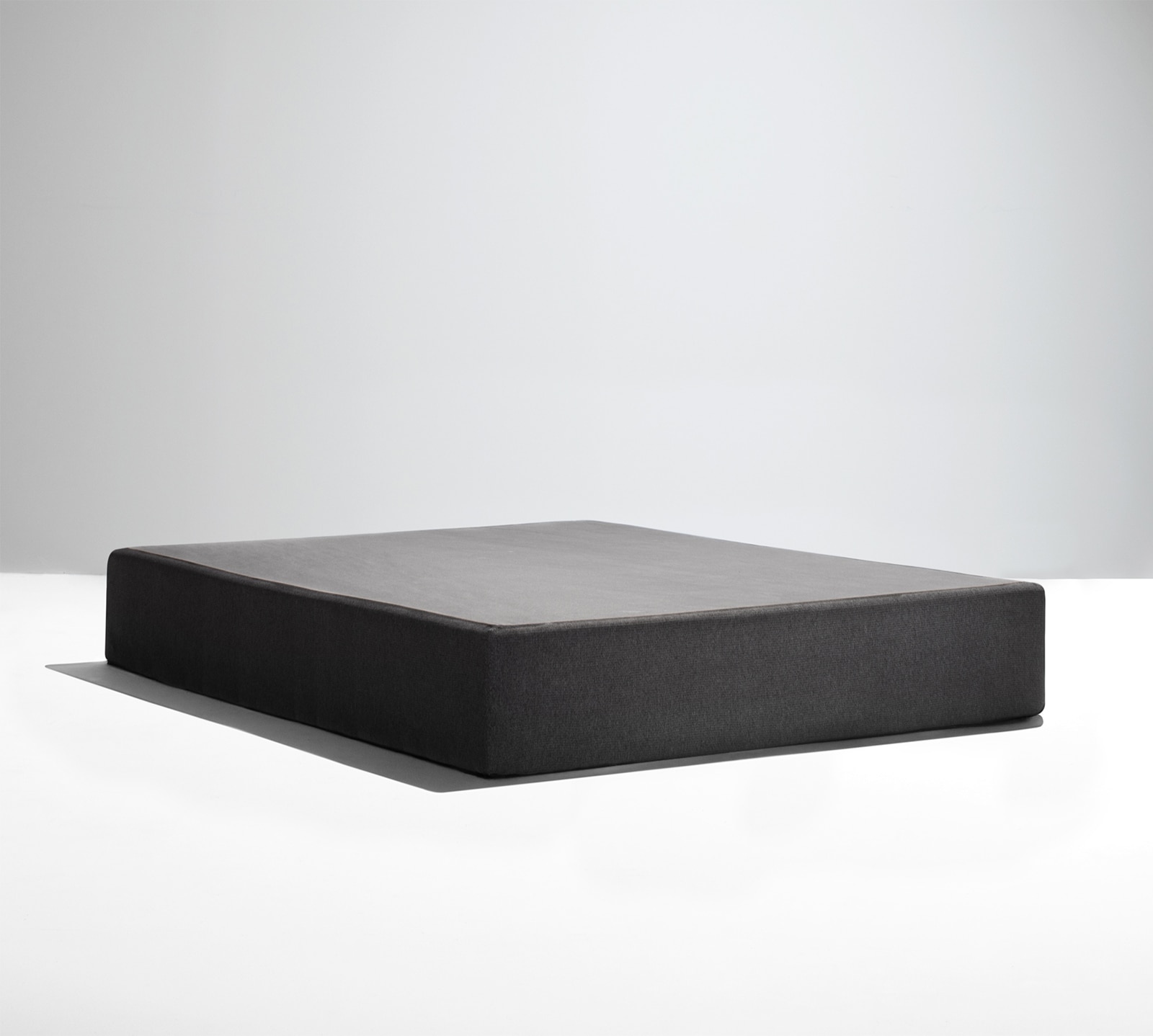
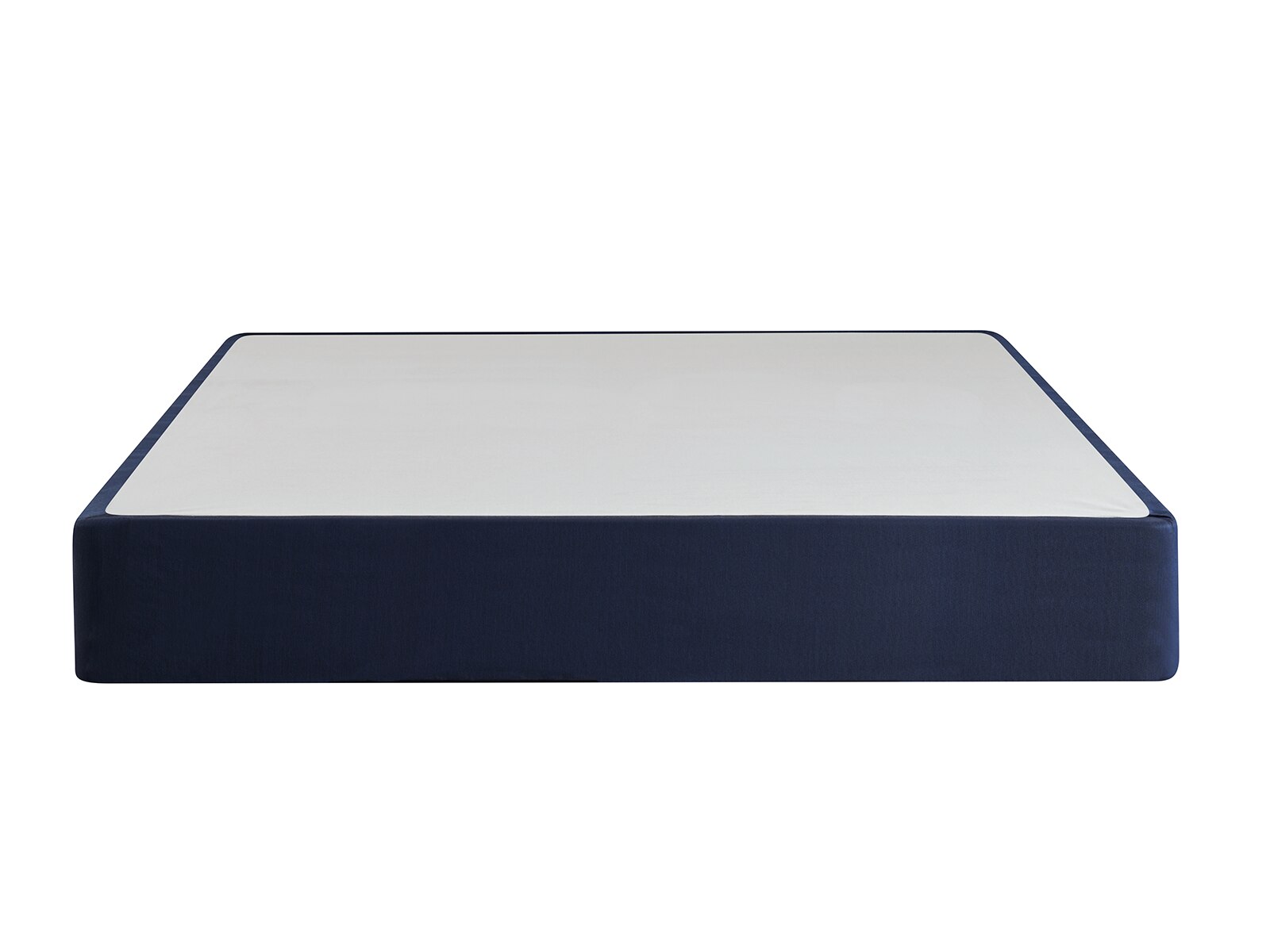
A split queen regular profile foundation is a two-piece mattress support system that fits beneath a standard queen mattress, creating a combined footprint of approximately 60 inches wide by 80 inches long. Each section typically measures 30 inches wide by 80 inches long, and a regular profile foundation is generally about eight and a half to nine inches tall, though exact dimensions vary by design. The two sections sit side by side within a compatible bed frame, supporting one queen mattress across their combined surface. This construction can make a practical difference in homes where a single-piece queen foundation would be difficult to carry through a narrow hallway, around a staircase landing or into an upstairs bedroom. Separating the foundation into two narrower sections makes each piece easier to maneuver, although the length still needs to clear doorways and turns. The mattress itself must also fit along the delivery path. Once assembled correctly, the foundation halves function as one support surface rather than two separate sleeping spaces. A split queen foundation does not require a split mattress, and the word “split” does not mean the foundation adjusts or allows either side to move independently. Its purpose is to provide the support a compatible mattress needs while offering a more manageable way to move the foundation into place. Regular profile height also contributes to the finished appearance and accessibility of the bed. Beneath a thinner mattress, it can help create a more substantial bed height; beneath a thick mattress on a tall frame, it may place the sleeping surface higher than expected. Measuring the frame, foundation and mattress together gives a clearer picture of where the top of the bed will sit. For someone who prefers to sit at the bedside before standing, that combined measurement matters more than foundation height alone.
Construction and mattress compatibility are central considerations for split queen regular profile foundations. Depending on the design, the internal structure may use wood, metal or a combination of materials, with crosspieces or slats arranged to distribute weight beneath the mattress. A fabric covering can give the two sections a coordinated appearance, while the structure underneath does the supporting work. A foundation is not necessarily the same as a traditional box spring: many foundations provide a relatively rigid surface, whereas a true box spring contains a spring-based support system. Those differences matter because mattresses are designed to work with particular types of bases. Foam, latex, hybrid and innerspring mattresses can have different requirements for surface rigidity, slat spacing and underlying frame support. The mattress manufacturer’s instructions should determine which foundation construction is appropriate, including any requirements that affect warranty coverage. The bed frame also needs to accommodate the full queen footprint and support both foundation sections according to the frame and foundation manufacturers’ directions. A decorative headboard or perimeter frame alone does not establish that the support underneath is sufficient. Center rails, cross supports and legs that reach the floor may be required, particularly beneath the meeting point of the two halves. Dimensions deserve the same attention as materials. Compare the frame’s interior opening with the foundation’s stated measurements, and check whether a footboard or side rail limits usable space. Foundation size names can sound similar without describing interchangeable pieces. For example,
Twin XL regular profile foundations typically measure approximately 38 inches wide by 80 inches long, making them wider than the individual sections of a split queen foundation. Matching length alone is not enough. A properly matched setup brings the mattress, both foundation sections and the frame together without forcing pieces into place or leaving required support points unsupported.
Everyday use and straightforward care help preserve the foundation’s condition. Before putting the mattress in place, position both halves evenly, confirm that each rests securely on the intended supports and check that frame hardware is tightened according to its instructions. The sections should sit level beside each other, without one edge riding higher than the other. If the bed develops a squeak, movement or an uneven feel, inspect the frame connections and foundation placement rather than assuming the mattress is responsible. Loose hardware, a shifted support leg or an incorrectly seated section can affect the entire setup. When moving the bed, remove the mattress first and handle each foundation section separately with enough help to control its length and weight. Avoid dragging upholstered surfaces across flooring or using the fabric covering as a lifting handle unless the manufacturer specifically provides one for that purpose. Routine care usually involves keeping the surrounding area clean and gently removing surface dust with a suitable vacuum attachment, following the foundation’s care directions. Avoid soaking the fabric or applying cleaning products without checking those directions, since moisture can reach materials beneath the cover. Periodically look for damaged slats, bent components, torn covering or changes in how securely the sections sit. A foundation that has lost structural integrity may no longer provide the consistent support the mattress requires. Split queen regular profile foundations can suit primary bedrooms, guest rooms and homes where access makes a one-piece foundation impractical. They can also be useful when rearranging a room or relocating, provided the new frame and mattress remain compatible. The two-piece format addresses handling, while the regular profile addresses height; neither feature alone determines how a mattress will feel. For a balanced setup, consider the full picture: a foundation construction approved for the mattress, a frame with adequate support, dimensions that fit the room and a finished bed height that feels comfortable for the person using it.