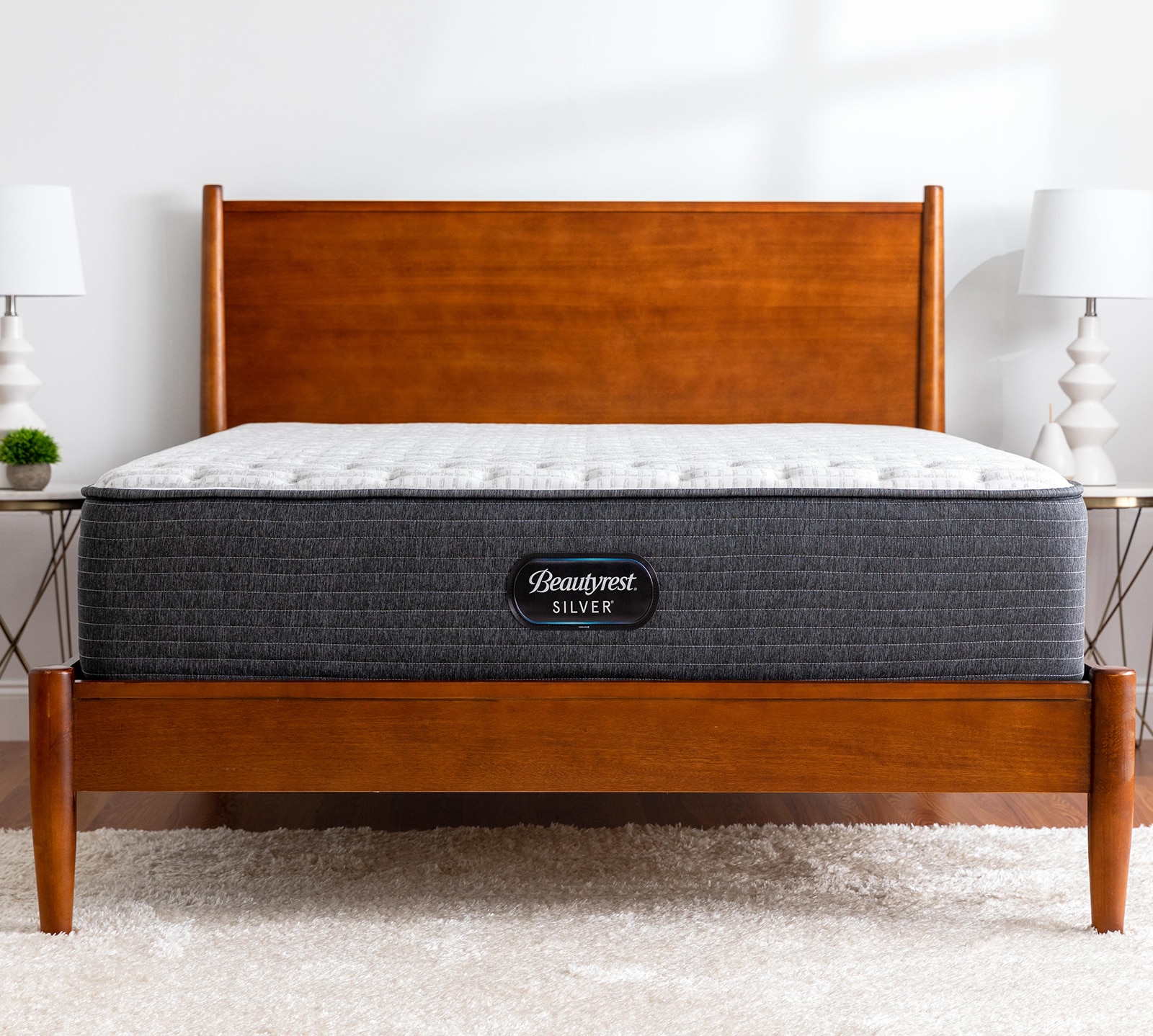
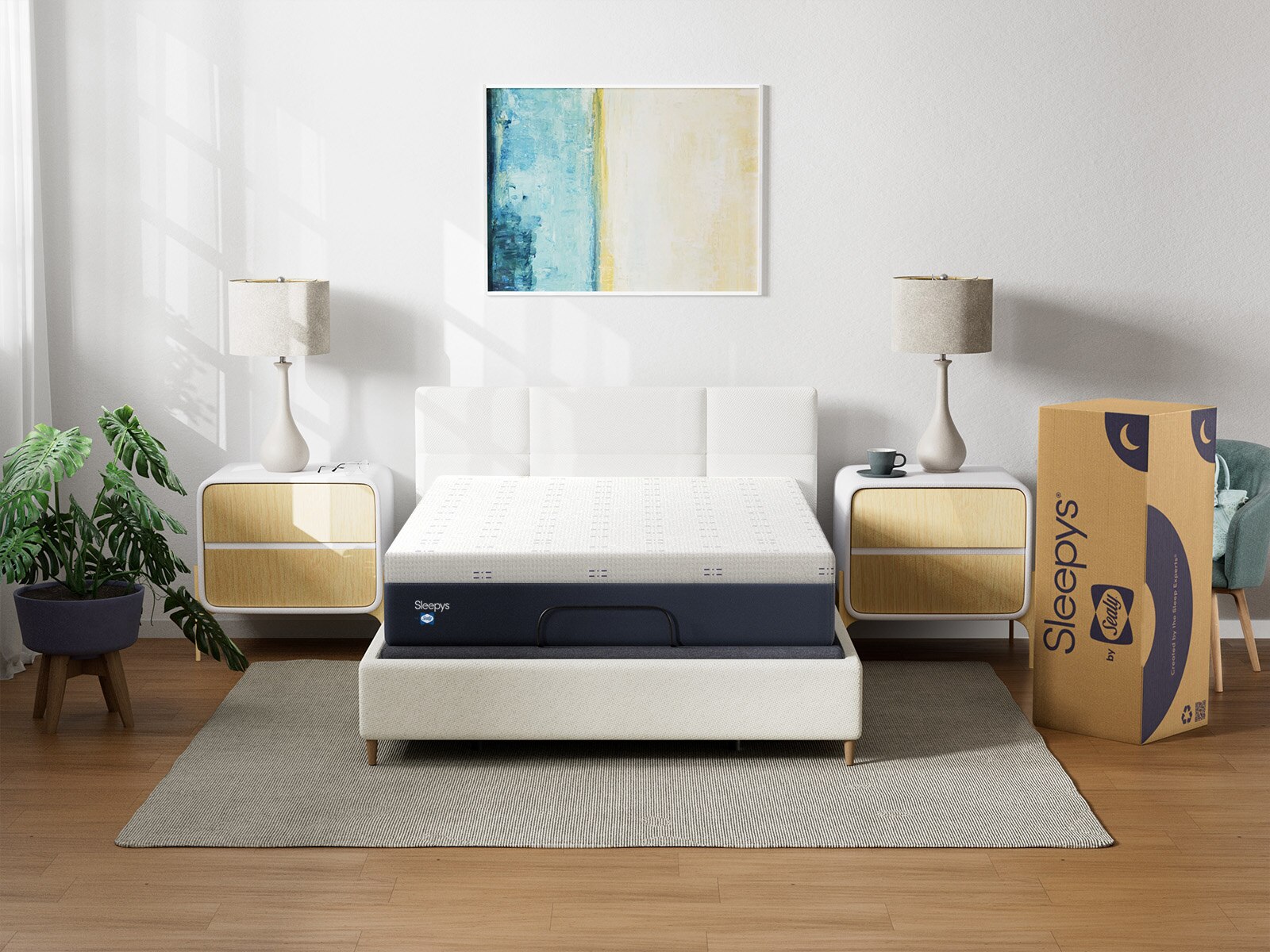
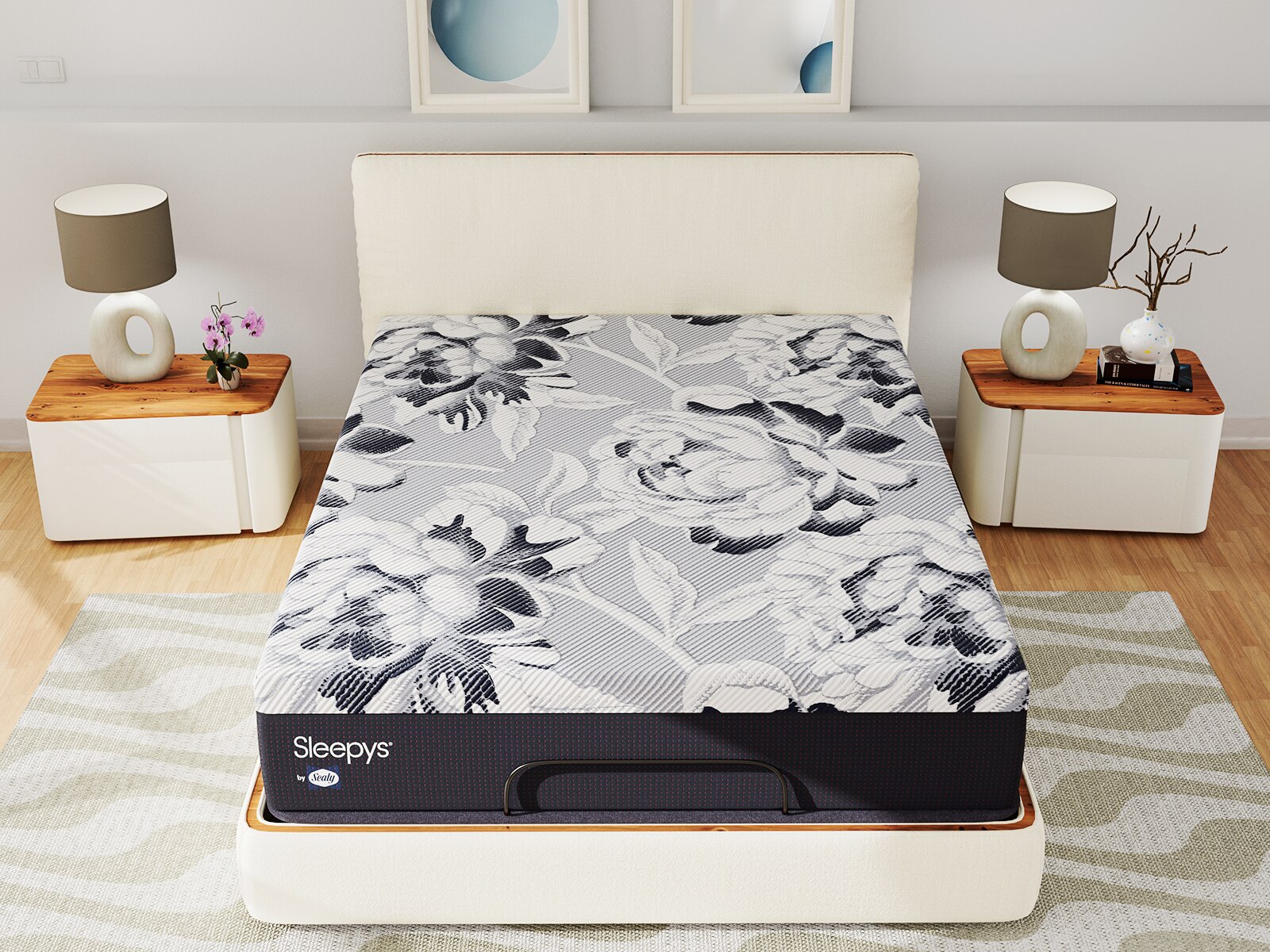
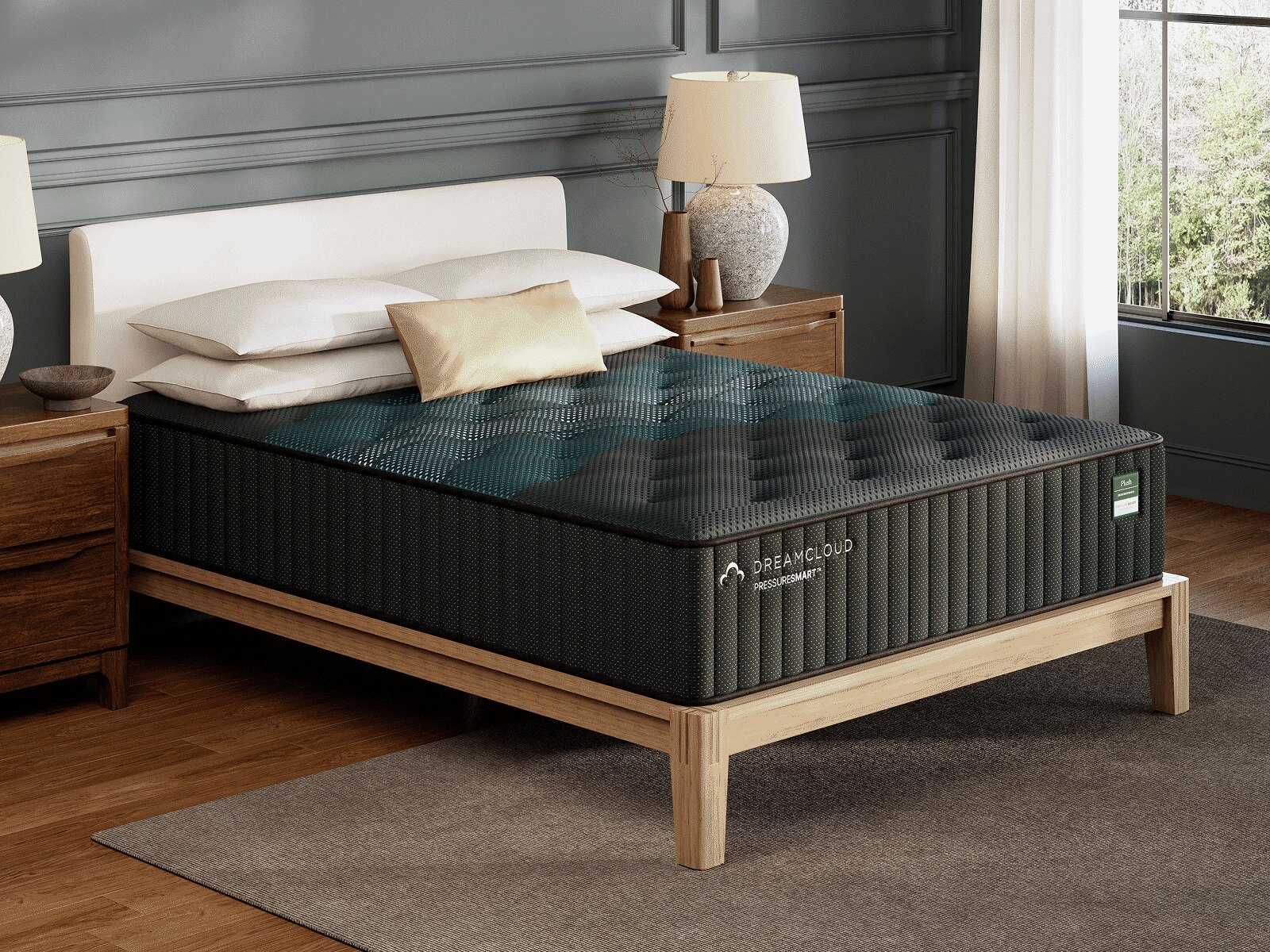
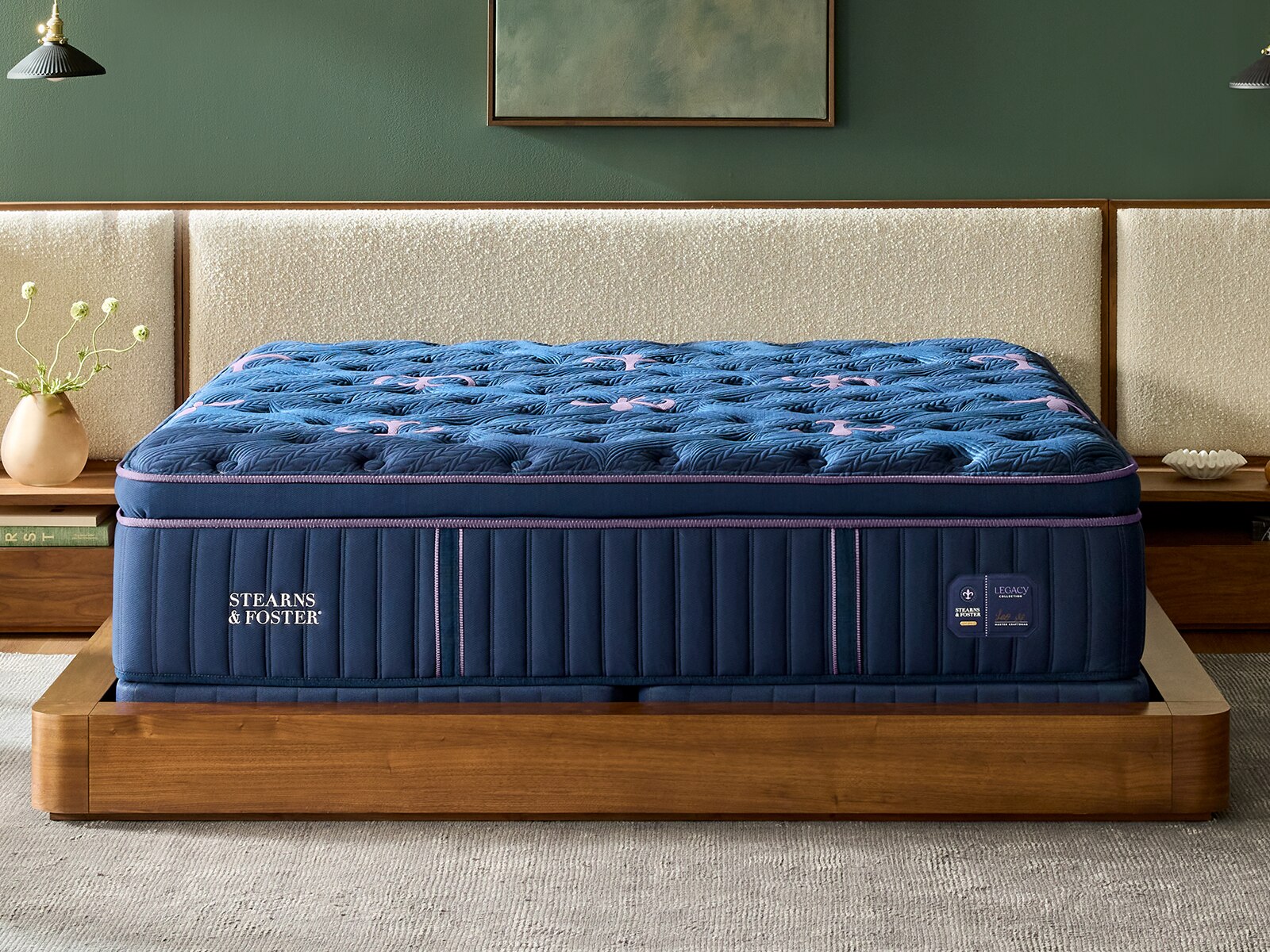
Spring pressure relief mattresses combine a spring support system with cushioning materials that help distribute body weight and reduce concentrated pressure at areas such as the shoulders and hips. The springs provide the underlying structure, while comfort layers soften contact with the sleep surface and allow heavier parts of the body to settle in. This combination can suit sleepers who enjoy a responsive mattress but want more cushioning than a minimally padded innerspring surface provides. In models with individually wrapped coils, each spring can compress more independently, allowing the mattress to respond to the body’s curves while helping limit movement across the bed. Connected coil systems tend to create a more unified, buoyant response, although the comfort layers also influence how much movement a sleeper feels. Memory foam can add close contouring and a gradual settling sensation, while latex foam generally feels more elastic and returns to shape more quickly. Other cushioning foams, fiber padding and smaller comfort coils can create additional variations in softness and responsiveness. The thickness and arrangement of these materials matter as much as their names: a thin layer of soft foam over sturdy springs will feel different from a deep, contouring comfort section over a similar support core. Some constructions also use zones with different levels of resistance, although the placement of those zones needs to work with the sleeper’s height and position. Space within a coil system can allow air to move through the mattress, but that alone does not determine how warm the surface feels. Foam composition, cover fabric, bedding and the bedroom environment all contribute. Gel-infused foam or a cool-feeling cover may change the initial sensation without guaranteeing the same experience throughout the night. Together, these construction details shape whether a spring pressure relief mattress feels gently cushioned, deeply contouring or somewhere between the two.
Pressure relief and support work together, but they are not interchangeable. A mattress can feel soft beneath a hand without providing enough cushioning for a shoulder, just as a firm surface can feel stable without comfortably accommodating the hips. For side sleepers, the comfort layers need enough give to accommodate the shoulder and hip while supporting the waist between them. A surface that resists too much may leave those contact points feeling compressed; one that allows excessive sinking may make it harder to maintain a comfortable position. Back sleepers often benefit from cushioning that follows the curve of the lower back without letting the pelvis settle disproportionately. Stomach sleepers generally need enough resistance beneath the midsection to avoid an overly dipped posture. These are starting points rather than fixed rules, since body weight, proportions and personal preferences change how the same mattress feels. A taller sleeper with broad shoulders may experience a comfort layer differently from a lighter sleeper with narrower shoulders, even when both sleep on their sides. Combination sleepers may appreciate the lift of springs when rolling from one position to another, especially if deep foam contouring otherwise makes movement feel difficult. For couples, individually wrapped coils and motion-absorbing comfort layers can help reduce the disturbance caused by a partner changing position, though no construction eliminates every movement. Edge support is another consideration for anyone who sits along the side while getting dressed or regularly sleeps near the perimeter. A reinforced edge may feel steadier, but its seated firmness does not necessarily reflect the comfort of the center. Size also affects everyday comfort: a queen may suit a shared room, while a king provides more room for partners to spread out. When trying a mattress, spending time in familiar sleeping positions reveals more than a quick seated impression. Notice whether the shoulder can relax, whether the lower back feels supported and whether turning over feels natural rather than effortful.
Spring pressure relief mattresses can serve as everyday beds in a primary bedroom or provide a cushioned, responsive surface in a guest room. For a shared guest bed, a balanced feel may accommodate a wider range of preferences than an unusually firm or deeply enveloping surface, although no single firmness suits everyone. In a primary bedroom, the best fit is more personal and should account for the sleeper’s usual position, bedding and ease of getting into and out of bed. Comparing construction types can also help clarify preferences;
King Pressure Relief Foam Mattresses offer a useful comparison for shoppers considering a larger sleep surface without a spring support core. Whichever construction feels comfortable, the foundation beneath it matters. A mattress needs a compatible base with the support and spacing specified by its manufacturer, and not every spring design is suitable for an adjustable base. Proper support helps the mattress perform as intended and avoids placing unnecessary strain on its layers. A well-fitting protector can help shield the surface from spills and everyday moisture without adding a thick layer that changes its feel. Removable covers should be washed only when their care labels permit it; other surfaces generally require careful spot cleaning with minimal moisture and thorough drying before bedding goes back on. Rotation may help distribute use when the manufacturer recommends it, while many mattresses with comfort layers on only one side should not be flipped. Durability depends on the quality and arrangement of the coils, foams, upholstery and edge materials, as well as the support beneath the bed and how it is used. Coil count alone cannot establish how long a mattress will remain comfortable. Over time, persistent unevenness, a loss of support or a noticeable change in comfort deserves attention. A spring pressure relief mattress is most useful when its cushioning, responsiveness and underlying support continue to work together for the person sleeping on it.