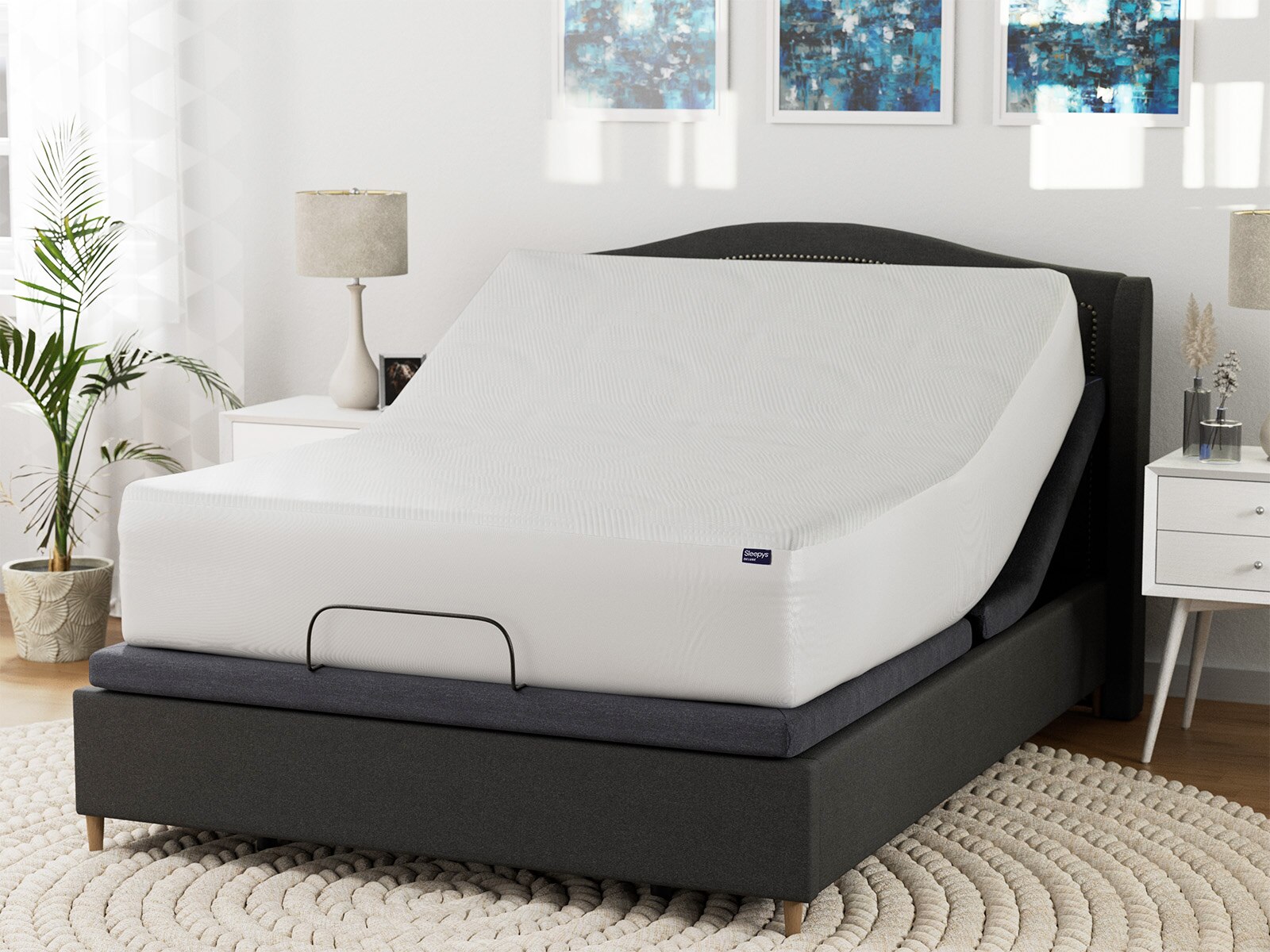
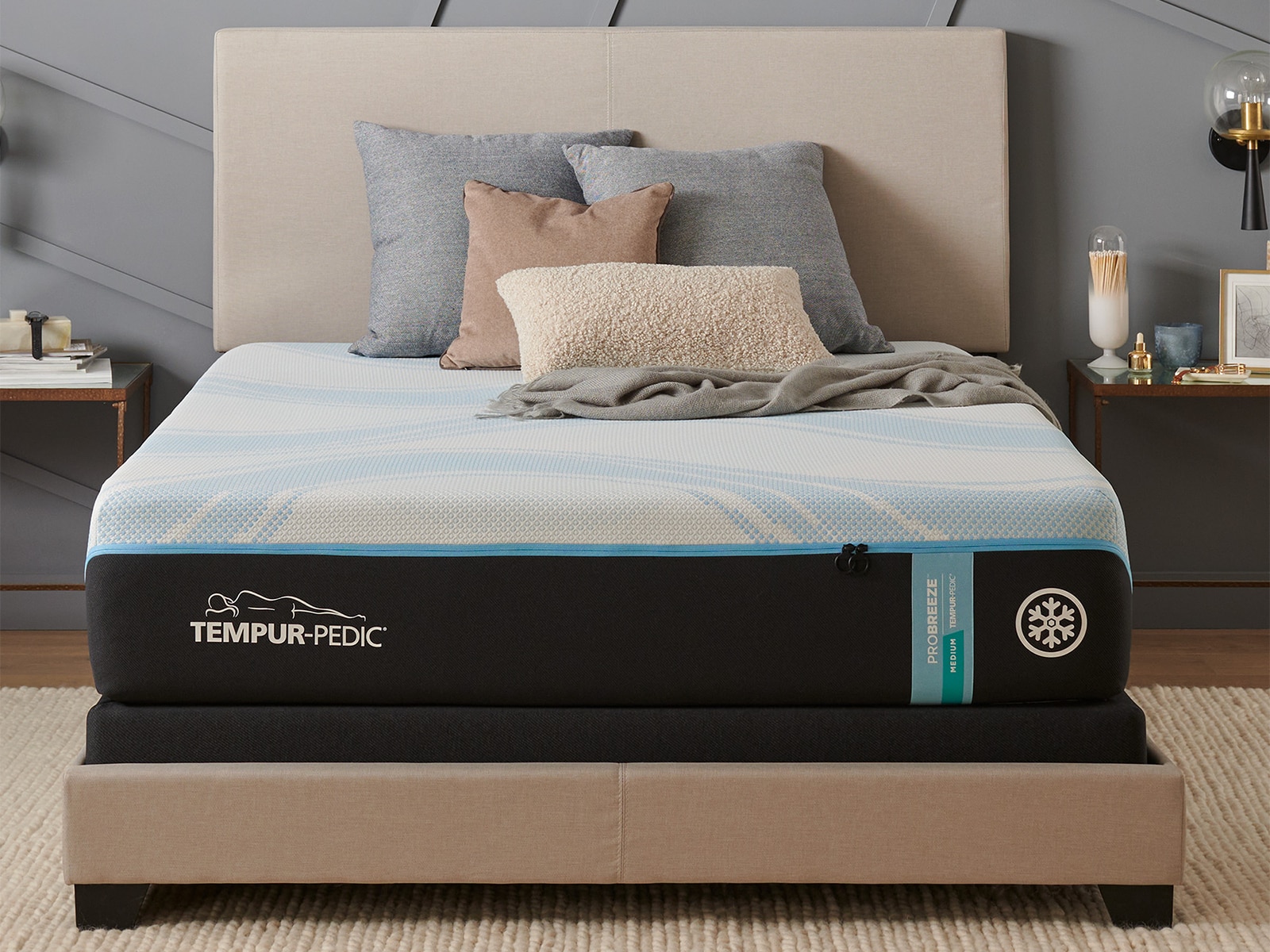
Stain-resistant covers add a practical layer of protection between everyday life and the surfaces that make a bed feel inviting. Used beneath sheets or pillowcases, protective covers can help limit contact with body oils, perspiration, cosmetics and small spills, making routine bedding care more manageable. They are especially useful on frequently used beds, in guest rooms and in households where children or pets spend time on the bed. A cup of coffee on the nightstand, a damp paw on the comforter or a little lotion left on a pillow can create a mark that is much easier to address on a removable cover than on the surface beneath it. The important distinction is that stain resistance does not automatically mean waterproof protection. Stain-resistant fabric may help repel certain substances or make marks easier to release during cleaning, while a waterproof cover uses a barrier designed to keep liquid from reaching the covered surface under its stated conditions of use. Water-resistant fabric may slow moisture penetration without fully blocking it. These differences matter when choosing between protection against occasional surface marks and coverage for more substantial liquid exposure. Construction matters, too: a protective top panel does not necessarily provide the same coverage along the sides, seams or closure. A fitted mattress cover generally protects the upper sleeping surface and wraps around the edges, while an encasement surrounds the mattress more completely. Neither style should be assumed to provide liquid protection in every area unless its specifications say so. The most useful choice matches the likely mess, the amount of coverage needed and the way the bed is used. For an adult bed, protection against perspiration and everyday residue may be the priority; for a child’s bed, clearly stated liquid protection and straightforward laundering may matter more.
Materials influence how stain-resistant covers feel, how they manage moisture and how comfortably they fit into an existing bedding setup. Polyester and polyester-blend fabrics are common choices because they can offer strength, shape retention and practical care, though stain resistance depends on the fabric’s construction or treatment rather than the fiber name alone. Cotton or cotton-blend surfaces may appeal to sleepers who prefer a familiar, soft textile feel. Stretch-knit fabrics can follow the contours of a mattress, while quilted surfaces add texture and a modest amount of cushioning. Some protective covers combine a fabric face with a thin backing or membrane that provides a liquid barrier. The surface fabric and the protective layer serve different purposes, so a soft top does not by itself indicate waterproof performance. Breathability, flexibility and sound are also worth considering, particularly for anyone who notices rustling or dislikes a stiff layer beneath the sheets. A thin, supple cover may preserve more of the mattress’s original feel, while a thicker padded style can change the surface sensation. Neither replaces the support of the mattress itself. Fit is just as important as fabric: match the stated mattress size and measure the mattress depth rather than relying on size alone. If a cover will sit over a topper, include that added height when checking the required pocket depth. A cover that is too shallow may pull at the corners, while excess fabric can bunch beneath a fitted sheet. Elastic edging, stretch side panels and secure closures can help the cover stay in place, but they should not need excessive force to fit. On an adjustable bed, enough flexibility is important as the mattress bends and returns to a flat position. Pillow covers deserve the same attention to dimensions and closure placement, especially when a bulky seam or zipper could be noticeable through the pillowcase.
Care requirements determine how easily a protective cover becomes part of a regular bedding routine. Before washing, check the care label for permitted cleaning methods, wash settings and drying instructions; machine washability should never be assumed from the words stain resistant. When a spill happens, remove the affected bedding promptly and blot excess liquid with a clean cloth rather than rubbing it farther into the fabric. Follow the manufacturer’s instructions for spot treatment, since a cleaning method that suits an ordinary sheet may damage a protective coating or backing. Bleach, fabric softener, strong stain treatments and high dryer heat may be restricted, depending on the cover’s construction. More detergent is not necessarily more effective, either, and thorough rinsing helps prevent residue from remaining against the fabric. Let the cover dry completely before placing it back on the bed, following any limits on tumble drying or air drying. Consistent care can help preserve its fit and protective function, but no cover should be expected to remain unchanged indefinitely. Over time, inspect the elastic, seams, zipper and underside for stretching, separation, cracks or peeling. A surface that still looks tidy may have wear in the backing that affects liquid protection. Stain resistance also does not mean every mark will disappear, particularly if a substance has been left untreated or the cover has been cleaned outside its care instructions. For a busy household, keeping a second washable cover ready can make a bedding change less disruptive while the first one is being cleaned. For a guest room, an easy-care cover adds a removable layer that can be refreshed between visits without changing the familiar feel of the bed. Explore
Protection For Stains for related bedding protection, keeping the same practical priorities in mind: suitable coverage, a comfortable feel, a secure fit and care requirements that work with everyday routines. The right balance helps protect the sleep surface without making the bed more complicated to maintain.