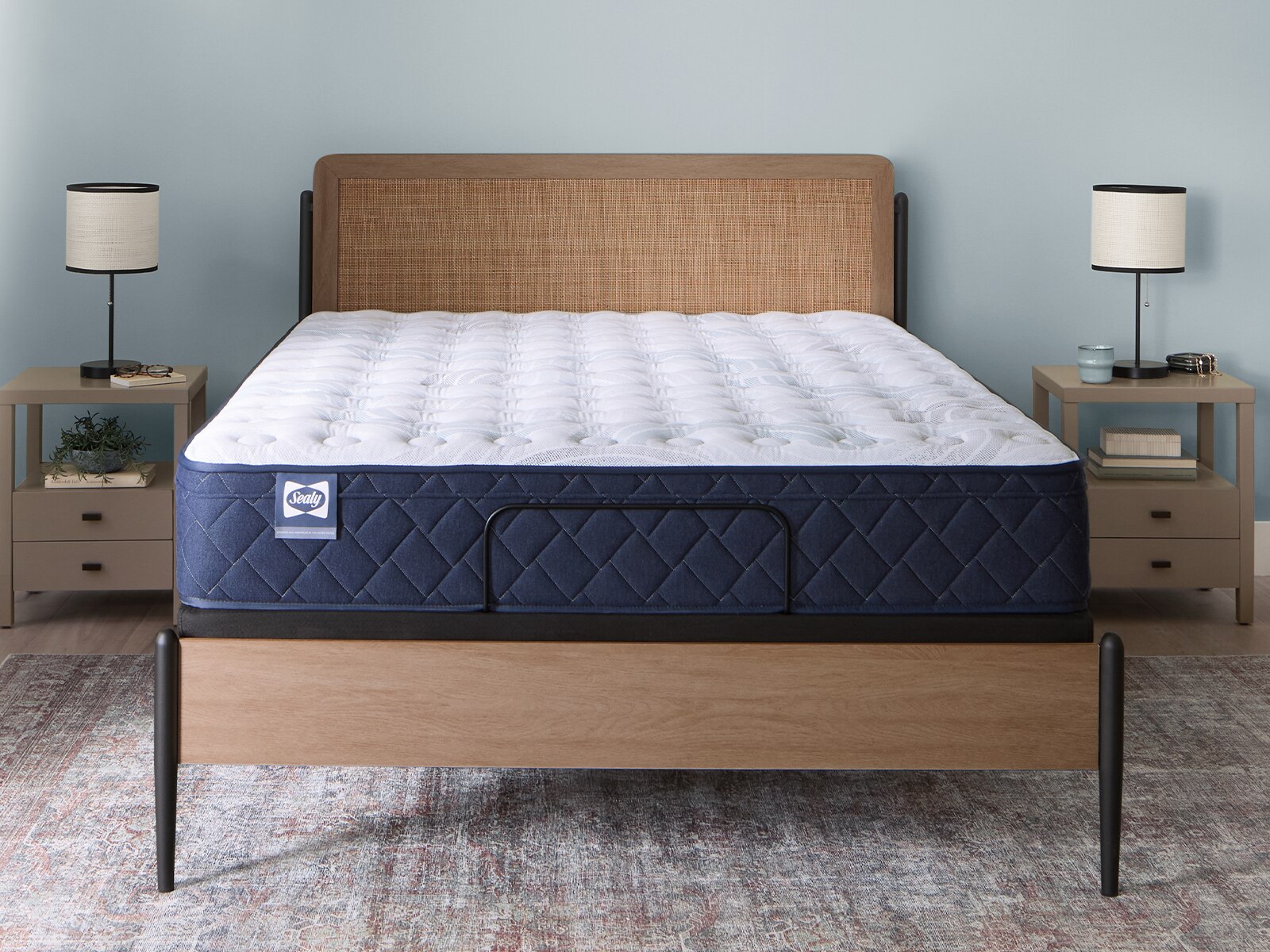
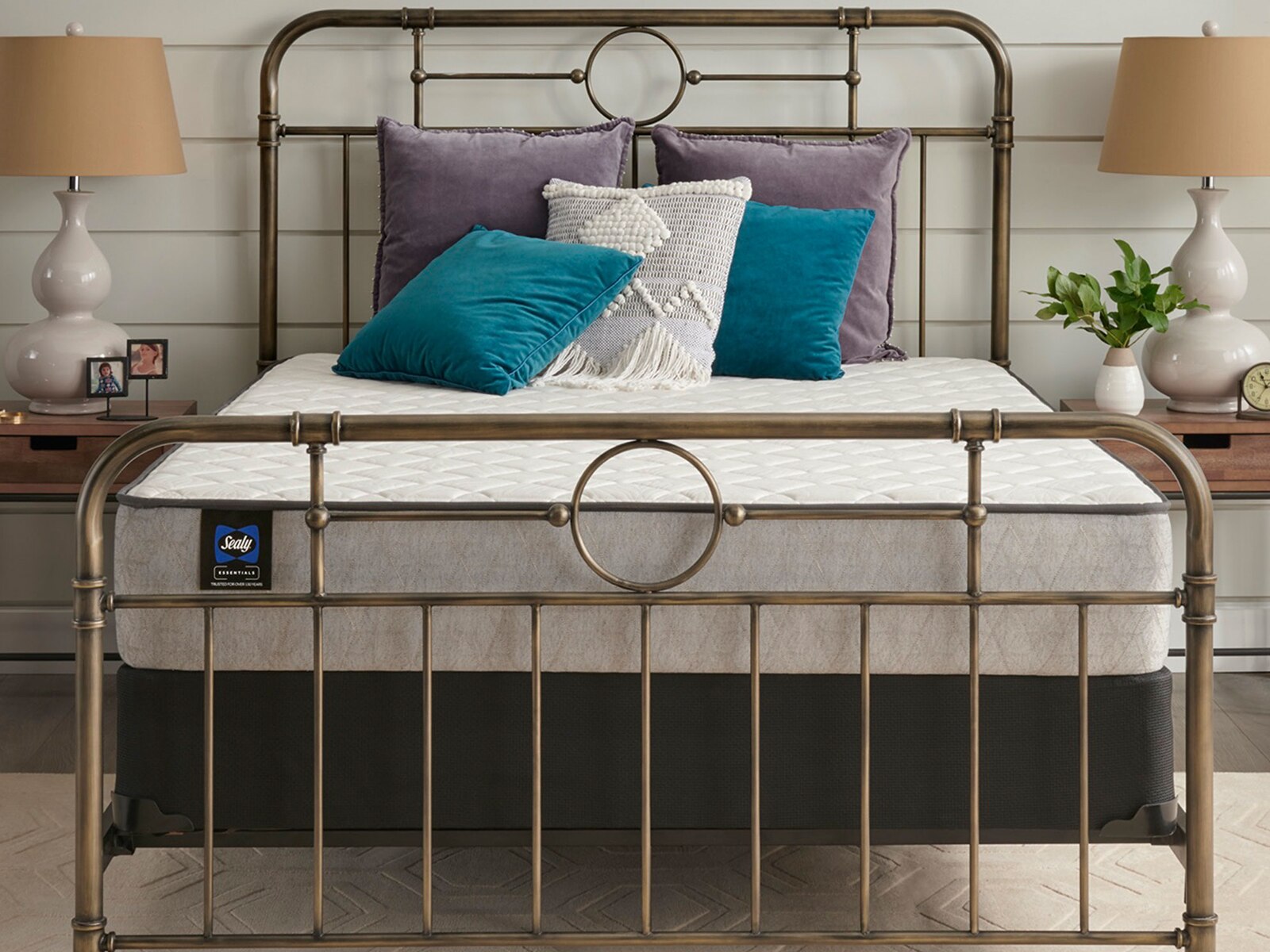
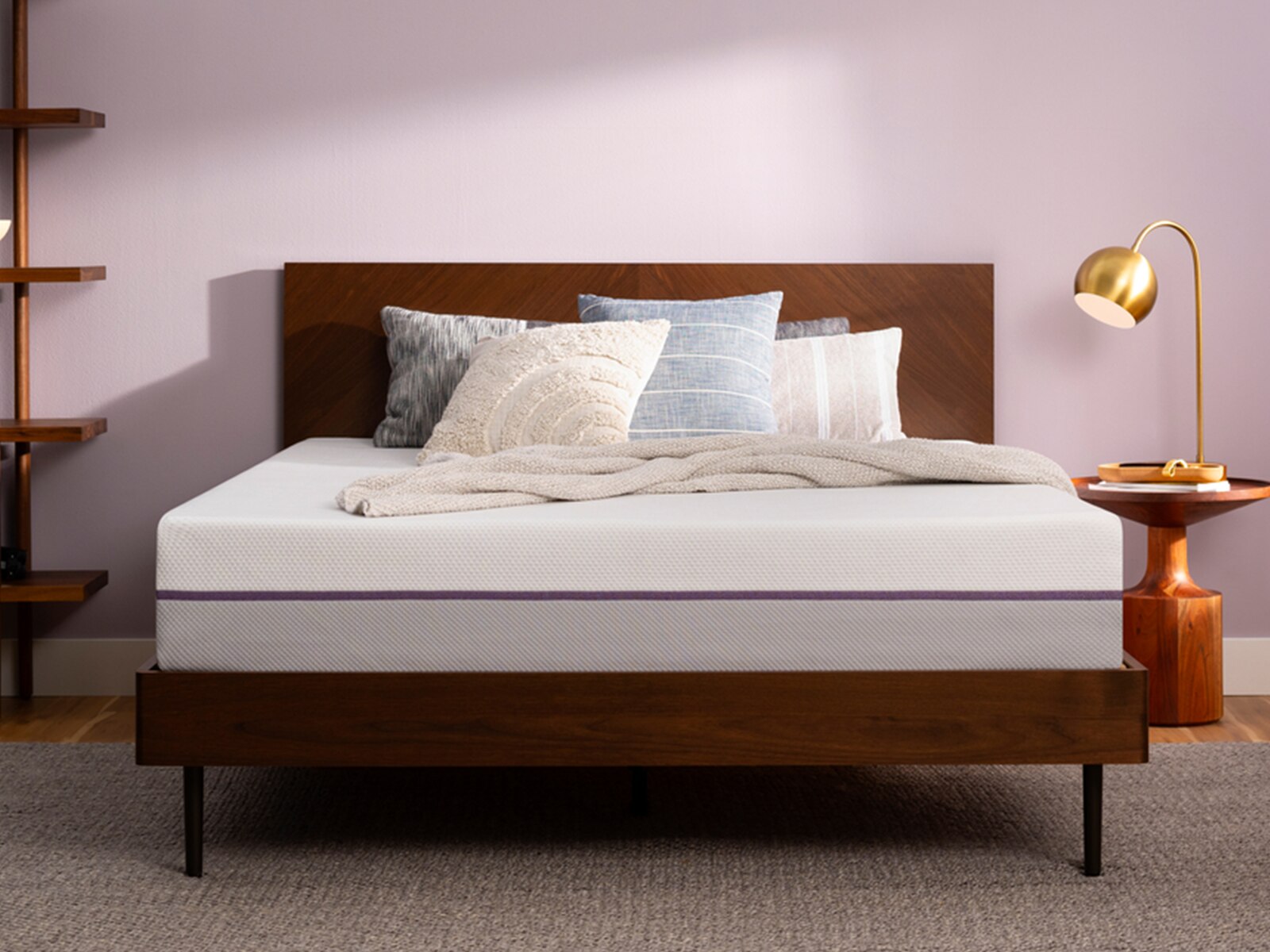
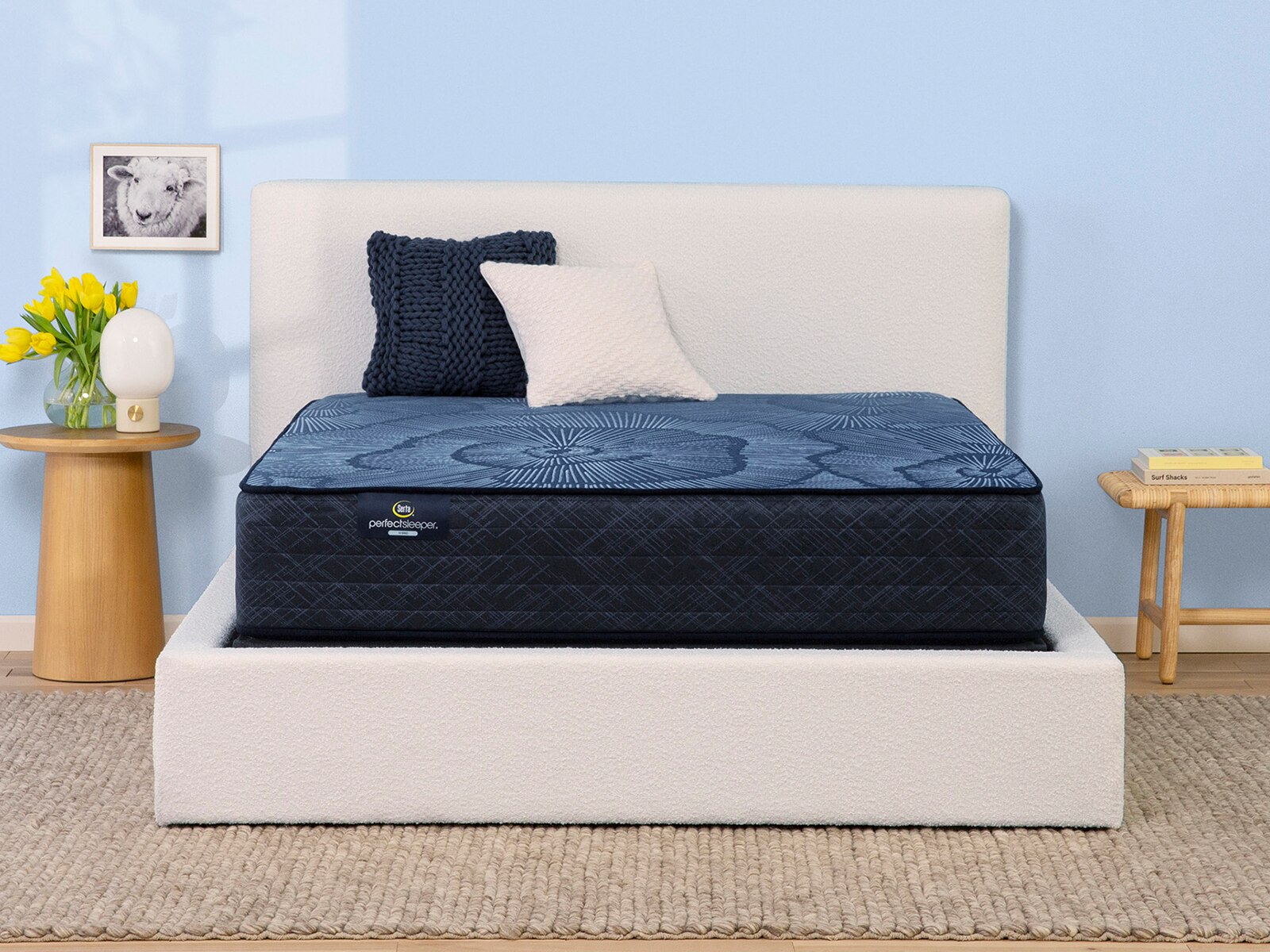
Twin mattresses with adaptive foam pair a compact sleep surface with cushioning designed to respond to body weight and movement. Adaptive foam contours around the shoulders, hips and other contact points, helping distribute pressure while allowing the sleeper to settle into a supported position. The term describes how a foam behaves rather than one standardized material, so responsiveness, firmness and contouring can differ from one mattress construction to another. Some adaptive foams are flexible polyurethane foams with a springier feel; others use memory foam formulations that conform more gradually. A responsive surface can make rolling from side to back feel easier, but not every adaptive foam rebounds at the same speed. The complete mattress matters more than the name of its top layer. In an all-foam construction, softer comfort layers typically sit above a firmer foam core that provides the main support. In a hybrid construction, foam cushioning works with an underlying coil system, which may create a more buoyant feel. Neither construction is automatically better for every sleeper. Someone who rests on their side may appreciate enough cushioning for the shoulder to settle without feeling pressed against a rigid surface, while a back sleeper may prefer a steadier feel beneath the hips. Stomach sleepers often need a firmer surface that limits excessive sinking through the middle. Body weight also affects the experience: the same foam can feel firmer to a lighter sleeper and more conforming to someone who places greater pressure on it. Firmness and support are related, but they are not interchangeable. A soft comfort layer can sit over a supportive core, and a firm surface does not necessarily provide the most comfortable fit. The useful balance is cushioning that follows the body’s curves without allowing the torso to sink disproportionately. Open-cell structures, perforations and breathable cover fabrics may help air move through the construction, although foam feel and airflow depend on the full combination of materials. These details help distinguish a gently contouring mattress from one with a deeper, slower-settling sensation.
A standard twin mattress typically measures about 38 inches wide by 75 inches long, making it a practical choice for one sleeper in a bedroom where floor space matters. It can leave room for a desk, a reading chair or a clear path between the bed and a dresser without requiring a larger room layout. The dimensions suit many children, teens and adults who prefer a smaller sleep surface, though taller sleepers should consider whether the length provides enough room to stretch out. Twin XL mattresses are typically about 38 inches wide by 80 inches long, adding five inches of length without increasing the width. Twin and Twin XL bedding are not interchangeable in every application, so matching the mattress, fitted sheet and bed frame helps prevent loose corners or an awkward fit. Adaptive foam can be useful in a child’s room, a compact guest bedroom or a shared bedroom with separate beds, where each sleeper benefits from an individual sleep surface. For a guest bed, a balanced feel may accommodate different preferences more comfortably than an especially soft or rigid surface, although no single firmness suits everyone. For an everyday bed, the sleeper’s usual position and preferred level of contouring deserve closer attention. A person who changes positions frequently may favor foam that recovers promptly, while someone who stays mostly on one side may enjoy a more enveloping feel. Edge support is another practical consideration on a narrow mattress, particularly for someone who sits along the side to put on shoes or tends to sleep near the edge. Mattress height also affects how easily the sleeper gets into bed and whether existing sheets fit correctly. With bunk beds and loft beds, follow the bed manufacturer’s mattress-thickness limits and guardrail requirements rather than choosing by comfort alone. Measure the frame’s interior dimensions and check its foundation requirements before pairing it with a mattress. If a twin mattress is intended as a gift, confirming the recipient’s preferred feel, bed size and room setup makes the gesture more useful and personal.
The feel of an adaptive foam mattress also depends on details that are easy to overlook, including the cover, the depth of the comfort layers and the construction beneath them. A stretch-knit cover can allow closer contact with contouring foam, while a quilted surface can introduce a more cushioned texture at the top of the bed. For a different approach to surface comfort,
Twin Mattresses With Quilted Foam offer a related category to consider alongside adaptive foam designs. Quilting describes how cushioning is stitched into the surface; adaptive describes the response of the foam, so the terms refer to different aspects of construction rather than opposite mattress types. For long-term use, foam density, layer thickness and the quality of the support system all influence how a mattress holds its shape. Higher density does not automatically mean a firmer feel, and a thicker mattress is not automatically more durable. Consistent support from a compatible platform or foundation helps the mattress perform as intended, especially when slats must meet specific spacing requirements. A properly fitted mattress protector can help limit exposure to spills and everyday moisture without changing the fit of the sheets. Care should follow the manufacturer’s instructions: a cover with a zipper is not necessarily removable or machine washable, and saturating foam during cleaning can make it difficult to dry thoroughly. When spot cleaning is permitted, use the recommended method and allow the surface to dry completely before replacing bedding. Rotate the mattress only as directed, and do not flip a layered design unless it is made for use on both sides. Over time, persistent impressions, uneven support or a noticeable change in comfort can signal that the sleep surface is no longer meeting the sleeper’s needs. Looking at these everyday details alongside firmness and responsiveness helps narrow the choice to a twin mattress that fits both the person and the space, with contouring comfort suited to how the bed will actually be used.