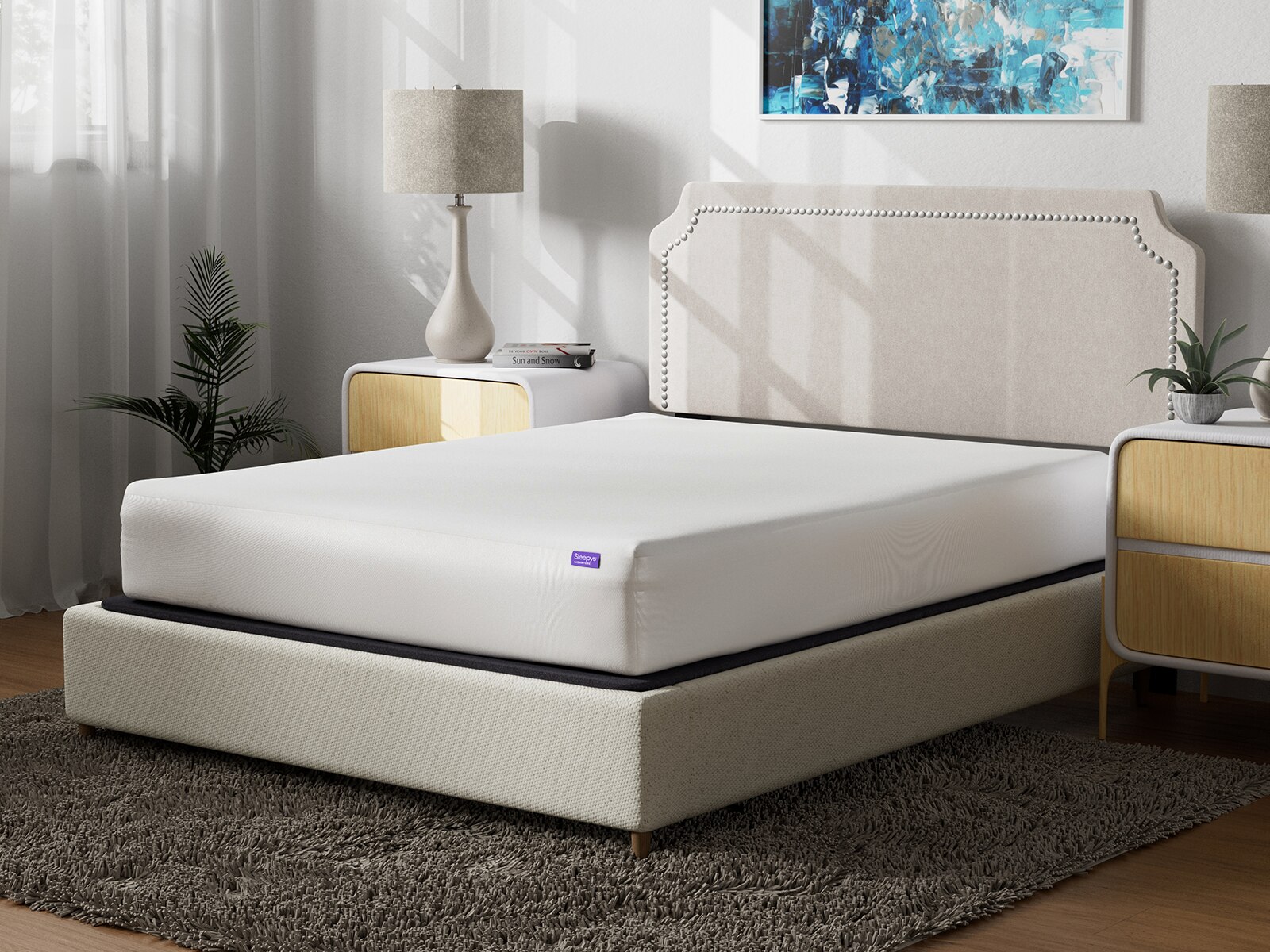
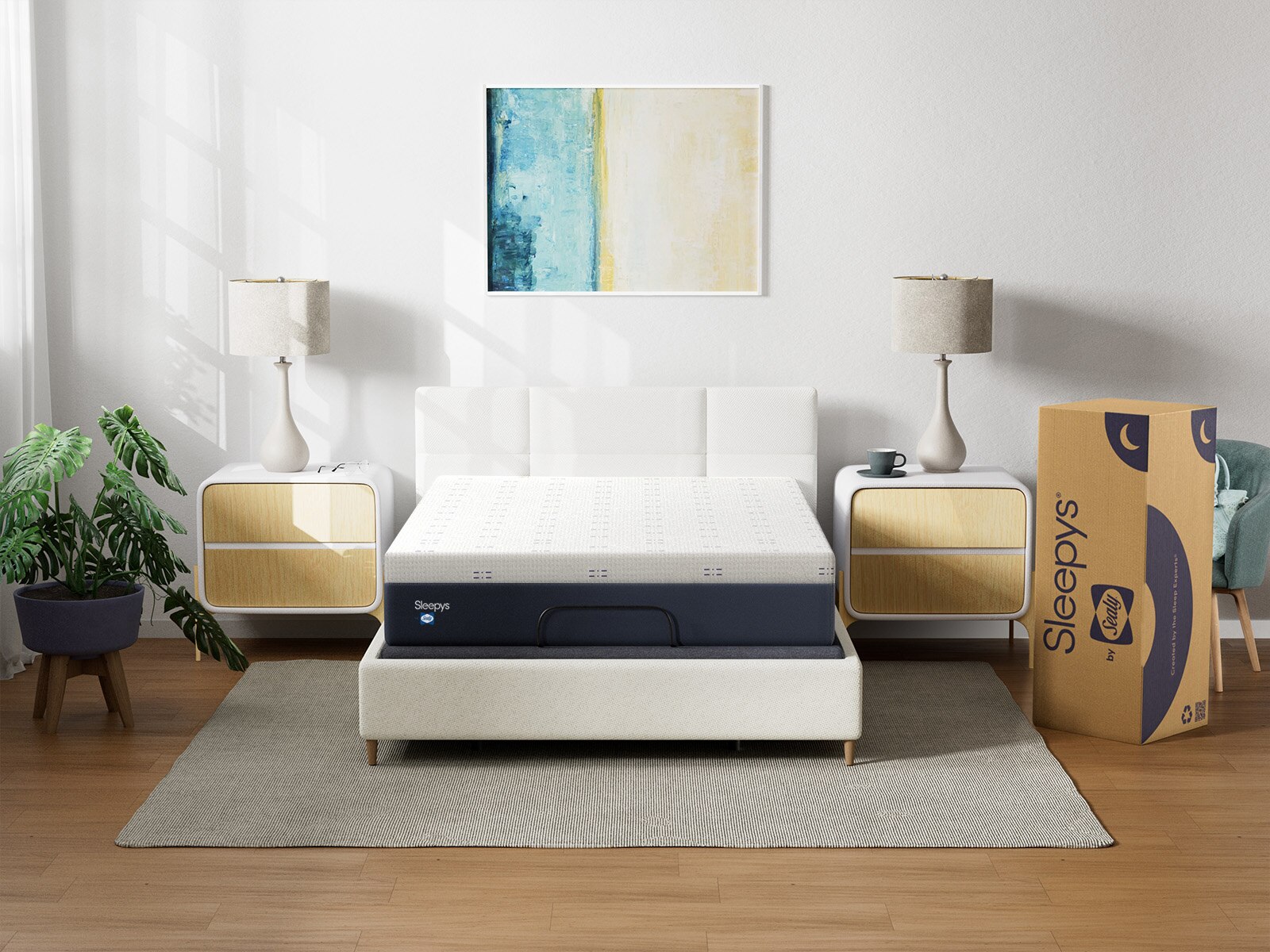
Twin size plush mattresses for kids’ rooms combine a soft, cushioned sleep surface with a compact footprint that leaves room for play, bookshelves and everyday routines. A standard twin mattress generally measures 38 inches wide by 75 inches long, making it a practical fit for many children’s bedrooms, shared rooms and smaller spaces. The plush feel comes from cushioning near the surface, while the layers underneath provide support. Those qualities serve different purposes: a mattress can feel soft at the top without allowing the body to sink deeply throughout. For children who are ready for a regular bed and enjoy a softer surface, that balance can make bedtime feel inviting without requiring a larger mattress. Plush mattresses are not appropriate for infant sleep; infants need a firm, flat sleep surface in a crib, bassinet or other approved infant sleep space. For older children, comfort depends on more than the firmness label. A lighter child may barely compress a comfort layer that feels noticeably softer to an adult, so descriptions such as plush are best understood as starting points rather than universal measurements. Memory foam responds gradually to pressure and offers a close, contouring feel, while other cushioning foams may feel more responsive when a child changes position. Innerspring mattresses use coils for support and can include soft upholstery layers above them. Hybrid mattresses combine a coil support system with foam or other comfort materials, bringing cushioning and a responsive foundation into the same construction. Latex comfort layers can offer a buoyant sensation with less of the slow-settling feel associated with memory foam. The materials, their thickness and the way they work together matter more than any single ingredient. Within the
Plush Kids Mattresses category, the useful distinction is how that softer surface pairs with the support and dimensions needed for a child’s bed. A child who curls up on one side may appreciate cushioning around the shoulder and hip, while a frequent position changer may prefer a surface that makes movement feel easier.
The right physical fit is especially important in kids’ rooms, where the same twin mattress size may be used on a platform bed, daybed, bunk bed or pull-out trundle. Mattress height affects how each setup functions, not just how it looks. On a standard frame, the combined height of the base and mattress influences how easily a child can get into and out of bed. A deep mattress on a tall foundation can create a much higher sleeping surface than expected, while a lower frame may make a thicker mattress easier to reach. Bunk beds and loft beds require closer attention to the bed manufacturer’s specified mattress dimensions and maximum thickness. The upper bunk’s guardrails must maintain the required clearance above the mattress, and added toppers can reduce that clearance. Children younger than six should not use the upper bunk. A lower-profile mattress may suit a bunk or trundle, but thickness alone does not establish compatibility; the frame’s instructions remain the deciding reference. Trundles also need enough clearance to close properly, including space for any bedding that stays on the mattress. Daybeds may have side panels or back rails that make a precise fit particularly useful. Standard twin and Twin XL mattresses are not interchangeable: Twin XL adds five inches of length and requires a frame and bedding sized accordingly. Underneath the mattress, an appropriate foundation or platform helps the support system work as intended. Slat spacing, center support and weight limits should match the requirements of both the mattress and the bed. A child’s weight is not the only consideration when an adult regularly sits beside them for a bedtime story. Around the bed, enough space for drawers to open and a clear path to the doorway can make a small room feel more functional. In a shared bedroom, two twin beds can give each child a separate sleep surface while preserving space for shared storage. These details help a plush twin mattress fit the room as comfortably as it fits the sleeper.
Everyday protection and straightforward care help keep a child’s mattress comfortable through bedtime stories, spilled water and the occasional overnight accident. A properly fitted waterproof protector adds a barrier against liquids, while a washable mattress pad can provide another layer between the fitted sheet and the sleep surface. Water-resistant and waterproof are different descriptions, so the stated level of protection matters. Protectors and sheets should fit the mattress depth securely without bunching, and extra padding should not interfere with a bunk bed’s height limits or guardrail clearance. A protector with a smooth, flexible surface can help preserve the feel of the cushioning underneath rather than making the bed feel stiff or noisy. Care instructions vary by construction, particularly when it comes to covers. A zippered cover is not necessarily removable or machine washable, and removing one without checking the instructions can damage the mattress. When cleaning is permitted, light spot cleaning and thorough drying are generally preferable to soaking the materials. Sheets, protectors and other washable layers can be cleaned according to their own care labels. Some mattresses benefit from periodic head-to-foot rotation, but flipping is appropriate only when the mattress is designed for use on both sides. Durability depends on the quality and arrangement of the materials, suitable support and regular use—not simply on whether the mattress feels plush. Surface impressions and changes in feel should be evaluated against the manufacturer’s care and warranty information rather than assumed to mean the same thing across every construction. As a child grows, their comfort preferences, sleeping positions and need for legroom may change, even when the mattress still fits the frame. A twin can work well through many stages, but its suitability depends on the individual child’s height and habits. For a first regular bed, a sibling’s separate sleep space or a refreshed bedroom, a plush twin mattress offers a soft landing at bedtime while keeping the room’s layout manageable. Secure bedding, compatible support and sensible protection complete a setup built around everyday comfort.