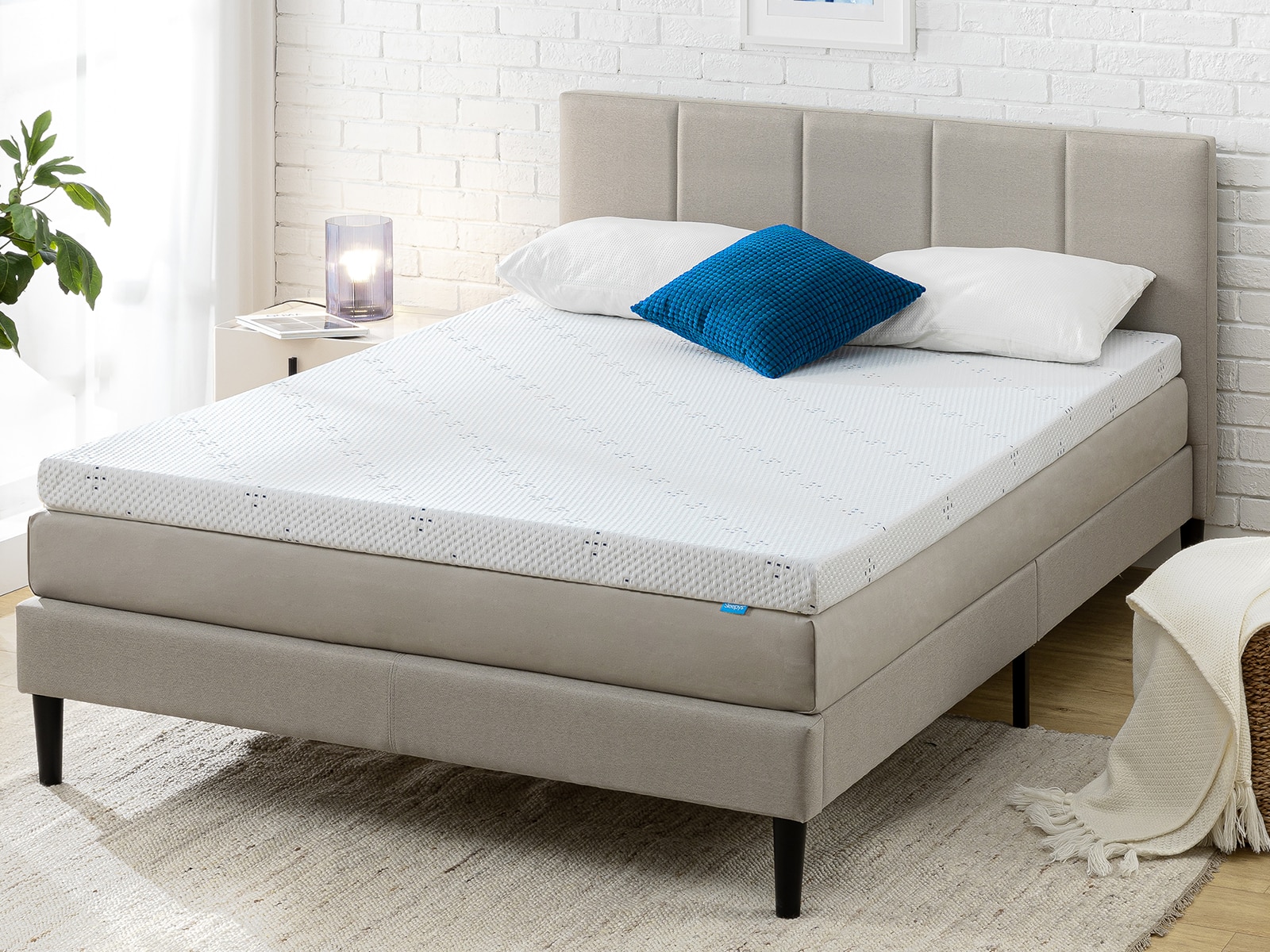
A medium-firm mattress is often a good starting point for adults with back pain because it can balance spinal support with pressure relief. The right feel still depends on body size, sleeping position and personal comfort; no single mattress type works for everyone. Types of mattresses for back pain include memory foam, latex, innerspring and hybrid designs, each with a different way of cushioning the body and resisting excessive sinking. Memory foam contours around the shoulders, hips and lower back, creating a close-fitting feel that can ease pressure where the body meets the surface. Its slower response may appeal to sleepers who enjoy a settled-in sensation, while people who change positions frequently may prefer a more responsive surface. Latex generally feels buoyant and gently contouring, cushioning the body without the same slow-sinking sensation. A hybrid combines a coil support system with foam or latex comfort layers, offering a mix of cushioning and springiness. Individually wrapped coils can move more independently than connected coils, helping accommodate the body’s shape while reducing some movement transfer. Innerspring mattresses typically emphasize a springier feel, with pressure relief influenced by the thickness and character of the padding above the coil unit. All-foam mattresses use a foam support core rather than springs, and their performance depends on the entire construction, not just the top layer. Each of these types can come in softer or firmer versions. A plush surface does not necessarily mean the underlying support is weak, just as a firm surface does not guarantee appropriate spinal support. For someone whose hips sink noticeably farther than the rest of the body, stronger underlying support may matter more than additional cushioning. For someone who feels concentrated pressure at the shoulder, a more conforming comfort layer may be helpful. Support helps hold the body in a comfortable position; firmness describes how soft or hard the surface feels.
Sleeping position helps explain why two people with back discomfort may prefer different mattresses. Side sleepers generally need enough cushioning for the shoulders and hips to settle into the surface without allowing the waist to dip excessively. A surface that feels too hard can leave these pressure points uncomfortable, even when the mattress feels sturdy. Back sleepers often benefit from a balance that accommodates the curve of the lower back while keeping the pelvis from sinking too deeply. Stomach sleepers may need a firmer feel to limit sinking through the midsection, although mattress choice alone cannot make every sleeping position comfortable. Body weight also changes how a mattress feels: a lighter sleeper may experience less contouring, while a heavier sleeper may compress the same comfort layers more deeply. Firmness labels are useful starting points, but they are not identical across manufacturers. The most helpful comparison is how the whole mattress responds in a familiar sleeping position. When trying a mattress, spending several minutes on the back or side is more informative than briefly sitting on its edge. Notice whether the shoulders can relax, whether the hips feel supported and whether rolling over takes extra effort. Couples may also want to consider motion isolation, usable space and edge support. A stable perimeter can make sitting down or getting into bed feel more secure, while reduced movement transfer can limit disturbances when a partner changes position. Pillow height matters, too, because a pillow that holds the head too high or too low can affect neck alignment even on a supportive mattress. The
Best Mattress For Back Pain collection offers another way to explore this category with personal comfort and support needs in mind. A mattress may improve sleeping comfort, but it is not a treatment for every cause of back pain. Persistent or worsening discomfort deserves attention from a healthcare professional.
Long-term comfort also depends on what supports the mattress and how it is cared for. A compatible foundation, platform or adjustable base helps the mattress perform as intended; an uneven or damaged support surface can affect how the bed feels. Slat spacing and center-support requirements vary, so checking the manufacturer’s specifications is important, especially when replacing a mattress but keeping an existing bed frame. Adjustable-base compatibility should also be confirmed rather than assumed. Mattress height deserves attention beyond appearance: the combined height of the frame, foundation and mattress affects how easily someone can sit down, stand up or move into bed. A person who wakes with stiffness may appreciate a setup that allows the feet to rest on the floor while seated at the edge. Mattress dimensions should leave enough room for comfortable movement without making the bedroom difficult to navigate. Durability depends on material quality, construction, sleeper weight and regular use, rather than thickness alone. Foam density and firmness describe different characteristics, so a denser foam is not automatically a firmer foam. Likewise, adding more comfort layers does not automatically create better support. Over time, lasting impressions, uneven areas or a noticeable change in comfort can signal that a mattress needs closer evaluation. A well-fitting protector helps shield the surface from spills and everyday moisture, while properly fitted sheets reduce bunching that can interfere with comfort. Follow the care label for cleaning, and avoid soaking foam or upholstery. Rotate the mattress only as directed, and do not flip a one-sided design unless the manufacturer specifically allows it. Checking the foundation and support hardware periodically can help identify loose components before they affect the sleeping surface. Choosing among mattress types ultimately means finding a construction that suits the sleeper’s body, preferred position and ease of movement, then maintaining the complete sleep setup so that cushioning and support remain consistent with everyday use.