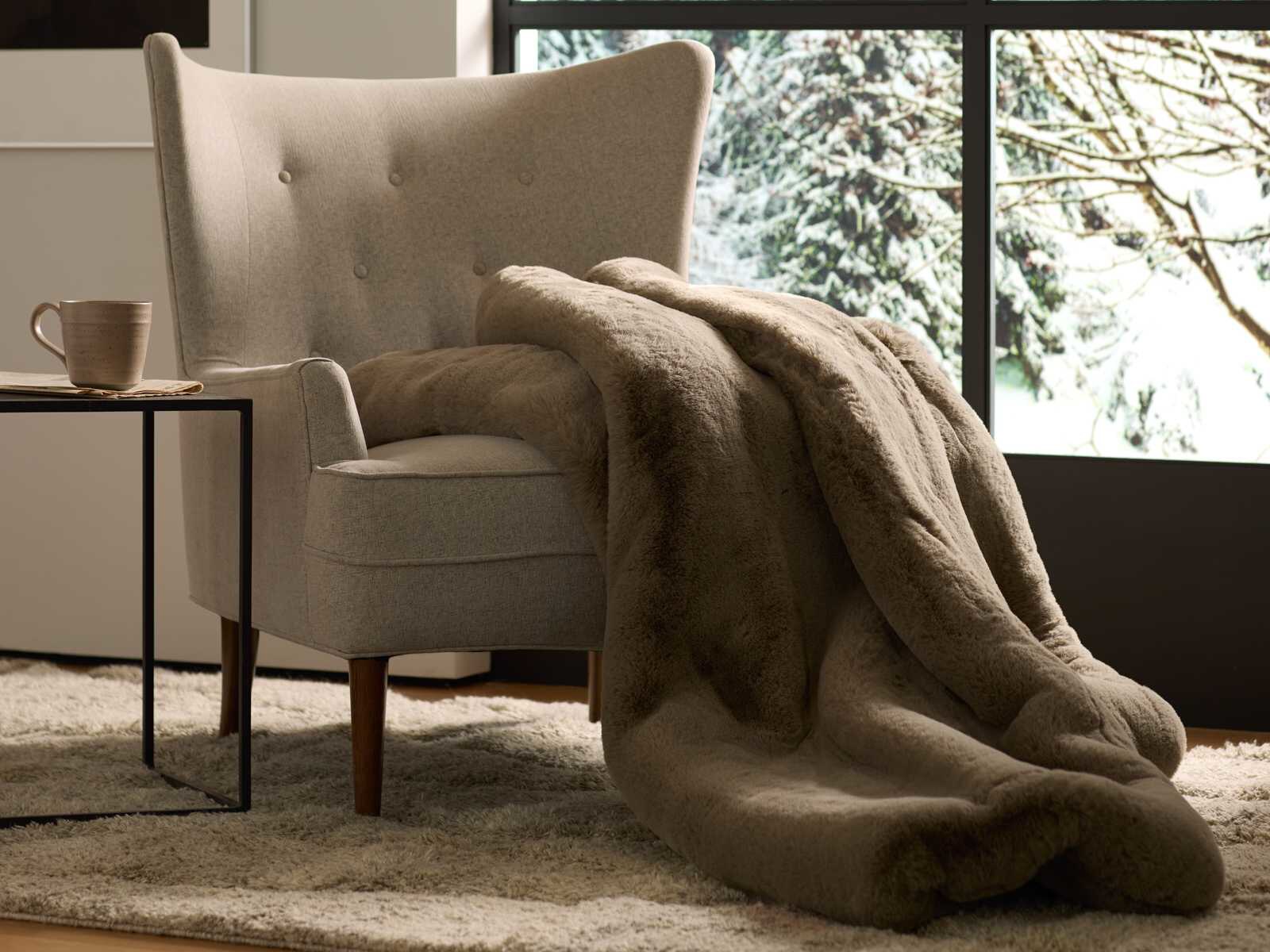
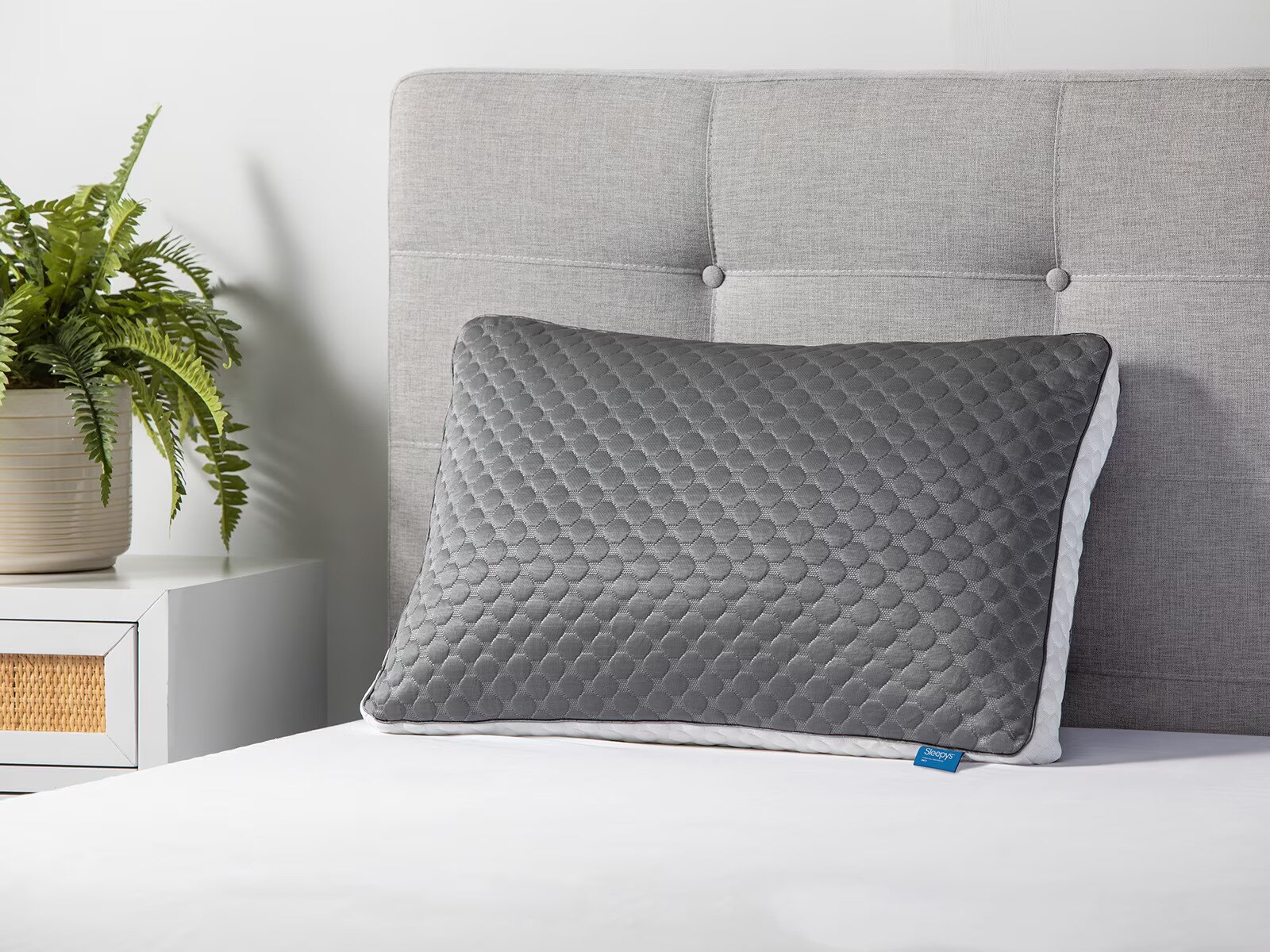
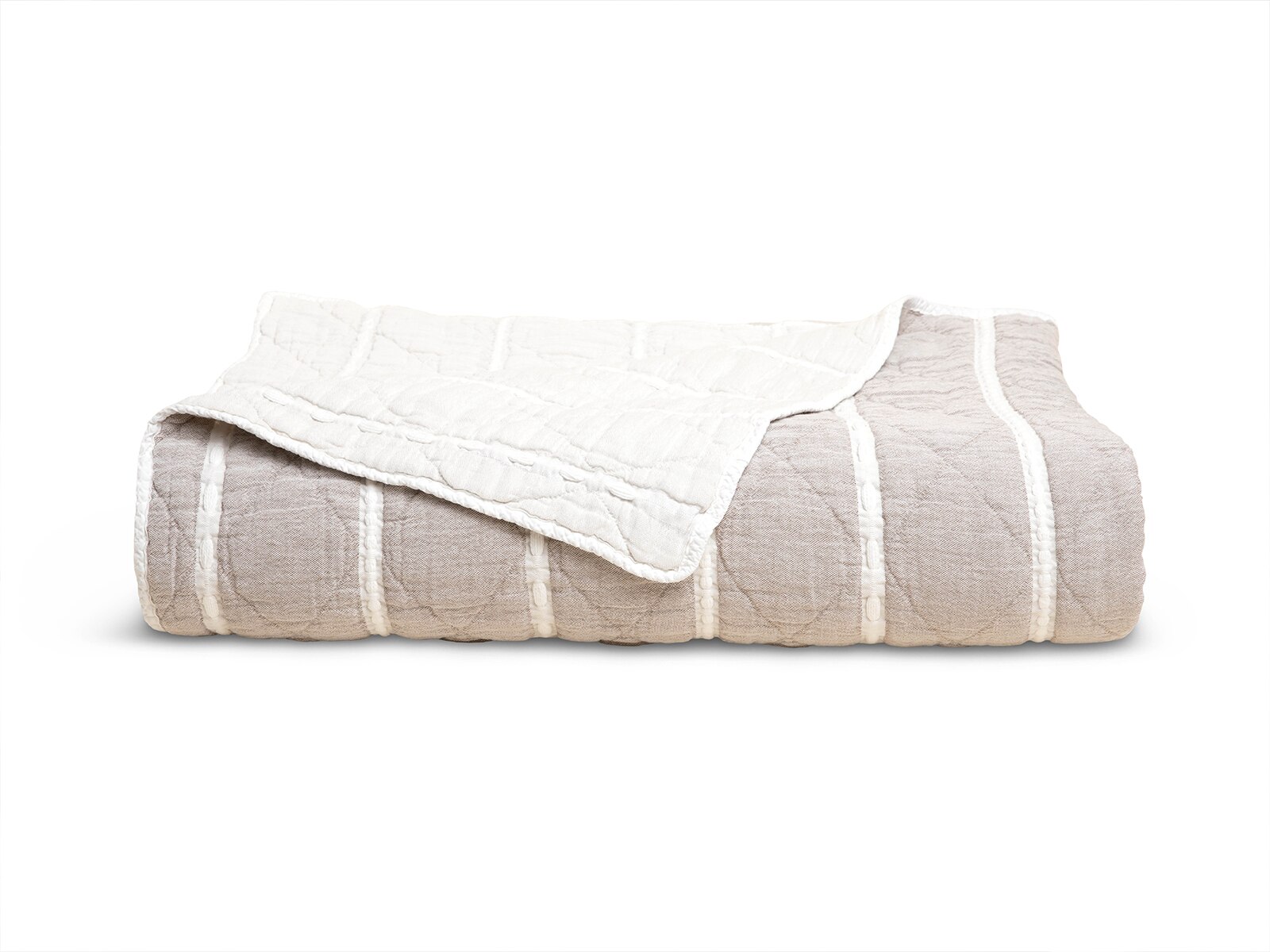
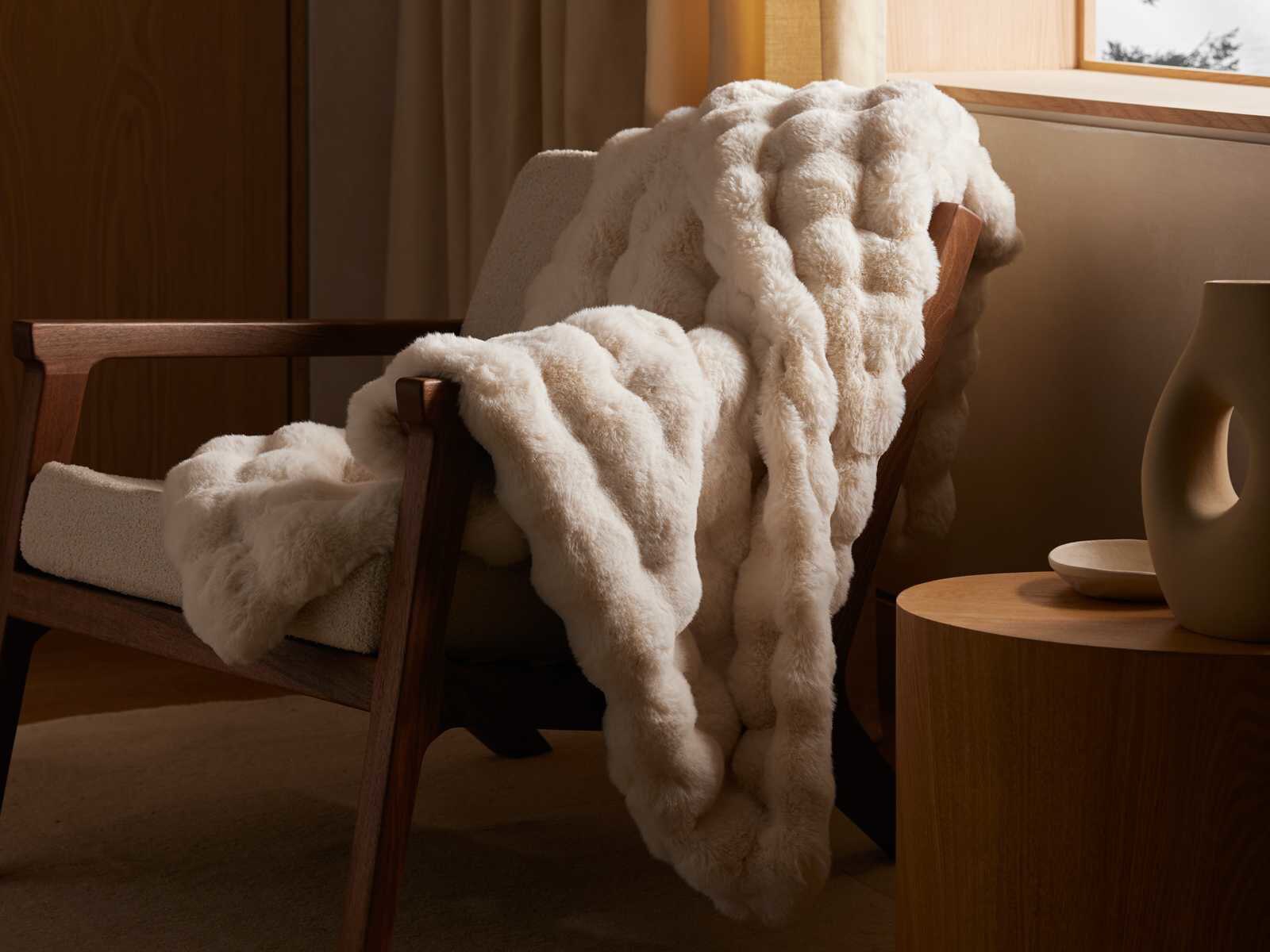
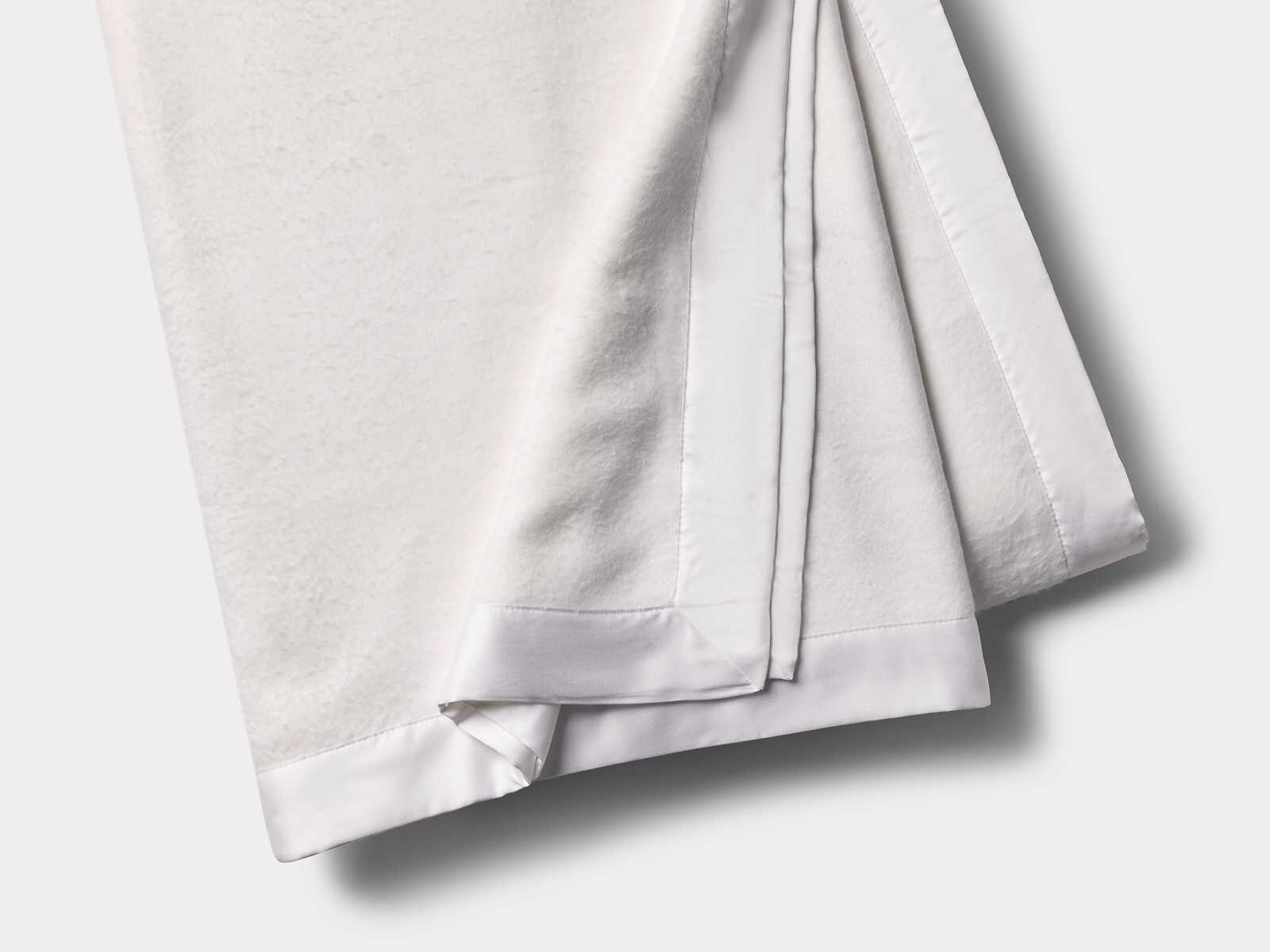
Warming products help create a cozier place to rest by holding onto body heat or supplying gentle, controlled warmth. For sleep and indoor comfort, they generally fall into two groups: non-electric layers that provide insulation and electrically heated bedding that generates heat. Insulating materials slow the movement of warmth away from the body, while powered options use heating elements to warm the area they cover. That distinction matters when a bed feels chilly at first but becomes comfortable later, or when a lightweight covering never seems quite warm enough. A soft layer across the legs can make reading on the sofa more comfortable without adding bulk around the shoulders. On the bed, a breathable insulating layer can provide warmth while still allowing adjustments throughout the night. Materials play a large part in how that comfort feels. Fleece has a brushed surface that holds pockets of air, creating a soft, insulating layer. Wool can provide insulation while absorbing moisture vapor, although its texture and care requirements vary. Cotton covers offer a familiar feel against the skin, with breathability influenced by the fabric’s weave and thickness. Filled bedding relies partly on loft—the space within the filling—to hold insulating air. A thicker appearance alone does not establish how warm something will feel; fill material, construction, coverage and the layers beneath it all contribute. Quilting and stitching help keep filling distributed, reducing the chance of thin areas developing with use. For someone who dislikes a heavy covering, loft and flexibility may matter more than substantial fabric weight. Someone who enjoys a tucked-in feeling may prefer a denser layer that settles closely around the body. Warmth is personal, and the most comfortable arrangement often combines a soft surface, manageable weight and enough breathability to avoid feeling enclosed. The goal is a restful setup that feels welcoming at bedtime and remains easy to adjust.
Fit determines whether warming bedding stays comfortable once someone starts moving, stretching or changing sleep positions. Mattress dimensions are only part of that fit. Mattress depth, including any topper, affects how securely a fitted layer sits around the corners. A layer stretched too tightly may pull loose, while excess material can bunch beneath the sleeper. For coverings placed above the body, length and width influence shoulder coverage, foot coverage and how much fabric hangs over the sides. A shared bed may need enough coverage for both sleepers to turn without exposing an edge. Separate lightweight layers can also accommodate partners with different warmth preferences without making the entire bed feel heavier. For lounging, a smaller covering can be easier to arrange across the lap, while full-body coverage is more useful for reclining. Electrically heated bedding adds another consideration: the controls and intended operating conditions. Features such as adjustable settings or automatic shutoff should be confirmed in the product information rather than assumed. A lower setting may provide enough comfort, particularly when other bedding already holds warmth well. Prewarming a bed and continuous overnight use are different applications, and the manufacturer’s directions determine whether either is appropriate. Electrically heated materials should not be folded, tightly bunched, pinned or used in a way that can damage their internal components. Compatibility with other bedding, mattress materials and adjustable foundations also needs confirmation before use. Cords and connectors should remain free from pressure or pinching, including near moving bed frames. Anyone who has difficulty sensing heat or independently adjusting or removing a heated covering needs particular caution and appropriate medical guidance. These details help distinguish everyday comfort from uses that a warming layer was not designed to support. Powered bedding is for comfort, not a substitute for medical care or a way to manage an illness.
Care requirements deserve as much attention as the initial feel, especially for bedding used every night. A plush fabric that stays soft with straightforward laundering may suit a busy household better than one that needs specialized handling. The care label establishes the correct washing method, water temperature and drying conditions; similar-looking fabrics can have very different requirements. Wool may need gentler treatment to reduce shrinking or changes in texture, while filled layers need enough drying time to prevent damp areas from remaining inside. Electrically heated bedding requires its own handling precautions, including disconnecting removable controls when directed and keeping electrical components out of water unless the instructions specifically allow otherwise. Fully drying and inspecting bedding before reuse helps protect both comfort and condition. Durable construction includes secure seams, stable edging and filling that stays reasonably even through normal use and recommended care. Excessive heat during drying, rough handling and storage under heavy objects can shorten the useful life of some materials. Clean, completely dry bedding is best stored according to its care instructions, with enough room to avoid unnecessary compression. Heated layers also need inspection for worn fabric, damaged cords or unusual changes before returning to use. As a gift, a warming layer can be a thoughtful choice for someone who enjoys reading in bed, relaxing after a long day or adding softness to a guest room. The recipient’s preferred texture, bed size, laundering routine and comfort with powered controls all help determine suitability. A simple, easy-care layer may be more useful than an elaborate option that does not fit everyday habits. Households with mixed comfort preferences may also find
Cooling Sleep Products relevant when creating separate sleep setups. A well-considered warming layer should complement the way someone already rests, adding comfortable coverage without unnecessary weight, complicated care or restrictions that make it difficult to use.