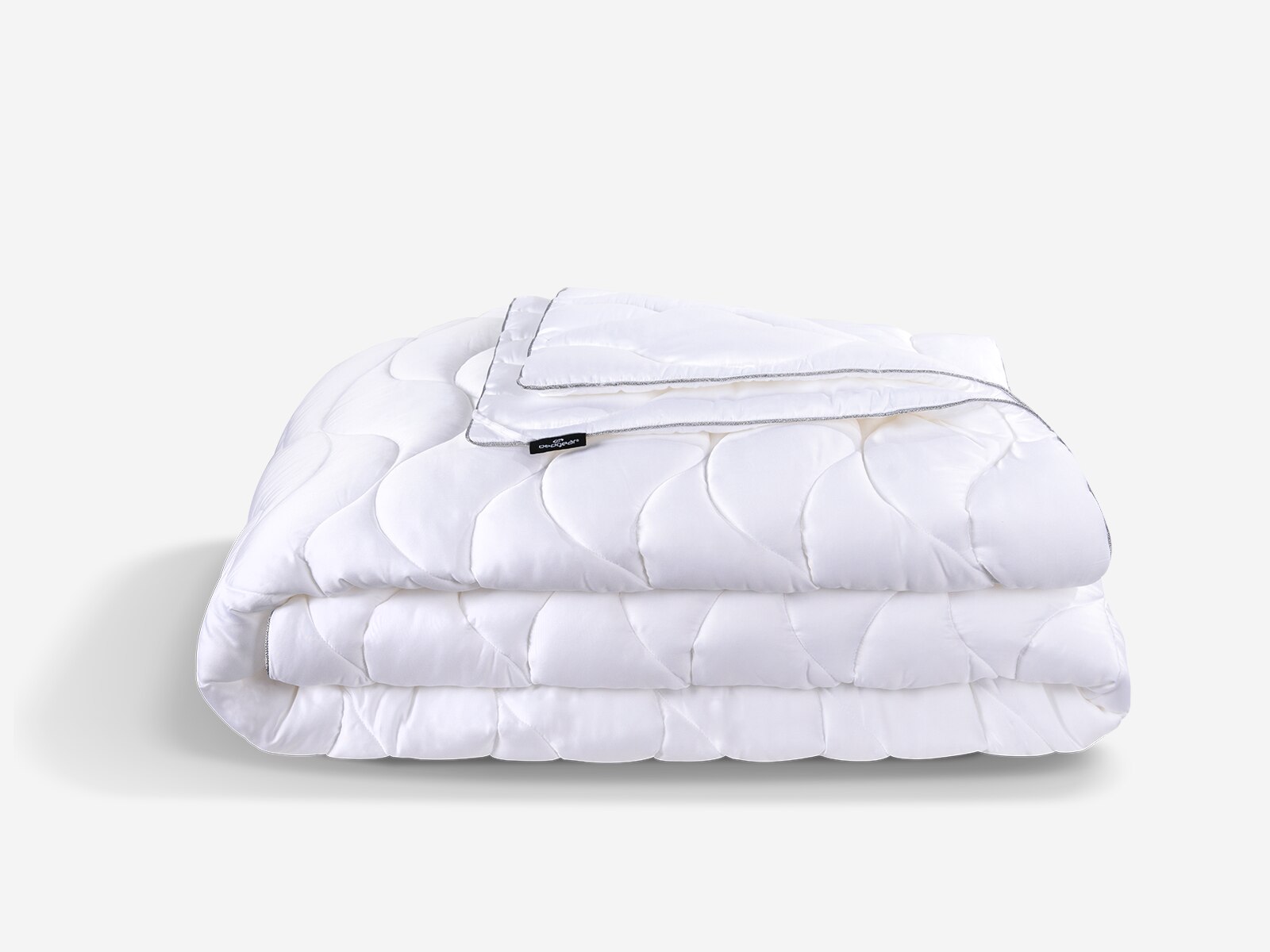
Year-round comfort mattress toppers add a layer of cushioning to a mattress that still provides a stable, even foundation. Their purpose is to adjust the feel of the sleep surface, whether that means softening a firm mattress, adding gentle contouring or creating a more welcoming guest bed. Unlike a thin mattress protector, which primarily helps shield the mattress from spills and everyday wear, a topper is designed to make a noticeable difference in how the bed feels. The right match depends on the mattress underneath, the sleeper’s usual position and the amount of cushioning that feels comfortable through the night. A side sleeper whose shoulder feels pressed against a firm surface may appreciate more contouring, while someone who sleeps on their stomach may prefer a thinner, less enveloping layer that limits sinking around the hips. Back sleepers often look for a balance of cushioning and a steady feel beneath the lower back. These are starting points rather than fixed rules, since body shape, personal preference and the existing mattress all influence the result. Thickness alone does not determine comfort: a thicker topper can feel relatively firm, and a thinner one can still noticeably soften the surface. Toppers around two to four inches thick can provide different levels of adjustment, but there is no single thickness that suits everyone. Someone who likes the mattress’s overall feel may need only a modest layer, while someone seeking a more pronounced change may prefer additional depth. For a shared bed, a responsive surface can make repositioning easier, while a more contouring material may help absorb some movement from a partner. A topper can also make a familiar mattress feel more inviting after a move or help tailor a guest room to visiting family. It cannot repair deep impressions, broken components or an uneven foundation, so the condition of the mattress remains the starting point for lasting comfort.
Materials give year-round comfort toppers much of their character. Memory foam gradually conforms under body weight, creating a close, cradling feel that can cushion pressure around the shoulders and hips. That slower response appeals to sleepers who enjoy settling into the surface, although someone who changes positions frequently may prefer foam that rebounds more quickly. Gel-infused foam, open-cell structures and ventilation channels are features intended to influence heat movement or airflow, but none guarantees a particular sleeping temperature. The cover, sheets, mattress beneath and sleeper’s own preferences also affect the experience. Breathable construction is worth considering for someone who regularly wakes feeling too warm, rather than assuming that a cooling label tells the whole story. Latex typically has a springier response than memory foam, with a buoyant feel that compresses under weight and rebounds as the sleeper moves. Perforations can create pathways for airflow, though overall comfort still depends on firmness, thickness and the surrounding bedding. Fiber-filled toppers offer a different sensation: more of a pillowy cushion than the close contour of foam. Depending on the fill and construction, they may need regular fluffing to redistribute material and maintain an even surface. Down and feather fills can feel soft and lofty, while down-alternative fills offer another option for sleepers who prefer a different material. Sensitivities to latex, feathers or other components make accurate material labels especially important. Some toppers combine layers to pair a more structured base with a softer upper surface, but added complexity does not automatically mean a better fit. A cover that stretches with the cushioning allows the underlying material to respond, while a taut or heavily padded cover can change the feel. For comfort that remains useful night after night, the most helpful features are the ones that address a real preference: less surface pressure, easier movement, a loftier feel or a closer contour.
Fit and care help preserve those comfort benefits. Match the topper to the mattress size and check the listed dimensions, especially for a Twin XL bed, a split setup or a mattress with an unusual profile. Measuring the mattress and topper together helps determine whether fitted sheets and a protector have enough pocket depth. Sheets pulled too tightly over a thick topper can compress the cushioning or lift at the corners, while excess fabric can bunch beneath the sleeper. Corner straps, a fitted skirt or a textured underside may help a topper stay in place, depending on its construction and the mattress cover beneath it. Added height also changes the distance from the floor to the sleep surface, an important detail for anyone who needs to sit securely at the edge before standing. For a college bedroom or a housewarming gift, confirming the bed size, sheet fit and recipient’s preferred feel is more useful than choosing by thickness alone. Care requirements vary considerably, so the label should determine whether a cover can be removed and washed, whether the fill tolerates laundering or whether the topper requires spot cleaning. Foam generally should not be machine washed unless the manufacturer explicitly permits it, and any cleaned component needs to dry completely before the bed is remade. A compatible protector can help reduce direct exposure to moisture and everyday buildup without replacing routine care. Rotating a topper may help distribute wear when its instructions allow, while fiber-filled designs may benefit from gentle fluffing. Persistent flattening, crumbling foam or sections that no longer recover their shape can signal that the cushioning is wearing out. If discomfort comes from a worn mattress rather than its surface feel,
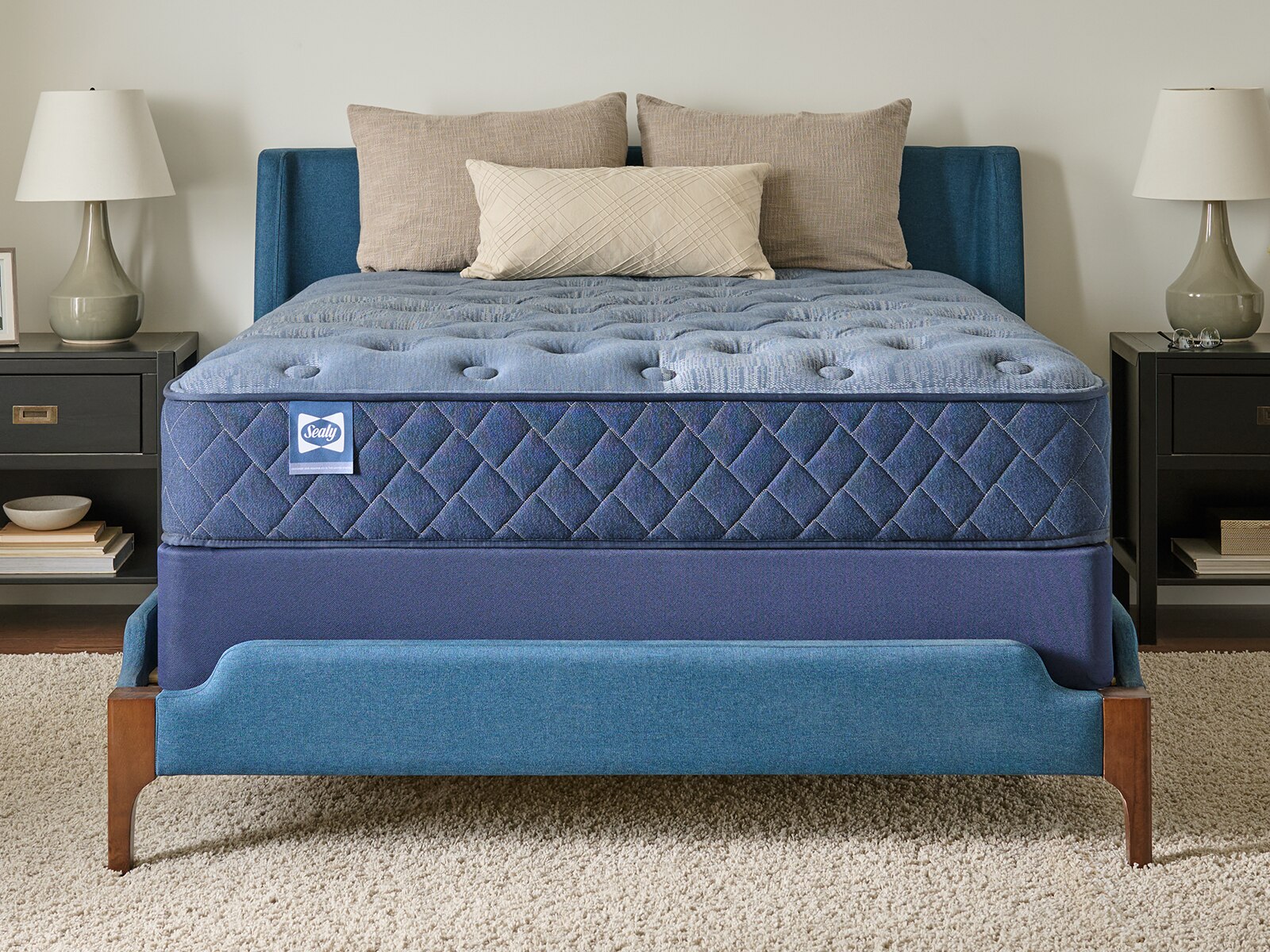
pillowtop mattresses for year-round comfort offer another approach, with cushioning built into the mattress itself. A well-matched topper serves a distinct purpose: refining the feel of a sound mattress with the cushioning, fit and care routine that suit everyday sleep.