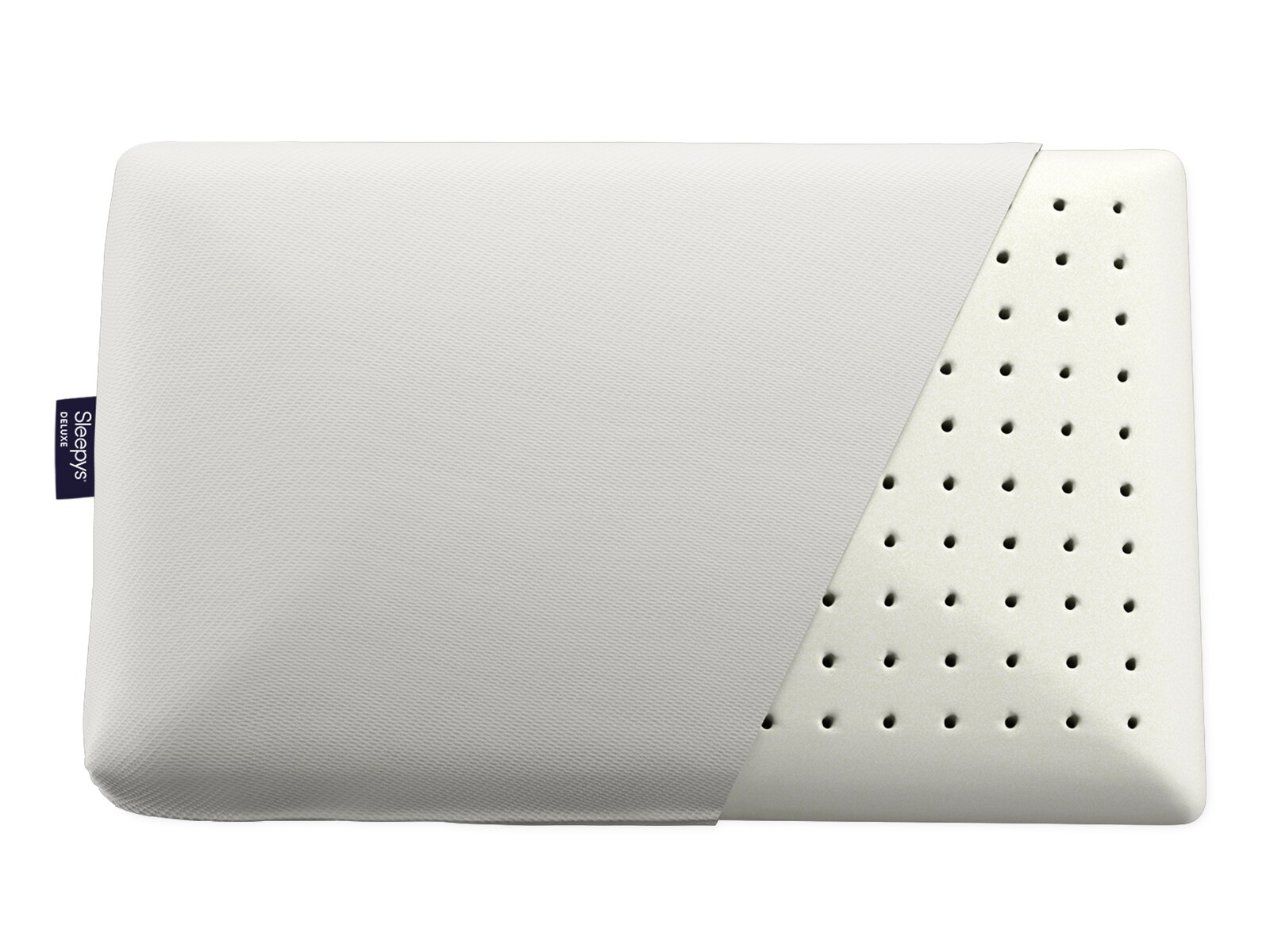
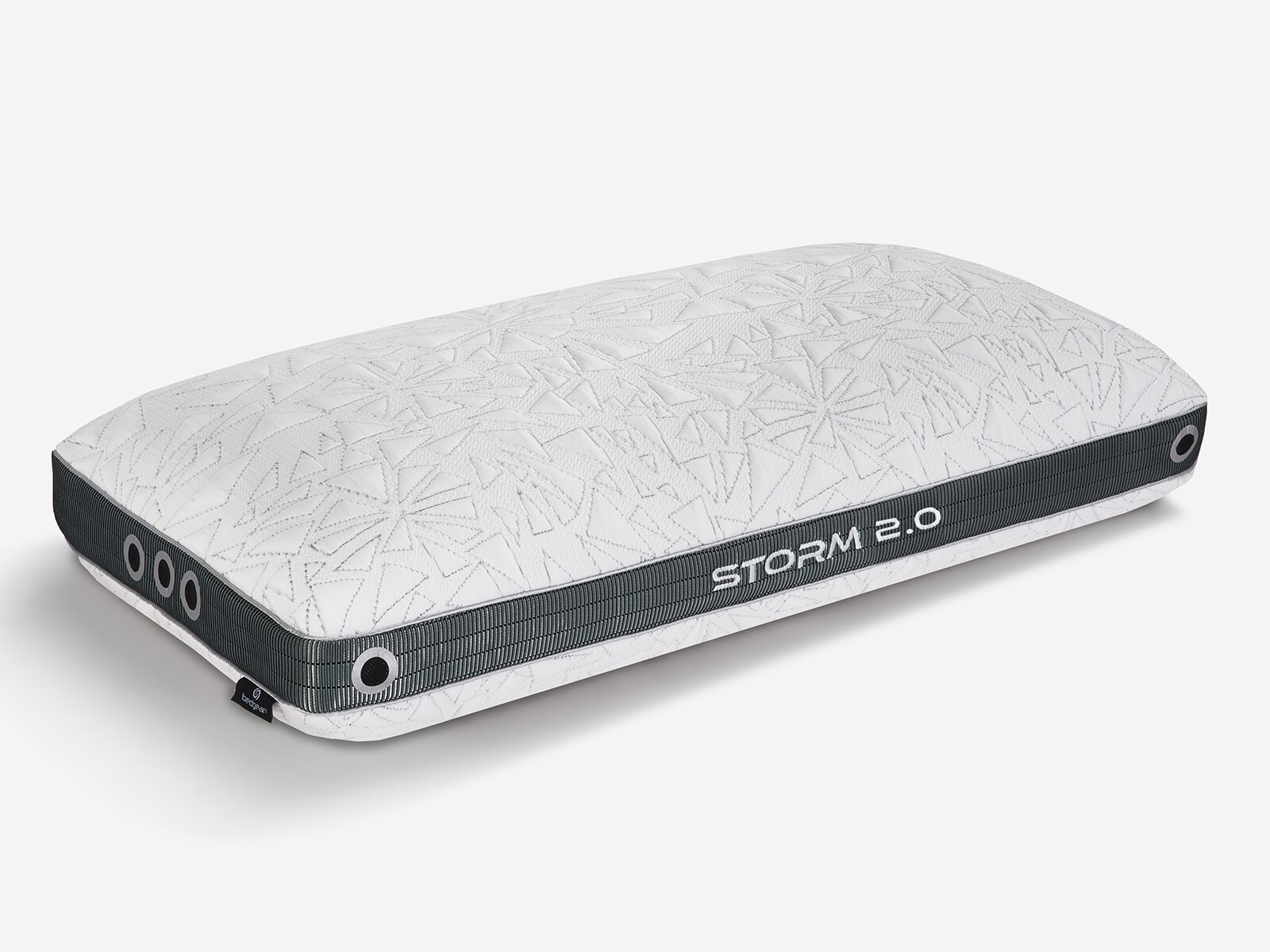
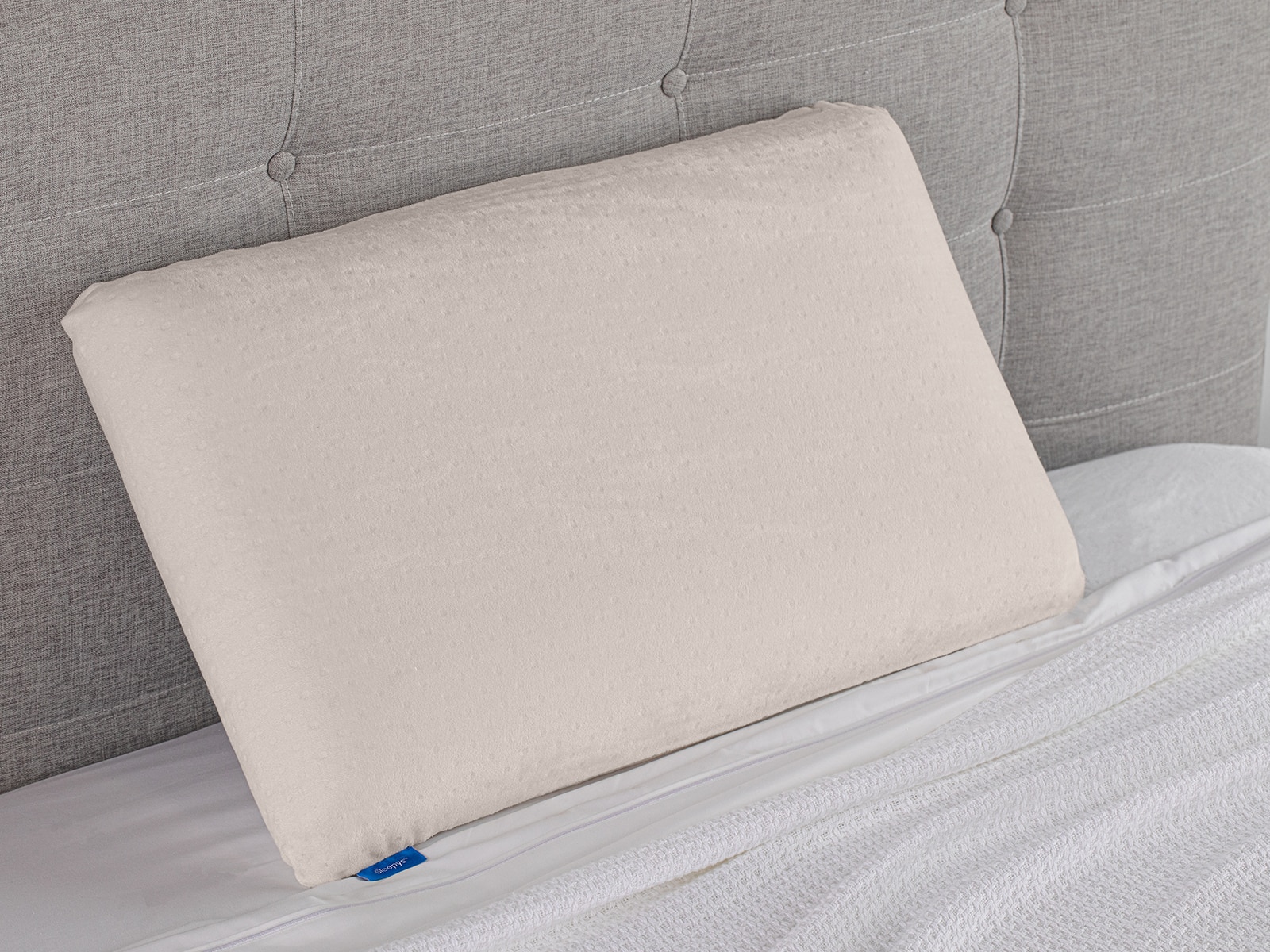
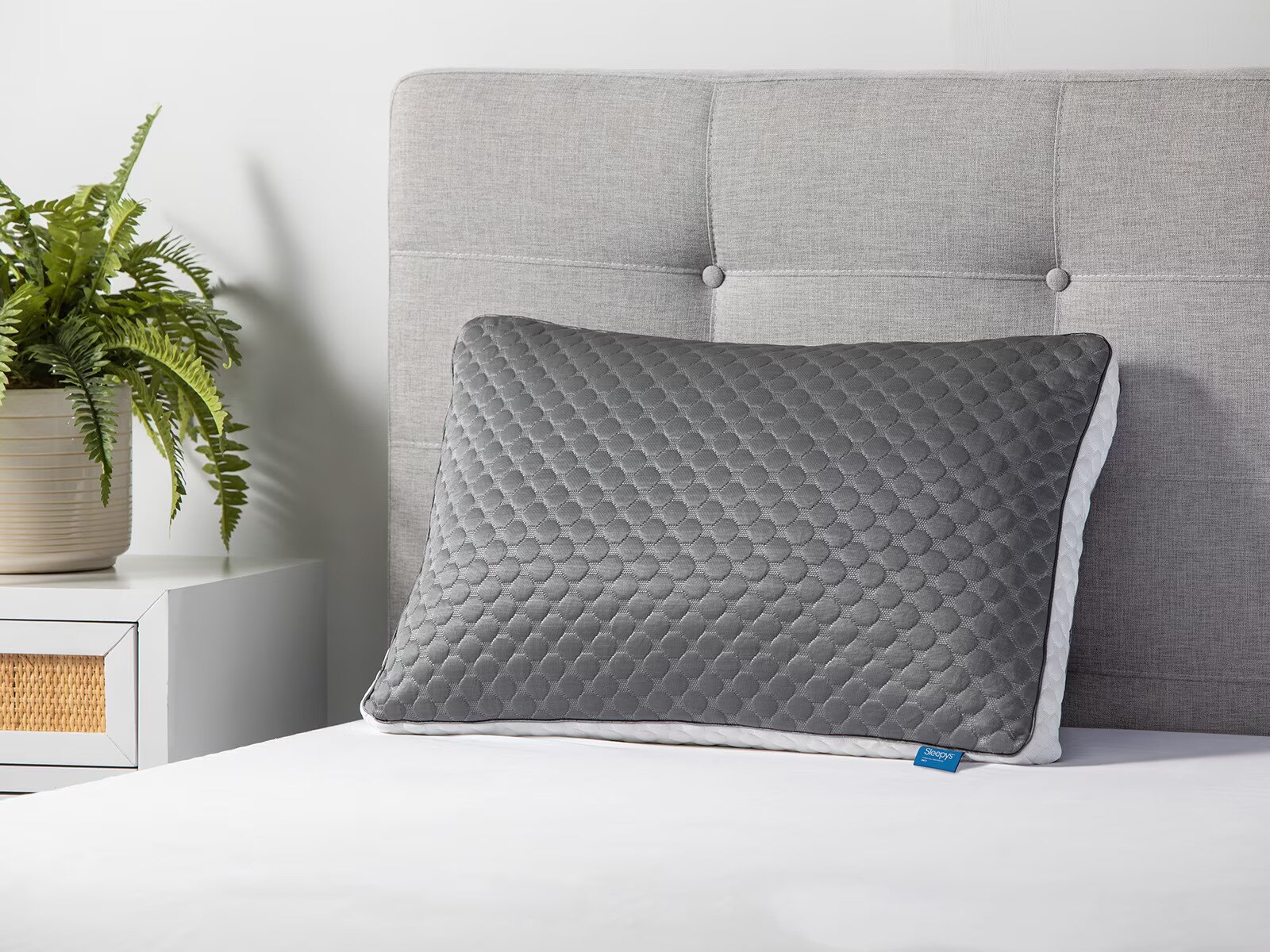
Advanced cooling sleep pillows are designed to help manage heat and moisture around the head and neck through features such as ventilated foam, gel infusions, phase-change materials and breathable covers. These features work in different ways, so a cool feel at first contact is not the same as ongoing airflow or moisture management. A pillow with a cool-touch fabric may feel refreshing when a cheek first meets the surface, while a perforated core creates pathways that can help air move through the pillow as pressure shifts. Phase-change materials absorb heat as they transition between physical states, helping buffer changes in surface temperature within their designed range. Their cooling capacity is limited, however, rather than a source of continuous refrigeration. Gel-infused memory foam may offer a cooler initial sensation, but its performance also depends on the foam structure, cover and surrounding bedding. Moisture-wicking fabrics move perspiration away from the skin and spread it across the fabric, where it can evaporate when conditions allow. For someone who regularly turns a pillow over to find a fresher spot, those differences are worth understanding: an immediately cool surface and a breathable interior address related but distinct comfort needs. Support and overall construction also matter when considering
Instant Cooling Pillows. A smooth cover, a lightly textured knit and a layered fabric can also feel different against the face, even when each includes a cooling feature. No pillow can independently control the sleep environment, and a thick pillowcase or tightly layered bedding may change how noticeable its surface feels. The most useful cooling design is one that complements the sleeper’s usual position and bedding rather than relying on a cool-touch sensation alone. Breathability, cushioning and the ability to maintain a comfortable shape all contribute to how that pillow feels beyond the first few minutes of settling into bed.
Fit matters just as much as cooling technology because the pillow still needs to support the head without pushing the neck into an awkward angle. Loft describes a pillow’s height, but the height under the weight of the head is often more useful than its uncompressed appearance. A tall, soft pillow may flatten considerably, while a lower, firmer design can retain more of its original profile. Side sleepers often need enough loft to fill the space between the head and mattress, with the right amount depending on shoulder breadth and how deeply the body settles into the bed. A person whose shoulder sinks into a softer mattress may need a different pillow height than someone resting on a firmer surface. Back sleepers generally benefit from a profile that supports the neck without tipping the chin toward the chest. Stomach sleepers typically need a lower profile to limit how far the head is lifted, although comfort remains individual. For combination sleepers who move from side to back, a shape that responds easily to position changes may feel more practical than a deeply contoured surface. Solid memory foam tends to provide a more consistent shape and close contouring, while shredded foam can offer a more moldable feel. Latex foam is typically responsive, returning toward its original shape more quickly after pressure is removed. Fiber-filled constructions can feel softer and easier to fluff, with support depending on the amount and structure of the fill. Adjustable designs allow fill to be added or removed when their construction permits, making it possible to refine height rather than accept a fixed profile. A pillow used mainly for sleeping may also need a different feel from one propped behind the shoulders for reading. Cooling features do not replace that distinction. The aim is a comfortable resting position with enough cushioning for the face and enough support beneath the head, whether the preferred feel is gently yielding or more substantial.
Materials and care requirements help determine how well a cooling pillow fits into an everyday routine. A removable, washable cover can make regular upkeep simpler, particularly for someone who uses facial moisturizers, hair products or other bedtime essentials that may transfer onto fabric. The outer cover and inner pillow may have different cleaning requirements, so the care label matters for each component. Some covers tolerate machine washing, while many foam cores require spot cleaning and should not be submerged. Any cleaned component needs to dry completely before the pillow is put back together or returned to the bed. Excessive heat, bleach or an unsuitable wash cycle can affect foam, fabric finishes and adhesives, depending on the construction. A pillowcase provides an additional washable layer, but its weight and weave can influence airflow and the sensation of the cooling surface underneath. A thin, breathable case may allow more of that surface feel to come through than a dense, heavily layered covering. Protectors can be useful for cleanliness, though their backing and thickness may also change the pillow’s feel. Durability involves more than whether the cover still looks smooth: a supportive core should continue to recover appropriately, and loose fill should remain manageable rather than forming stubborn, uneven clumps. Persistent flattening, crumbling foam or a shape that no longer supports a comfortable position can signal that a pillow is no longer performing as intended. Advanced cooling sleep pillows can suit people who notice warmth around the face, prefer a fresher-feeling sleep surface or want breathable cushioning without giving up their preferred level of support. They can also make a thoughtful gift when the recipient’s sleep position, texture preferences and care expectations are known. Someone who likes a crisp, smooth surface may appreciate a different cover from someone who prefers a soft knit, just as a dedicated side sleeper may need a different profile from a back sleeper. Matching those everyday preferences helps make cooling features part of a comfortable, practical sleep setup.