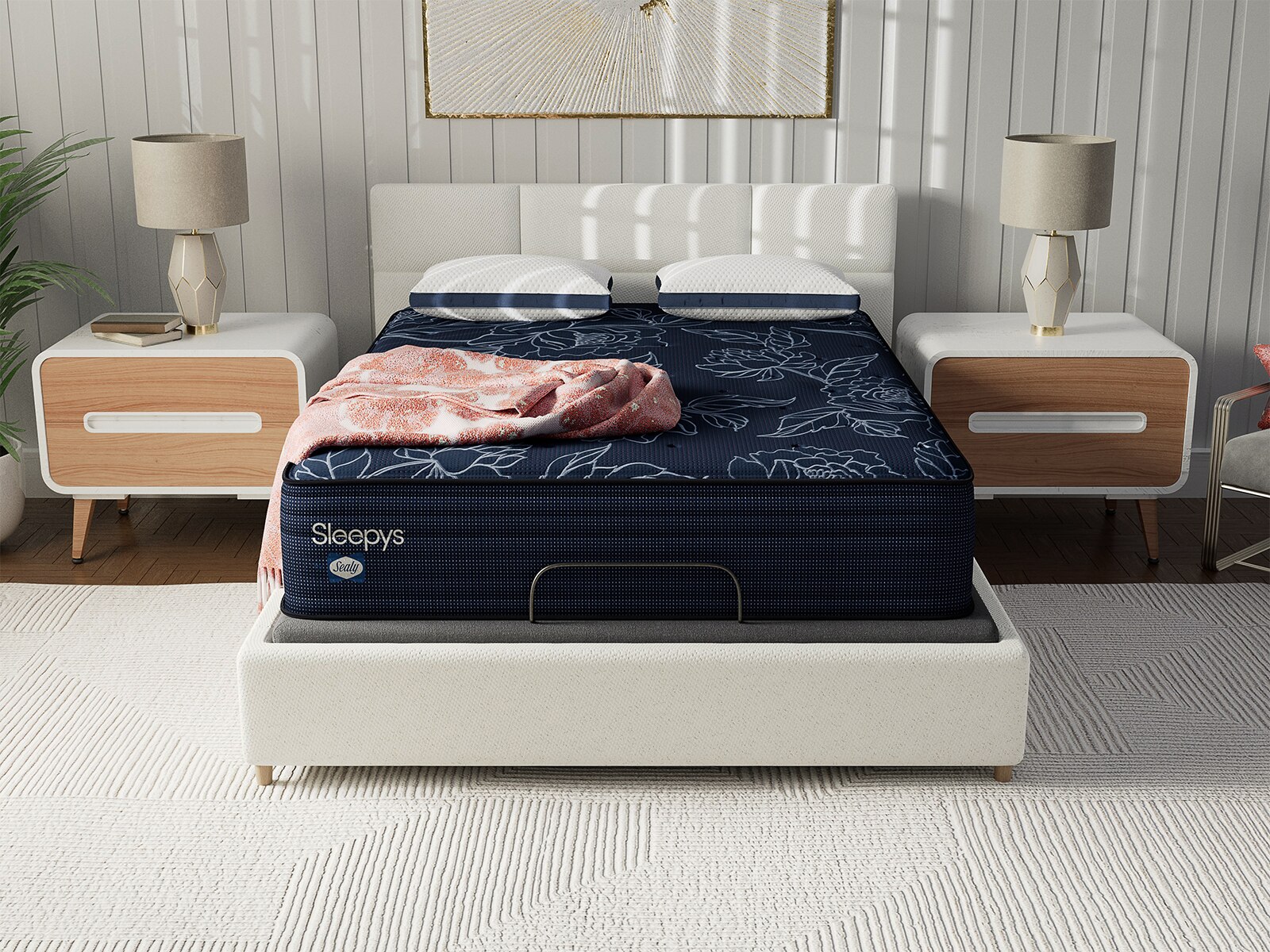
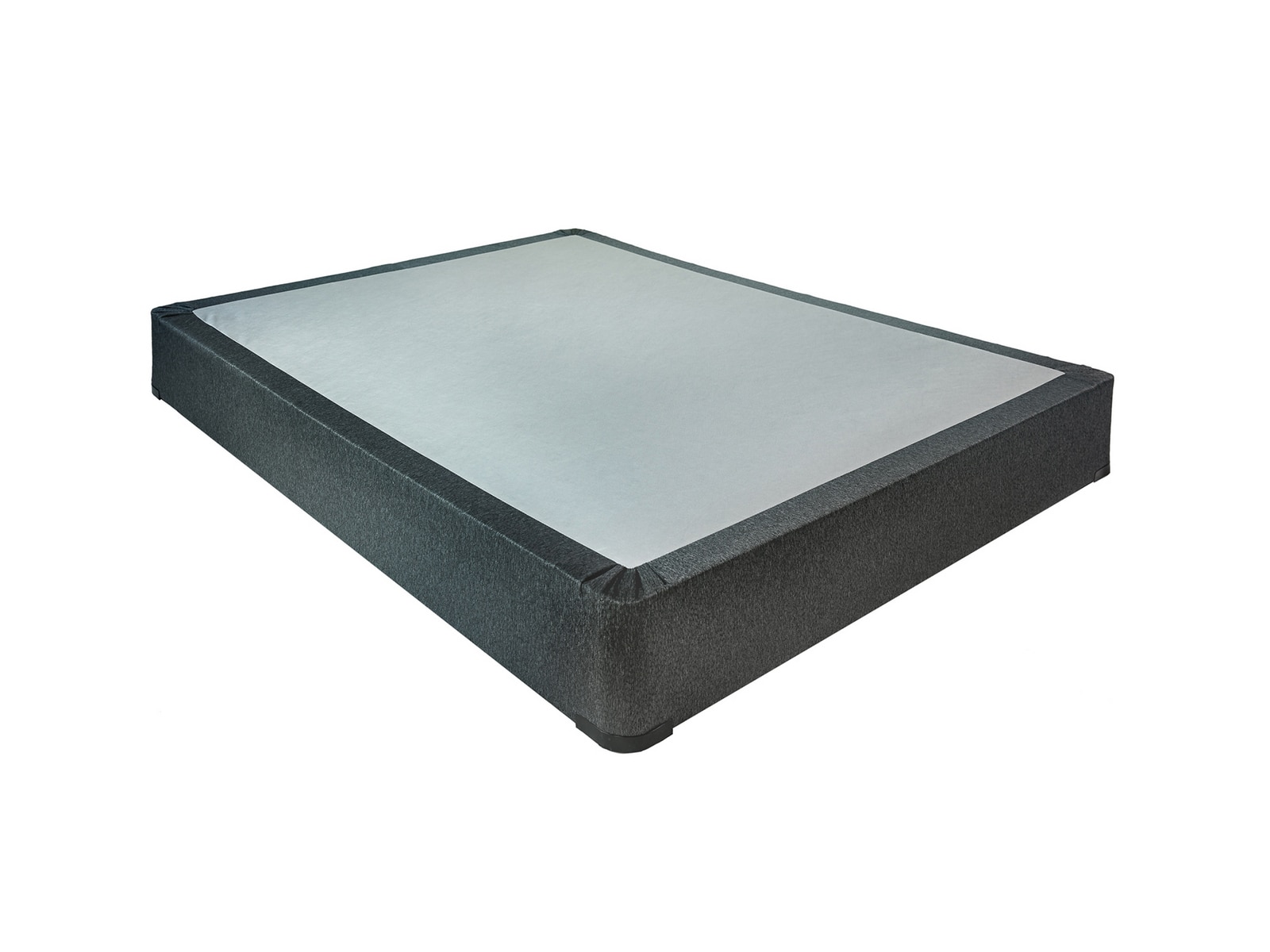
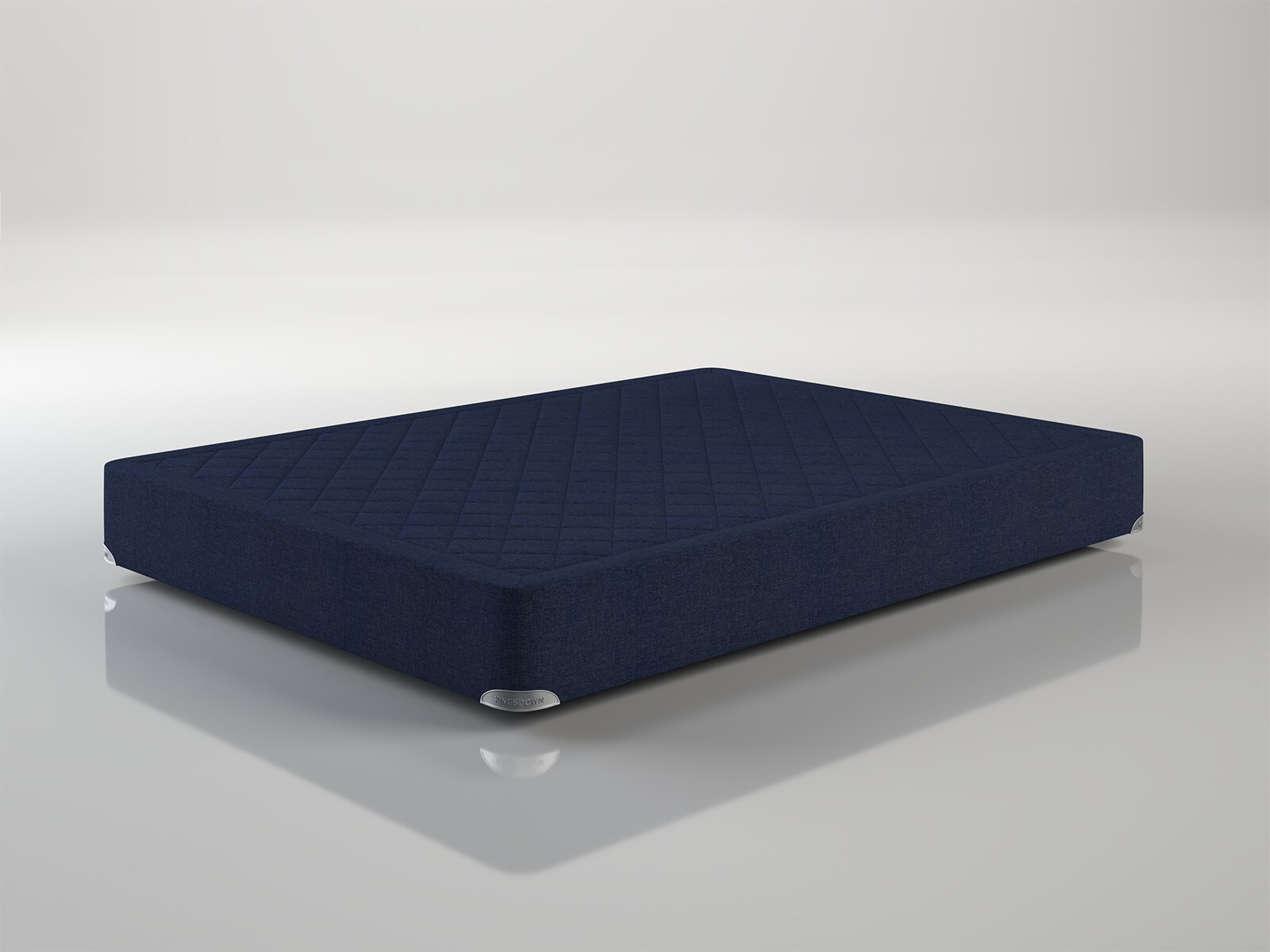
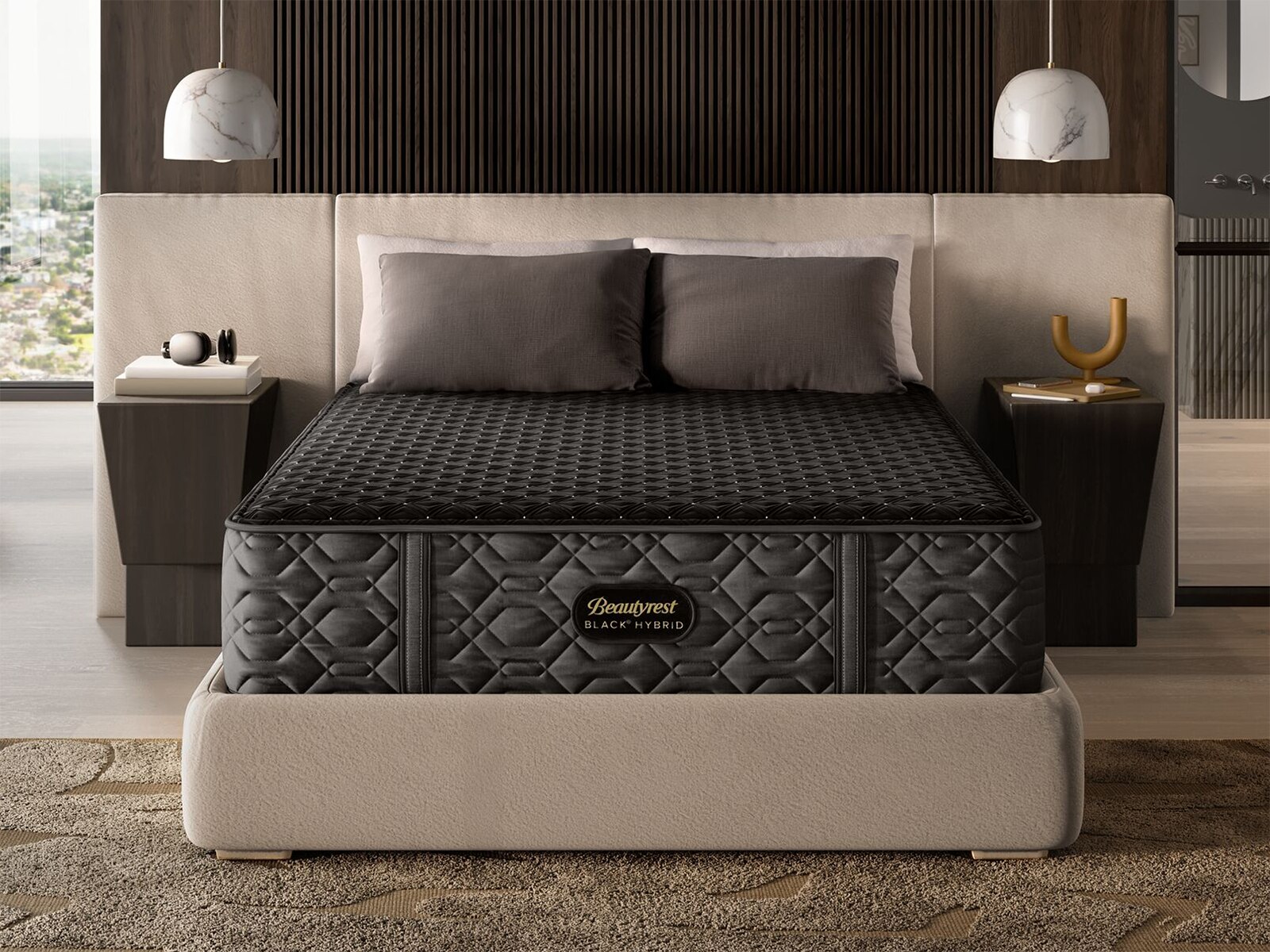
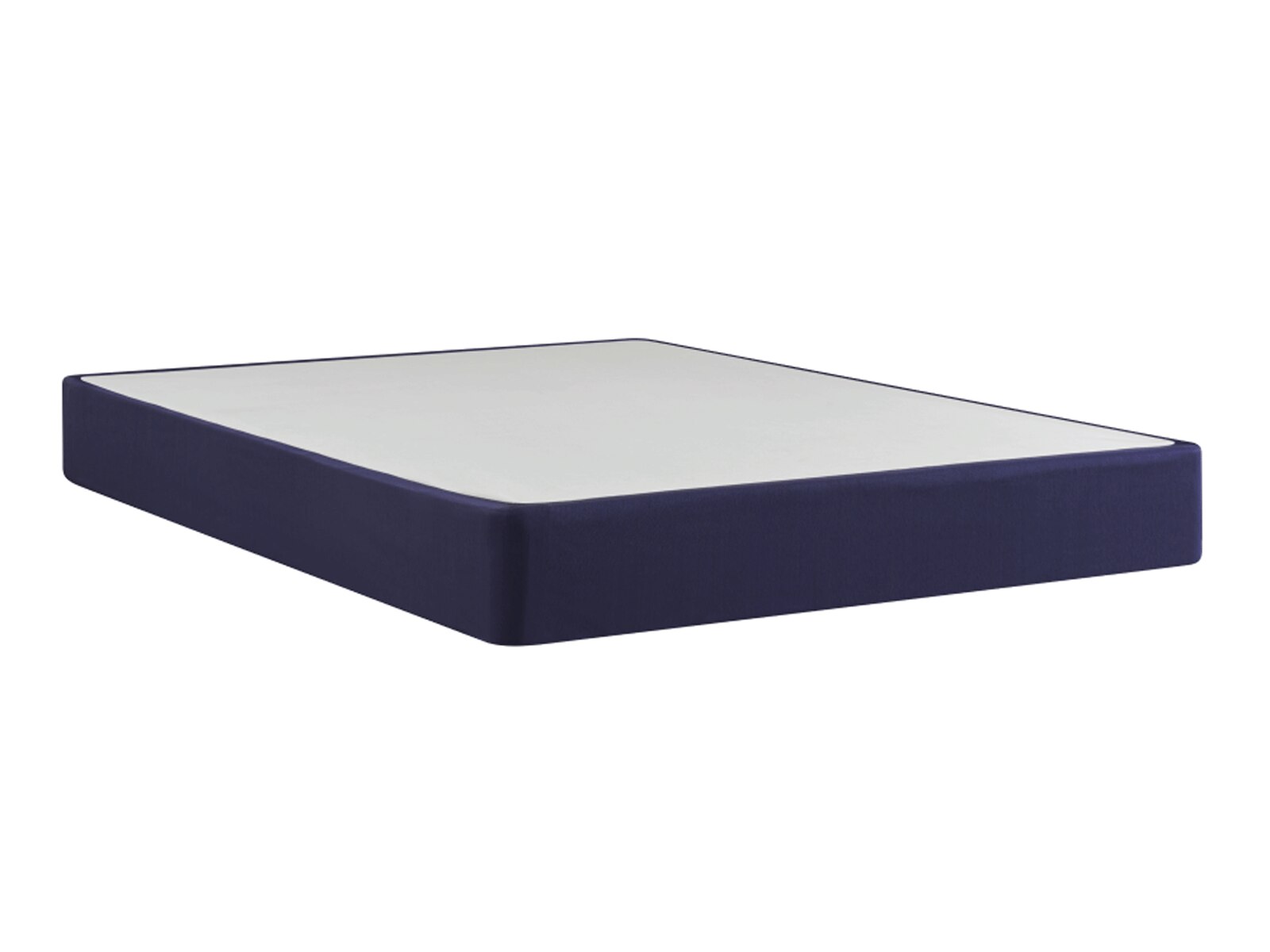
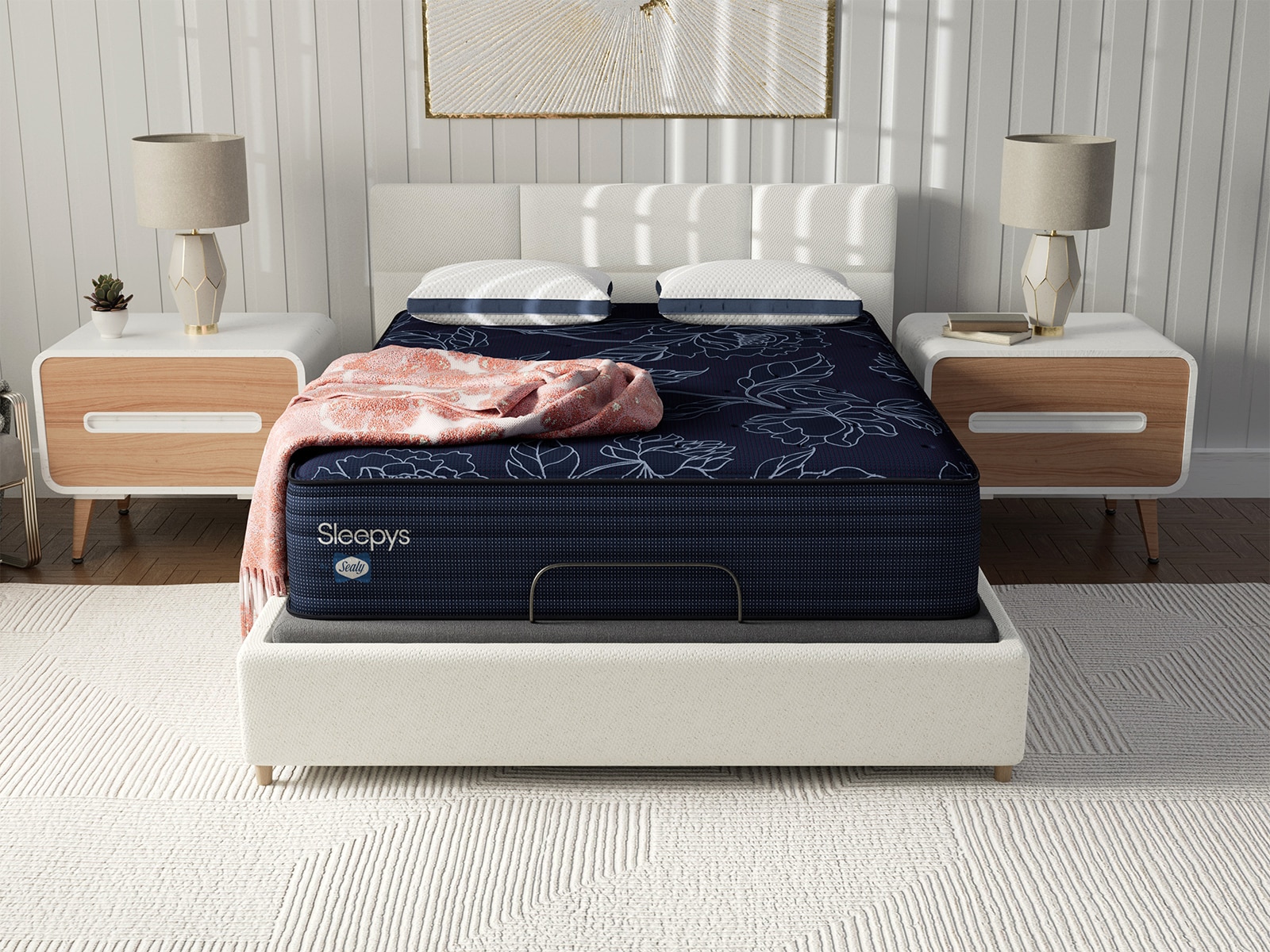
Anti-sagging foundations are mattress support bases designed to create a stable, even surface beneath a mattress and help limit dipping caused by inadequate support below it. Their effectiveness depends on the entire bed setup: the foundation, frame, center supports and mattress all need to work together. A sturdy foundation can help a mattress perform as intended, but it cannot restore worn foam, repair damaged coils or permanently remove an indentation that has developed inside the mattress. That distinction matters when a bed begins to feel lower in the middle. A bowed slat, loose frame connection or center leg that no longer reaches the floor may create unevenness even when the mattress itself remains usable. By contrast, a mattress with lasting impressions may need attention beyond a new base. For everyday use, the most useful foundation is one that matches the mattress manufacturer’s support requirements and rests securely on a compatible frame. Closely spaced slats, a rigid grid or another approved support surface can distribute the load across the mattress rather than leaving broad sections unsupported. This is especially important for foam and hybrid mattresses, which may have specific requirements for the spacing and width of the supports beneath them. Couples, people using a heavier mattress and anyone replacing a weakened foundation may benefit from paying close attention to that underlying structure. A dependable base also belongs in a frequently used guest room, where consistent support matters just as much as it does in the main bedroom. Rather than relying on an anti-sagging label alone, look at the construction, stated weight capacity and required frame configuration. Those details provide a clearer picture of how a foundation is intended to function and whether it suits the mattress already in the room.
Materials and construction influence how a foundation carries weight, how it fits into a bed frame and how it holds up to repeated use. Wood foundations typically use a perimeter frame with interior supports, while steel foundations may use a metal grid or slatted structure. Some combine materials beneath a fabric cover. Neither wood nor steel alone guarantees better support; the arrangement of the crosspieces, strength of the connections and compatibility with the surrounding frame all matter. A neatly upholstered exterior can create a finished look, but the structure underneath determines how evenly the mattress is supported. When comparing foundations with the
Anti Sagging Box Springs collection, check the actual construction rather than assuming the names describe identical support systems. A traditional box spring contains springs that provide some give, while a rigid foundation is designed to provide a firmer support surface. The mattress manufacturer’s requirements should determine which type belongs underneath it. Fit involves more than matching a size name, too. Confirm the foundation’s dimensions against both the mattress and the usable interior space of the bed frame, including any support ledges. Larger sizes may require a center rail and legs that reach the floor, according to the frame and foundation specifications. A low-profile foundation can help keep a thick mattress from sitting too high, while a taller foundation raises the finished sleep surface. Picture sitting on the edge to put on shoes: the combined height of the frame, foundation and mattress should make that everyday movement comfortable. Split foundations can make stairways, tight corners and narrow doorways easier to navigate, but each section still needs proper support once assembled. Platform beds may already provide the required surface without an additional foundation. Adjustable bases generally support a compatible mattress directly, so a rigid foundation should not be added to a moving base unless the manufacturer explicitly approves that setup.
Long-term performance starts with careful assembly and continues with occasional checks of the parts that carry the load. A foundation should sit level and square within its frame, with the connections secured according to the assembly instructions and any required center supports firmly contacting the floor. A leg hovering above the floor cannot provide the support it was designed to deliver. When checking weight limits, confirm whether the stated capacity includes the mattress and other components as well as the people using the bed; manufacturers may calculate those limits differently. Everyday conditions also deserve consideration. A bed shared by two adults places different demands on its base than a lightly used guest bed, and repeated jumping or concentrated weight can stress components beyond their intended use. During routine bedding changes, look for shifted slats, loose hardware, damaged fabric or a new gap between the foundation and frame. New creaking or rocking is a reason to inspect the setup rather than simply covering the sound with thicker bedding. Care is generally straightforward: remove surface dust with a vacuum attachment suitable for the covering, follow the cleaning label and avoid soaking upholstered or wood components. Airflow beneath the mattress matters as well, especially where a support surface is solid; use only a configuration approved for the mattress and avoid adding improvised panels that could interfere with ventilation or warranty requirements. If the bed is moved to another room, recheck its level and support points after reassembly instead of assuming everything stayed aligned. For a child moving into a larger bed, a couple updating a shared bedroom or a household furnishing a guest space, the right foundation is a practical part of a complete sleep setup. Its value lies in consistent support, a suitable bed height and durable construction that fits the mattress—not a promise that any mattress will remain free of wear forever.