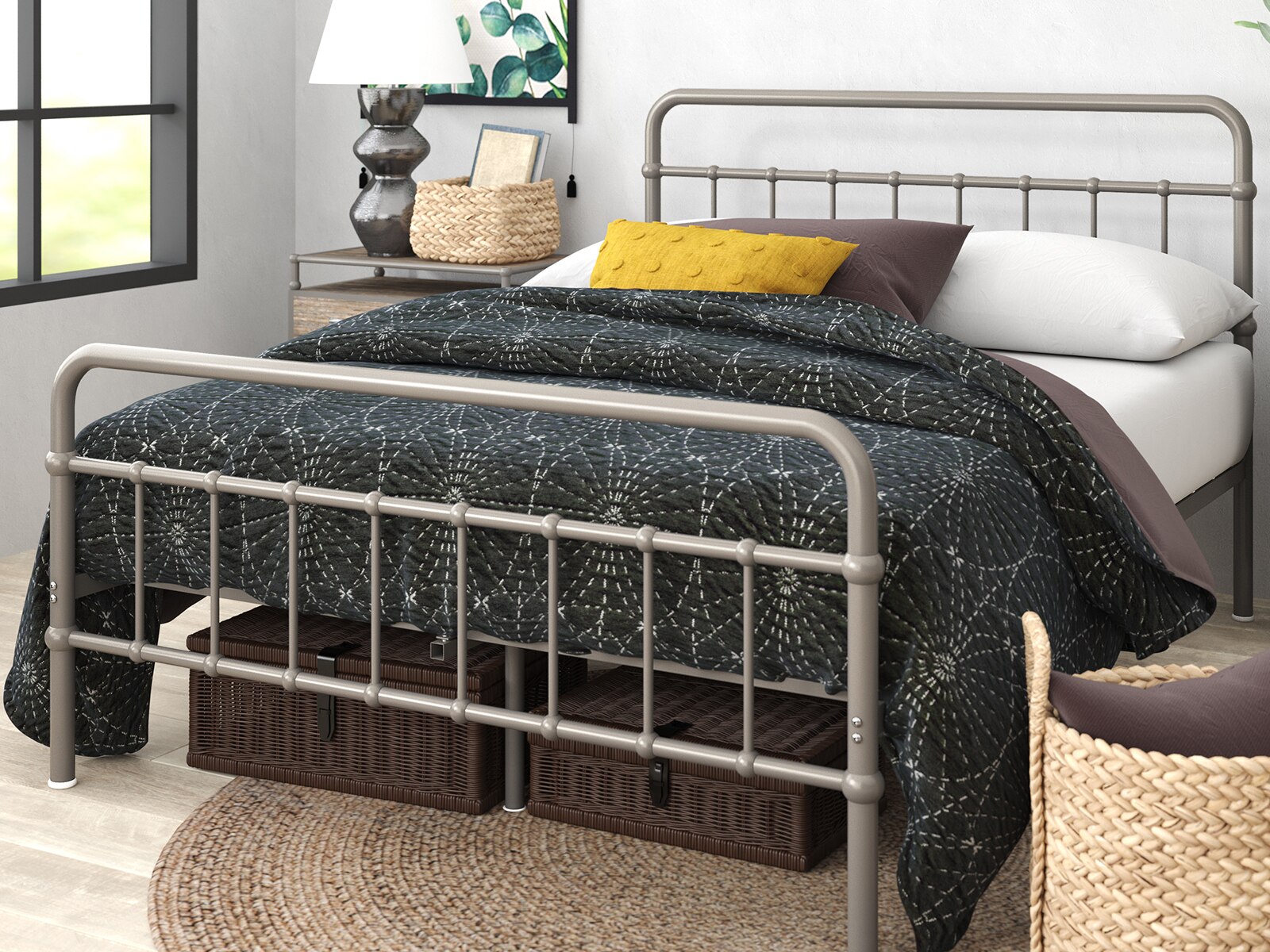
Comfort for small spaces comes from matching the scale of a bed to the room, choosing furnishings that serve more than one purpose and leaving enough space for everyday movement. In a studio apartment, compact bedroom or shared living space, a comfortable sleep setup needs to fit the way the room works, not just the dimensions on a floor plan. The mattress may fit between two walls, but the surrounding frame, open drawers and bedding can take up more room than expected. A low-profile frame with a simple silhouette can help a bedroom feel less crowded, while a bed with built-in storage can put the space beneath the mattress to work. Neither approach is automatically better; the right fit depends on whether the room needs more accessible storage, a less visually dominant bed or an easier path from the doorway to the closet. A twin mattress can leave room for a desk in a single-person bedroom, while Twin XL provides additional length without adding width. A full may suit someone who wants more room to stretch, and a queen can work in a compact shared bedroom when the surrounding furniture stays proportionate. Measuring the complete bed footprint matters because headboards, upholstered edges and footboards can extend beyond the mattress. Door swings, closet access, electrical outlets and the space needed to change sheets deserve attention, too. When comparing
Beds For Cozy Spaces, consider how the entire setup will function once pillows, blankets and bedside essentials are in place. A wall-hugging arrangement may free up floor space, but it can make the far side of the mattress harder to reach. In a room used for both work and sleep, a clear walkway and an uncluttered bedside surface can be more useful than an extra piece of furniture. The goal is a room that feels comfortable to settle into and practical to move through, with proportions that support daily routines rather than interrupt them.
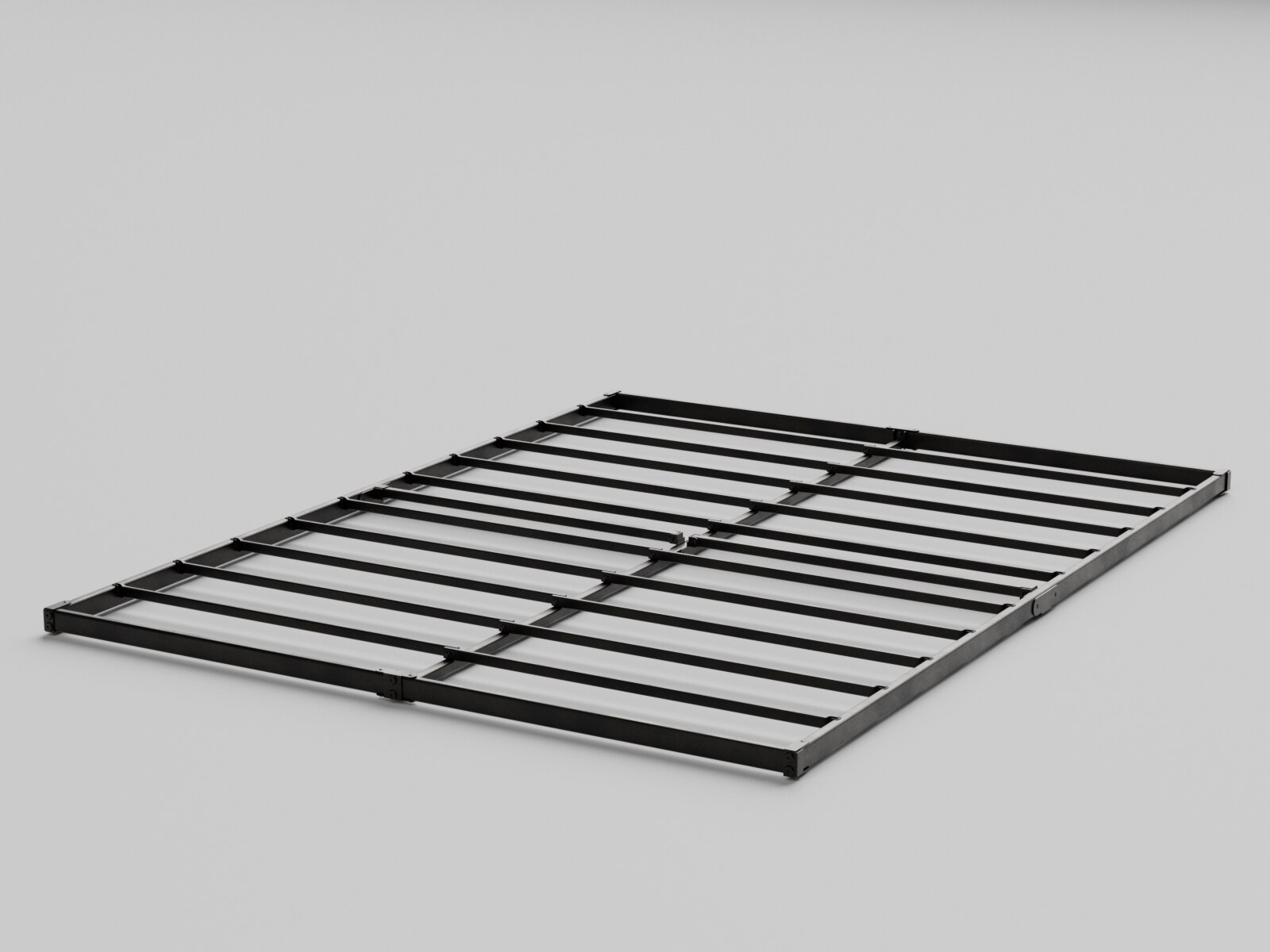
A smaller footprint does not mean comfort should become an afterthought. Mattress feel, support and construction still matter, whether the bed is used every night by an adult, in a teenager’s room or occasionally by overnight guests. Foam mattresses can offer close contouring and help reduce the transfer of movement across the sleep surface. Innerspring constructions use coils for support and often have a more responsive feel, while hybrid mattresses combine coils with cushioning layers. Latex can provide a buoyant feel that some sleepers find easier to move on. The materials alone do not determine how a mattress will feel; layer thickness, construction and firmness all contribute. Side sleepers often appreciate cushioning around the shoulders and hips, while back and stomach sleepers may prefer a surface that helps keep the body from sinking too deeply. Body size, personal preference and whether the bed is shared also influence the right match. In a small room, mattress height deserves particular attention. A thick mattress on a tall foundation can make the bed more difficult to get into, while a very low setup may be uncomfortable for someone who prefers a higher sitting position. The combined height of the frame, foundation and mattress gives a more useful picture than any single measurement. Support requirements are just as important as dimensions: some mattresses work with platform-style support, while others need a compatible foundation, and slat spacing should follow the mattress manufacturer’s specifications. Weight limits should account for the mattress and the people using it. For a bed that doubles as a place to read or relax, supportive pillows and a comfortable headboard can make that secondary use more pleasant without requiring another chair. A compact guest room may benefit from a simpler arrangement that is easy to prepare between visits, while a primary bedroom needs comfort and support suited to nightly use. Room size helps determine what fits; the sleeper’s needs determine what feels right.
Materials, care requirements and everyday handling help determine how well a compact sleep space holds up over time. Wood and metal bed frames each come in constructions that vary in strength, weight and maintenance needs, so sturdy joints and an appropriate support system matter more than appearance alone. Upholstered frames can soften the look and feel of a room, though fabric surfaces need regular attention to dust, spills and wear. In a narrow room where people pass close to the bed, the shape of exposed corners and the texture of the upholstery can affect everyday comfort. Storage features are most useful when they are easy to reach: drawers need clearance to open fully, and lift-up designs need space to operate as intended. Underbed containers should fit without pressing against support components or obstructing moving parts. Bedding adds another layer of practicality. Cotton can offer a familiar, soft feel, linen has a more textured finish and fabric blends vary in softness and care needs. Fitted-sheet pocket depth should match the mattress, including any topper, so corners stay secure without excessive loose fabric. A washable mattress protector can help limit exposure to spills and everyday moisture, while washable pillow covers simplify routine care. Following the care label is especially useful when laundry space is limited, since an oversized comforter may require a machine with more capacity than the one at home. Keeping only the bedding used regularly within easy reach can also prevent a small bedroom from becoming a storage overflow area. For students, people setting up a first apartment or households making room for guests, manageable pieces and straightforward upkeep can make daily life easier. Planning for delivery through stairways, elevators and tight doorways helps ensure that a thoughtfully sized bed can actually reach its destination. With the right proportions, supportive materials and practical finishing touches, a small sleep space can feel complete without feeling crowded.