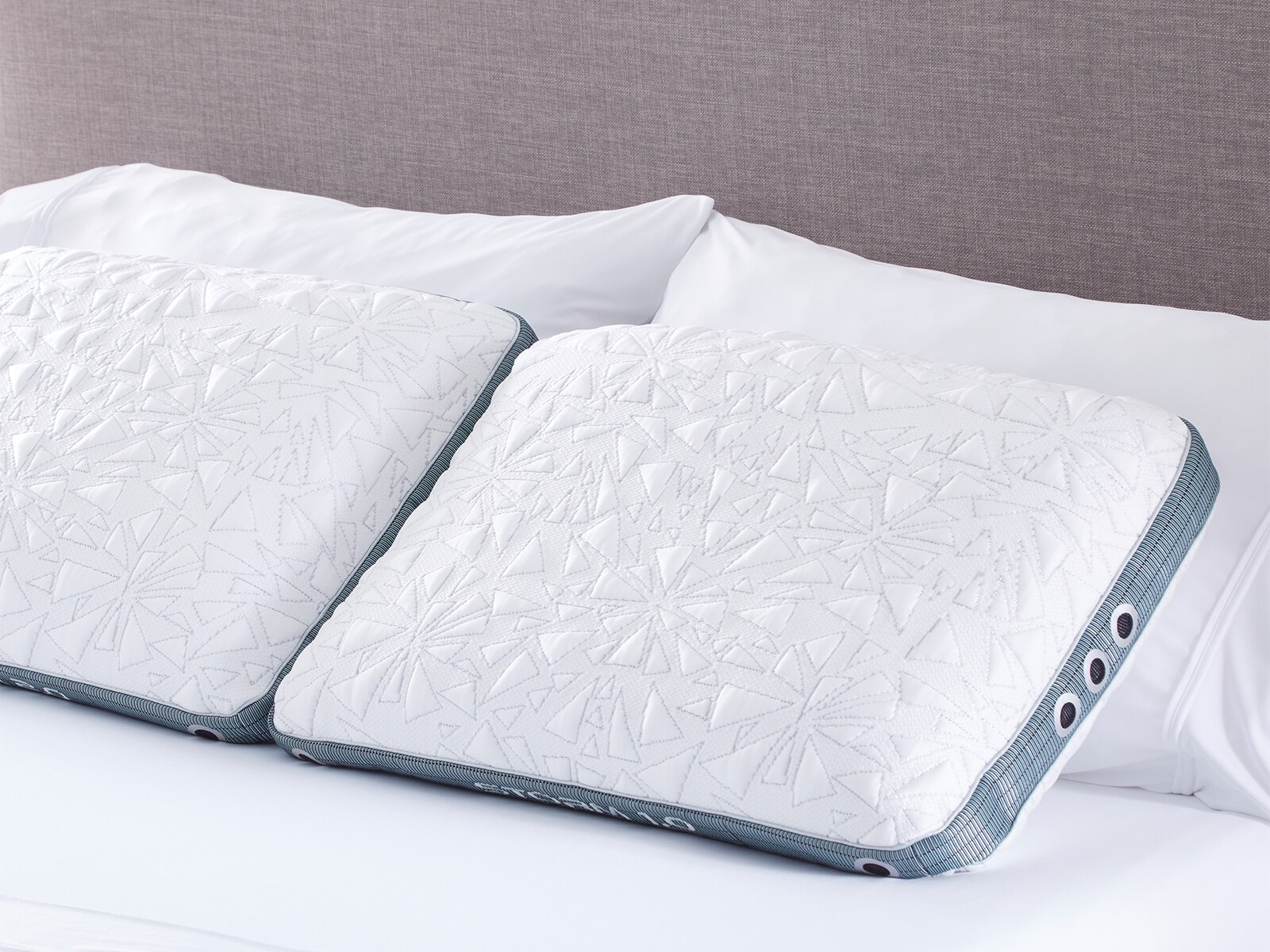
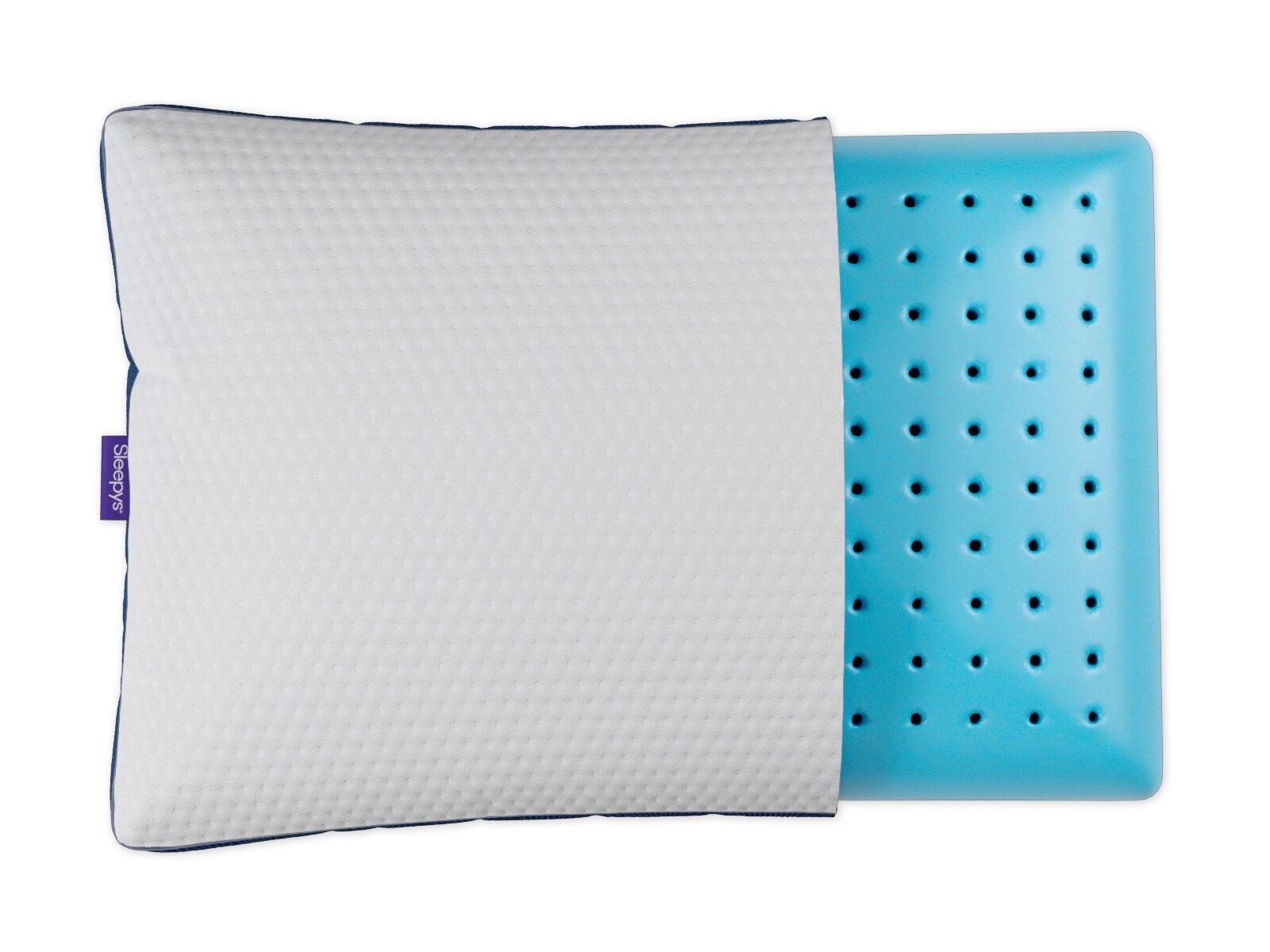
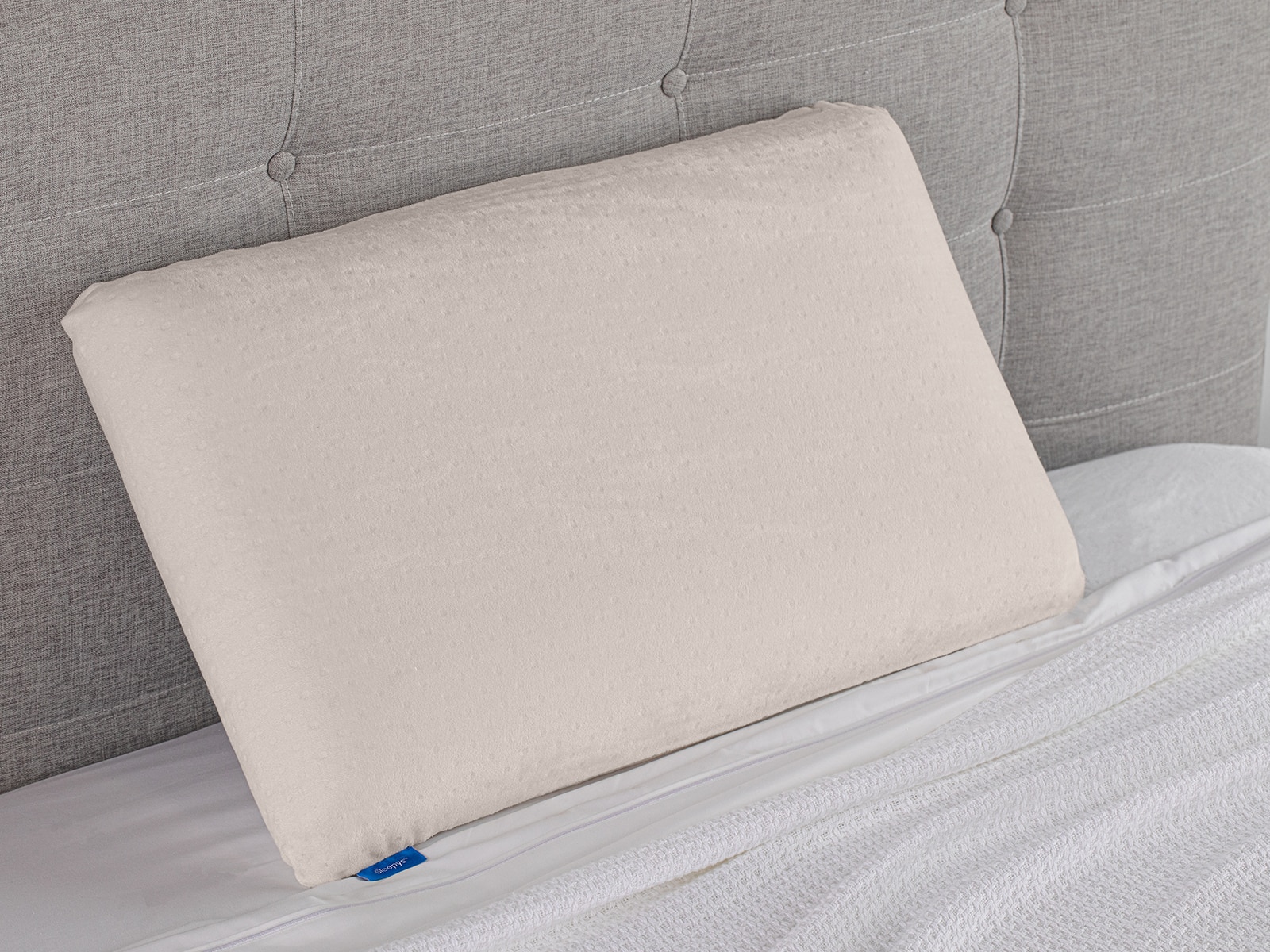
Cooling polyester pillows combine synthetic polyester fiberfill with breathable or cool-to-the-touch fabrics to help reduce heat buildup around the head and neck. The polyester generally provides the pillow’s cushioning, while the cover and overall construction influence how the surface feels against the skin. Some designs use polyester in both the fill and cover; others pair polyester fill with cotton, nylon, polyethylene or blended fabrics. These materials serve different purposes, so a cooling description may refer to airflow, moisture management, an initially cool surface feel or a combination of those features. Lightweight fiberfill can leave space for air to circulate, although tightly packed fibers, thick quilting and additional layers can change that performance. A smooth, cool-to-the-touch cover may feel refreshing when a cheek first meets the pillow, but that sensation does not necessarily last unchanged throughout the night. Fabrics that spread moisture can help perspiration evaporate when airflow allows, rather than leaving one damp spot beneath the face. Cooling polyester pillows do not actively refrigerate the sleep surface, and their comfort depends partly on the pillowcase and surrounding bedding. Their appeal also extends beyond cooling: polyester fiberfill often has a soft, down-alternative feel that compresses under the head without the dense contouring associated with some foam pillows. Fine fibers can create a plush, airy cushion, while clustered fibers may give the fill a springier feel and make it easier to redistribute. The amount of fill matters as much as the fiber type. A generously filled pillow can feel substantial and supportive, while a lighter fill may flatten more readily beneath the head. Neither polyester content nor a cooling label alone determines firmness, breathability or support. The most useful product details describe the fill, cover, construction and care requirements separately, giving a clearer picture of how the pillow may feel during an ordinary night of sleep.
The right fit depends on sleeping position, body proportions and how deeply the shoulders settle into the mattress. For a side sleeper, a cooling polyester pillow needs enough height after compression to fill the space between the head and mattress without tipping the neck upward. A pillow that looks lofty on the bed may compress considerably, so its filled appearance does not always predict its support. Back sleepers often feel more comfortable with moderate loft that cushions the head without pushing the chin toward the chest. Stomach sleepers generally need a lower profile because a thick pillow can increase the angle of an already turned neck. Someone who changes positions may appreciate fiberfill that can be fluffed or gently shaped, though loose fill can also shift away from the area where support is needed. Designs with gusseted edges, interior compartments or adjustable fill offer different ways of managing that movement; those features should be confirmed in the individual description rather than assumed across the category. Comfort also involves the surface directly against the face. Smooth fabric can feel different from a textured knit or quilted cover, even when the pillows have similar fill. A breathable pillowcase helps preserve airflow, while a heavy protector or several tightly fitted layers may change both cooling performance and softness. Pillow dimensions should suit the pillowcase as well as the sleeper: an overly snug case can compress the fill, while excess fabric can bunch beneath the cheek. Standard, queen and king dimensions describe size, not firmness or loft. For a guest bedroom, a balanced profile can offer a comfortable starting point for different preferences, although no single pillow suits everyone. A cooling polyester pillow can also be a thoughtful gift for someone who enjoys refreshing their bedding, provided their preferred height and feel are known. For another way to explore surface materials,
Cooling Fabric Pillows brings the focus to fabrics used for cooling comfort.
Care requirements are especially important for pillows used every night, since perspiration, skin oils and everyday handling affect both the cover and the fill. Polyester fiberfill is washable in some constructions, but the presence of polyester does not mean the entire pillow can go into a washing machine. A removable cover may have different instructions from the inner pillow, and cooling finishes, foam components or specialized fabric layers can require particular treatment. The care label should determine whether washing, spot cleaning or another method is appropriate, along with the permitted water temperature and drying setting. When machine washing is allowed, the pillow needs enough room to move without being tightly crammed into the drum. Thorough drying matters just as much as washing: a pillow that feels dry outside can still hold moisture in the center. Any dryer use should follow the label, particularly when the cover includes heat-sensitive materials. Gentle fluffing between cleanings can help redistribute fiberfill and restore some of its volume, but it cannot permanently reverse worn or compacted fibers. Over time, a polyester pillow may develop persistent clumps, uneven cushioning or a flattened area that no longer supports the head comfortably. Those changes are more useful signs of wear than a fixed replacement date. Secure seams, even fill distribution and a cover that tolerates its recommended care routine all contribute to everyday durability. A washable pillowcase or suitable protector can reduce direct contact with oils and moisture, although its fabric should complement the pillow’s breathability. Polyester fill is an alternative for people who prefer to avoid feather or down filling, but synthetic materials are not automatically allergen-free or resistant to dust mites. Any allergy-related claim should be supported by the specific product information. For regular use, the strongest match is a pillow whose cooling features, cushioning and maintenance needs work together: a comfortable surface against the cheek, dependable support beneath the head and a care routine that fits the household.