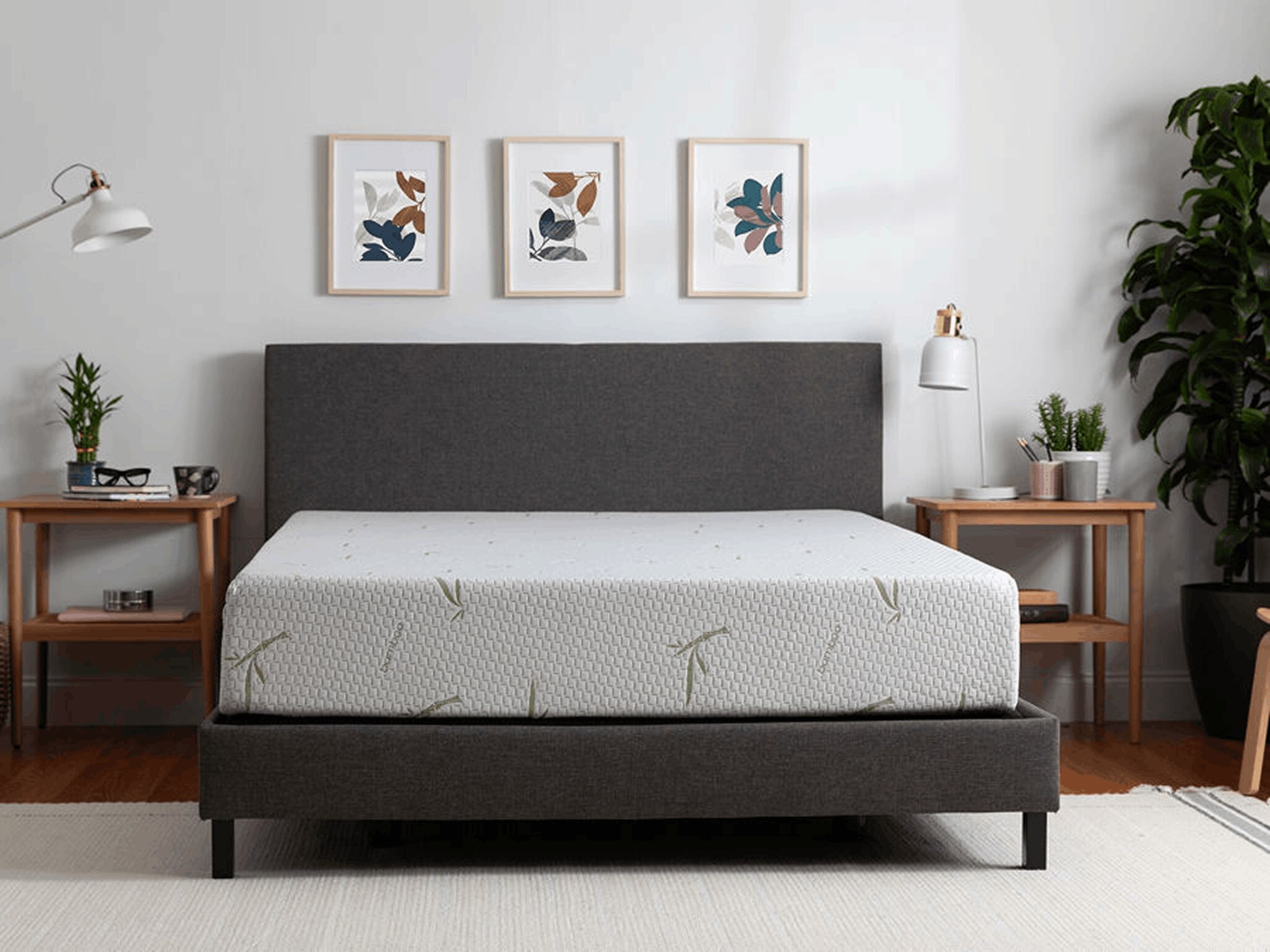
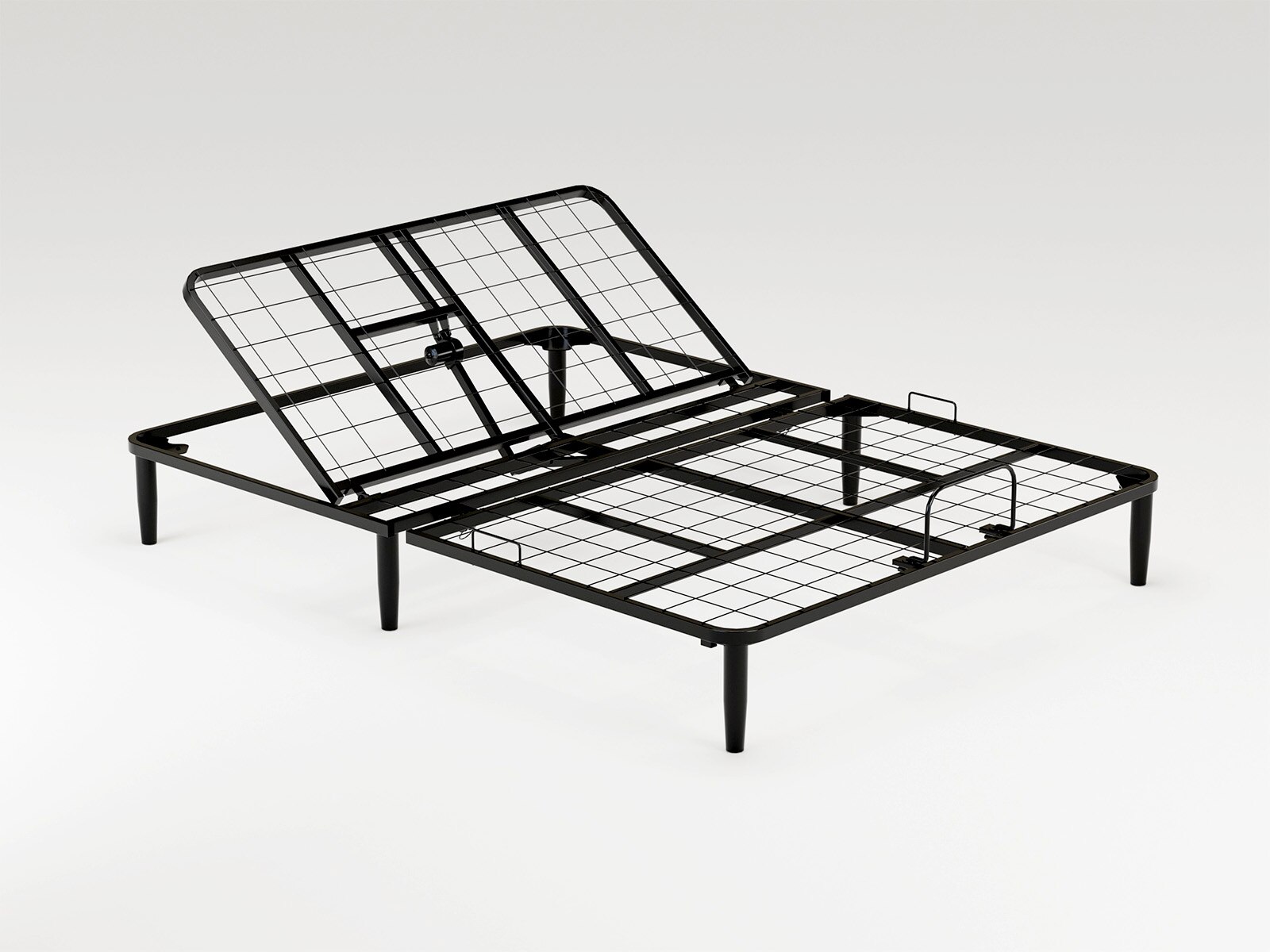
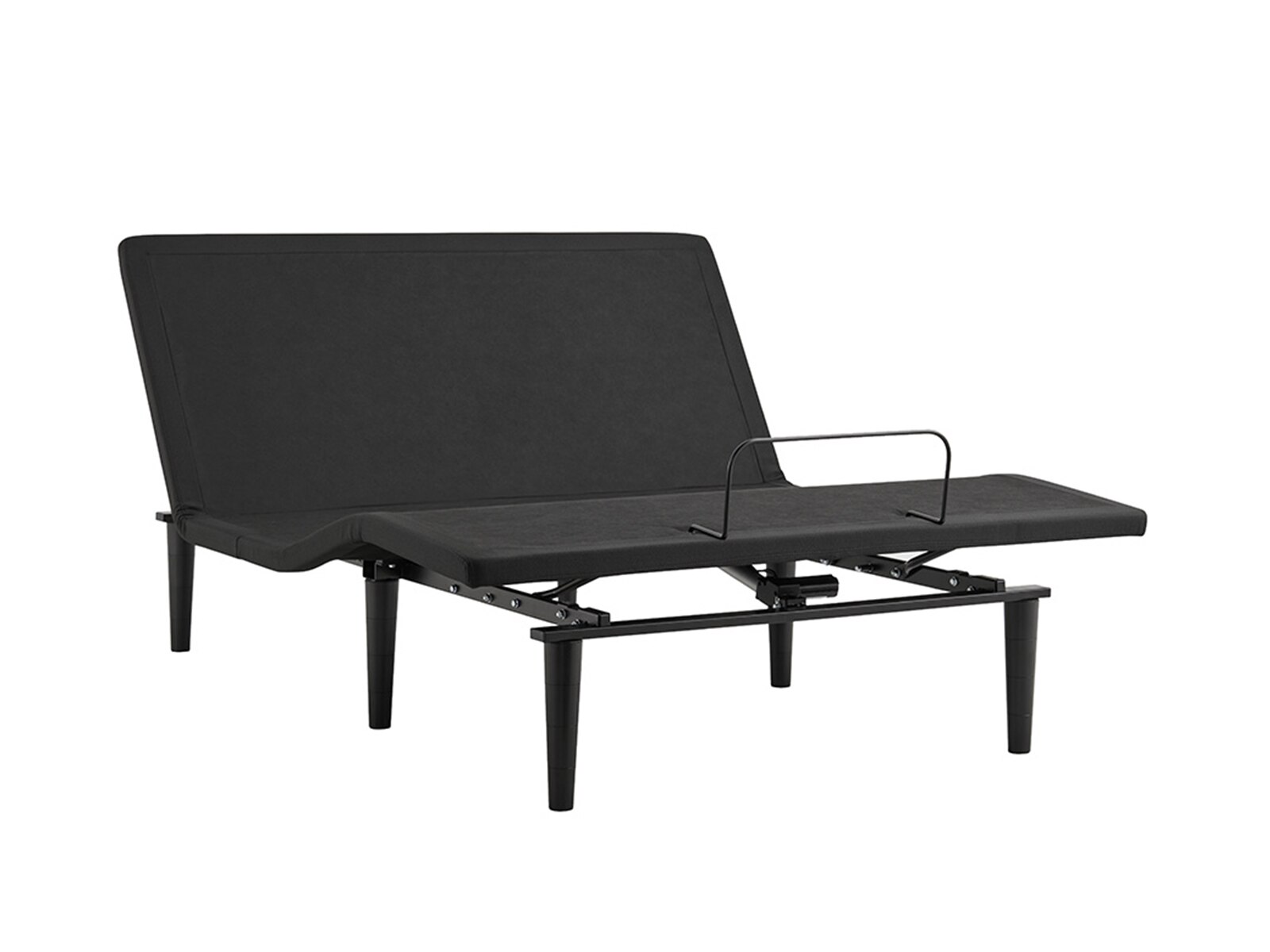
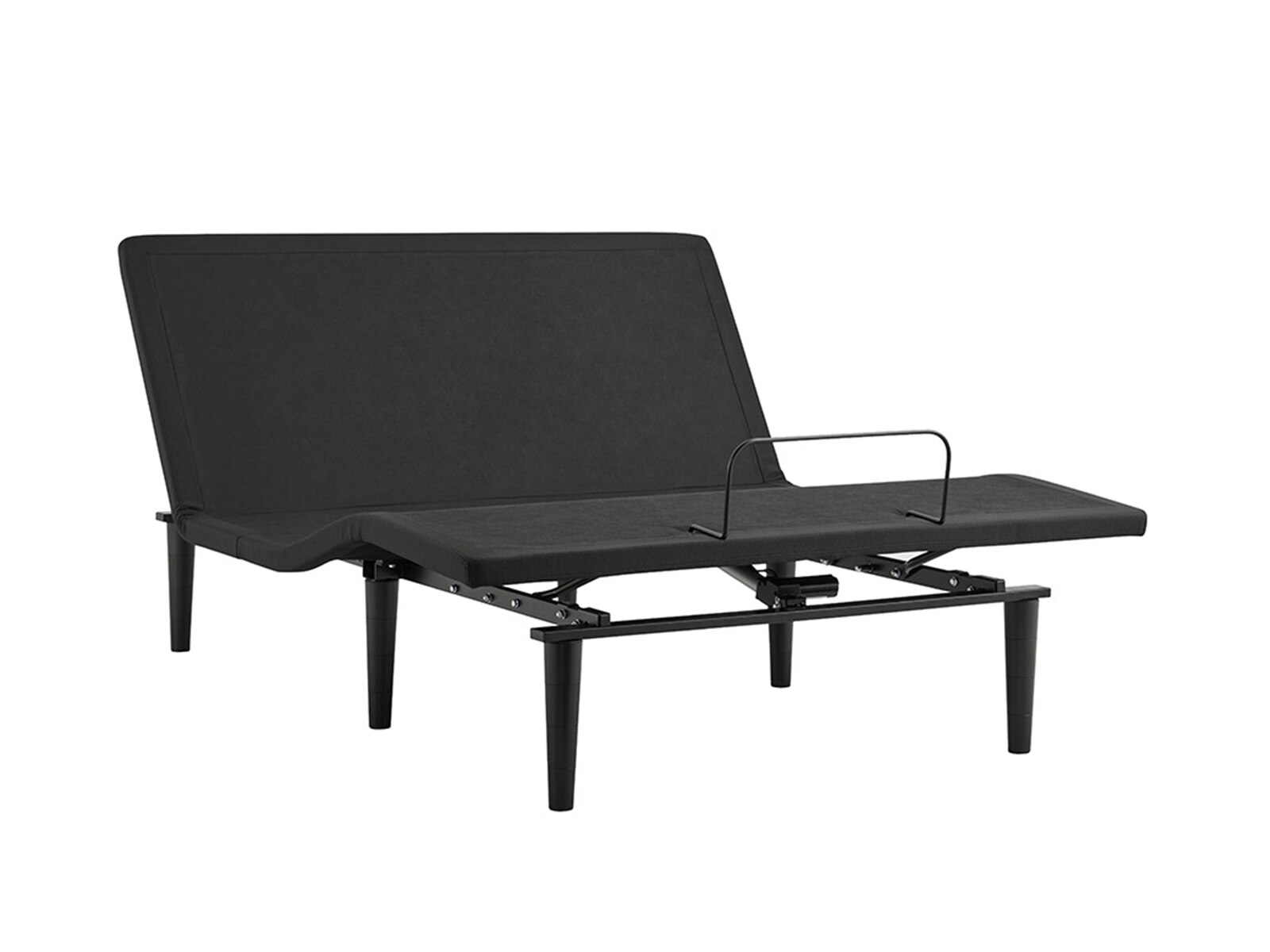
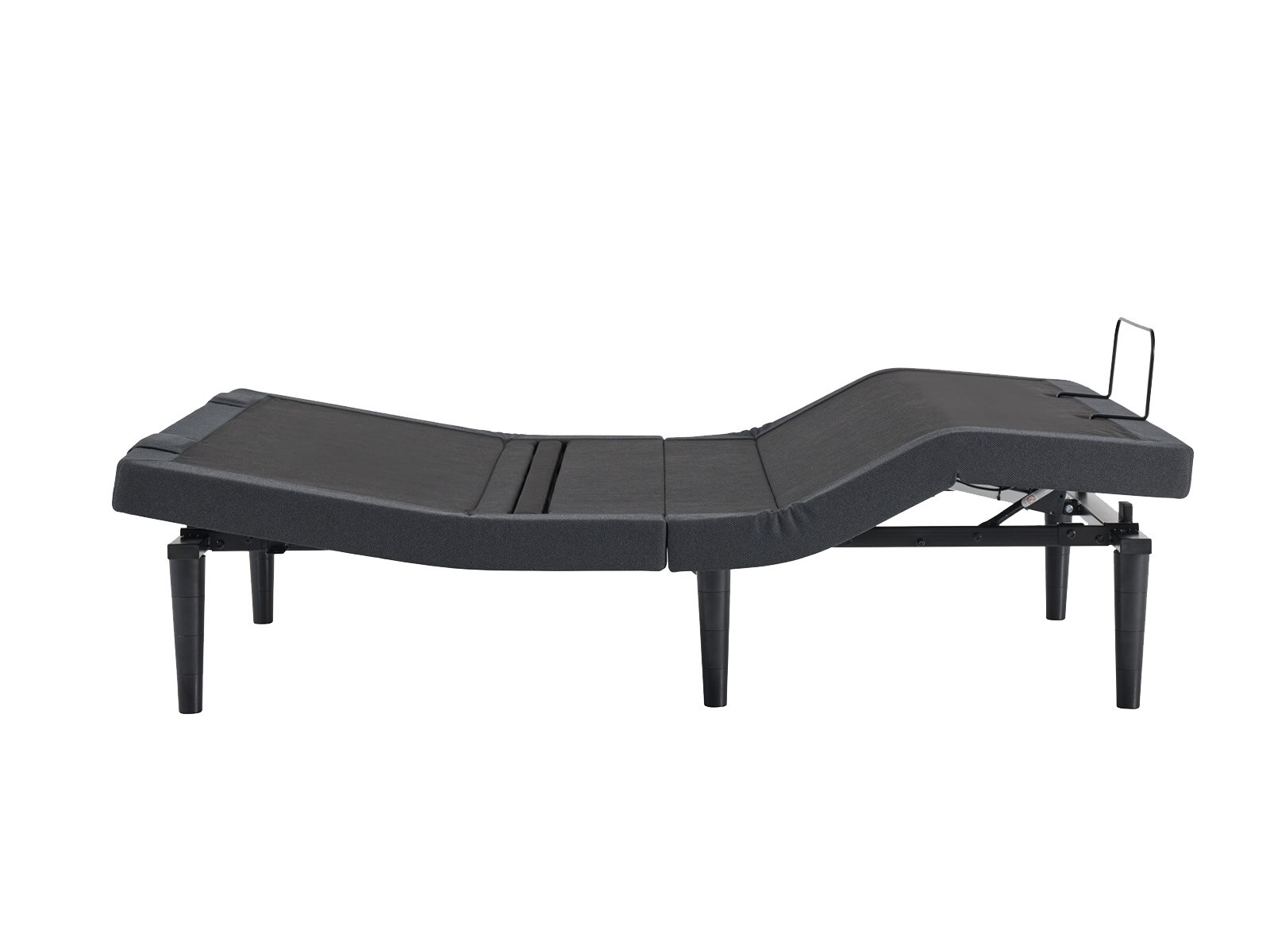
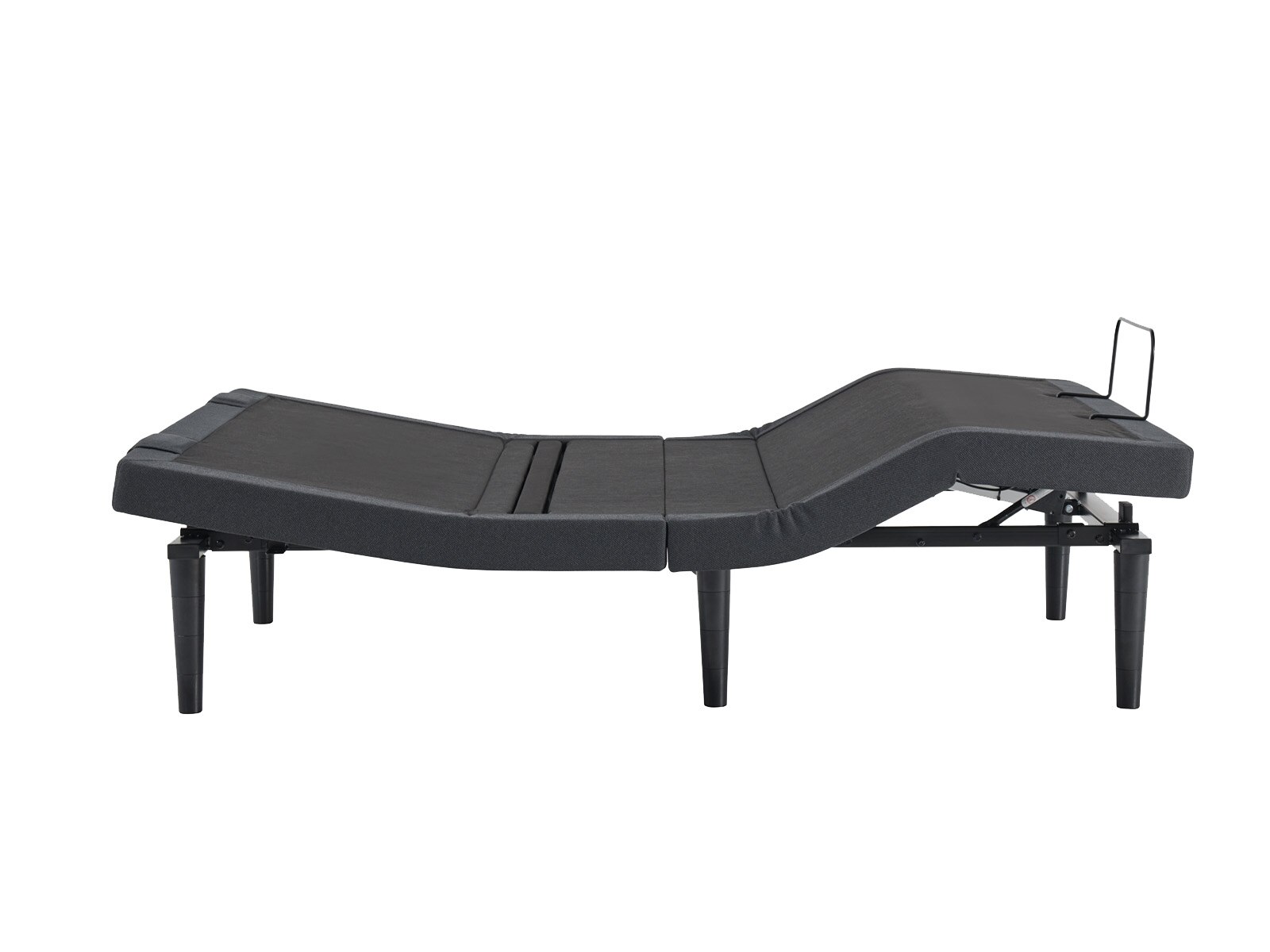
Couples adjustable bases are motorized bed foundations that let partners change the angle of the head, foot or both for more personalized comfort. For independent adjustment, a split setup pairs separately controlled bases with compatible separate mattresses, allowing one person to sit up while the other stays flat. A shared adjustable platform usually moves both sleepers together, even when it has more than one remote, so separate controls alone do not necessarily mean separate positioning. That distinction matters when bedtime routines look different: one partner may enjoy reading with the head raised while the other prefers to stretch out and settle into sleep. A split king is a common configuration for this arrangement, combining two Twin XL mattresses and their corresponding adjustable foundations within the overall footprint of a king bed. Each side can move without requiring the other sleeper to change position, provided the bases are configured for independent operation. For couples who prefer matching positions, some split systems can also be synchronized; that capability should be confirmed in the manufacturer’s specifications. Adjustable positioning can make a shared bed more useful for quiet conversation, watching a favorite program or resting with the legs elevated after a long day. Comfort is personal, though, and a higher setting is not automatically a better one. Small changes often make it easier to find a position that feels supported without bending the neck awkwardly or creating pressure behind the knees. Motion isolation is a separate consideration from independent adjustment: separate mattresses can help limit movement across the sleeping surface, but mattress construction and the surrounding bed frame still affect how much motion reaches a partner. Motor operation may also be noticeable. Couples with different schedules may find it helpful to make larger adjustments before the other person falls asleep, then use gentle changes as needed. The most useful configuration supports both shared routines and individual preferences without making either partner adapt to every movement.
Mattress compatibility and bedroom fit are just as important as the range of movement. An adjustable base needs a mattress designed to bend repeatedly with its articulated sections. Many foam, latex and hybrid mattresses are compatible, but suitability depends on the individual mattress’s construction and the manufacturer’s requirements. A mattress that is too rigid may resist the base’s movement, while an incompatible design may not sit correctly against the platform. Confirming compatibility and warranty terms helps protect both parts of the sleep setup. Inside the base, a supporting frame, hinged platform sections, motors and lifting mechanisms work together to raise and lower the sleeping surface. Steel frames are common, while fabric-covered exteriors can give the foundation a finished appearance beside upholstered or wood bedroom furniture. Upholstery is primarily a finishing material rather than proof of structural strength; frame construction, secure connections and the stated operating limits deserve closer attention. Weight ratings should be read carefully, including whether the limit applies to each side or the entire setup and which components must be counted toward it. Dimensions also need a practical check. Two Twin XL mattresses generally create a split king sleeping surface about 76 inches wide by 80 inches long, but the base’s exterior dimensions, surrounding frame and required clearance can add to the space needed. Measure doorways, the bed frame’s interior and the distance to nearby furniture rather than relying only on the mattress size name. If an existing headboard or decorative frame will stay, check attachment requirements and whether slats, drawers or cross supports interfere with the moving platform. Bases designed to rest on a compatible platform without legs still require the support specified by the manufacturer. Exploring the
Best Adjustable Bases can help couples compare these practical differences alongside positioning features. Total bed height matters, too: the mattress, foundation and leg configuration should create an edge that feels comfortable for sitting down and standing up.
Everyday usability often determines how satisfying an adjustable setup feels over time. A remote with clearly marked buttons can make a familiar position easier to find, especially when each partner has separate controls. Preset positions may simplify a routine, while programmable memory settings, when included, can save a preferred angle instead of requiring repeated adjustments. Consider where each remote will rest and whether a raised position changes the reach to a nightstand. Designs that move the platform back as the head rises may help maintain that reach, although the amount of movement varies. Access to a suitable electrical outlet and orderly cord placement are also part of a comfortable bedroom arrangement; cords should stay clear of moving sections and walking paths. Bedding deserves similar attention. With a split king, separate Twin XL fitted sheets let each mattress articulate independently, while a shared top sheet or comforter can preserve the feeling of one bed. Deeper adjustments may pull on tightly tucked bedding, so allowing enough fabric to move with the mattresses can reduce unnecessary tension. A small center seam is part of a split sleeping surface, and its feel depends on mattress edges, alignment and bedding. Accessories intended to cover that seam should be checked for compatibility because they can restrict independent movement. For care, follow the manufacturer’s instructions for cleaning upholstery, inspecting connections and operating the mechanism. Before checking underneath, disconnect power as directed, and keep hands, bedding, children and pets away from moving parts. Avoid sitting or standing on an elevated section unless the manufacturer expressly permits it, and do not force a mattress or frame into position. Durability depends on appropriate loading, compatible components and routine use within the base’s design limits. For partners establishing a shared bedroom, refreshing an existing setup or making different evening routines easier to accommodate, the strongest choice is a well-fitted system that feels straightforward to use. Independent positioning is valuable when it solves an everyday comfort need; thoughtful sizing, supportive mattresses and manageable controls make that flexibility useful night after night.