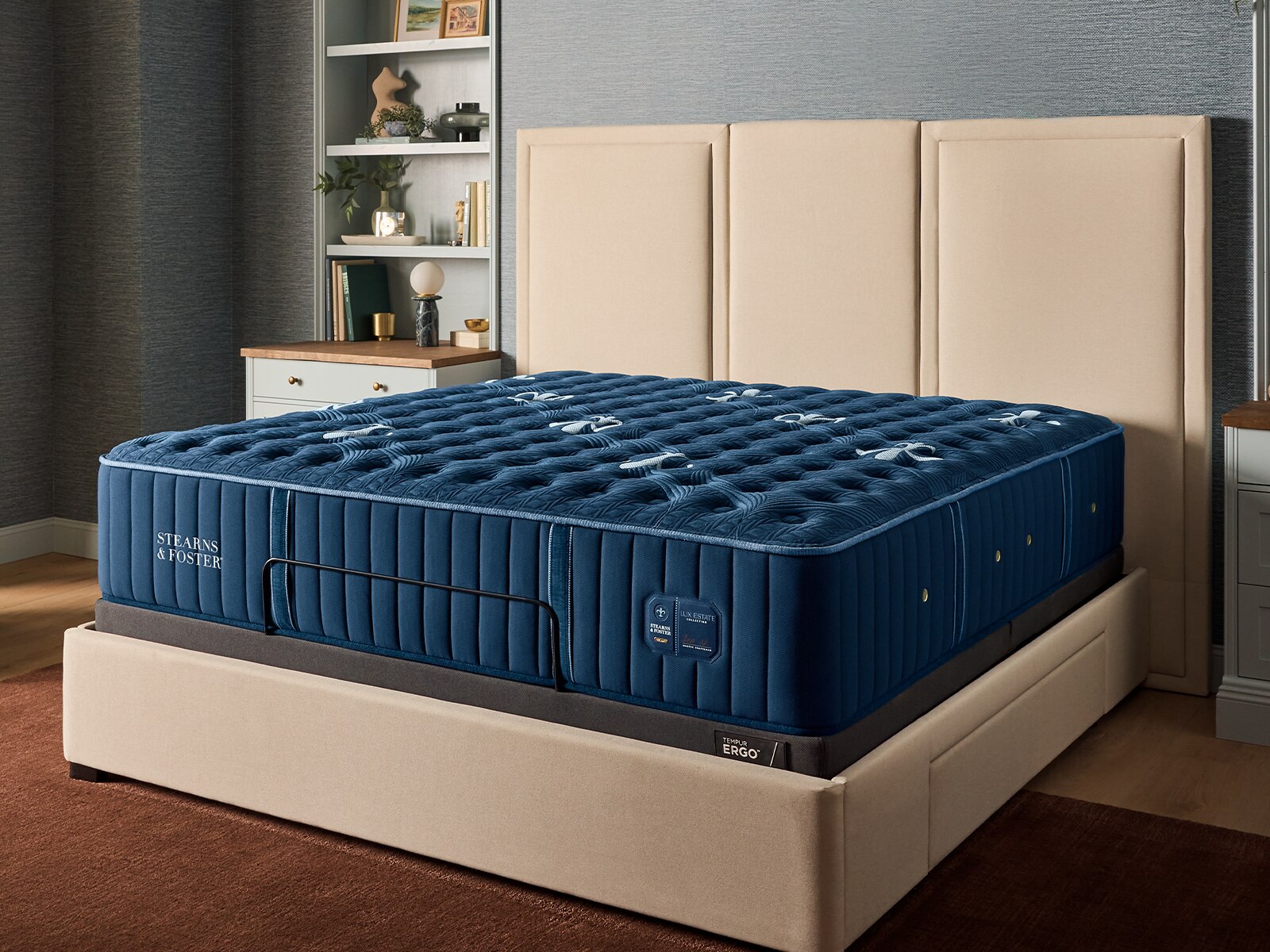
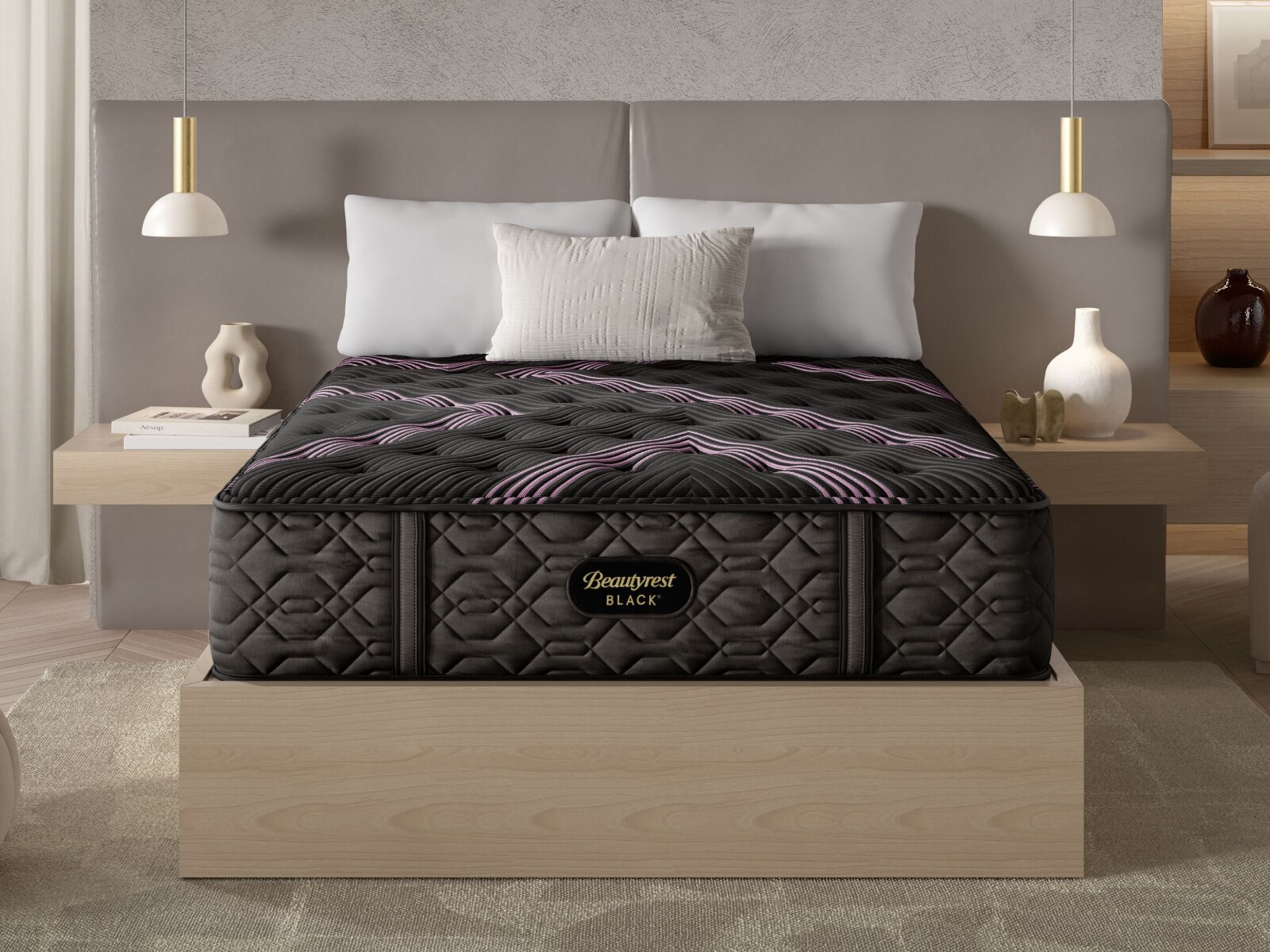
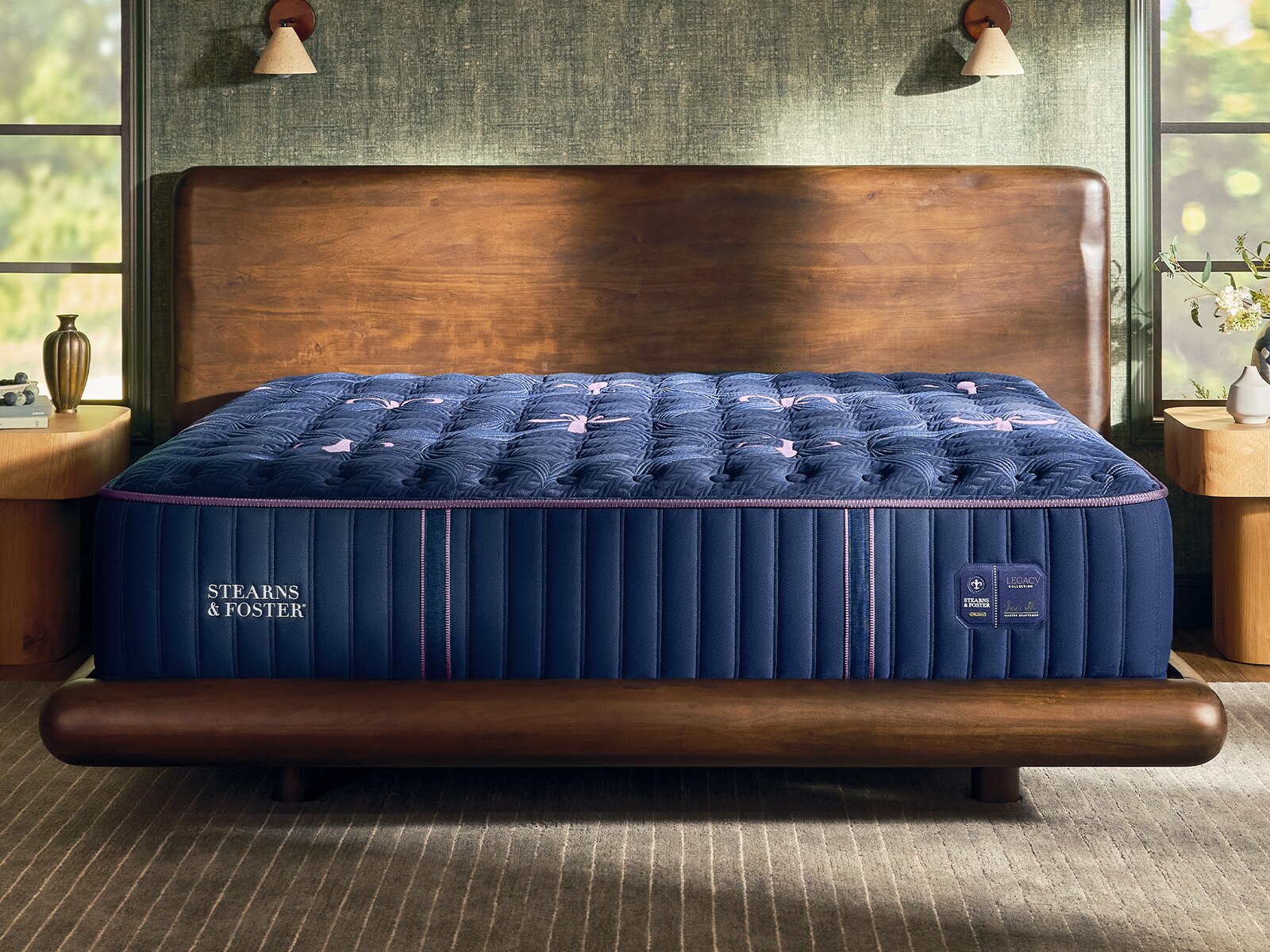
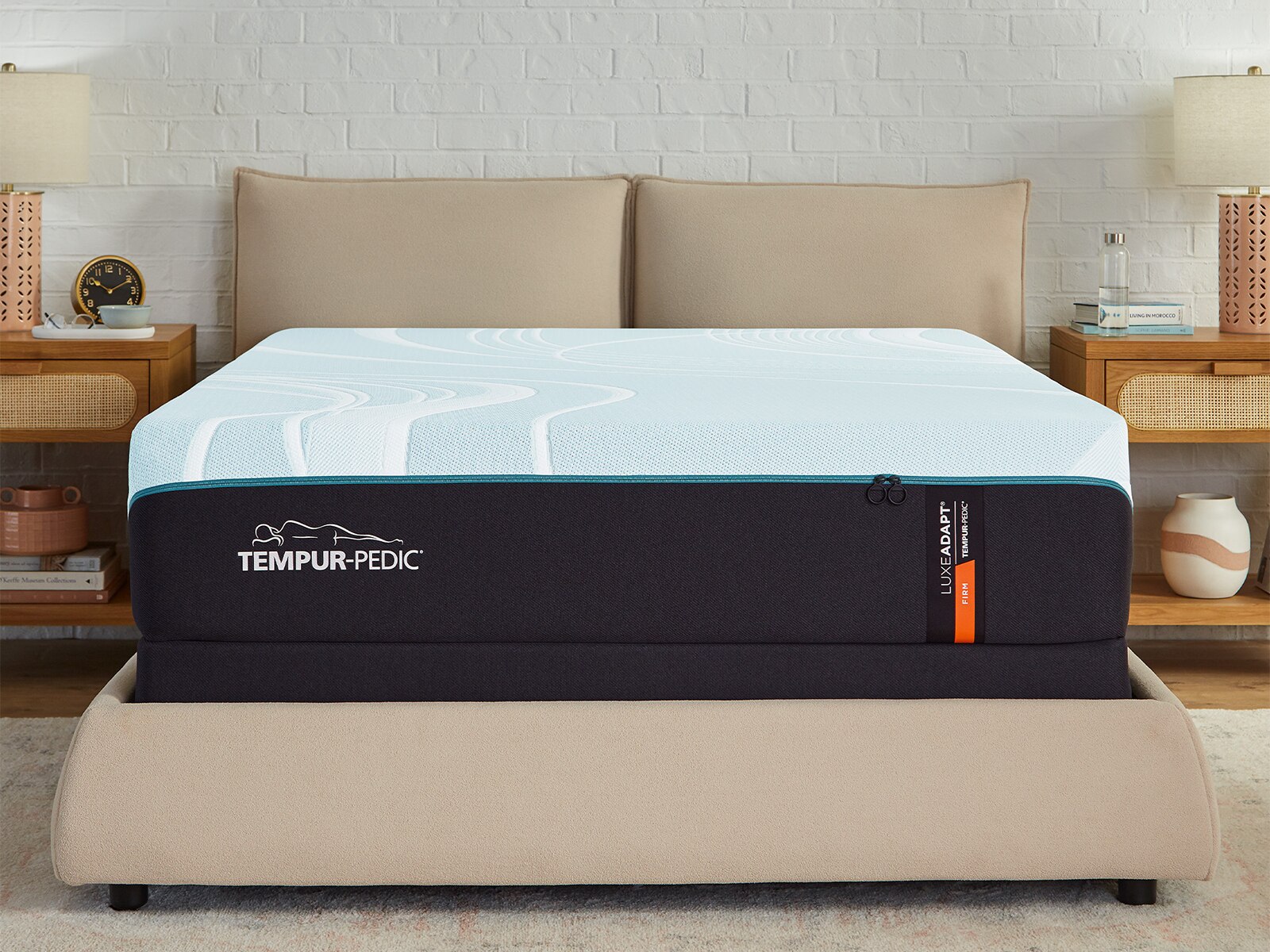
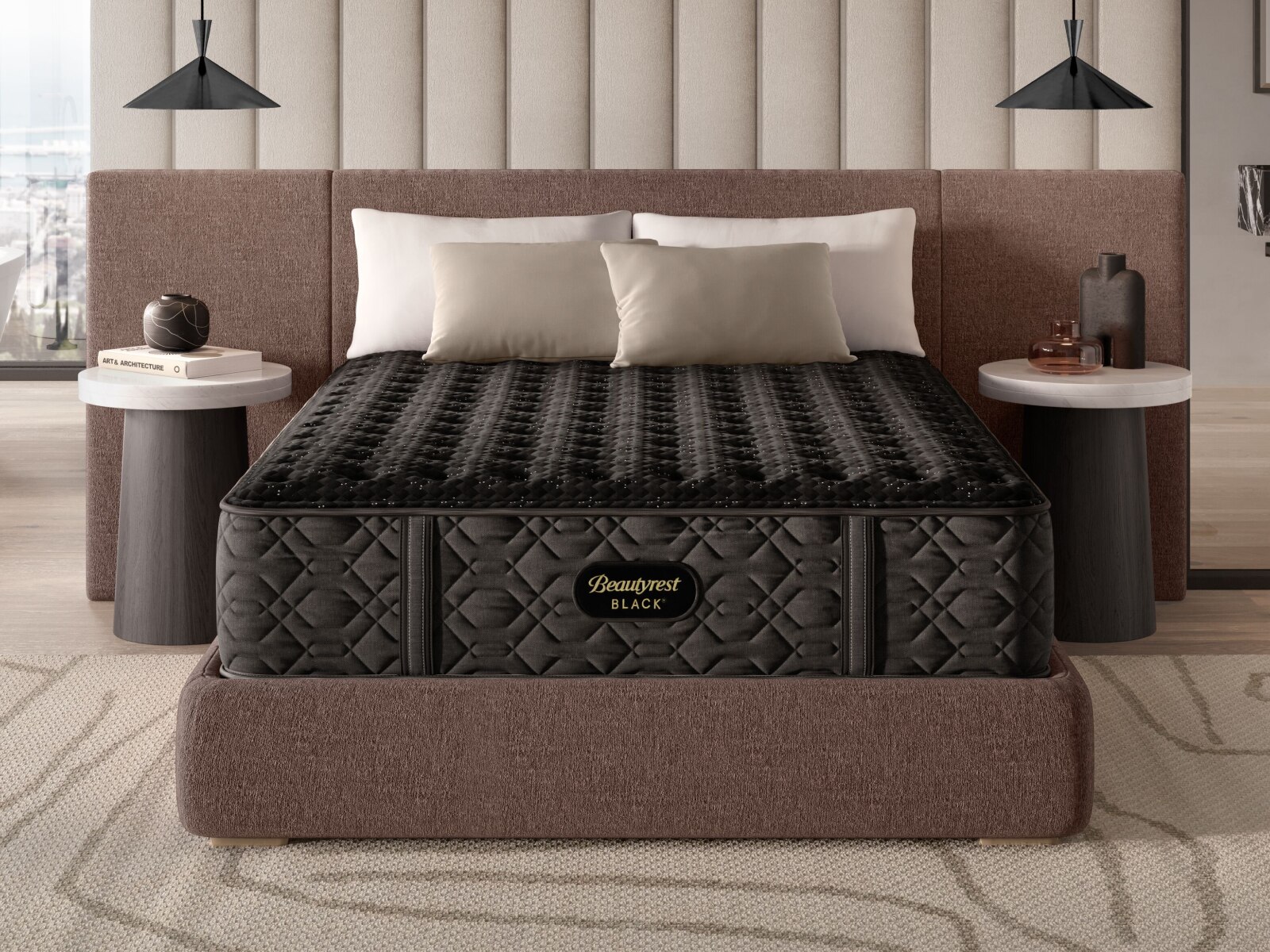
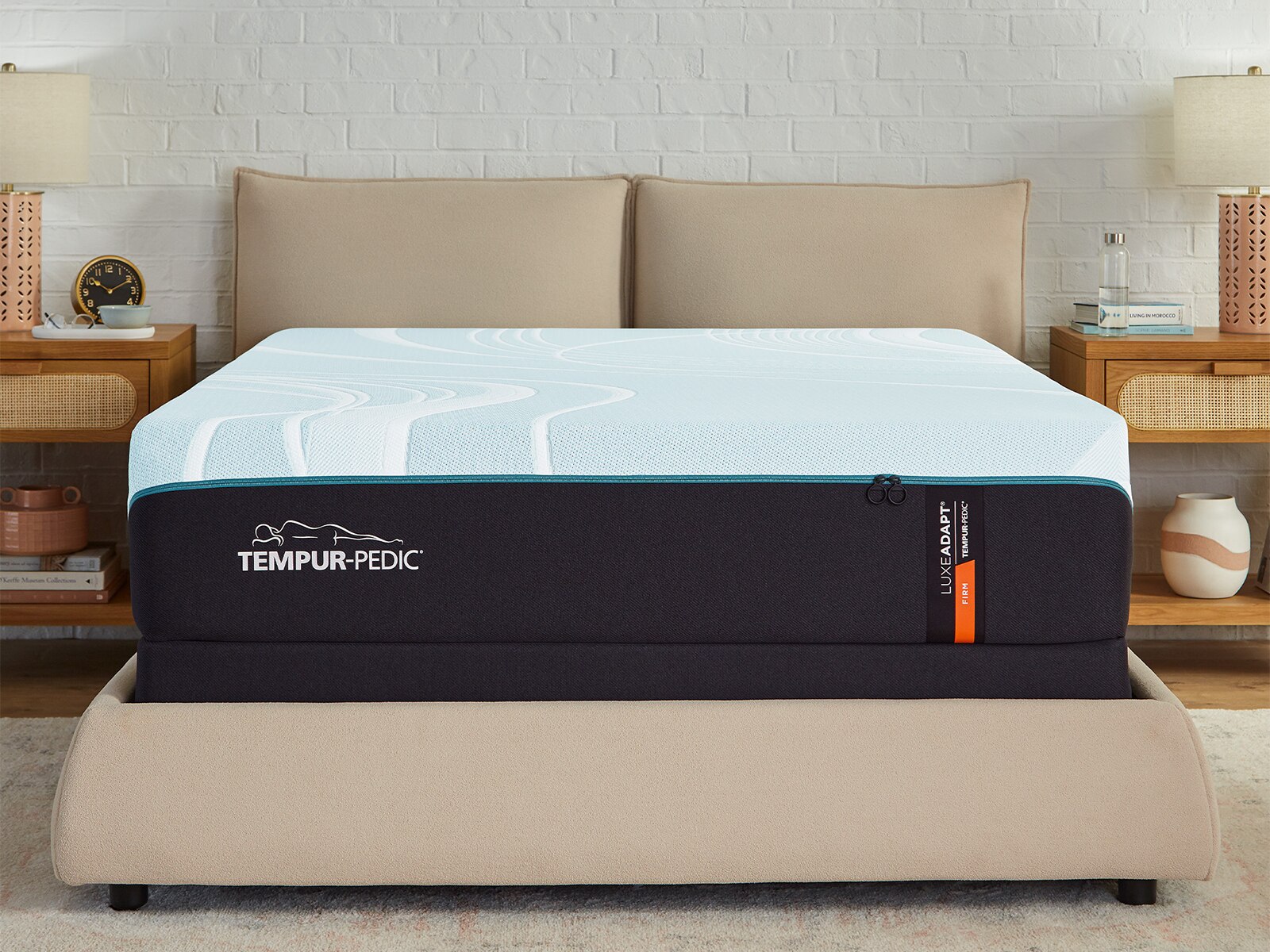
Firm mattresses with low motion transfer combine a sturdy sleep surface with materials that help absorb movement before it travels across the bed. That combination can make a difference when one person rolls over, gets comfortable after reading or slips out of bed before the alarm. Firmness describes how much resistance a mattress offers under your body; motion isolation describes how well it limits the spread of movement. The two are separate qualities, so a firmer mattress is not automatically better at keeping a partner’s movements contained. Construction matters. All-foam mattresses often use memory foam comfort layers over a more resistant foam core, creating a surface that cushions the body without a pronounced bouncing sensation. Memory foam responds to pressure and can absorb some of the energy from a changing sleep position. Other cushioning foams may feel more responsive, with performance depending on their formulation, thickness and placement within the mattress. Firm hybrid mattresses combine foam layers with coils, offering another way to balance support and motion control. Individually wrapped coils can compress more independently than interconnected coil systems, helping limit how far movement spreads. However, the comfort layers above those coils also influence what the sleeper feels. A hybrid with substantial cushioning may absorb movement differently from one with a thin comfort layer, even when both have a firm designation. Latex typically has a springier response than memory foam, though its effect on partner disturbance depends on the complete construction. Neither an all-foam design nor a hybrid can guarantee that every movement will go unnoticed. Larger shifts, such as sitting down on the edge, may still be noticeable. For shared beds, the most useful combination is a firm feel that suits both sleepers, cushioning that dampens everyday movement and enough responsiveness to change positions comfortably. A stable surface should feel supportive rather than rigid, with room for the shoulders and hips to settle without the torso sinking too deeply.
The right fit depends on sleep position, body weight and the way each person uses the bed. Back sleepers may appreciate a firm mattress that supports the pelvis while allowing gentle contouring around the lower back. Stomach sleepers often prefer less give beneath the midsection, although a surface that feels too hard can still create discomfort at the ribs or other pressure points. Side sleepers generally need more cushioning at the shoulders and hips, even when they prefer an overall firm feel. A firm mattress with a pressure-relieving comfort layer may provide that balance for some, while others will be more comfortable with a less resistant surface. Body weight also changes the experience: the same mattress may feel quite firm to a lighter person and noticeably more yielding to someone with a heavier build. Firmness labels are useful starting points, but they are not standardized measures of support or motion isolation. For couples, both sides of the bed deserve attention. One sleeper may need a steadier surface for back sleeping while the other changes between side and stomach positions. A mattress that absorbs small shifts without making either person feel stuck can be a practical middle ground. Queen and king sizes offer different amounts of personal space, and extra room can reduce accidental contact, though size alone does not improve the materials’ ability to absorb motion. Edge support matters, too, especially for someone who sleeps close to the perimeter or sits there while getting dressed. A reinforced edge can make more of the surface feel usable, but edge strength and motion isolation remain distinct features. When comparing comfort, lying in familiar sleep positions while a partner turns over gives a clearer impression than pressing a hand into the surface. Notice both the ripple of movement and how easily each person can reposition. For light sleepers or partners with different schedules, those ordinary movements are more meaningful than a dramatic demonstration.
Materials, construction quality and proper care all affect how consistently a firm mattress performs over time. Foam density can provide useful information about a foam’s composition and potential durability, but density is not the same as firmness, and no single specification tells the whole story. Comfort-layer thickness, coil design, edge construction and the quality of the supporting base also matter. A mattress needs a foundation or platform that meets its manufacturer’s requirements, including any limits on spacing between slats. An unstable frame can introduce rocking or noise that feels like a mattress problem, even when the comfort layers are absorbing movement well. Compatibility should also be confirmed before pairing a mattress with an adjustable base. A properly fitted mattress protector helps keep everyday moisture and spills away from the sleep surface, while care should follow the instructions for the cover and internal materials. Removable covers are not necessarily machine washable, and excess cleaning moisture can be difficult to remove from foam. Rotate the mattress only as recommended, and do not flip a one-sided design unless the manufacturer specifically allows it. Normal changes in surface feel can occur as materials settle, but persistent sagging or a new tendency to roll toward the center deserves attention. A thick topper may soften a firm mattress and change its response to movement, so it should be considered part of the overall sleep setup rather than a way to correct inadequate support. Explore
Firm Mattresses With Sleep Enhancing Features for additional designs that pair a firmer feel with other comfort details. Whether the bed is shared every night or used by someone who simply prefers a grounded feel, the goal is a comfortable balance: dependable support, manageable movement and enough cushioning to settle in without feeling swallowed by the surface. Low motion transfer can help reduce partner disturbance, but personal comfort remains essential to choosing a mattress that feels right beyond the first few minutes.