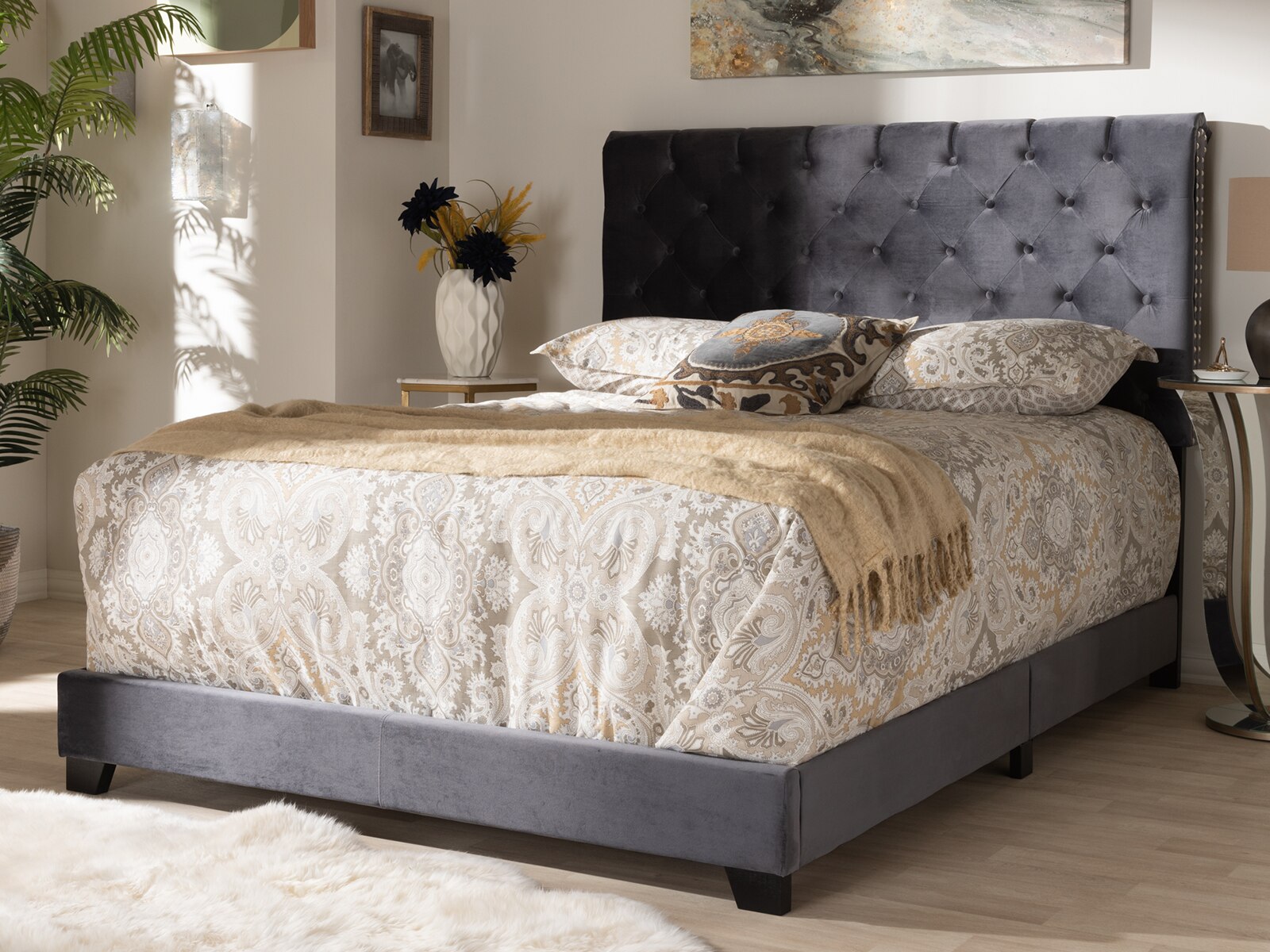
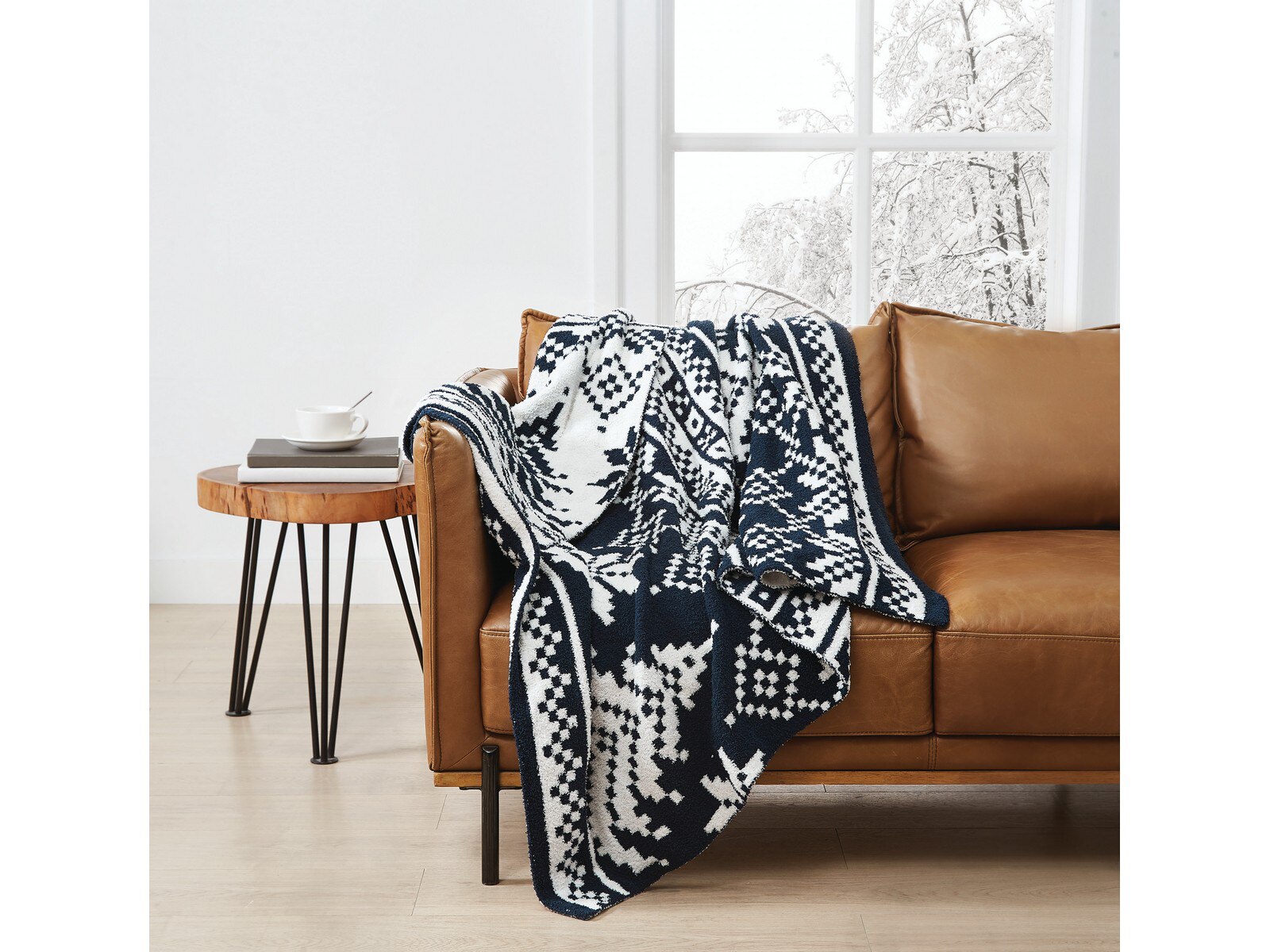
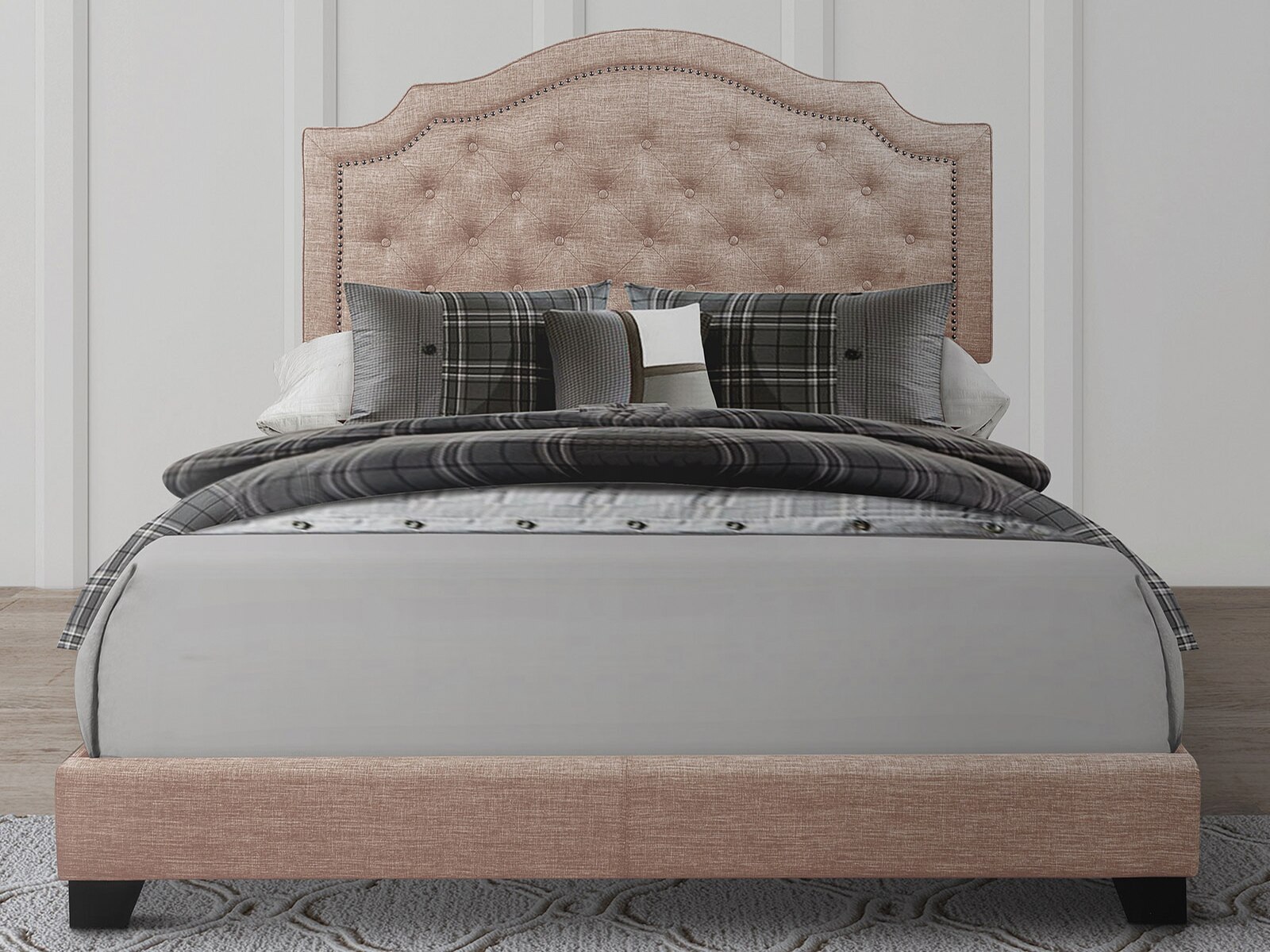
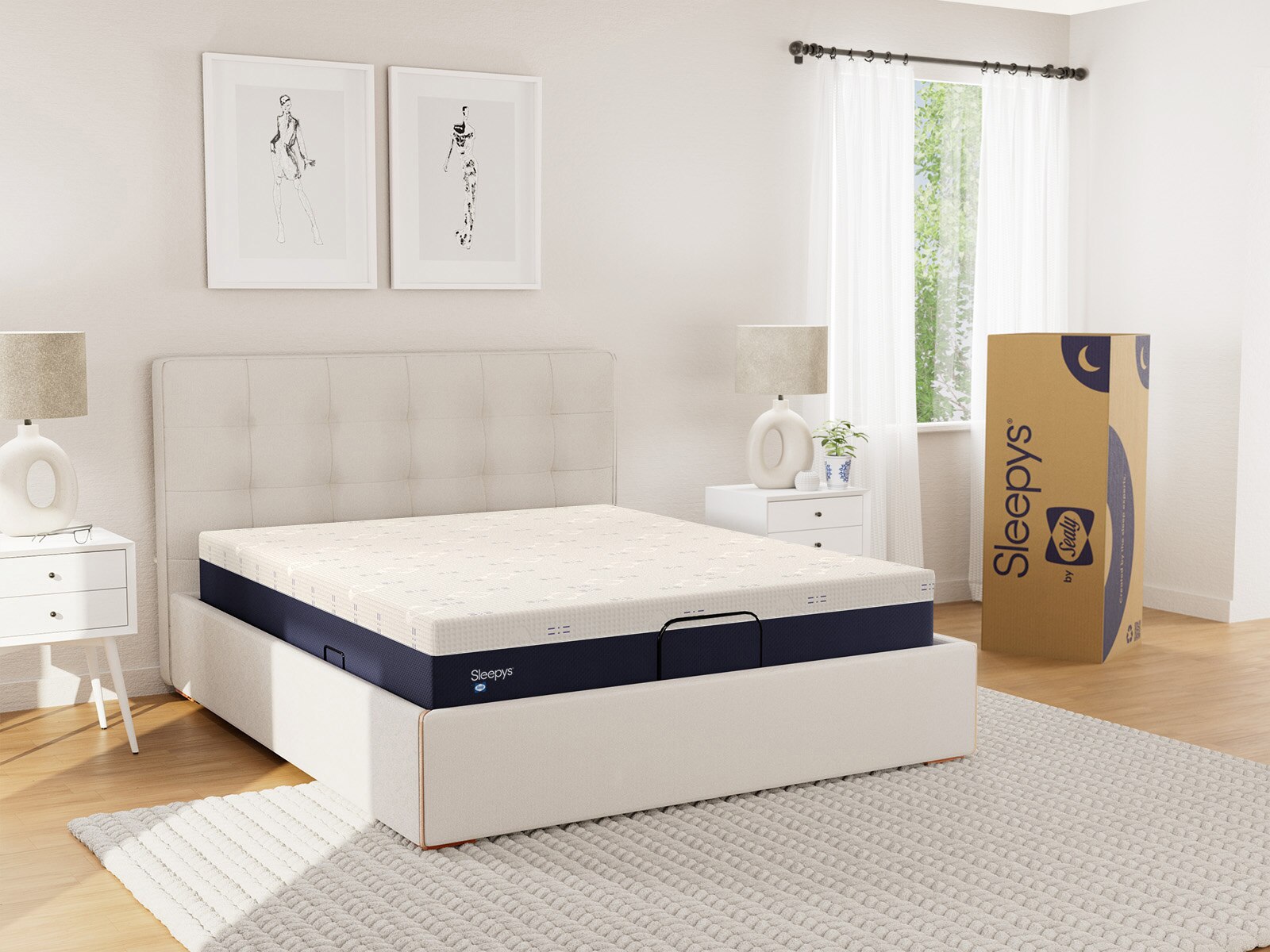
Gifts for furniture upgrades bring new comfort, function or character to pieces someone uses every day. A thoughtful upgrade might refresh a well-loved bedroom, make a reading corner more inviting or help a recently furnished space feel more personal. The most useful gifts reflect how the recipient lives: a place to lean back with a book, a sturdier foundation for nightly rest or a softer surface on a favorite seat. Appearance matters, but so does the small improvement someone notices each time they sit down, put their feet up or settle into bed. Furniture-related gifts generally serve one of three purposes: improving comfort, updating a room’s appearance or helping maintain an existing piece. Those purposes often overlap, as with an upholstered headboard that adds texture while creating a more comfortable backdrop for reading. Fit is especially important for larger upgrades. Bedroom furniture needs to work with the mattress dimensions, the height of the sleep surface and the space around doors, drawers and walking paths. A bed frame should also meet the mattress manufacturer’s support requirements, including any specifications for slat spacing or center support. The visual scale deserves equal attention: a tall headboard can anchor a spacious bedroom, while a lower profile may feel more balanced beneath a window or sloped ceiling. For seating, cushion dimensions and attachment methods affect whether an added layer stays comfortably in place. A gift that looks beautiful but shifts with every movement is less useful than one suited to the furniture’s shape and everyday use. Delivery access, assembly requirements and the weight of larger pieces are practical details worth understanding before a gift becomes part of someone’s home. For a recipient who enjoys rearranging a room, manageable proportions may matter as much as style. For someone furnishing a long-term space, a cohesive finish and dependable construction may carry more weight.
Materials influence how a furniture upgrade looks, feels and holds up to regular use. Wood brings visible grain and natural variation, while metal can provide a clean-lined structure with relatively little surface upkeep. Solid wood and wood veneer have different construction and care considerations; neither appearance nor thickness alone tells the whole story about quality. Secure joints, stable connections and a finish suited to the intended use are meaningful details. Upholstered surfaces introduce another set of considerations, including fabric texture, seam construction and resistance to everyday wear. A tightly woven fabric may suit a frequently used seat, while a more textured covering can add depth to a room with simple furnishings. Homes with pets or young children often benefit from surfaces with clear cleaning instructions and covers designed for removal, when applicable. Removable does not automatically mean machine washable, and cleaning methods should match the fabric label. Cushioning also changes the experience of a piece: softer padding creates a more enveloping feel, while firmer support can make a seat feel more structured. Neither is universally better; the recipient’s preferences and the furniture’s purpose matter most. For someone who values an existing wooden piece, compatible care materials can be a thoughtful way to support its upkeep. Surface cleaning, conditioning and refinishing serve different purposes, and a treatment suitable for one finish may damage another. Compatibility with the original surface is more important than a promise of extra shine. A small test in an inconspicuous area can help reveal an unwanted change in color or sheen before a larger surface is treated. Decorative updates and care treatments cannot correct loose joints, broken supports or other structural damage. Keeping that distinction clear helps separate a cosmetic refresh from a repair that needs qualified attention. Durability also depends on daily habits, from protecting surfaces against spills to checking hardware according to the manufacturer’s instructions. Clear care information helps a gift remain useful beyond its first impression.
The best furniture upgrade gifts feel connected to the person receiving them rather than to a passing decorating trend. Someone moving into a first apartment may appreciate a piece that makes a compact bedroom feel complete without crowding the floor. A couple combining households may value a finish or fabric that connects furniture they already own. A longtime homeowner might prefer an understated refresh that preserves the familiar character of a room. Birthdays, weddings and housewarmings can all be meaningful occasions for gifts that support a more comfortable home, especially when the recipient has shared a particular need. Larger furniture gifts usually benefit from a conversation about dimensions, style and setup, while smaller finishing touches leave more room for a surprise. Personal preference becomes especially important with upholstery color, cushioning firmness and the height of furniture used every day. A bedside surface that sits comfortably beside one bed may feel awkward next to another, and a padded backrest should suit the way its recipient likes to sit. Existing details offer useful context: warm wood tones, simple metal accents, softly textured fabrics or a preference for uncluttered surfaces. Coordinating with those details can make an upgrade feel intentional without requiring every piece to match. For a refresh focused on the bedroom,
Gifts For Bed Upgrades offers a related direction for bringing everyday comfort into the same space. Furniture establishes the room’s structure, while layers and finishing touches help it feel settled and personal. A carefully chosen upgrade can support a familiar routine, whether that means reading before bed, making space for overnight visitors or creating a comfortable corner away from the busiest part of the home. The lasting value is in the fit between the gift and that routine. Thoughtful proportions, suitable materials and straightforward care help a furniture gift become something the recipient enjoys using, not simply something new to find room for.