Home office comfort starts with supportive seating, a workspace that fits the person using it, balanced lighting and enough room to change position throughout the day. Softness can make a space feel inviting, but lasting comfort also depends on stability: feet resting on a firm surface, shoulders relaxed and a work surface that allows the arms to stay close to the body. Cushioned furnishings and supportive accessories work best when they complement that setup rather than compensate for a chair or desk that does not fit. A cushion that feels pleasant for a few minutes may be too deep or too soft for focused computer work if it leaves the sitter reaching toward the keyboard. Similarly, thick padding behind the back can reduce usable seat depth, which matters when several people share a workspace. Materials influence both feel and everyday performance. Foam can provide a more structured surface, while fiber fill generally has a softer feel that may need occasional reshaping. Layered cushioning can combine a welcoming surface with underlying support, although the feel depends on its construction rather than thickness alone. Fabric texture matters, too, especially where forearms, hands or the backs of legs touch upholstery. Smooth woven covers can feel unobtrusive during long stretches of use, while textured fabrics add visual depth to a room that also serves as a living area. Removable covers may simplify routine care when their cleaning instructions allow washing. Beyond the seat itself, comfortable surroundings help make the whole workspace more usable. Lighting that illuminates documents without reflecting across a screen, clear space beneath the desk and frequently used belongings within easy reach all support a less awkward workday. A screen positioned for a comfortable forward gaze can also reduce the tendency to lean across a desk. The result is not simply a softer office, but a room where furnishings support the tasks taking place, from concentrated writing to video meetings and a few quiet minutes between appointments.
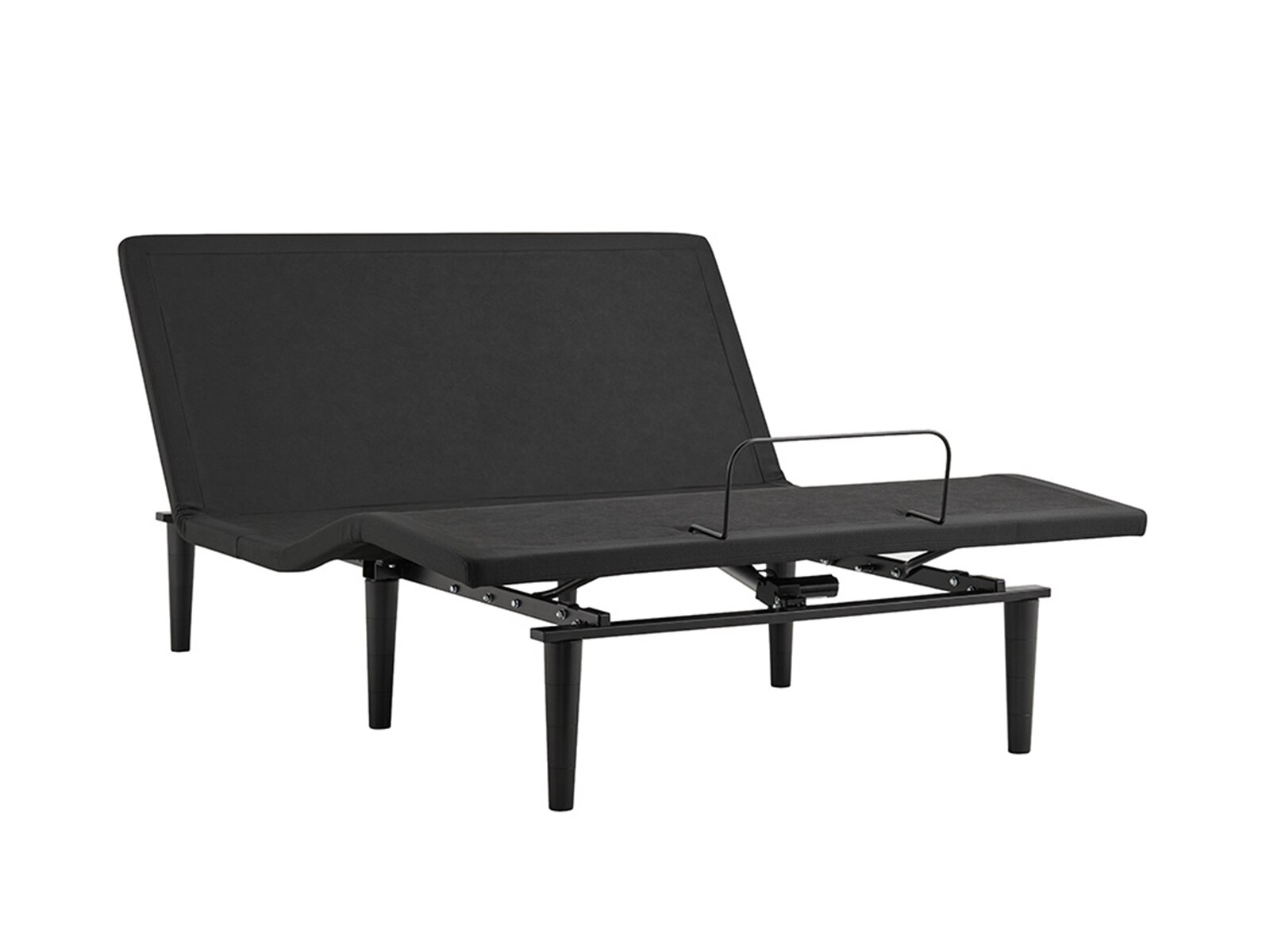
Many home offices also need to function as guest rooms, reading spaces or places to step away from the main household activity. In these rooms, comfort depends on how well each furnishing handles more than one role without crowding the workspace. A compact seating area can offer a change of scenery for reviewing printed pages, listening to a presentation or taking a brief break away from the keyboard. For spaces that need both seating and a sleeping surface,
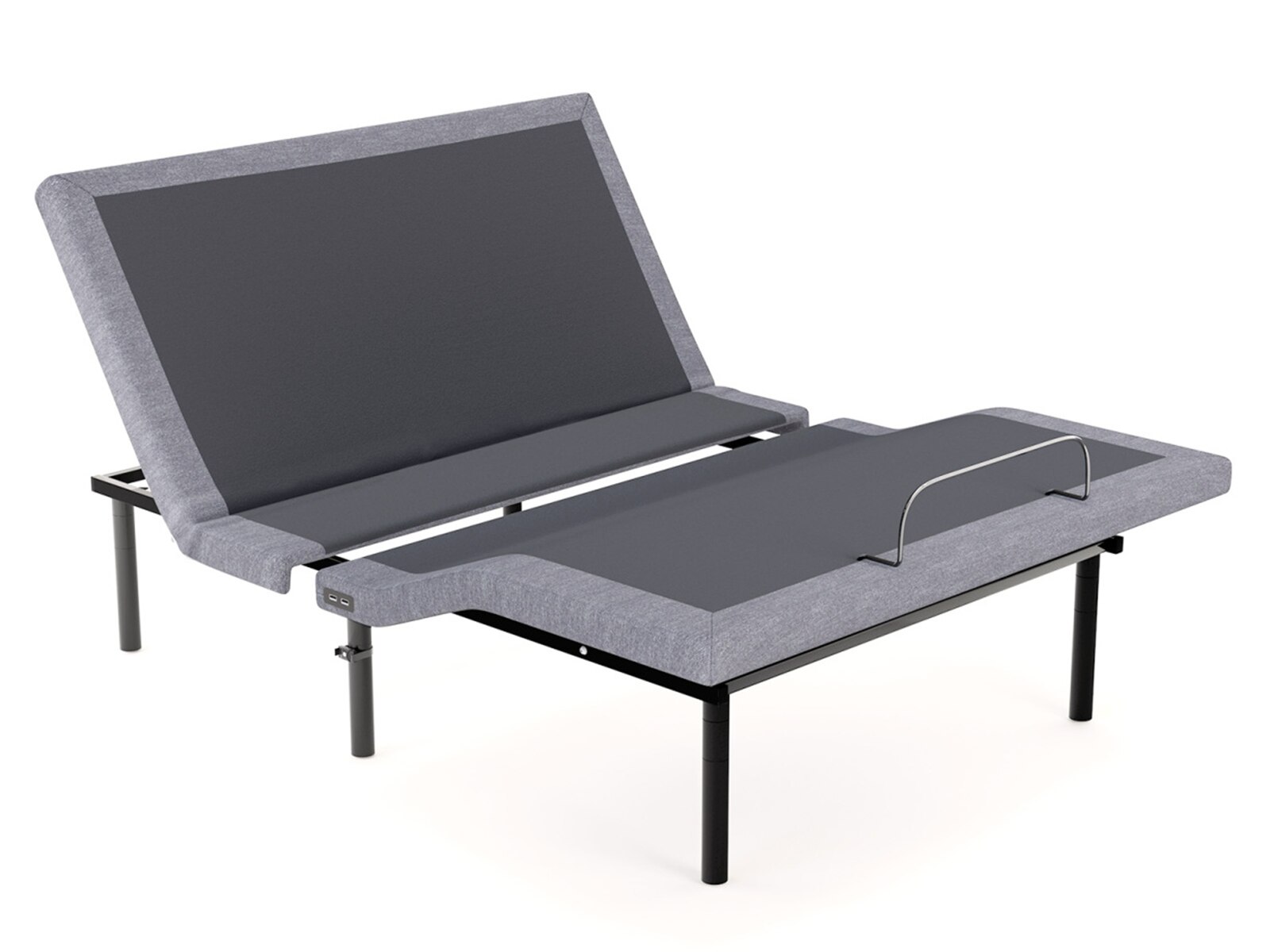
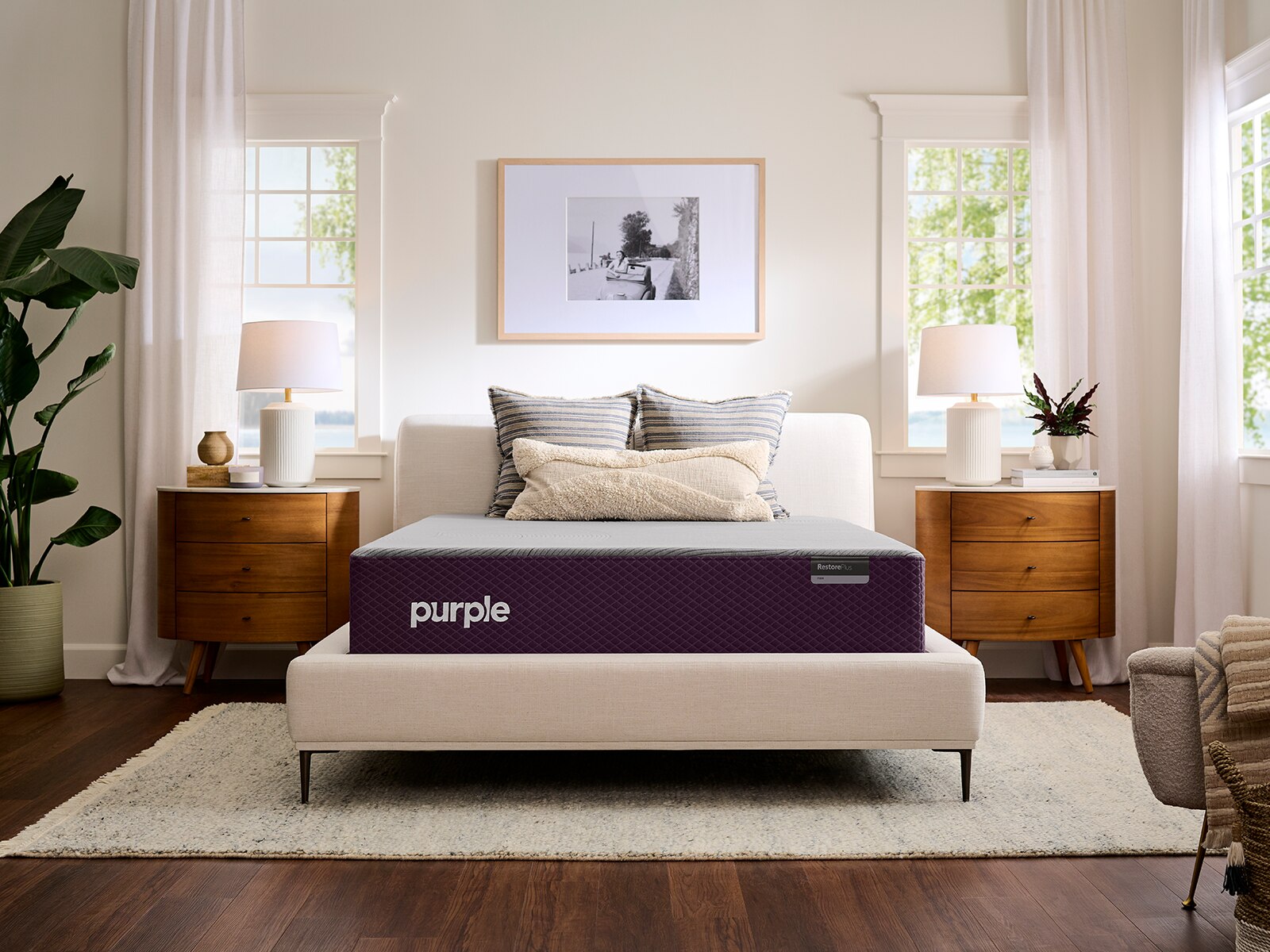
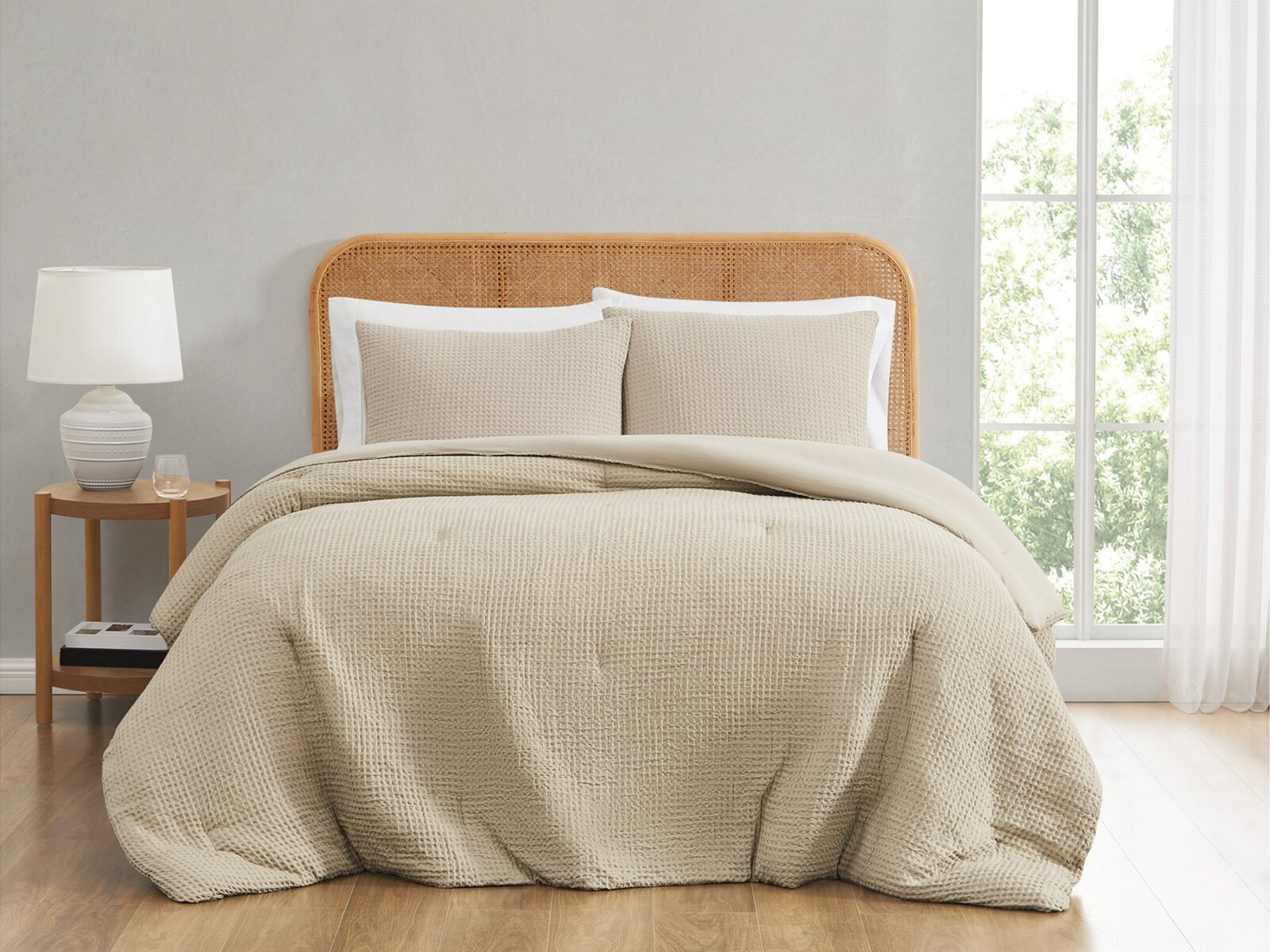
Daybeds For Home Office Seating can bring those functions together within a single footprint. The important distinction is between occasional relaxed seating and a primary workstation: a cushioned place to read is not necessarily designed for hours of typing. Seat height, usable depth and the position of the back support determine how naturally someone can sit upright, while the underlying mattress and foundation affect how the same space feels when used for rest. A surface intended for overnight guests deserves the same attention to support and compatibility as any other sleep setup. Room fit involves more than the dimensions of the furniture itself. Doorways, drawers, nearby shelving and the path between the desk and the entrance all influence whether a layout feels easy to use. In a narrow room, a furnishing may fit against the wall but still interrupt movement when someone sits down or stands up. Low-profile shapes and thoughtfully placed cushions can help a shared room feel cohesive, while substantial arms or deep upholstery require more clearance. Fabric color and texture can connect the seating area with existing bedding, window coverings or a desk chair without making every surface match. For a room visible during video calls, a simple arrangement often looks more settled than layers of decorative accents. Comfort feels more natural when there is a clear place to work, a clear place to pause and enough separation that neither function gets in the way of the other.
Everyday durability and care are especially important in a home office because the same surfaces may be used repeatedly for hours at a time. Upholstery can experience friction along the front edge of a seat, compression where someone sits most often and contact with clothing, bags or nearby furniture. Secure seams, well-fitted covers and cushioning suited to repeated use are meaningful considerations alongside appearance. Performance claims and care labels provide more useful information than fabric texture alone; a tightly woven surface is not automatically stain resistant, and a removable cover is not necessarily machine washable. Following the stated cleaning method helps protect the fabric and its finish. Routine vacuuming with an appropriate attachment can lift dust and crumbs from upholstery seams, while prompt attention to spills can keep a small mishap from becoming a lasting mark. Cushions designed to be rotated or reshaped may benefit from that care, but mattresses and upholstered components should only be turned or flipped when their instructions allow it. For furnishings that serve overnight guests, compatible protective layers can help keep the sleep surface easier to maintain without replacing the need for regular cleaning. Intended use also shapes what comfort means from one household to another. Someone working full time at a desk may value consistent support and a separate place for breaks, while a student may need a compact room to accommodate studying, reading and occasional guests. A shared household office benefits from furnishings that different people can use without an elaborate reset between tasks. Comfort-focused gifts can be thoughtful for someone establishing a new workspace, although personal preferences, room dimensions and care needs matter more than decorative appeal alone. Across these settings, the most useful choices are those that fit existing routines: surfaces that feel pleasant, support that suits the activity and materials that are practical to maintain. A comfortable home office leaves room for both productive work and a genuine pause, without asking one furnishing to do every job.