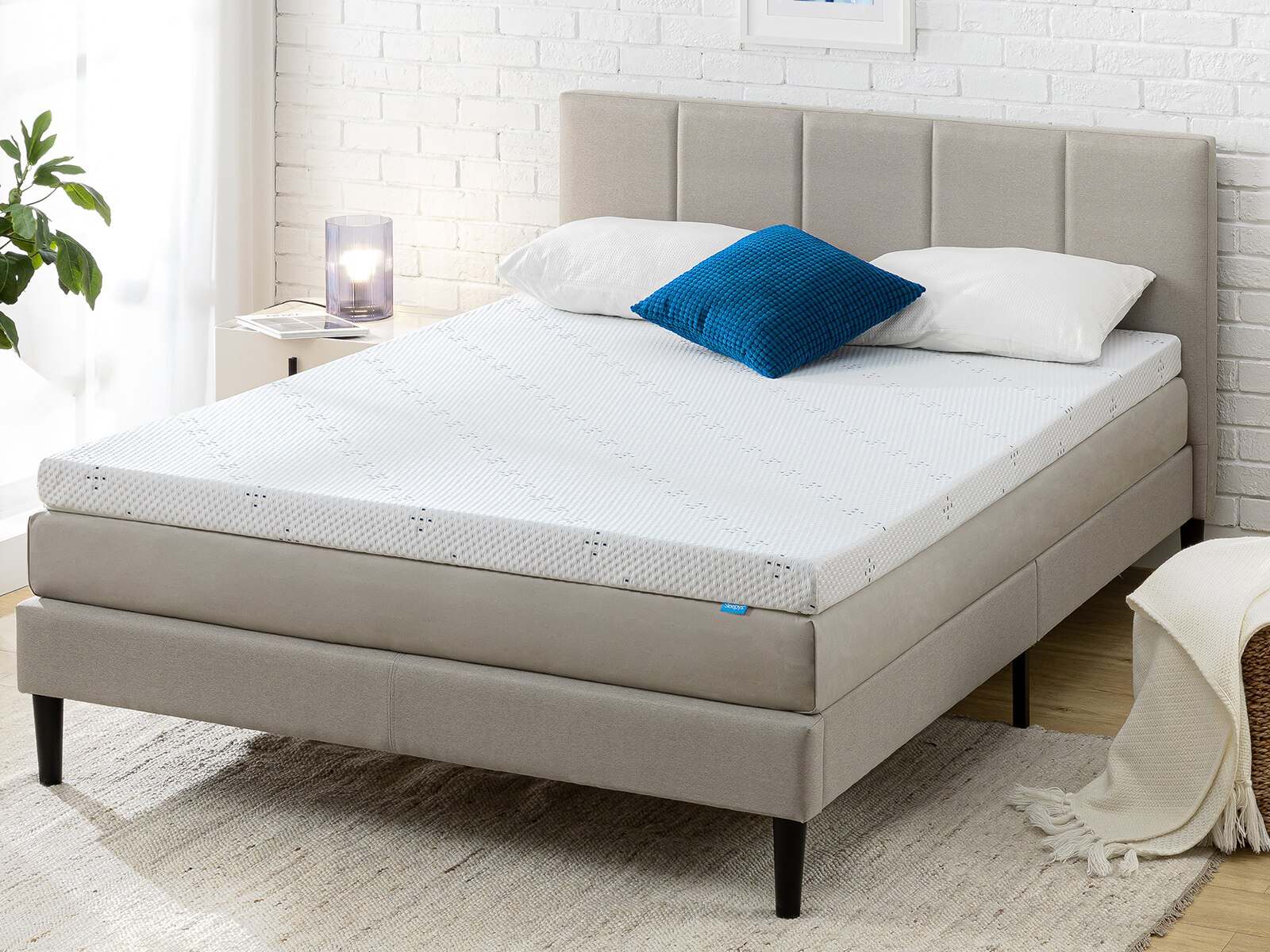
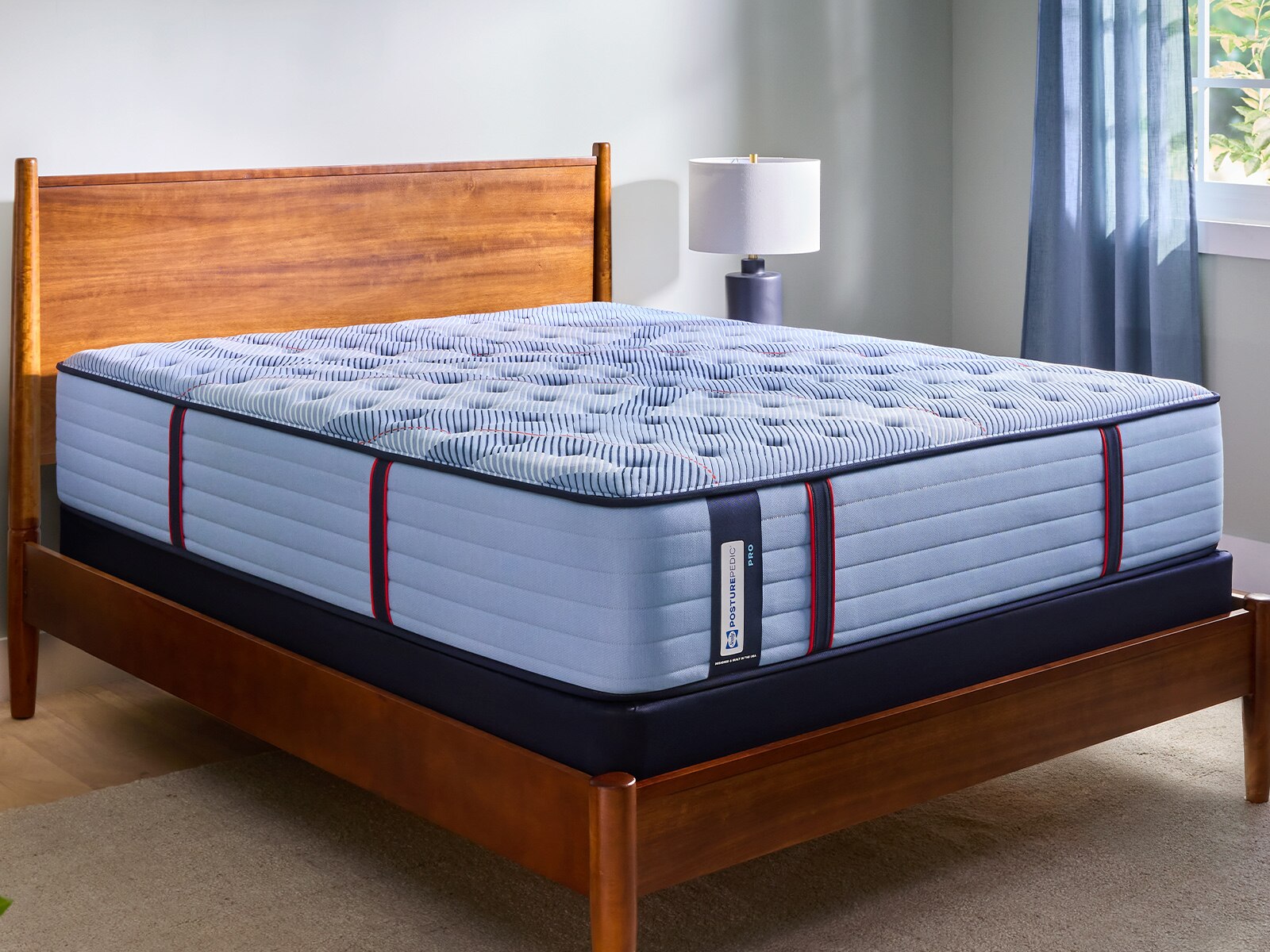
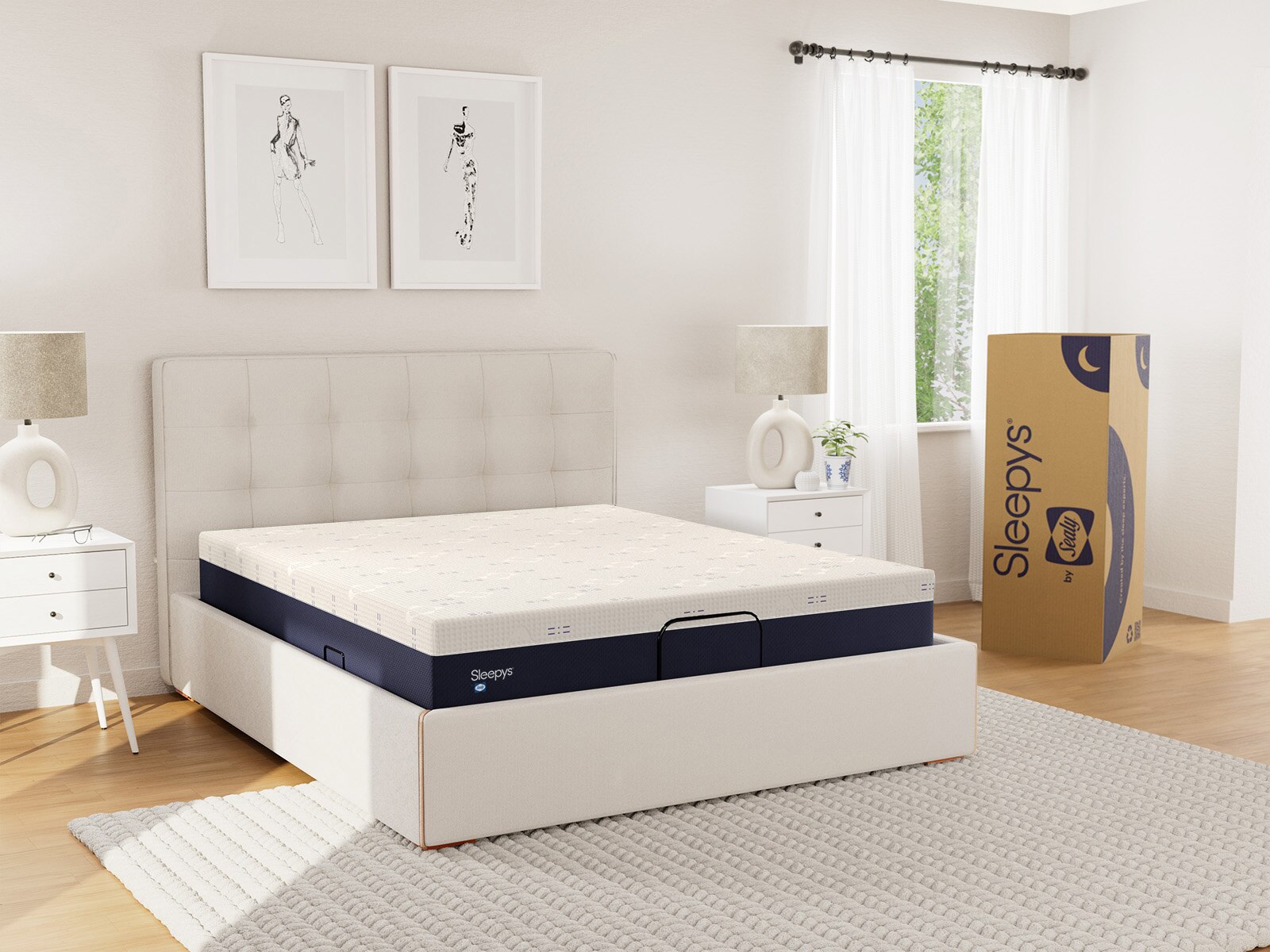
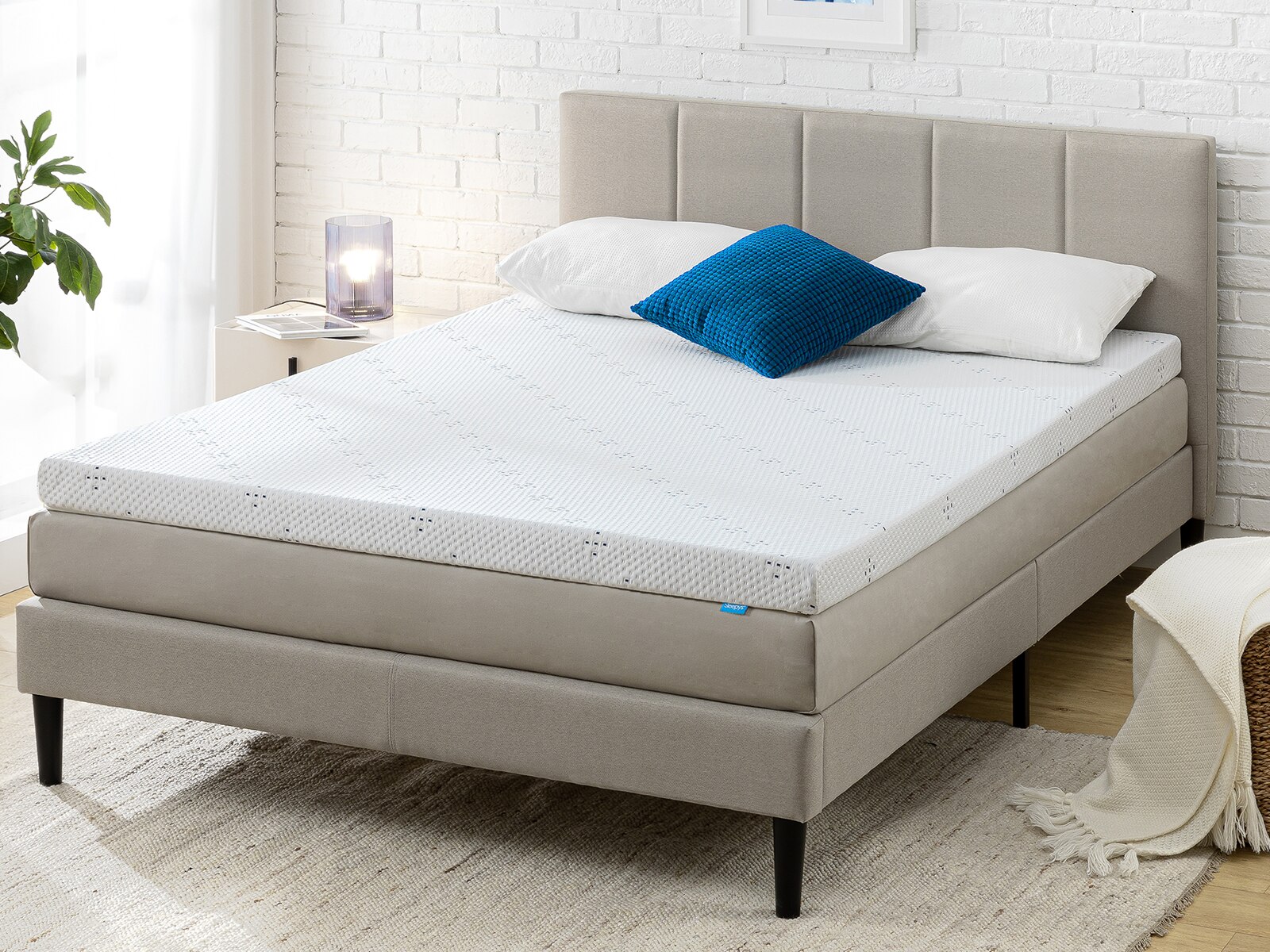
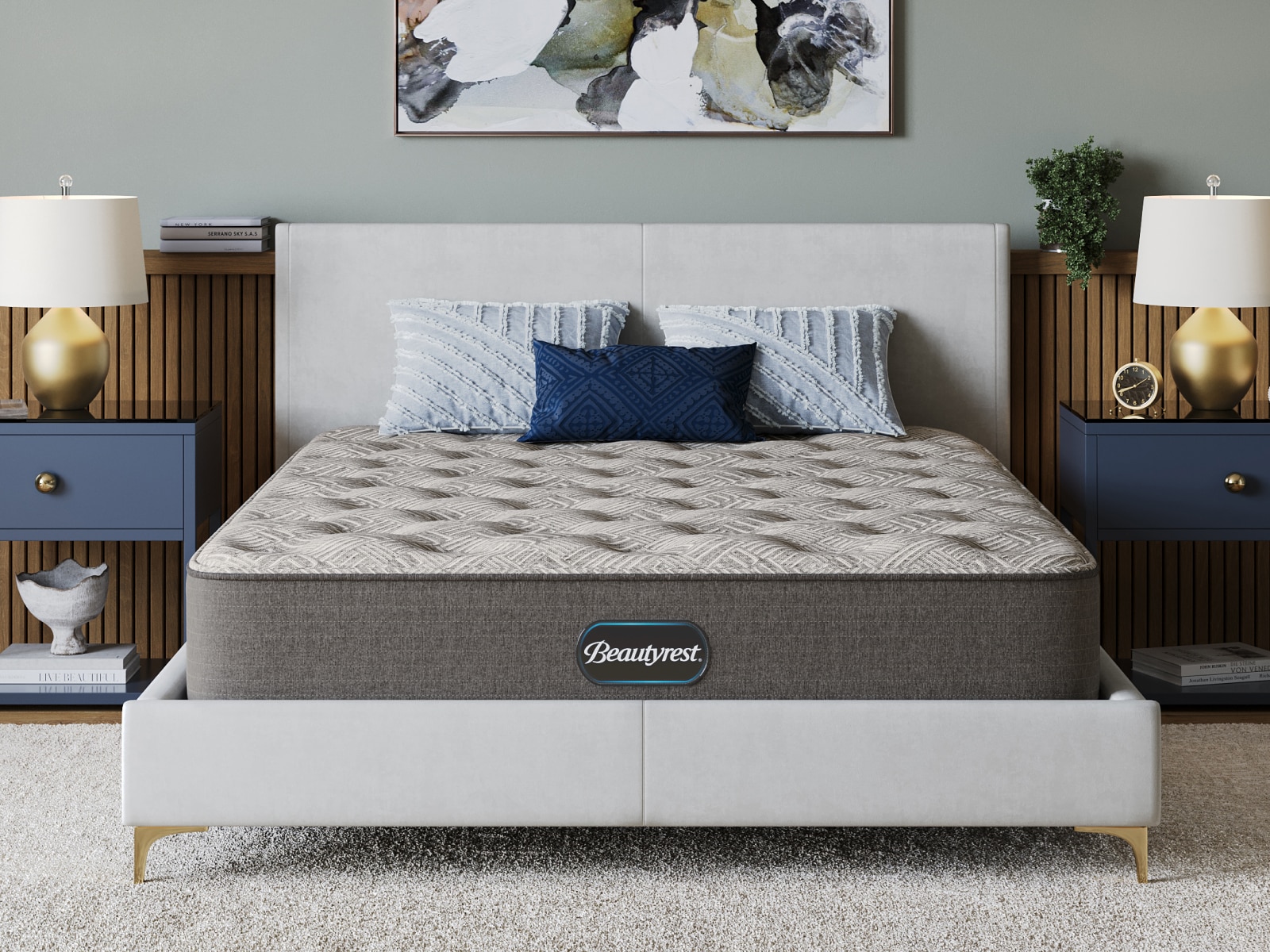
A soft mattress topper can soften the feel of a firm mattress by adding cushioning above its existing support layers. Toppers around two to four inches thick are a common choice for a noticeable comfort adjustment, although the material and construction matter as much as thickness. A plush topper allows shoulders and hips to settle into the surface more comfortably while the mattress underneath continues to provide support. This makes toppers useful when a bed feels too rigid but is otherwise level and in good condition. Memory foam contours closely around the body and can ease the concentrated pressure that makes a firm surface uncomfortable, especially for someone who sleeps on their side. Its slower response creates a gently cradled sensation rather than a springy feel. Latex generally responds more quickly to movement, offering cushioning with a buoyant feel that may appeal to sleepers who change positions frequently. Down, feather and down alternative toppers provide a fluffy surface with less contouring than foam. Their fill compresses beneath the body and may need regular fluffing to maintain an even feel. A padded mattress pad typically offers a subtler change, adding a light layer of softness rather than the deeper cushioning of a topper. For someone who likes the support of their bed but dislikes its hard surface, that smaller adjustment may be enough. Breathable covers and fill construction also affect comfort, particularly for sleepers who tend to feel warm beneath their bedding. Close-conforming foam can retain more body heat than loosely filled materials, though individual designs vary. Material sensitivities deserve attention as well, especially when considering latex or feather fill. The best match depends on the sensation a sleeper wants: gentle contouring, responsive cushioning or a soft, pillowlike finish. A topper changes the sleep surface; it does not repair worn springs, deep impressions or a mattress that no longer provides consistent support.
Sleep position helps determine how much added softness feels comfortable. A side sleeper whose shoulder presses firmly into the bed may appreciate a thicker, more conforming layer, while a back sleeper may prefer enough cushioning to soften contact without allowing the pelvis to settle too deeply. Stomach sleepers often benefit from a more restrained comfort adjustment because excessive sink can make it harder to maintain a comfortable resting position. Body weight affects these choices, too: the same topper may feel lightly cushioned to one person and deeply compressible to another. Softness ratings are useful starting points, but thickness alone does not establish firmness, and foam density is not the same measurement as softness. Fit is equally important. A topper should match the mattress dimensions closely so it lies flat without hanging over the edges or leaving an exposed strip along one side. Sizes such as twin, queen and king describe the intended fit, but checking actual measurements helps account for variations in mattress construction. Added height affects more than appearance. A thick mattress paired with a substantial topper may require deeper fitted-sheet pockets, and a sheet stretched too tightly can compress the cushioning or pull up at the corners. Mattress protectors also need enough depth to accommodate the complete setup without bunching. Elastic straps, fitted skirts or grippy undersides can help limit shifting, depending on the design. Someone who turns frequently may notice the difference between a topper that stays centered and one that gradually slides toward the edge. The added height can also change how the bed feels when sitting down or getting up, especially if the topper compresses substantially beneath the seated body. For couples, a softer layer may improve shared comfort, but it will not necessarily resolve very different firmness preferences. A guest bed can benefit from moderate cushioning that accommodates varied sleeping habits without creating an unusually deep cradle. These practical details help distinguish a comfortable surface adjustment from a layer that feels inviting at first but proves awkward in everyday use.
Care requirements influence how well a softer sleep surface holds up over time. Removable, washable covers can make routine upkeep easier, but the topper itself may need a different cleaning method. Many foam and latex cores are not machine washable and can be damaged by soaking, harsh cleaning products or excessive heat. Down and fiber-filled designs have their own washing and drying requirements, so the care label remains the most reliable reference. A properly fitted protector can help shield the comfort layers from everyday moisture and spills, while allowing the topper to retain its intended feel. Filled toppers may need fluffing or redistribution to prevent flattened areas; foam models generally depend on consistent support and appropriate handling rather than fluffing. Durability varies with material quality, construction, sleeper weight and frequency of use. Persistent flattening, crumbling foam or fill that no longer redistributes can signal that a topper has lost its cushioning. The condition of the mattress underneath matters just as much. A new mattress may feel firmer before its comfort materials have had time to settle with normal use, and the manufacturer’s guidance can clarify the expected adjustment period. Walking on the mattress or applying direct heat is not a dependable substitute for that process and may damage materials. Likewise, changing to a less supportive foundation simply to create more give can interfere with the mattress’s performance. Foundation compatibility and support requirements should stay consistent with the mattress manufacturer’s recommendations. Rotation may help distribute wear when permitted, but it does not reliably turn a firm mattress into a soft one, and many mattresses are not designed to be flipped. When the underlying bed remains supportive, a thoughtfully chosen topper or pad offers a targeted way to refine its comfort. Explore
Mattress Adjust Firmness for a broader look at options for tailoring the sleep surface. A comfortable result should feel cushioned at the shoulders and hips, stable beneath the body and easy to move across, with bedding that fits smoothly over the added layer.