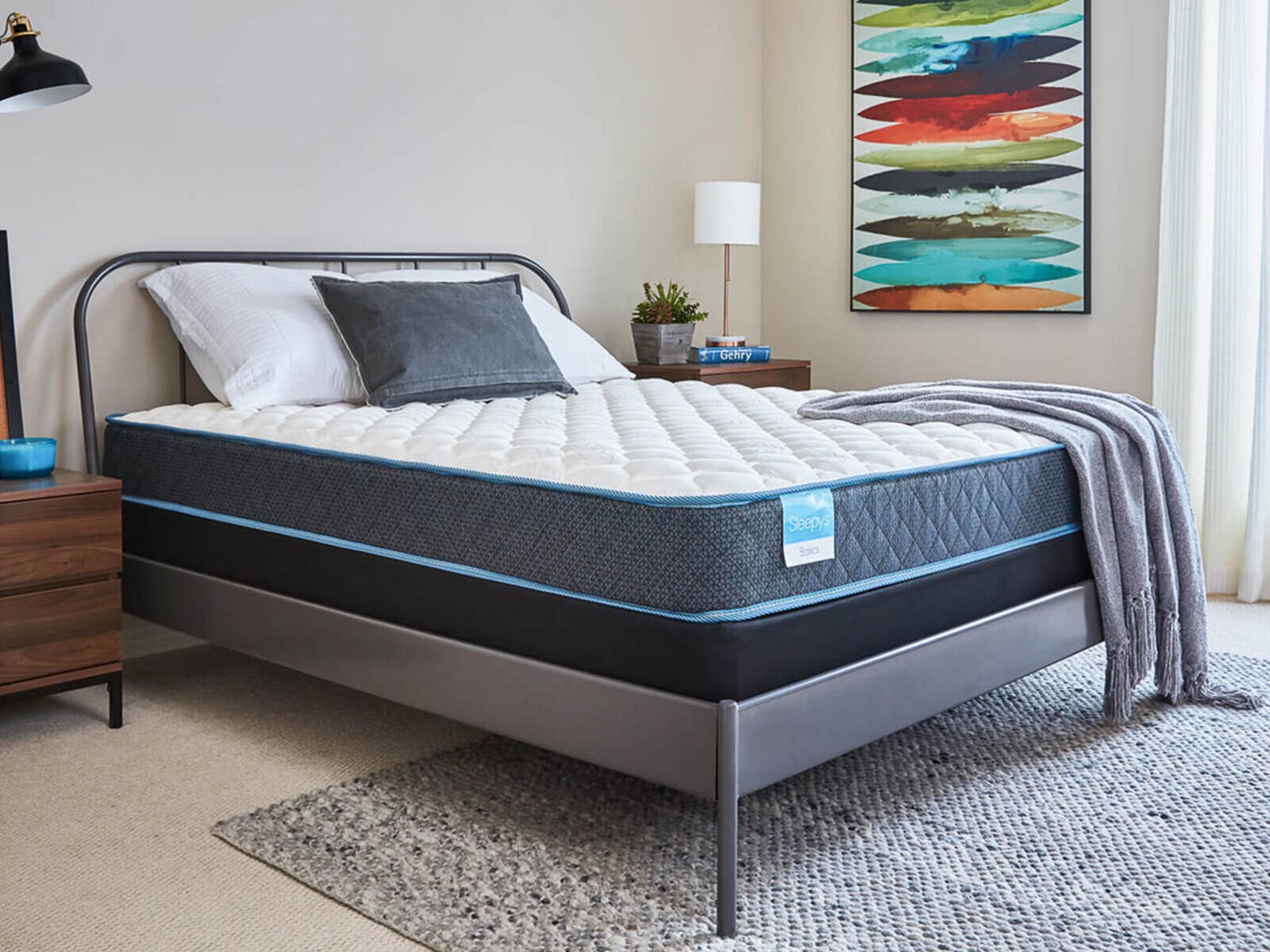
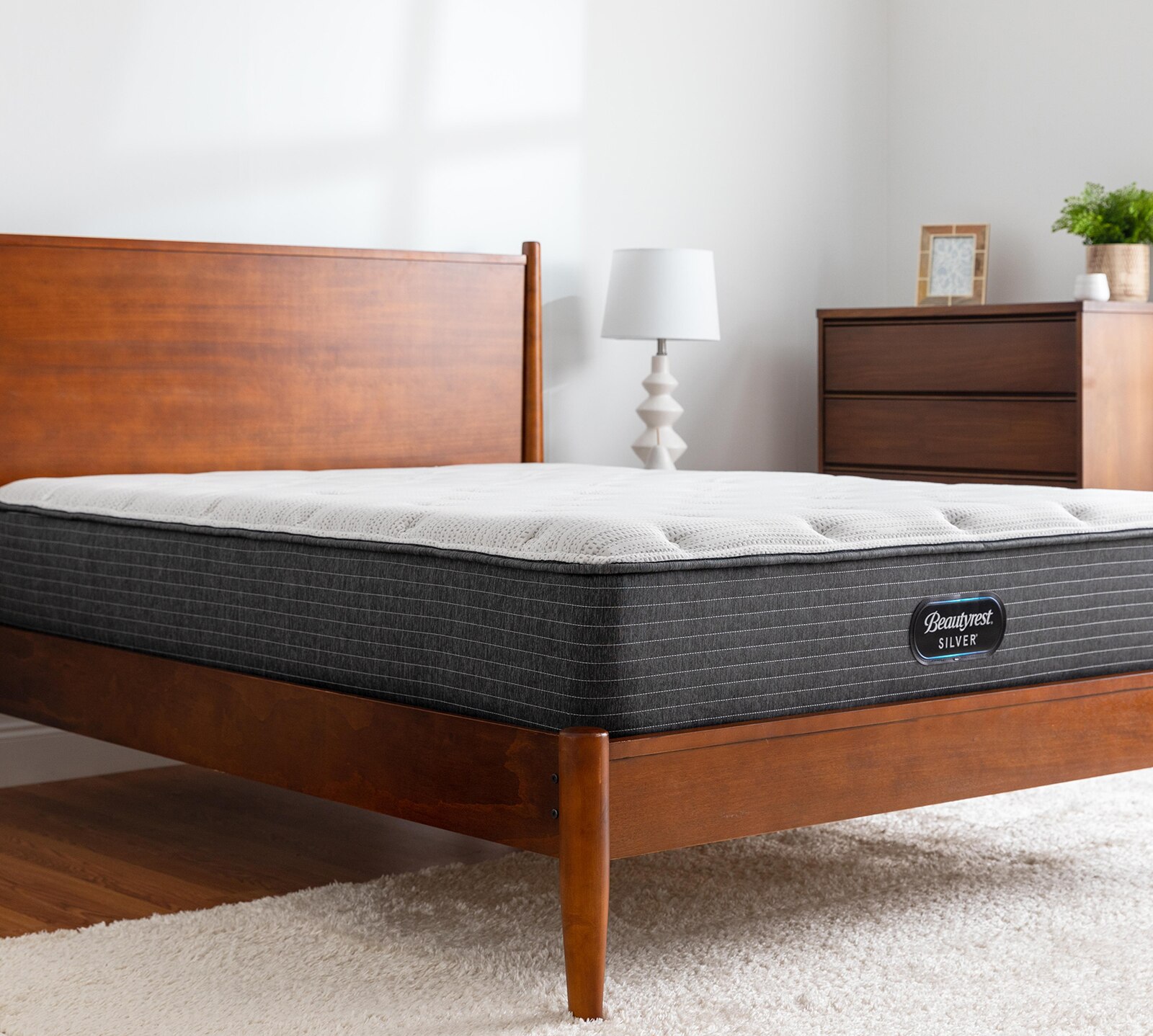
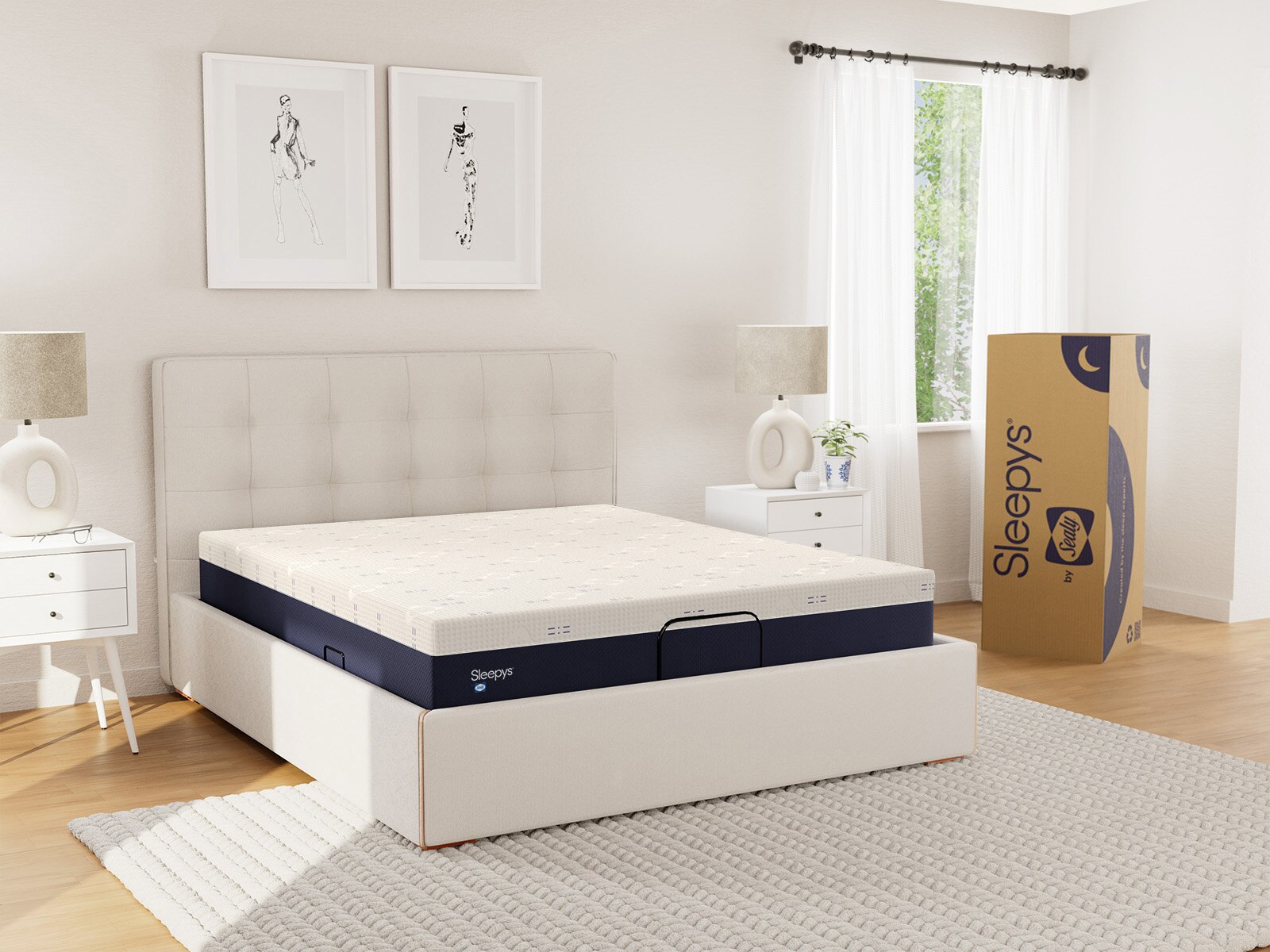
Adjustable-firmness mattresses let sleepers change how soft or firm their bed feels, often by adding air to or releasing air from internal chambers using a handheld remote or compatible smartphone app. Increasing air pressure generally creates a firmer feel, while reducing pressure allows more give beneath the body. The exact controls, firmness scale and adjustment range depend on the mattress design, so a setting on one system does not necessarily feel like the same setting on another. These mattresses suit people who want more flexibility than a fixed-firmness sleep surface provides, including couples with different comfort preferences and sleepers whose preferences change over time. On designs with independently adjustable sides, each person can fine-tune their side without requiring the other person to use the same setting. Separate firmness controls do not always require two separate mattresses; some designs provide individual adjustment within a shared queen or king mattress. Other constructions use interchangeable layers rather than powered controls, allowing the feel to be customized by changing the arrangement of materials. The method matters because it determines whether adjustments happen through a control or require access to the mattress interior. Above the adjustable support system, comfort layers may include memory foam, responsive foam, latex or fiber cushioning. These materials shape the initial feel when a shoulder meets the surface or a hip settles into the bed. Changing internal air pressure does not replace those layers or give every mattress the same range of sensations. A deeply cushioned surface can still feel different from a thinner, more responsive surface at a similar support setting. Adjustable firmness is also distinct from an adjustable base: the mattress changes its feel, while the base raises or lowers the head and foot sections to change sleeping or resting position. A base alone does not turn a fixed-firmness mattress into an adjustable-firmness mattress. For a setup that combines both functions, mattress flexibility, base compatibility and the dimensions of the complete bed all matter.
The most useful firmness range is one that accommodates the way a person actually sleeps. A side sleeper may appreciate enough cushioning for the shoulder and hip to settle in without feeling pressed against a rigid surface. Someone who sleeps on their back may prefer a balance of contouring and support, while a stomach sleeper often benefits from a feel that limits excessive sinking through the midsection. Body size, weight distribution and personal preference influence these experiences, so the firmest setting is not automatically the most supportive or comfortable choice. Firmness describes how the surface feels; support describes how well the mattress holds the body in a comfortable position. For a couple sharing a bed, independent controls can help accommodate one person's preference for a gentler surface and the other's preference for a steadier, firmer feel. Selecting the intended side before changing a dual-adjustment setting helps preserve a partner's comfort. Some systems also offer separate adjustment zones, although independent control at the shoulders, midsection or legs should not be assumed unless the design specifies it. Small firmness changes are usually easier to evaluate than a jump from one extreme to the other. Trying a comfortable new setting for two or three nights can provide a clearer impression than briefly lying down, but there is no reason to remain at a setting that causes discomfort. Everyday movements reveal useful details, too: turning from the back onto the side, settling near the edge or sitting up before getting out of bed. Foam that contours closely may feel different during those movements than latex or a more responsive cushioning layer. Edge construction and motion transfer also deserve attention, since separate firmness settings do not necessarily mean movement stays entirely on one side. A well-matched pillow remains important because changing the amount of shoulder sink can change the space between the head and the mattress. Persistent pain or new symptoms call for advice from a healthcare professional rather than repeated firmness adjustments alone.
Long-term comfort depends on the complete sleep setup and the care each component receives. An adjustable-firmness mattress needs the foundation or base specified by its manufacturer, with appropriate support across the bed and any required center supports. Mattress height affects how easily someone can sit down, stand up and fit bedding around the corners, while length and width influence stretching room and shared sleeping space. Powered systems may require a nearby outlet, connections to a pump or access to controls, making bedroom layout part of the fit. Hoses and cords should remain free of pinching or tension, particularly when used with a compatible moving base. A fitted mattress protector can help shield the cover from everyday spills and buildup, provided it fits without pulling the surface tight or interfering with articulation. Cover cleaning, mattress rotation and access to internal components should follow the manufacturer's directions; removable covers are not automatically machine washable, and mattresses with a designated top surface generally should not be flipped. Durability involves both the cushioning materials and the adjustment system. Consistent support underneath, use within stated limits and proper handling help protect those components, but adjustable settings cannot repair worn foam or structural damage. If a bed has begun to sag, adding pressure or adding a topper may not address the underlying issue. For a fixed-firmness mattress that feels too rigid,
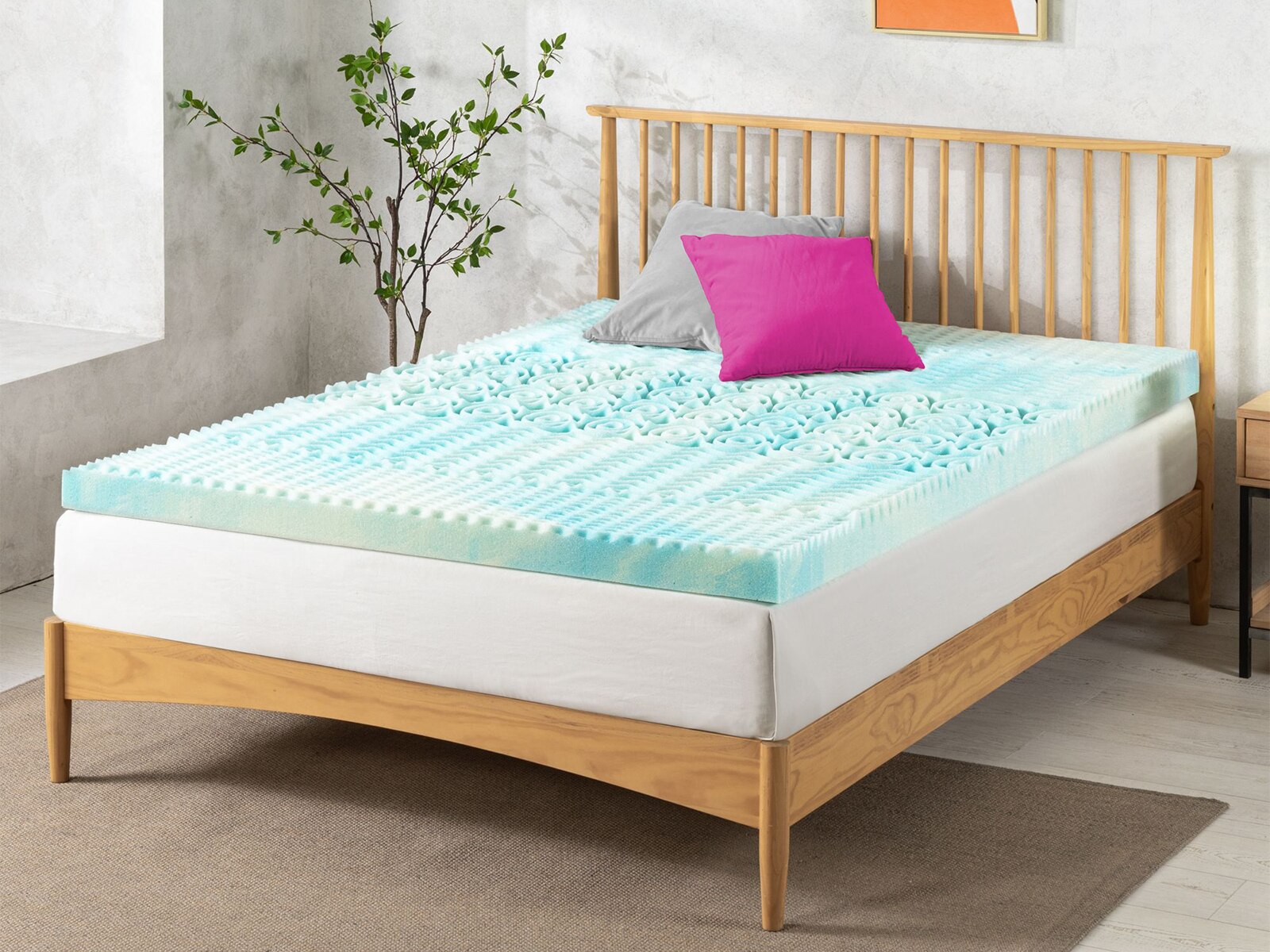
How to Soften a Firm Mattress provides additional context on changing surface comfort. A topper can add cushioning, but it does not create independently adjustable support or turn a conventional mattress into an air-controlled design. In a shared bedroom, an adjustable-firmness setup can make differing preferences easier to accommodate; in a guest room, it may offer flexibility for sleepers with varied comfort needs. The strongest match brings together a suitable adjustment range, comfortable materials, dependable support and controls that are easy for the intended sleeper to use.