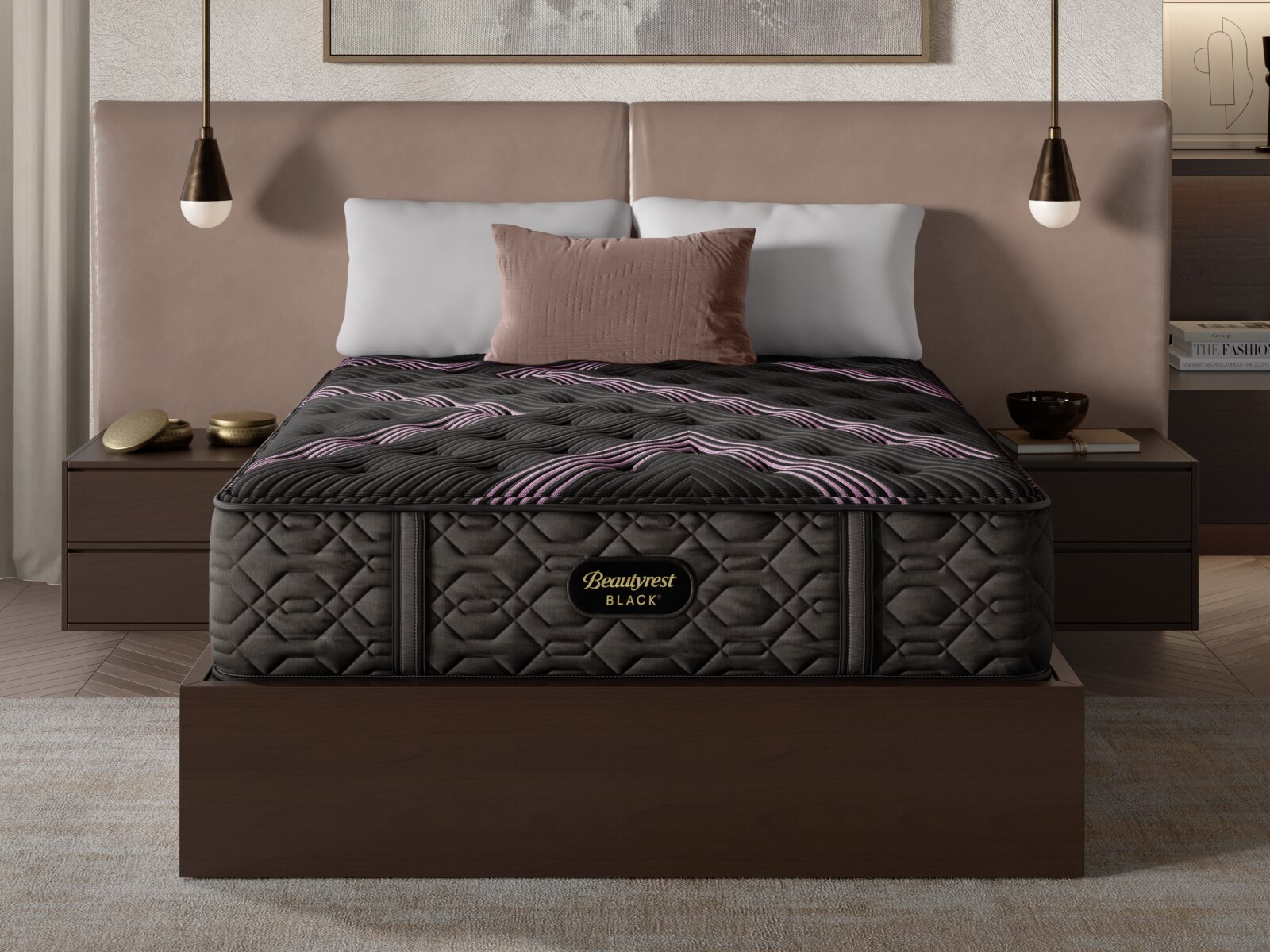
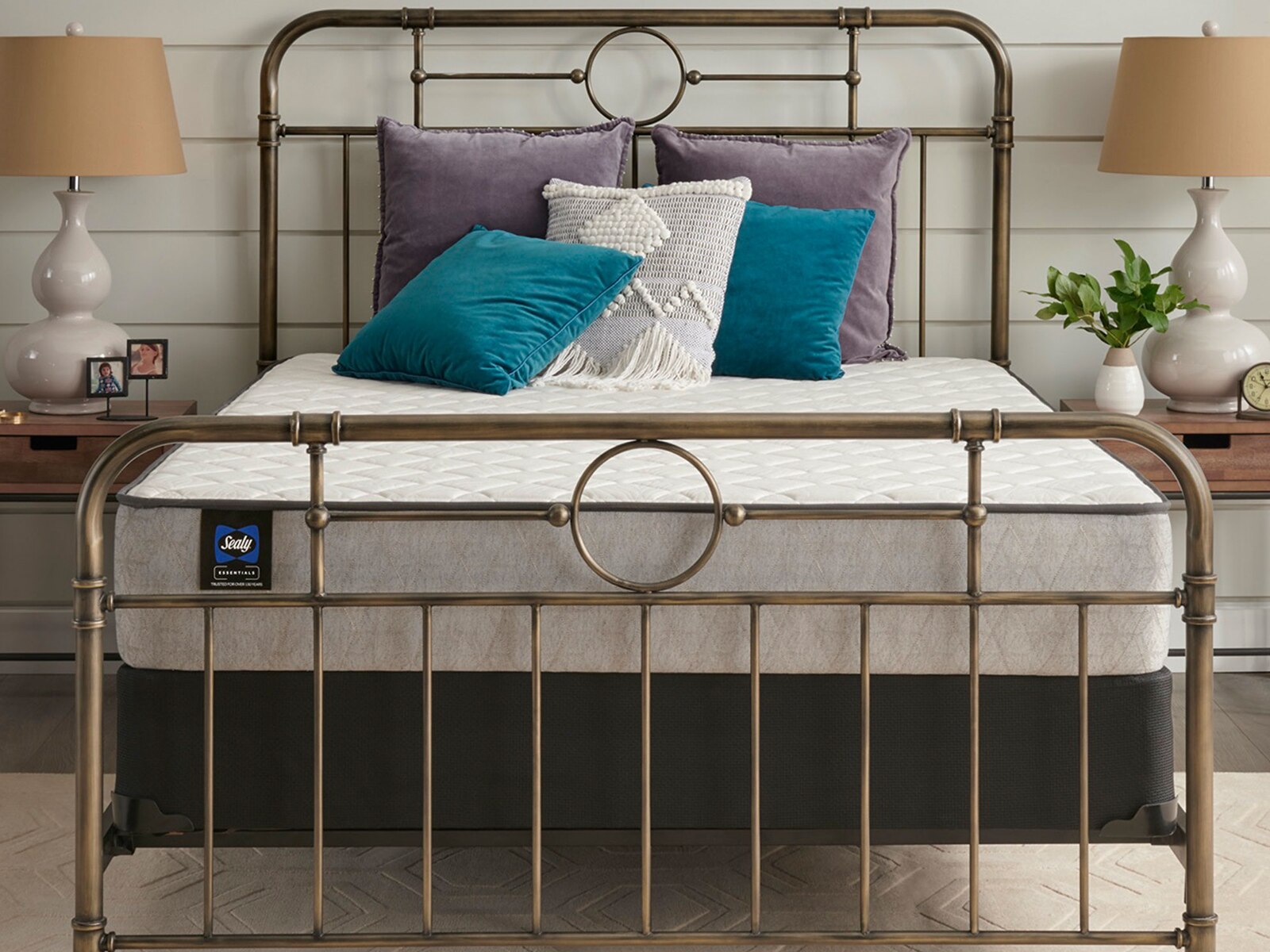
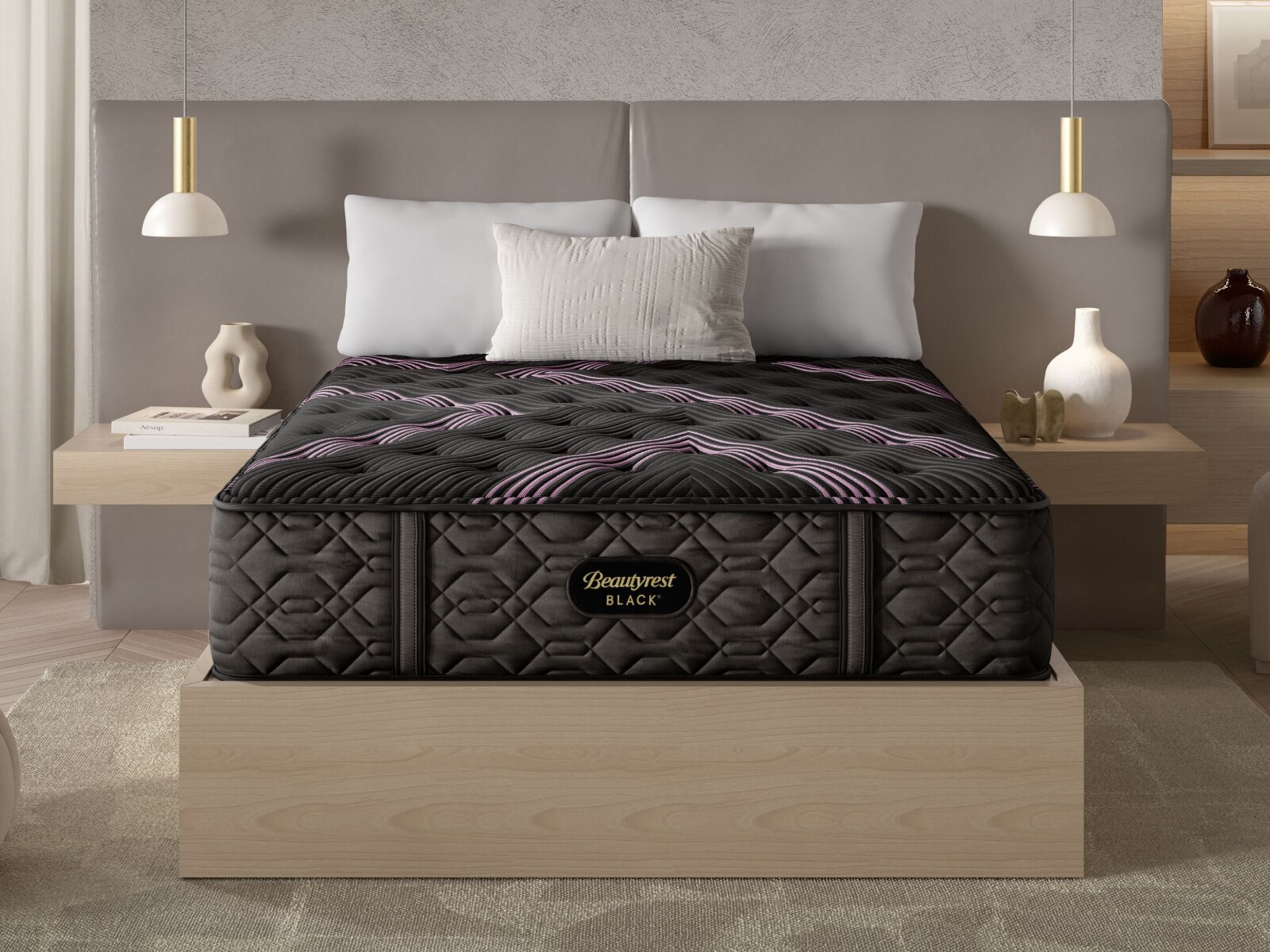
King mattresses with comfort grid technology combine a spacious sleep surface with a flexible, open-pattern comfort layer designed to cushion pressure points while responding to movement. In many constructions, the grid is made from an elastic polymer arranged in repeating cells that flex under weight and rebound as a sleeper changes position. That structure can allow more give beneath the shoulders and hips while offering resistance beneath other areas, although the exact sensation depends on the grid’s design and the layers below it. Open spaces within the grid also create pathways for air movement, making breathability an important feature of the construction. Beneath the grid, a mattress may use foam, individually wrapped coils or a combination of materials to provide its underlying support. A grid-and-coil hybrid may feel springier than a grid paired with a dense foam base, but the finished feel comes from the entire construction, not any single layer. Compared with the slow contouring associated with some memory foams, a flexible grid can have a more immediately responsive feel, with less of the sensation of settling into a deep impression. For someone who turns from side to back during the night, that responsiveness may make repositioning feel more natural. Side sleepers may appreciate cushioning around the shoulder and hip, while back sleepers may prefer a surface that accommodates the body’s curves without allowing the pelvis to sink too far. Stomach sleepers often need a firmer feel around the midsection, so a grid design should still be evaluated for overall support. Body weight and personal preference affect each of these impressions. The same mattress can feel quite different to two people sharing it, and grid technology does not automatically mean soft, firm or suitable for every sleeper. Its purpose is to offer a particular balance of flexibility, pressure relief and support within a complete mattress design.
A standard king mattress typically measures 76 inches wide by 80 inches long, giving couples room to spread out without moving to separate beds. That extra width can be especially welcome when one person sleeps curled on their side and the other prefers to stretch out, or when different schedules mean one partner gets into bed after the other. Motion isolation remains a separate consideration from size: a wider surface creates more personal space, but the grid, transition layers and support system determine how much movement travels across it. Individually wrapped coils can respond more independently than interconnected springs, while foam layers may help absorb movement. Edge support matters, too, particularly for someone who sleeps near the perimeter or sits on the side while getting dressed. A grid’s flexibility alone does not indicate how steady the edge will feel, so perimeter construction deserves attention. In the bedroom, the mattress footprint is only part of the fit. A frame or upholstered headboard can extend beyond those dimensions, and comfortable clearance around the bed helps keep nightstands, drawers and walking paths usable. A California King is typically 72 inches wide by 84 inches long, making it a different shape rather than simply a larger king. Mattress height also affects everyday comfort, from the reach needed to get into bed to whether existing fitted sheets have sufficiently deep pockets. A taller mattress on a high foundation may feel very different from the same mattress on a low platform. Comparing grid-based designs with
King Mattresses With Comfort Core offers another way to consider cushioning and support, with individual construction details providing the clearest basis for comparison. For shared bedrooms, the most useful combination is enough space for both sleepers, a surface that suits their preferences and a bed setup that fits the room without crowding everyday routines.
The feel and durability of a king mattress with comfort grid technology depend on how its materials work together over time. Grid composition, foam quality, coil construction and the strength of the surrounding edges all contribute, so the presence of a grid alone is not a measure of longevity. The foundation is equally important. A king mattress needs a compatible base with the support specified by its manufacturer, including appropriate slat spacing and center support where required. An adjustable base may be an option, but compatibility should be confirmed rather than assumed, especially with a thick or heavy mattress. Bedding can also change how clearly the grid’s flexibility comes through. A fitted sheet with enough depth and stretch can follow the surface as it compresses, while an overly tight sheet or a thick, rigid pad may make the mattress feel less responsive. A flexible, breathable mattress protector can help guard against everyday spills and perspiration without adding substantial cushioning. Care should follow the mattress label: a zippered cover is not necessarily removable or machine washable, and saturating the surface during cleaning can leave moisture trapped inside. When spot cleaning is permitted, gentle blotting with the recommended cleaner and thorough air drying are generally more appropriate than vigorous scrubbing. Rotation may help distribute regular use if the manufacturer recommends it, but a layered mattress should not be flipped unless it is specifically designed for use on both sides. Using the handles only as directed and arranging enough help to move a king mattress can also protect its construction during a bedroom rearrangement. For couples furnishing a primary bedroom, taller sleepers who need full-length space or anyone replacing a narrower bed, grid technology offers a distinctive comfort option without changing these practical ownership needs. The strongest match brings together a responsive surface, suitable underlying support and manageable everyday care, allowing the generous king-size footprint to serve both individual comfort and shared sleep.