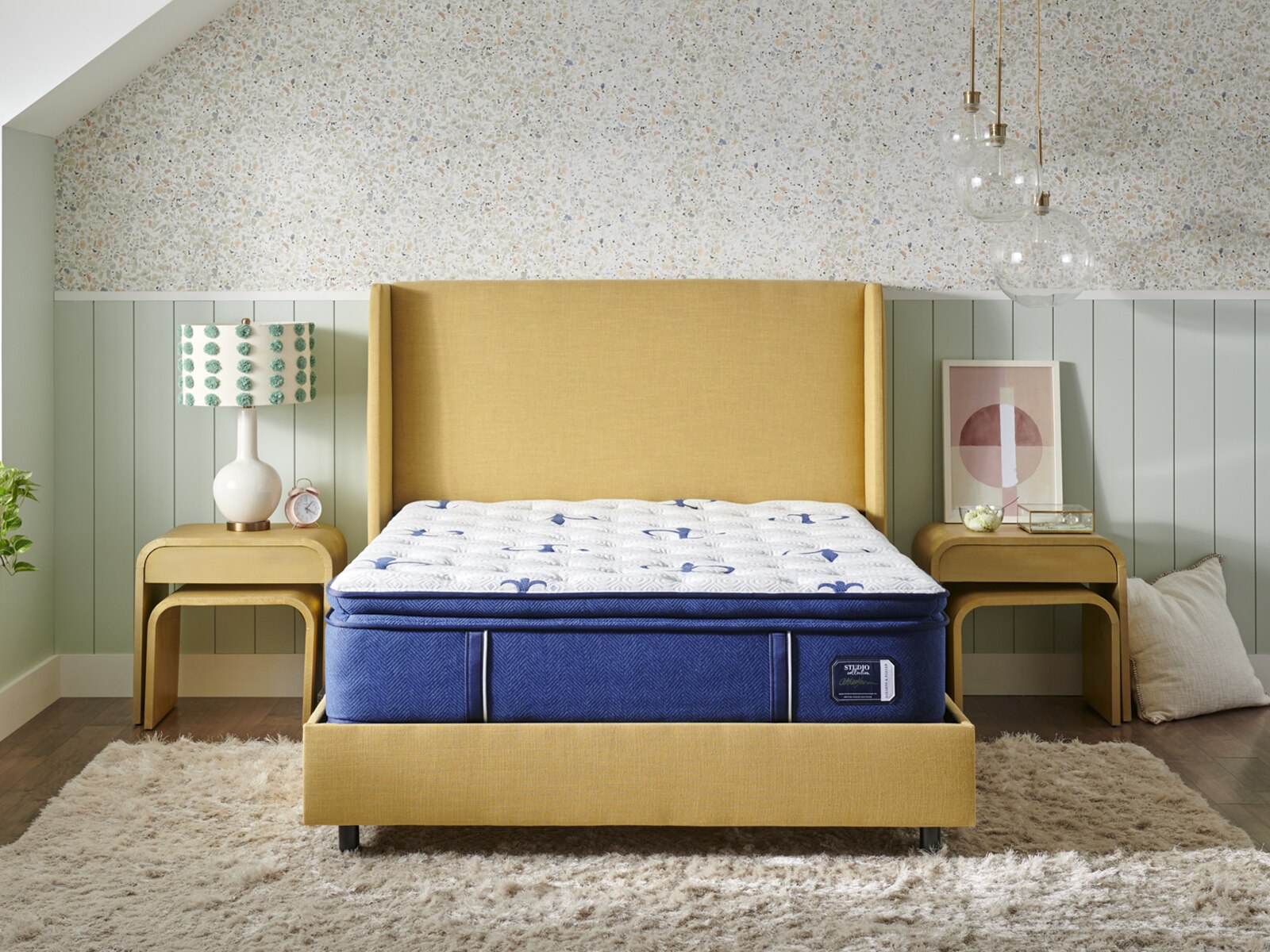
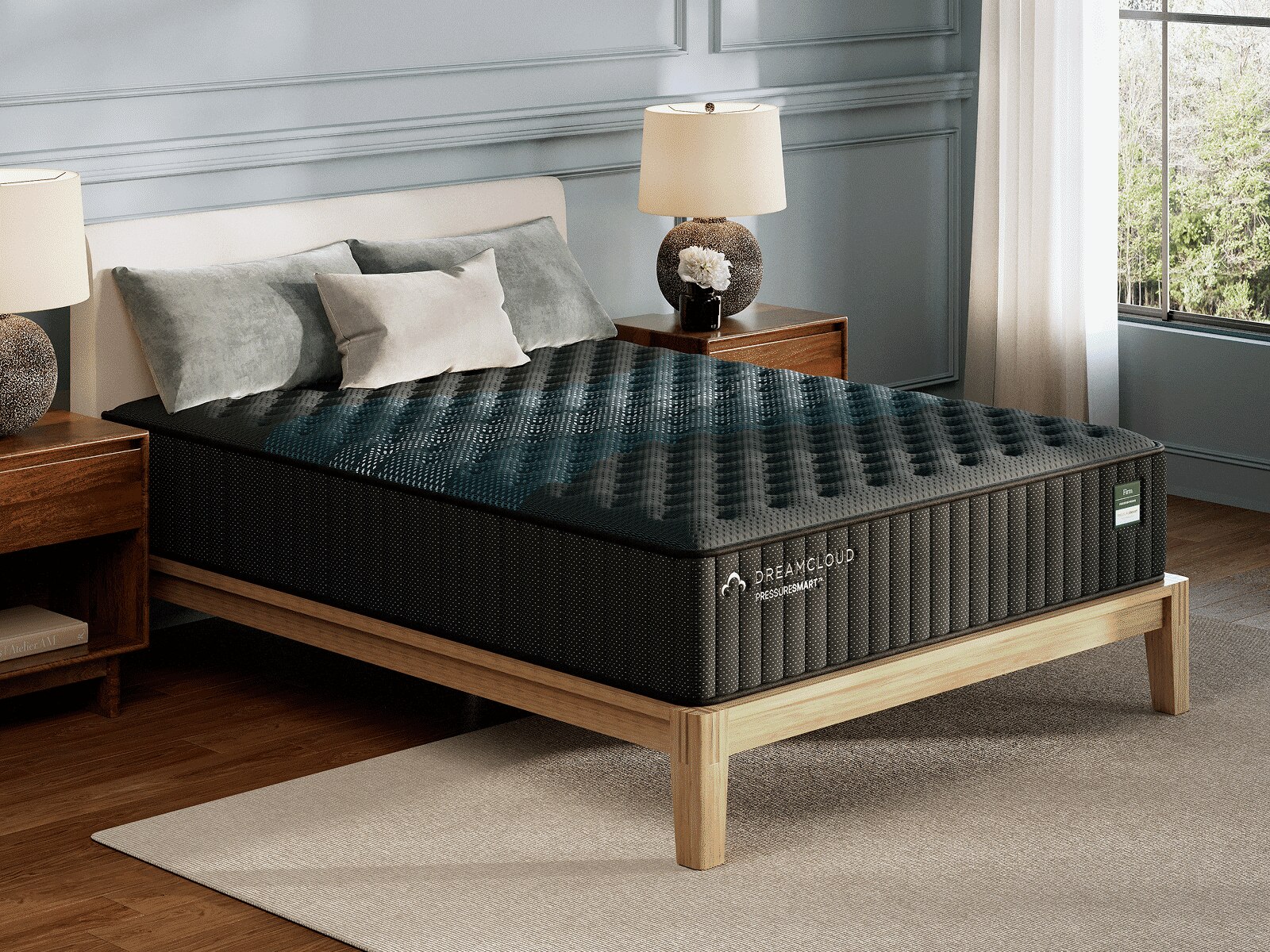
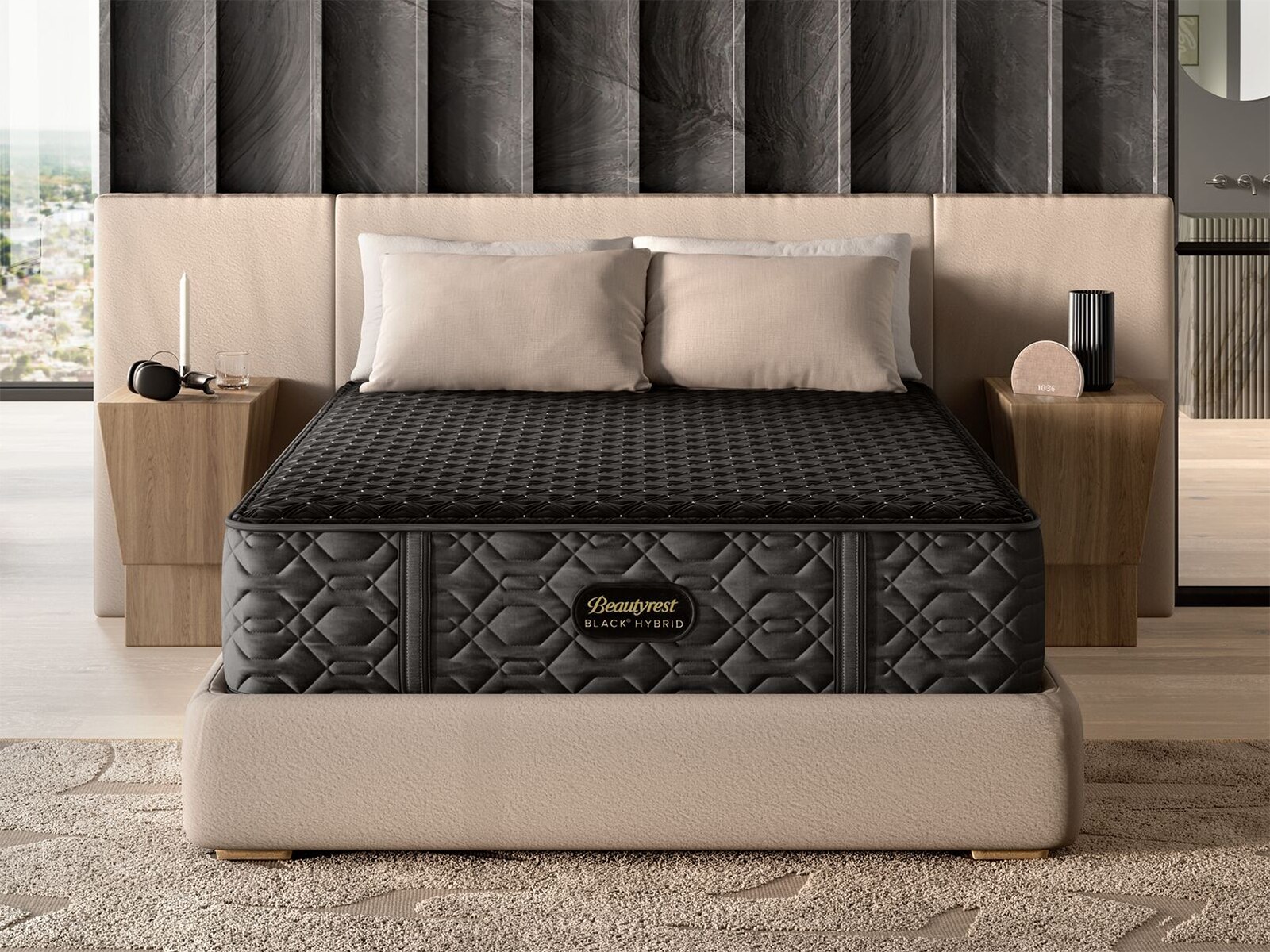
Mattresses with traditional support use a core of steel coils or springs to bear body weight, distribute pressure and provide a stable base beneath the comfort layers. That spring system creates the responsive feel often associated with a classic innerspring mattress: the surface gives under pressure, then rebounds as a sleeper changes position. Traditional support does not necessarily mean a hard sleep surface. The coils provide underlying structure, while the padding above them determines much of the initial softness, contouring and cushioning. A mattress can have a plush top and still offer substantial support underneath, just as a firm surface can have a thin layer of cushioning that softens contact at the shoulders and hips. Coil construction also makes a difference. Interconnected springs work together across the mattress and can produce a buoyant, unified feel, although movement may travel more noticeably from one side to the other. Individually wrapped coils can compress more independently, allowing the surface to respond to different areas of the body and helping limit some movement transfer. Mattresses that combine a substantial foam or latex comfort system with a coil core are often described as hybrids, so a familiar spring-supported feel can appear in more than one construction style. Above the springs, materials such as polyurethane foam, memory foam, latex, fiber padding and quilted fabric create different levels of surface cushioning. Memory foam tends to contour more slowly, while latex generally responds more quickly; the thickness and arrangement of these materials influence how pronounced those characteristics feel. For someone who prefers to turn over without a deep, enveloping sensation, a responsive coil mattress with modest cushioning may feel comfortable and familiar. Someone who likes that same resilient foundation but wants more padding beneath the hips or shoulders may prefer thicker comfort layers. The useful distinction is between support and softness: support comes largely from how the mattress carries the body, while softness describes the feel at the surface.
The right fit depends on how that construction interacts with sleeping position, body weight and the space where the mattress will be used. Side sleepers often benefit from enough cushioning for the shoulder and hip to settle without feeling pressed against the surface, paired with a core that keeps the waist and torso supported. Back sleepers may prefer a balanced feel that allows the hips to settle slightly while supporting the lower back. Stomach sleepers often need a flatter, less yielding surface around the midsection, though individual comfort varies. Body weight changes these impressions: the same mattress may feel firmer to a lighter sleeper and softer to someone who places more pressure on the comfort layers and coils. A mattress described as firm is therefore not automatically more supportive for every person. When comparing traditional spring mattresses, spending time in a usual sleep position can reveal more than a quick sit on the edge. Notice whether the shoulders feel crowded, whether the hips sink noticeably below the torso and whether rolling from back to side takes effort. For two people sharing a bed, motion isolation and usable space deserve equal attention. One partner getting up early may appreciate a surface that limits movement across the mattress, while both may value a reinforced perimeter that feels steadier when sitting down to put on socks. Edge reinforcement varies by design and does not make the perimeter a substitute for a chair. Size matters beyond the sleeping surface, too. A twin can suit a compact bedroom, while a Twin XL adds length without the width of a larger mattress. A queen or king gives shared sleepers more room, and a California King provides extra length with a different width than a standard king. Mattress height, sheet pocket depth, doorway clearance and the height of the completed bed all affect everyday fit. In a guest room, a balanced surface with moderate cushioning can accommodate varied preferences without leaning toward an especially hard or deeply contouring feel.
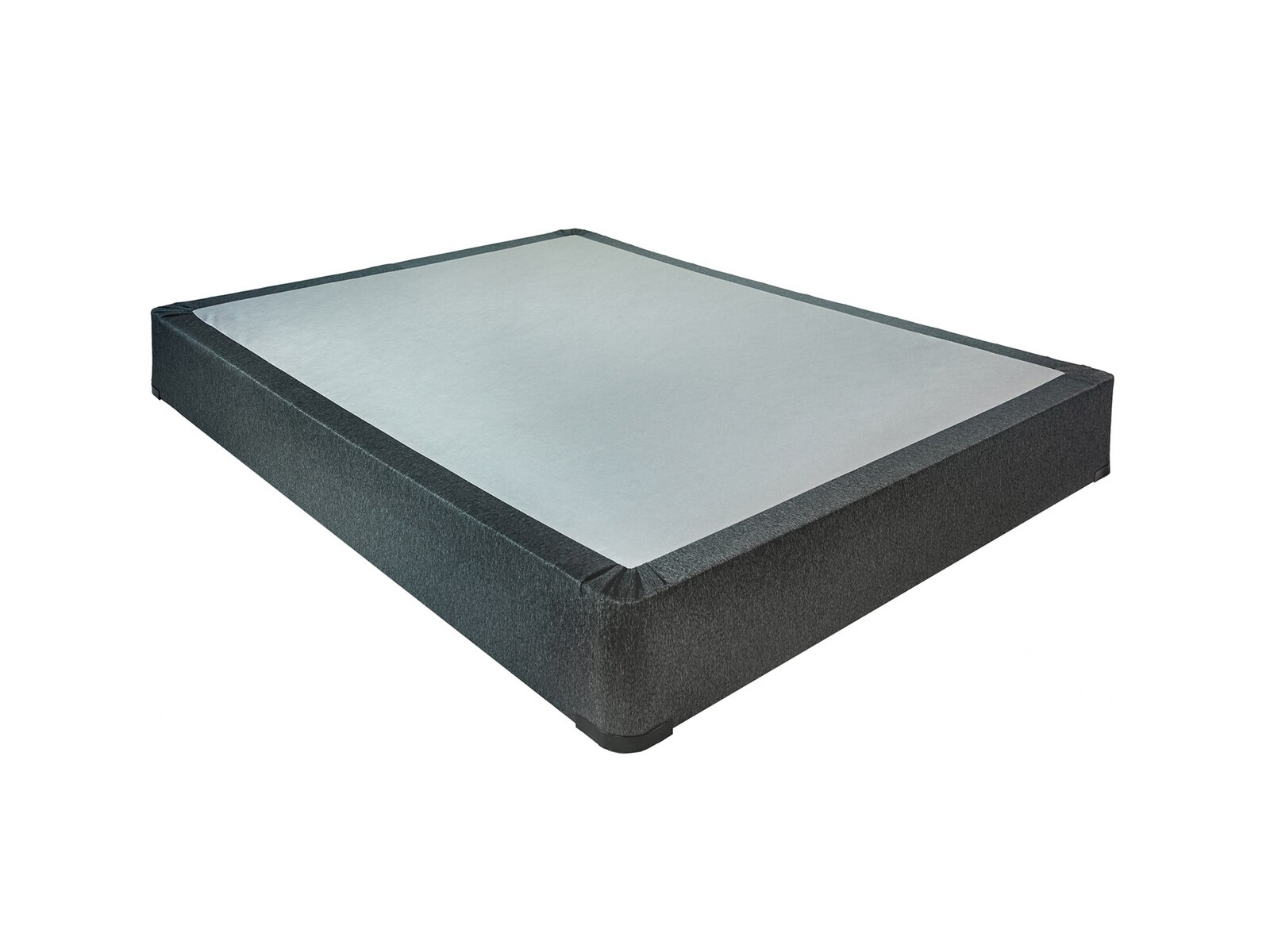
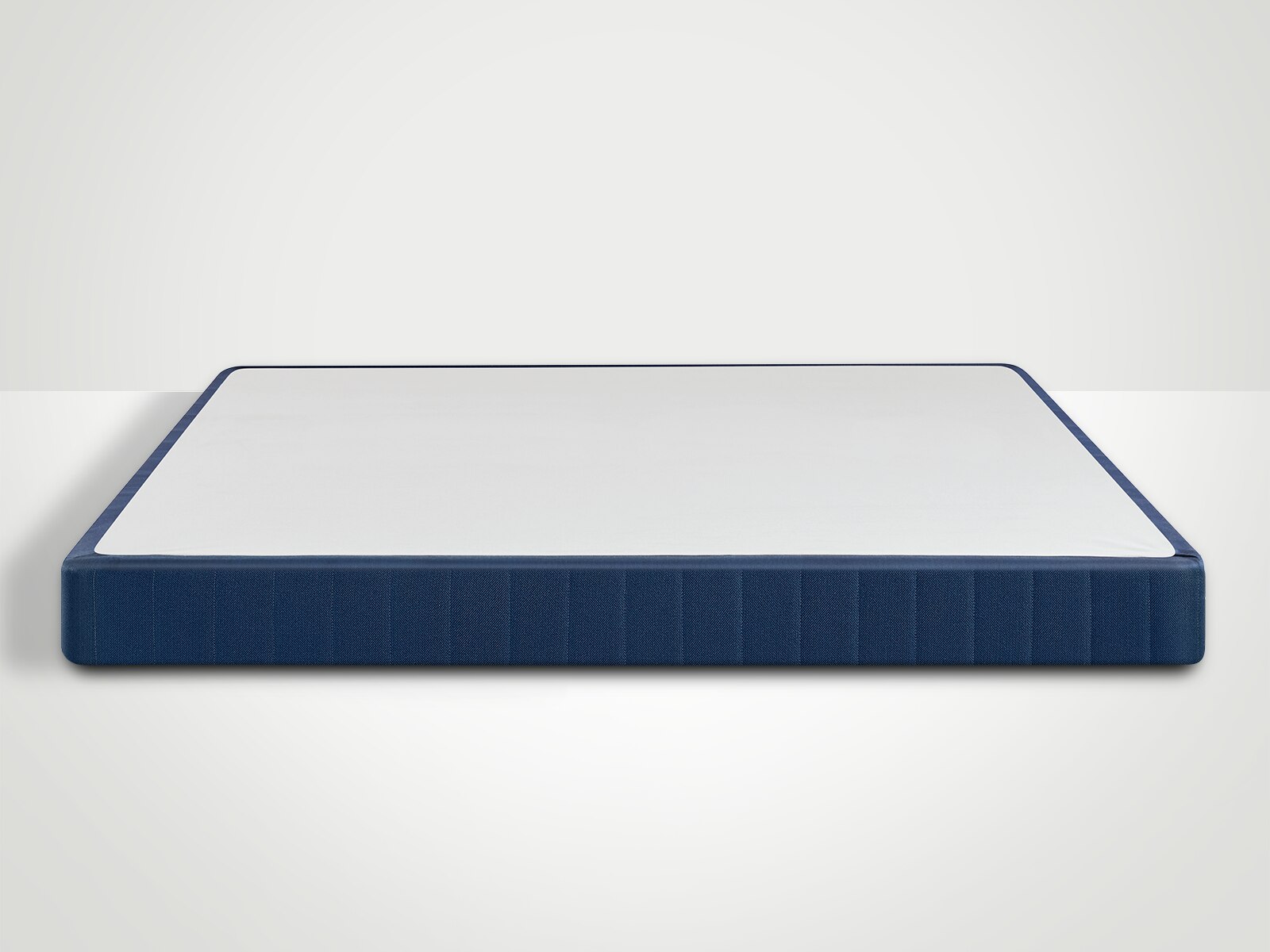
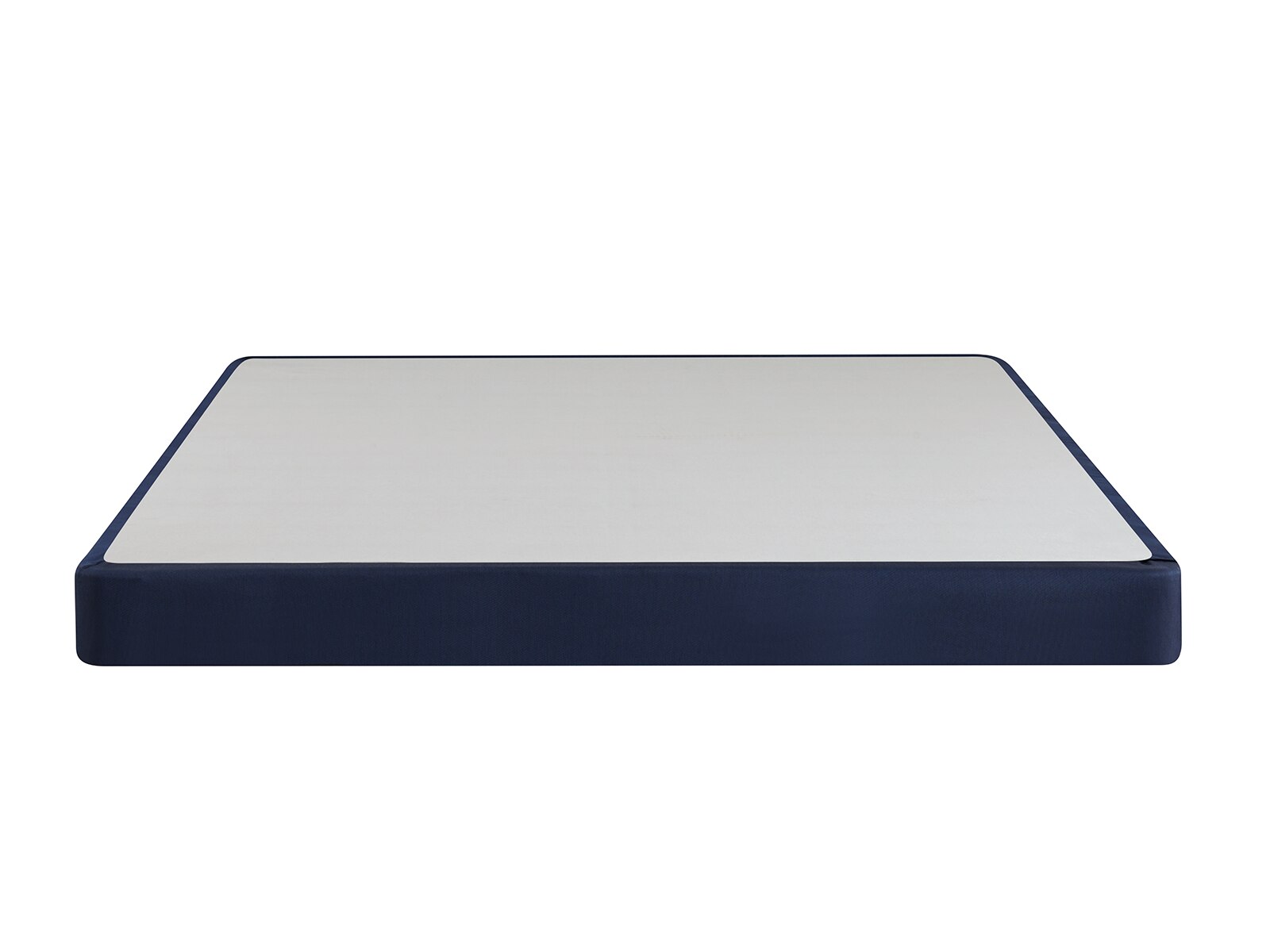
A traditional support mattress also needs a suitable foundation to perform as intended. Depending on its construction, that may mean a compatible box spring, a rigid platform or a properly spaced slatted base with adequate center support. These foundations are not interchangeable for every mattress, and an older base that sags or flexes unevenly can affect how a new sleep surface feels. Compatibility with an adjustable base should be confirmed rather than assumed, because some spring systems are designed to bend with the base and others are not. Everyday care helps protect both the comfort layers and the underlying structure. A washable mattress protector can reduce exposure to spills, perspiration and routine soil, while regular cleaning of bedding keeps debris from collecting against the cover. Follow the mattress care instructions for spot cleaning, using only recommended methods and allowing damp areas to dry fully before replacing bedding. Many modern mattresses are designed for use on one side only, so rotation and flipping are separate considerations; rotate only as directed and do not flip a mattress unless its construction allows it. Durability depends on the complete design, including coil quality, upholstery materials, reinforcement, sleeper weight and the foundation beneath it. Coil count alone does not establish quality, and thicker padding is not automatically longer lasting. Some surface settling can occur as cushioning adapts to use, but a persistent sag, broken component or noticeable loss of comfort deserves attention. Exploring
Mattress Support Beds can provide additional context for the range of constructions built around underlying stability. For a primary bedroom, a guest space or a growing teenager’s room, the lasting appeal of traditional support is its combination of a resilient foundation and a choice of comfort feels. The most suitable match brings those elements together with the right dimensions, compatible support underneath and cushioning that feels comfortable in the positions used most often.