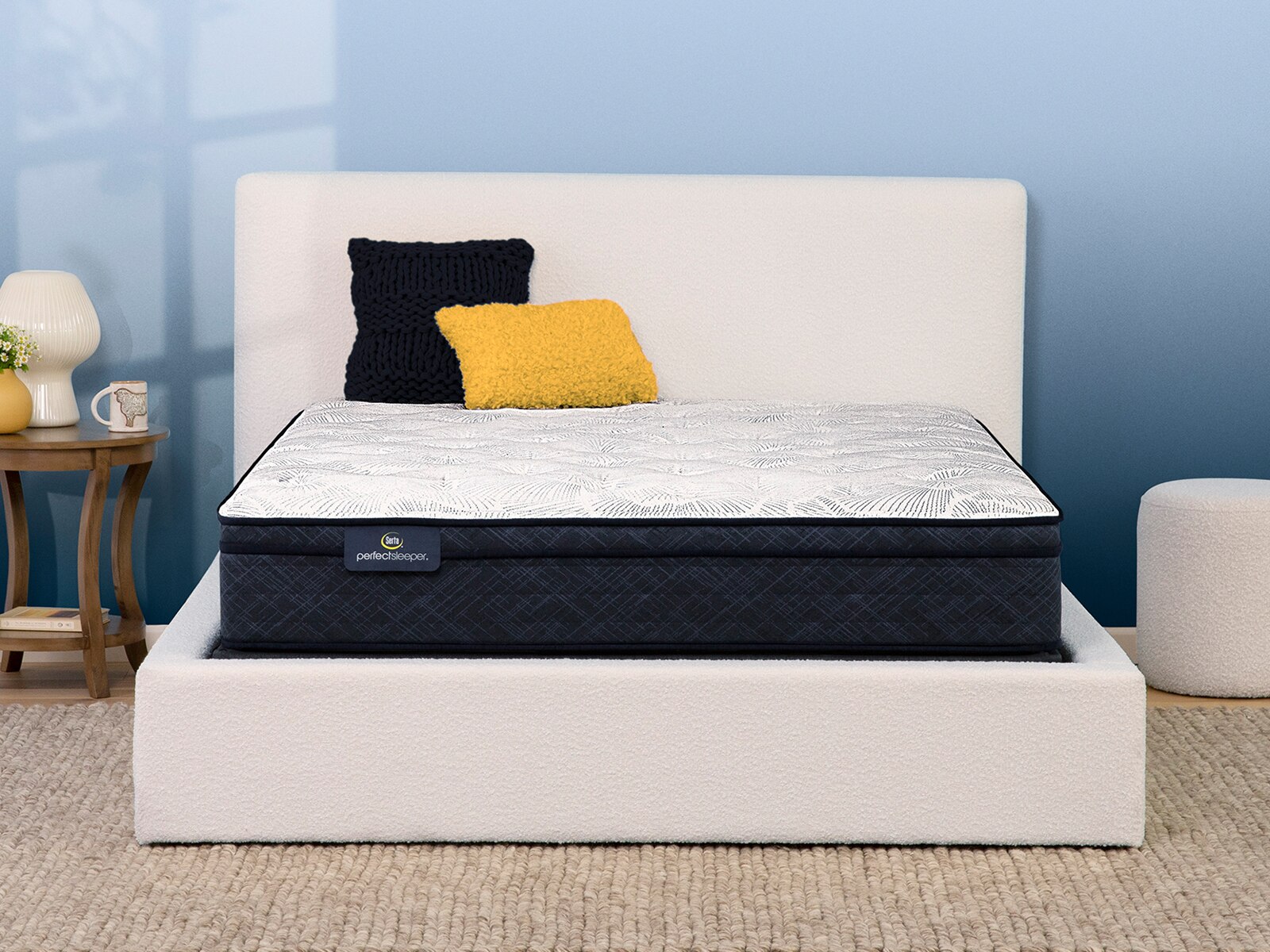
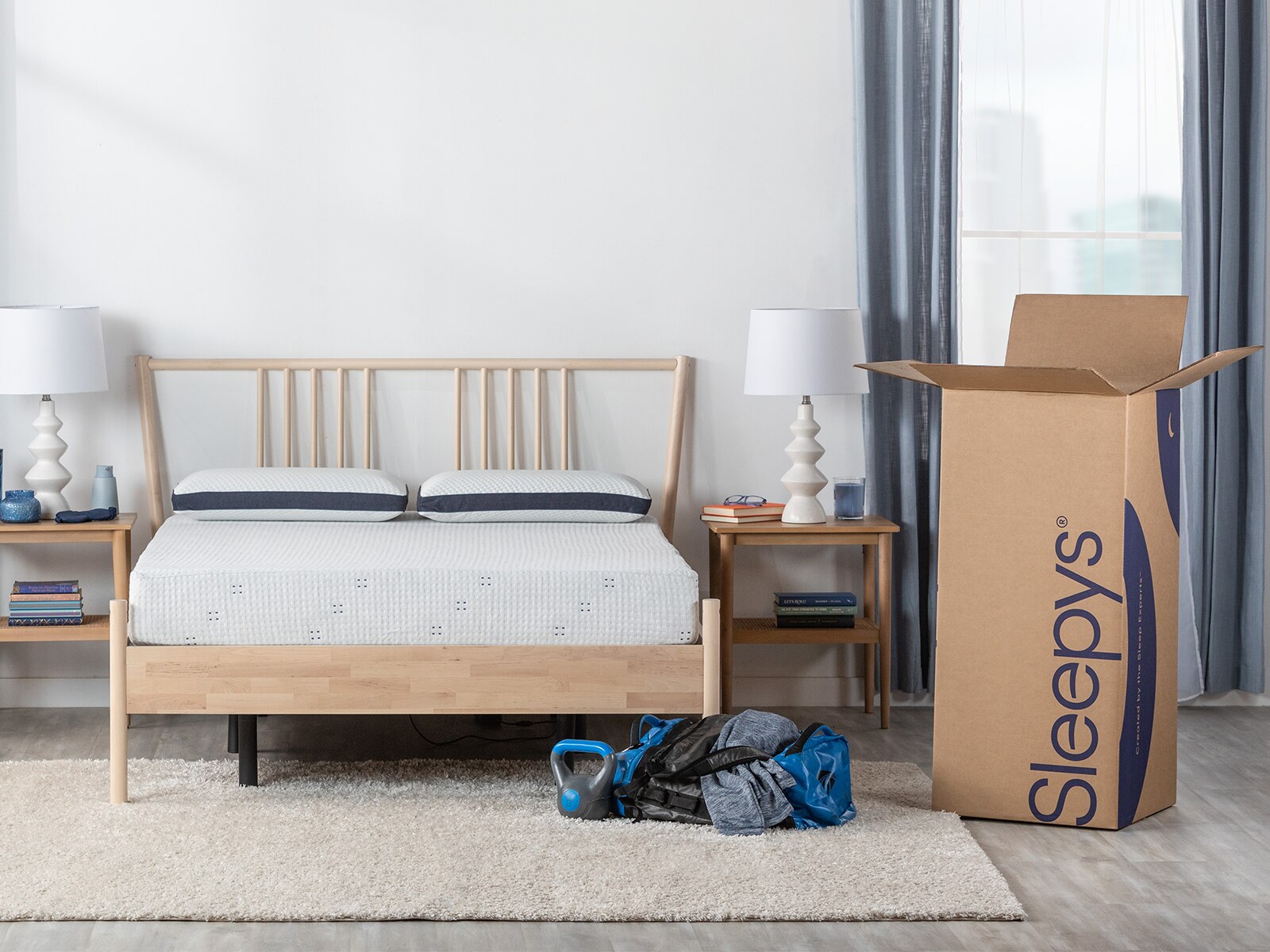
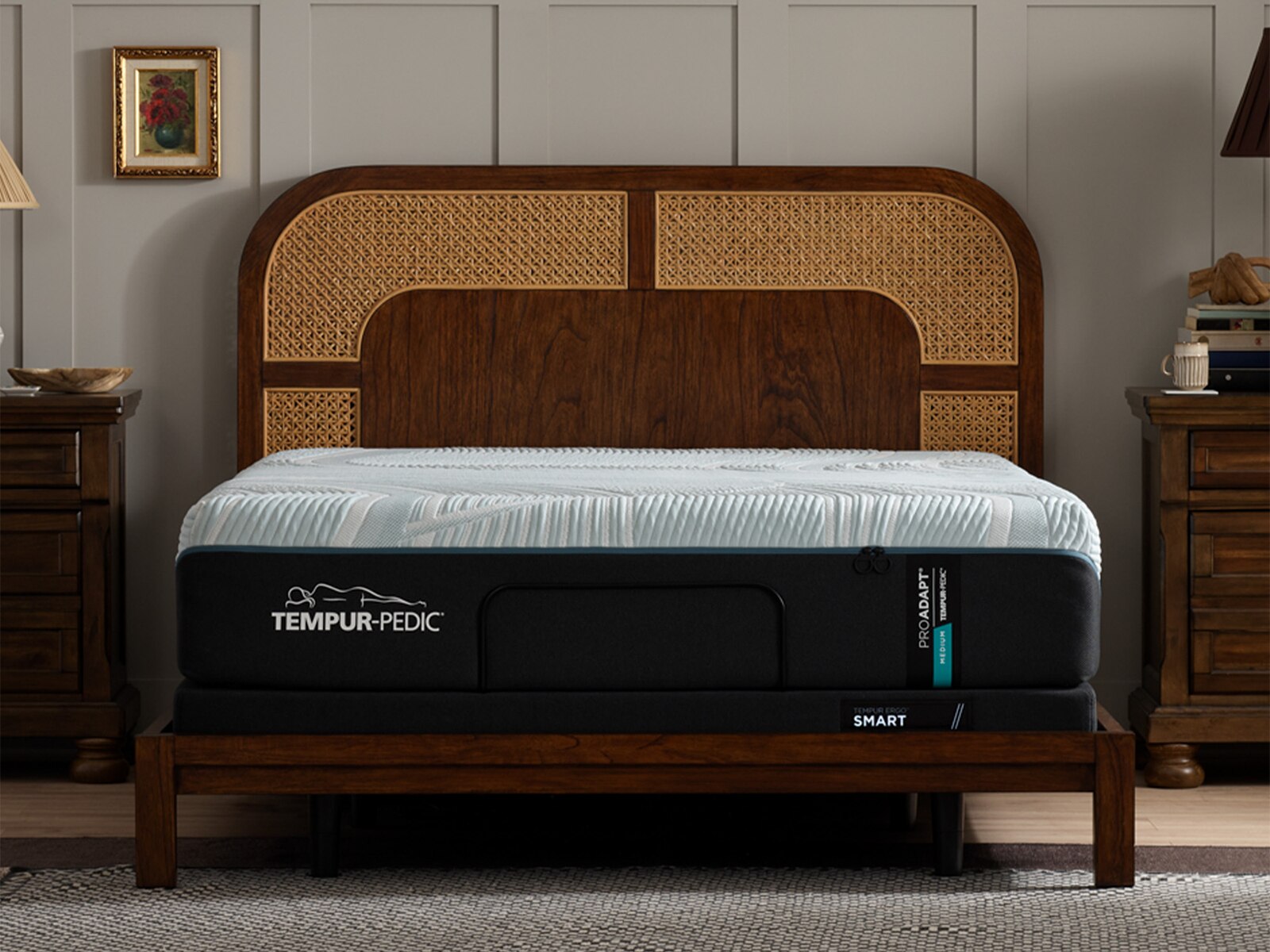
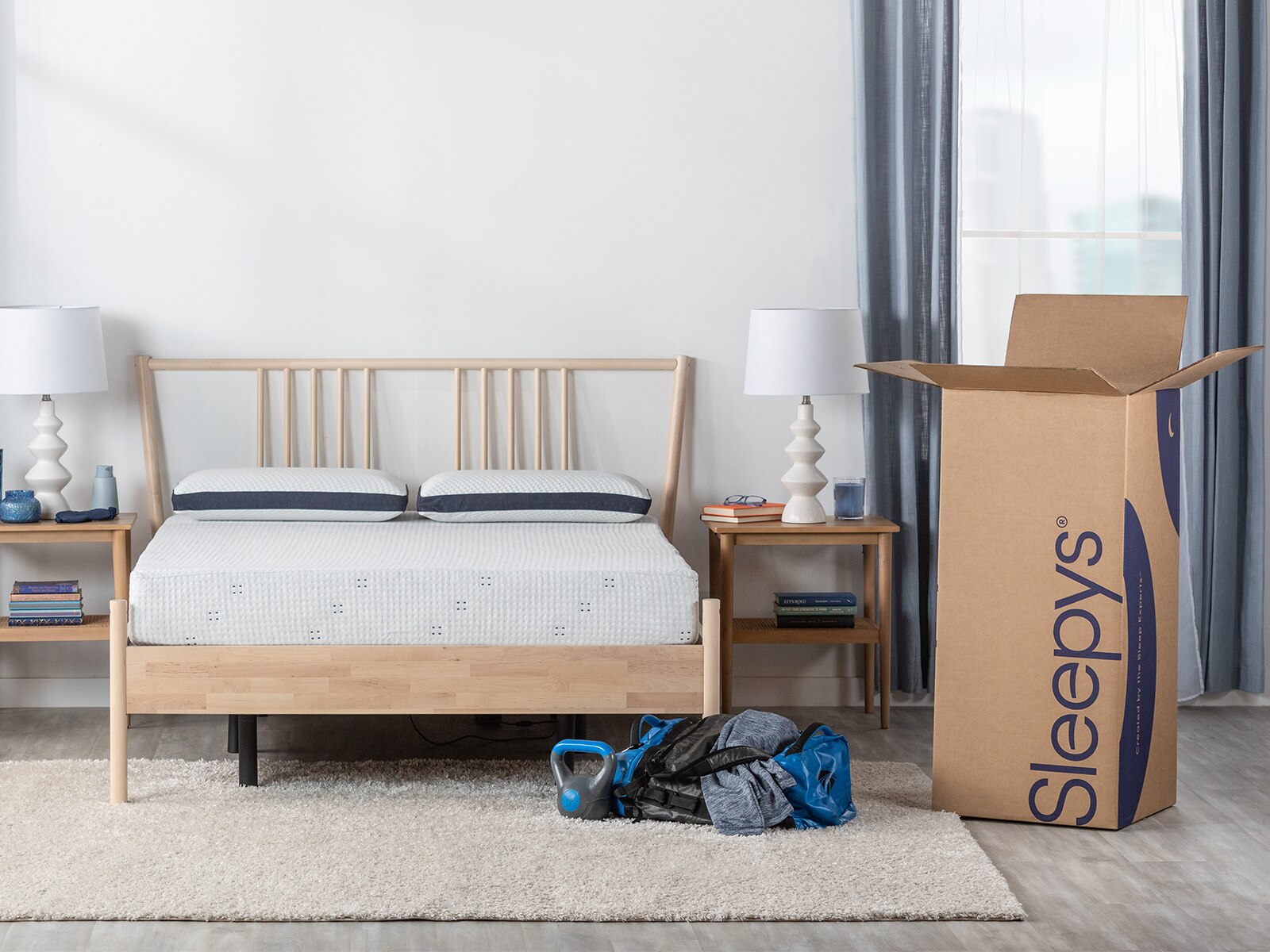
Motion isolation solutions help reduce the movement that travels across a mattress when someone rolls over, changes position or gets into bed. For people who share a sleep surface, that can mean less noticeable disturbance from a partner’s movements and a more settled place to rest. Motion isolation is different from overall mattress support: support helps keep the body comfortably aligned, while motion isolation limits how much movement reaches another part of the bed. Memory foam is often a strong choice because it compresses around the area receiving pressure, absorbing movement rather than sending a pronounced bounce across the surface. Its slower response can be especially helpful when one person turns frequently or gets up before the other. Mattresses with individually wrapped coils can also reduce motion transfer because each spring compresses more independently than springs connected by a shared wire system. The surrounding comfort layers matter, too, since they influence how much movement reaches the coils and how the surface responds afterward. Hybrid mattresses combine a coil support system with layers of foam or other cushioning materials, offering a balance of support, contouring and movement control. A hybrid with substantial memory foam comfort layers may feel more still than one designed for a buoyant, springy response, although performance depends on the complete construction. Latex generally responds more quickly than memory foam and often has a more resilient feel, so its motion isolation varies with the thickness of the layers and the support system beneath them. Traditional interconnected innerspring designs tend to allow more movement to travel across the bed, but cushioning and construction can change that experience. No material label alone guarantees an undisturbed night. The useful distinction is how the whole mattress responds to familiar movements, from a small shift of the shoulders to a partner settling onto the edge.
The best fit combines movement control with the comfort and support each sleeper needs. A mattress that absorbs motion well still needs to accommodate sleeping position, body size and personal preferences. Side sleepers often appreciate cushioning around the shoulders and hips, while back and stomach sleepers may need a surface that limits excessive sinking through the middle. A soft feel does not automatically mean better motion isolation, and a firm feel does not automatically mean more movement transfer; firmness describes the surface sensation, not the entire way a mattress handles motion. For partners with different preferences, a balanced feel can help both stay comfortable without making movement control the only priority. Bed size also changes the shared sleeping experience. A queen or king mattress gives two people more room to change position without direct contact, though extra space alone cannot stop movement from traveling through the mattress. A split king setup uses two Twin XL mattresses side by side, creating separate sleep surfaces that can accommodate different firmness preferences and reduce direct motion transfer between mattresses. Shared bedding, adjoining bed frames and the foundation can still transmit some movement, so the setup remains important. A stable frame and a compatible foundation help the mattress perform as intended, while loose connections or inadequate support can introduce shaking that even a motion-isolating surface cannot fully address. Slat spacing, center support and foundation requirements should match the mattress manufacturer’s specifications. Mattress toppers can add cushioning and may soften the sensation of smaller movements, particularly when made with memory foam. They generally cannot correct substantial motion transfer from a highly responsive mattress or repair worn support underneath. Thin pads and protectors serve other purposes, such as protecting the surface or adjusting its feel, and should not be expected to provide the same movement control as a mattress designed for that purpose. A well-matched sleep setup addresses the surface, the support underneath and the way both people use the bed.
Motion isolation can be especially meaningful in everyday situations that do not look dramatic but happen repeatedly: a partner reaching for a phone before an early shift, someone turning from their back onto their side or a pet hopping onto the foot of the bed. Light sleepers may notice these movements more readily, while people with different schedules may appreciate a surface that makes arrivals and departures less disruptive. Movement control does not block sound, prevent blanket pulling or guarantee uninterrupted sleep, but it can address one common source of disturbance in a shared bed. Durability matters because the feel of a mattress can change as its materials wear. Foam density, layer construction, coil quality and appropriate foundation support all contribute to performance over time, although no single specification tells the whole story. Persistent impressions, uneven support or a noticeable change in how the bed responds may signal that the sleeping surface is no longer performing as expected. Care should follow the manufacturer’s directions: some mattresses benefit from periodic rotation, while many layered designs are not intended to be flipped. A properly fitted protector can help limit exposure to spills and everyday moisture without changing the mattress’s intended feel substantially. Cleaning methods should be suitable for the cover and materials, and foam should not be saturated unless the manufacturer specifically permits it. For someone furnishing a shared bedroom or settling into a new home, sleep-focused gifts can be thoughtful when they reflect the recipient’s preferences rather than assumptions about what feels comfortable. The ideas collected under
Motion Isolation Gifts connect that occasion with the practical goal of a less disruptive sleep space. For a mattress gift, knowing the required size, preferred feel and existing bed setup matters more than keeping every detail a surprise. Whether the goal is fewer disturbances from a restless partner or a steadier surface for two different schedules, effective motion isolation belongs alongside comfortable support, a secure foundation and materials suited to everyday use.