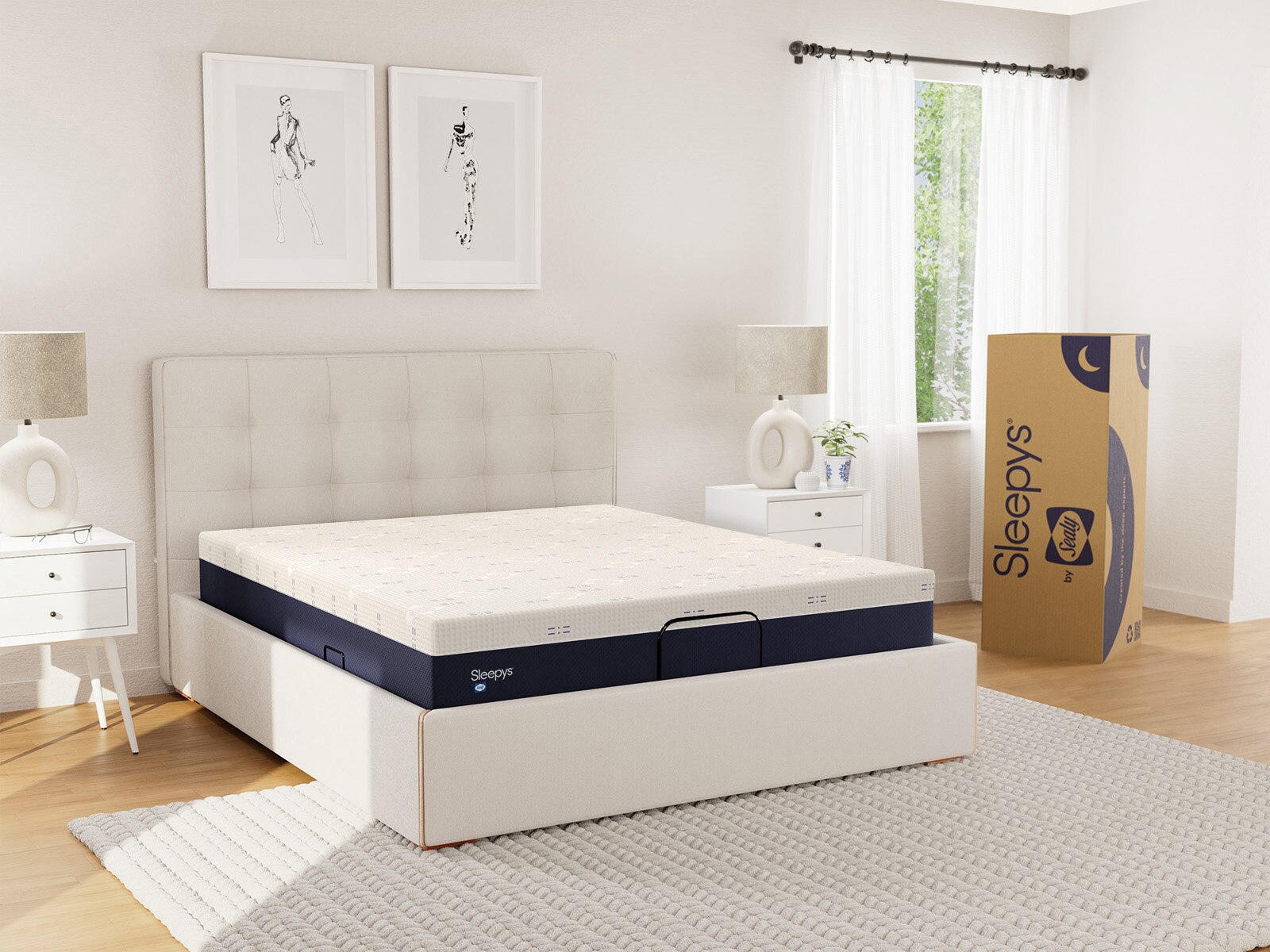
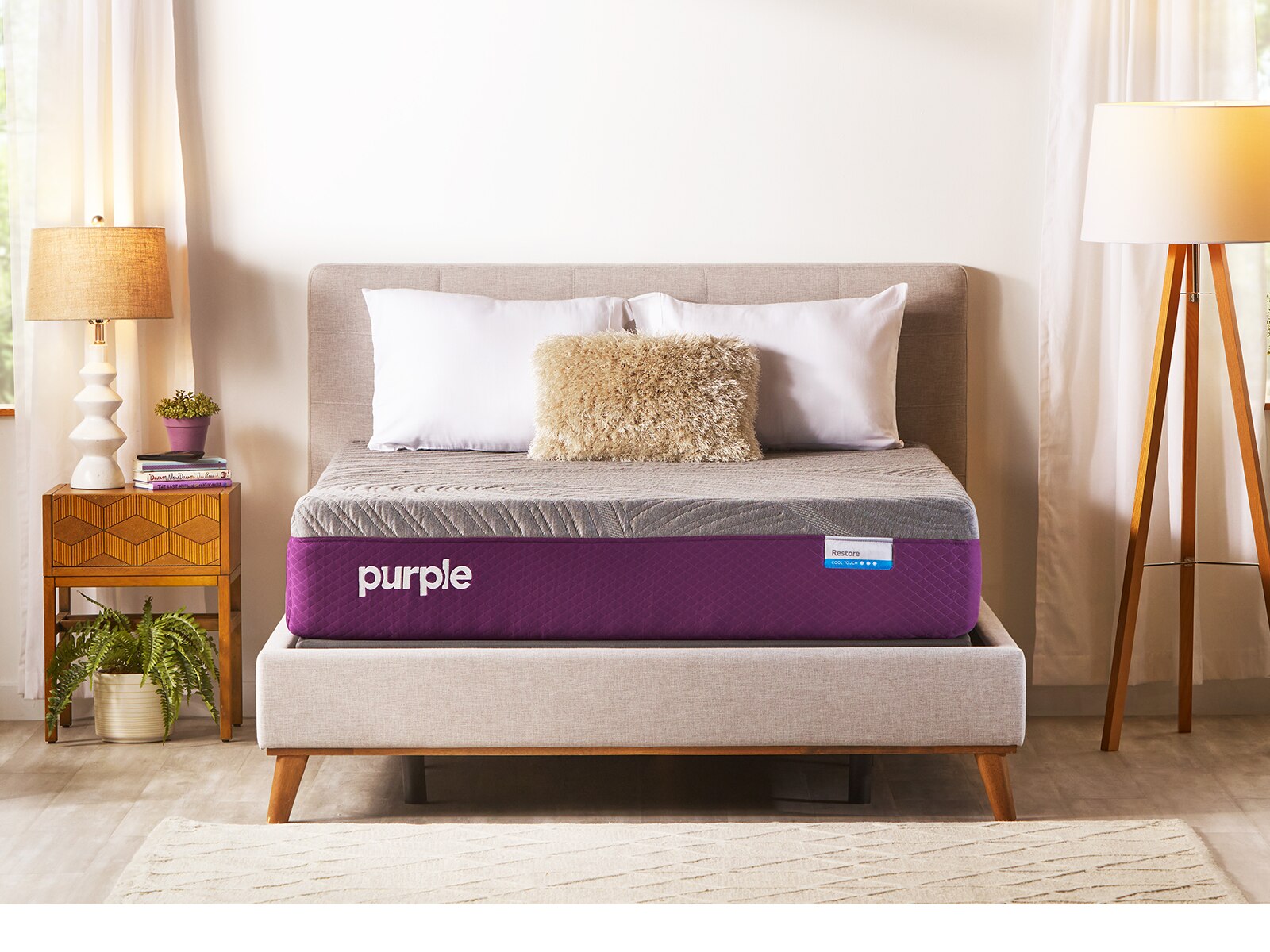
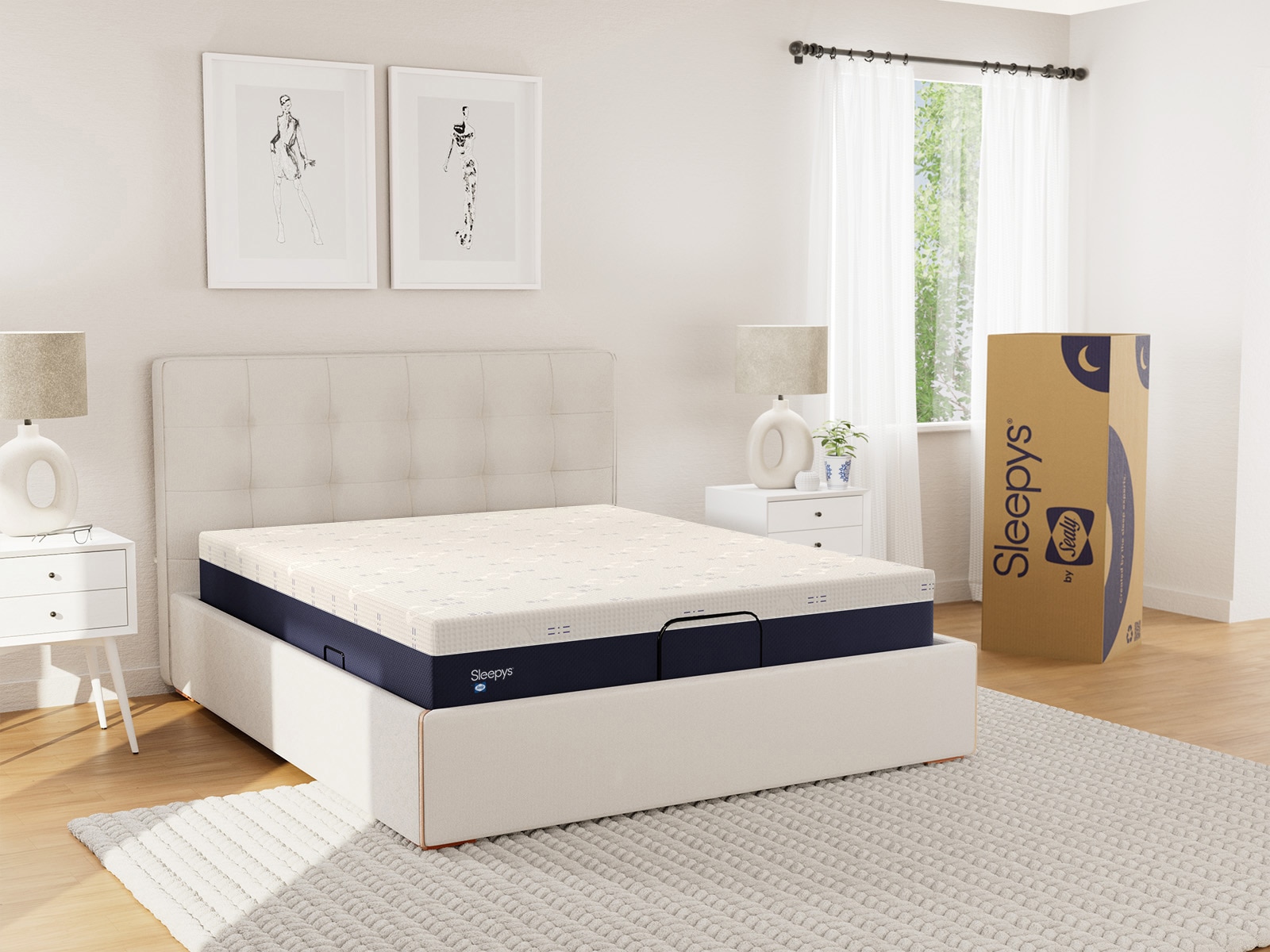
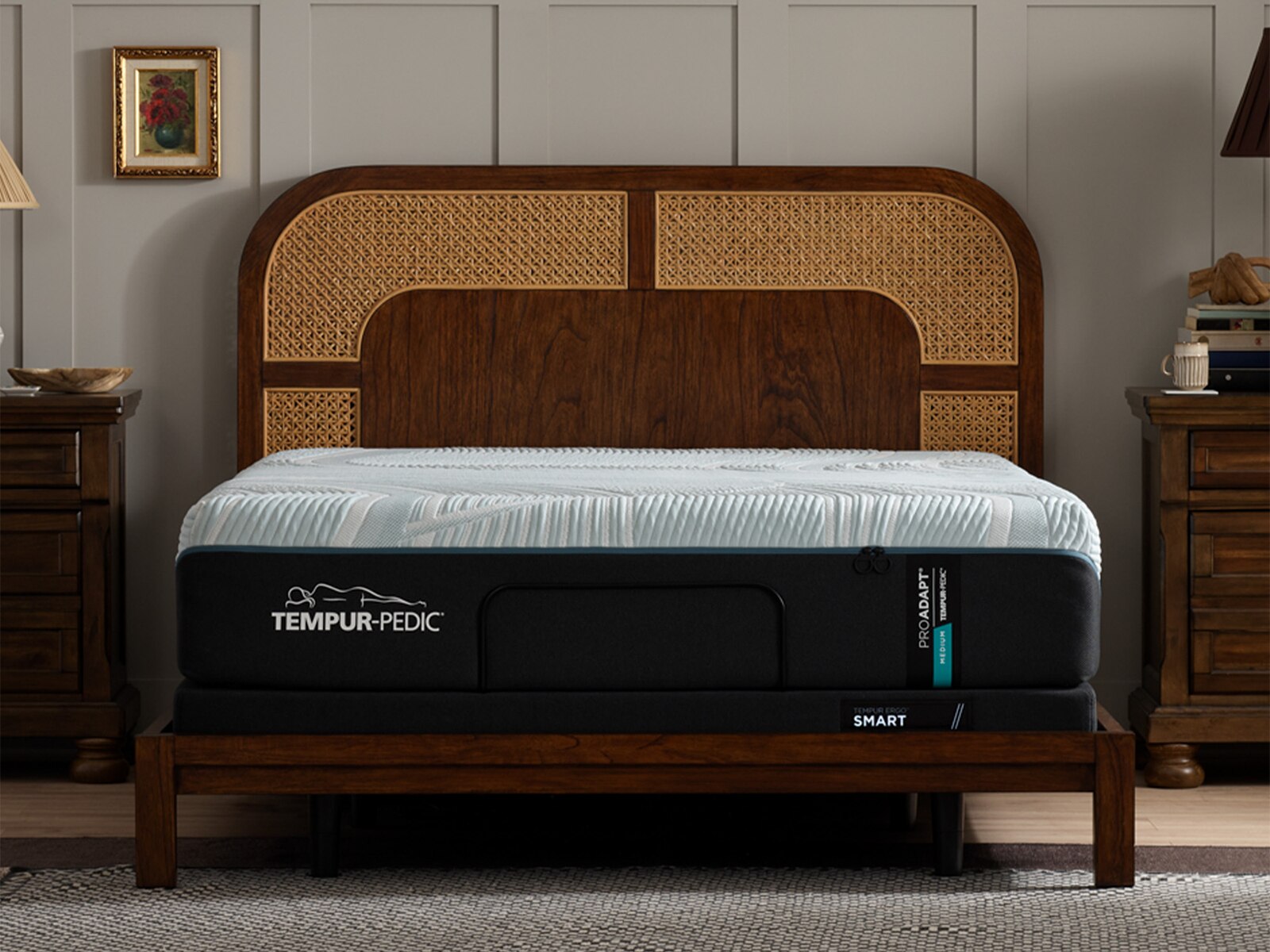
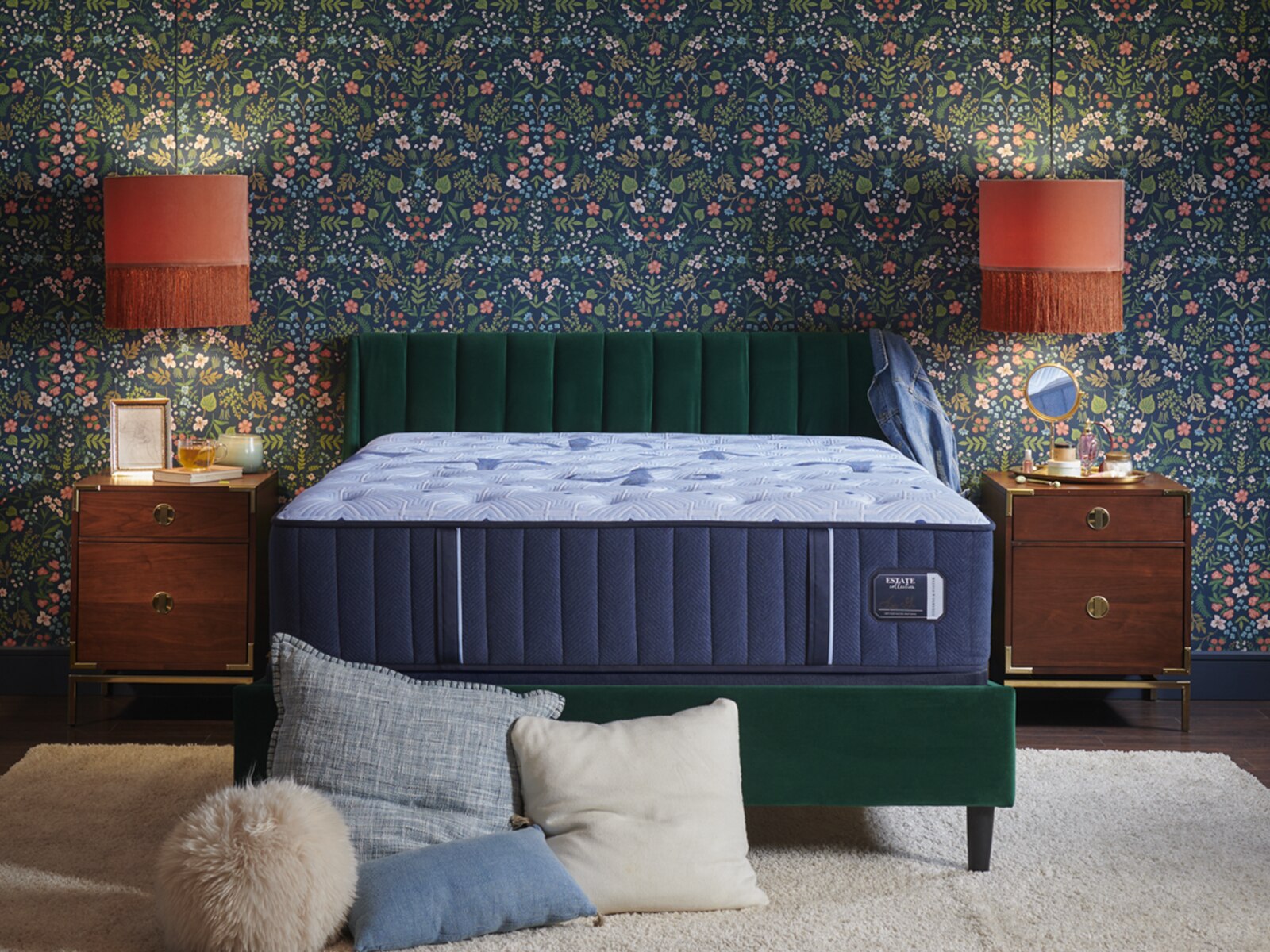
Motion separation memory foam mattresses are designed to absorb movement near its source, helping reduce how much motion travels from one side of the bed to the other. Also called motion isolation, this quality can make a shared sleep surface feel more settled when a partner rolls over, changes position or gets up before an alarm. Memory foam is a viscoelastic material that compresses under pressure and gradually returns to its original shape. Rather than producing a lively rebound, it contours around the sleeper and helps dampen movement. That can be especially useful for couples with separate schedules, light sleepers who notice every shift of the covers or anyone sharing a mattress with a pet that frequently changes spots. The benefit is reduced disturbance, not a guarantee that every movement will go unnoticed. A forceful turn, movement through a bed frame or someone pulling on shared bedding can still be noticeable. Construction also matters: an all-foam mattress typically pairs memory foam comfort layers with a firmer foam support core, while a memory foam hybrid combines foam with coils. Individually wrapped coils can respond more independently than connected coils, but the thickness and composition of the layers above them also influence motion transfer. Neither the presence of memory foam nor a particular construction type tells the whole story. The amount of contouring, the speed of recovery and the stability of the support system work together to shape the experience. A surface that feels deeply cushioning may absorb small movements well yet take longer to recover when someone turns over. Another may feel easier to move across while allowing a little more movement to travel. For someone who settles into one position for much of the night, that slower response may feel comfortably cradling. A frequent position changer may prefer a balance of contouring and easier movement. The goal is a mattress that softens disturbances without making everyday movements feel like extra work, whether that means turning onto another side or sitting up to start the day.
Comfort and support deserve as much attention as motion separation, especially when two people have distinct preferences. Firmness describes how soft or firm the surface feels; motion isolation describes how effectively it limits the spread of movement. A firmer mattress can still absorb motion, and a soft mattress is not automatically better at it. Side sleepers often appreciate cushioning that lets the shoulders and hips settle into the surface without creating concentrated pressure. Back sleepers may prefer enough contouring to support the lower back while keeping the pelvis from sinking too deeply. Stomach sleepers generally need a steadier surface beneath the midsection, although body weight and personal comfort can change how any mattress feels. The same construction may feel firmer to a lighter sleeper and more yielding to a heavier sleeper. Foam density is another useful detail when it is provided: it measures the amount of material within a given volume, not the firmness of the finished mattress. Higher-density foam can offer durability advantages, but density alone does not establish comfort, motion isolation or how long a mattress will last. Foam quality, layer thickness, support and use all contribute. Thickness by itself is not a reliable shortcut either; the arrangement and purpose of the layers matter more than total height alone. For sleepers who tend to feel warm, breathable covers, open-cell foam or gel-infused layers may be worth considering, with the understanding that no single feature guarantees a cooler sleep experience. Bedding, mattress protectors and room conditions also influence comfort. Size affects the experience of sharing the bed as well. A queen may suit a smaller bedroom, while a king offers more space between sleepers, which can help limit direct contact during position changes. Leave enough room around the bed for comfortable access, and consider the combined height of the mattress and base. When assessing comfort together, spending time in usual sleeping positions and having one person gently turn over can reveal more about the feel than briefly pressing a hand into the surface.
A stable foundation helps a motion separation memory foam mattress perform as intended. Foam needs consistent support, so the base should meet the mattress manufacturer’s requirements for slat spacing, center support and overall compatibility. A loose frame, uneven platform or unsupported area can introduce movement that even well-cushioned foam cannot fully absorb. An adjustable base may be suitable when the mattress is specifically approved for that use; flexibility and construction requirements vary. For couples considering separate sleep surfaces, two Twin XL mattresses can form a split king arrangement, although the center gap and the way the bases connect create a distinct experience from a single king mattress. Everyday care helps preserve comfort and keeps the sleeping surface easier to maintain. A properly fitted protector can help shield the foam from moisture and spills, while removable bedding makes routine washing more manageable. Clean the mattress only as directed, use minimal moisture when spot cleaning is permitted and let the surface dry thoroughly before replacing bedding. Many layered memory foam mattresses are designed with a specific top and bottom, so they should not be flipped unless the manufacturer explicitly allows it. Rotation may help distribute wear when recommended, particularly if one area receives more consistent pressure. Body impressions, persistent sagging or a noticeable change in support deserve attention; motion separation alone cannot compensate for a surface that no longer feels supportive. For a comparison with a more cushioned surface style, explore
Motion Separation Pillow Top Mattresses. A pillow top describes an added cushioning layer rather than a specific support system, so its motion response depends on the materials beneath and within that layer. Memory foam emphasizes contouring and controlled rebound, making it a practical consideration for shared bedrooms, individual sleepers who prefer a close-fitting feel and households where sleep schedules rarely line up. The strongest match brings together manageable movement, comfortable pressure relief and dependable support, with care requirements that fit everyday life.