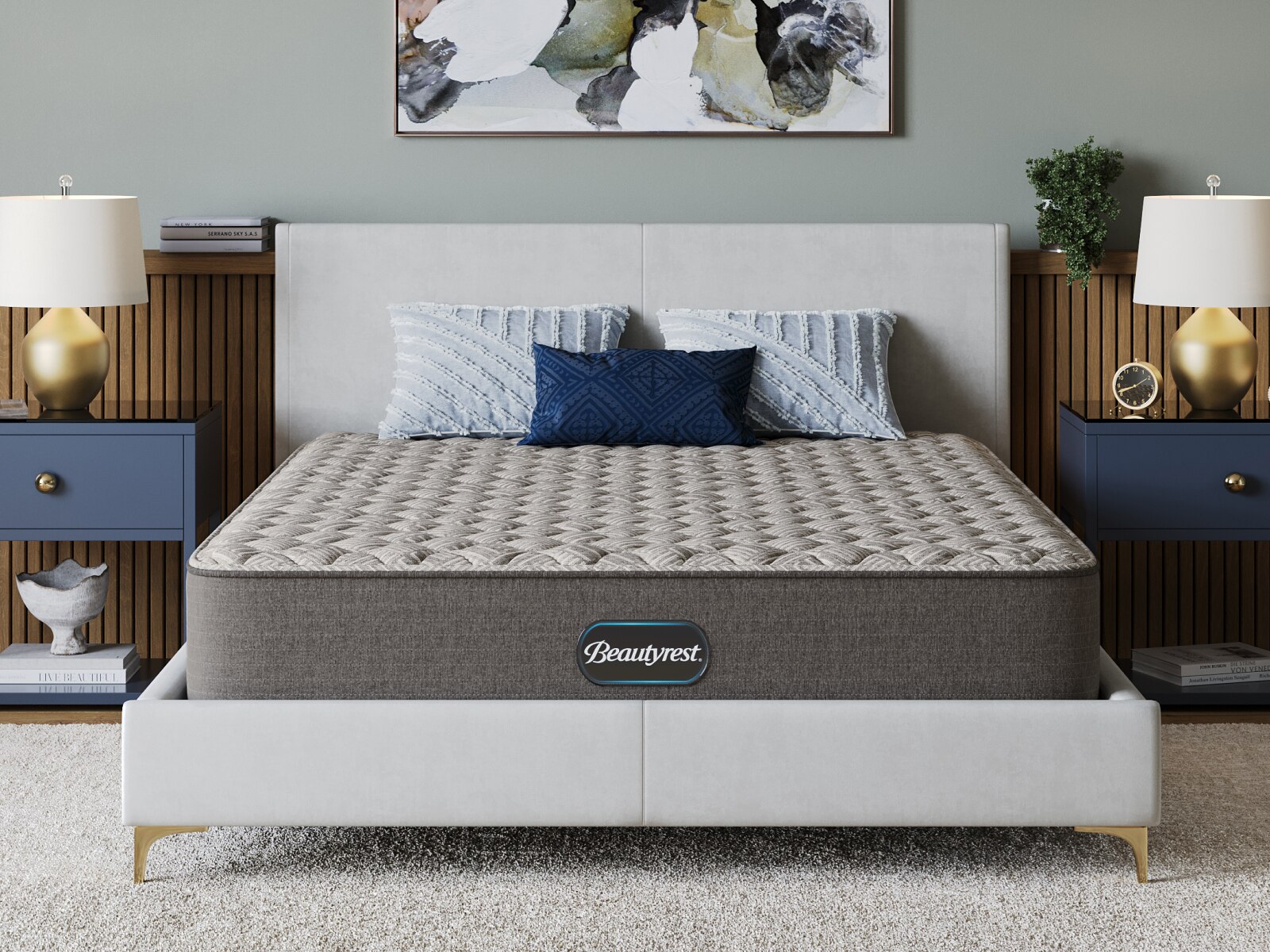
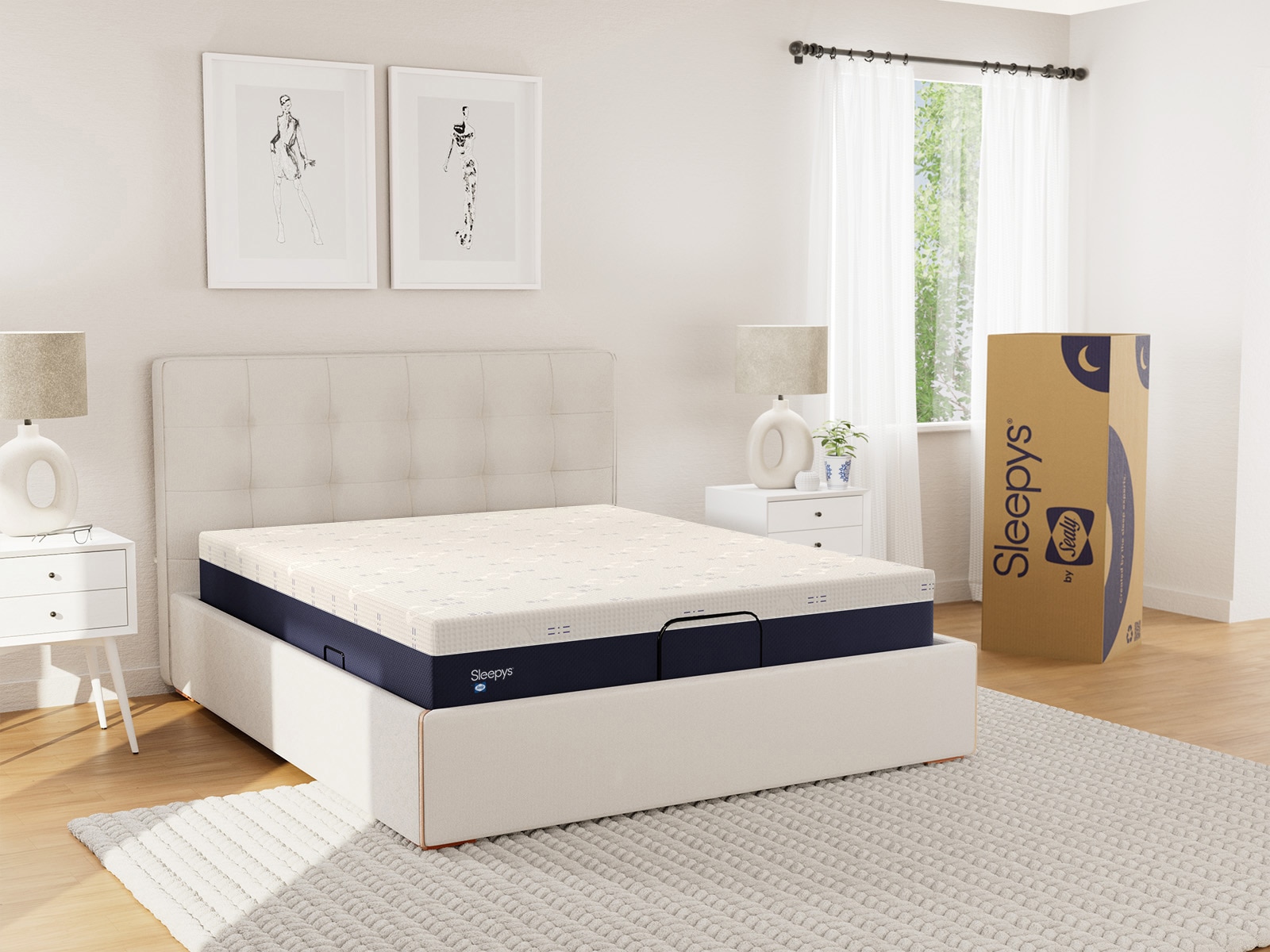
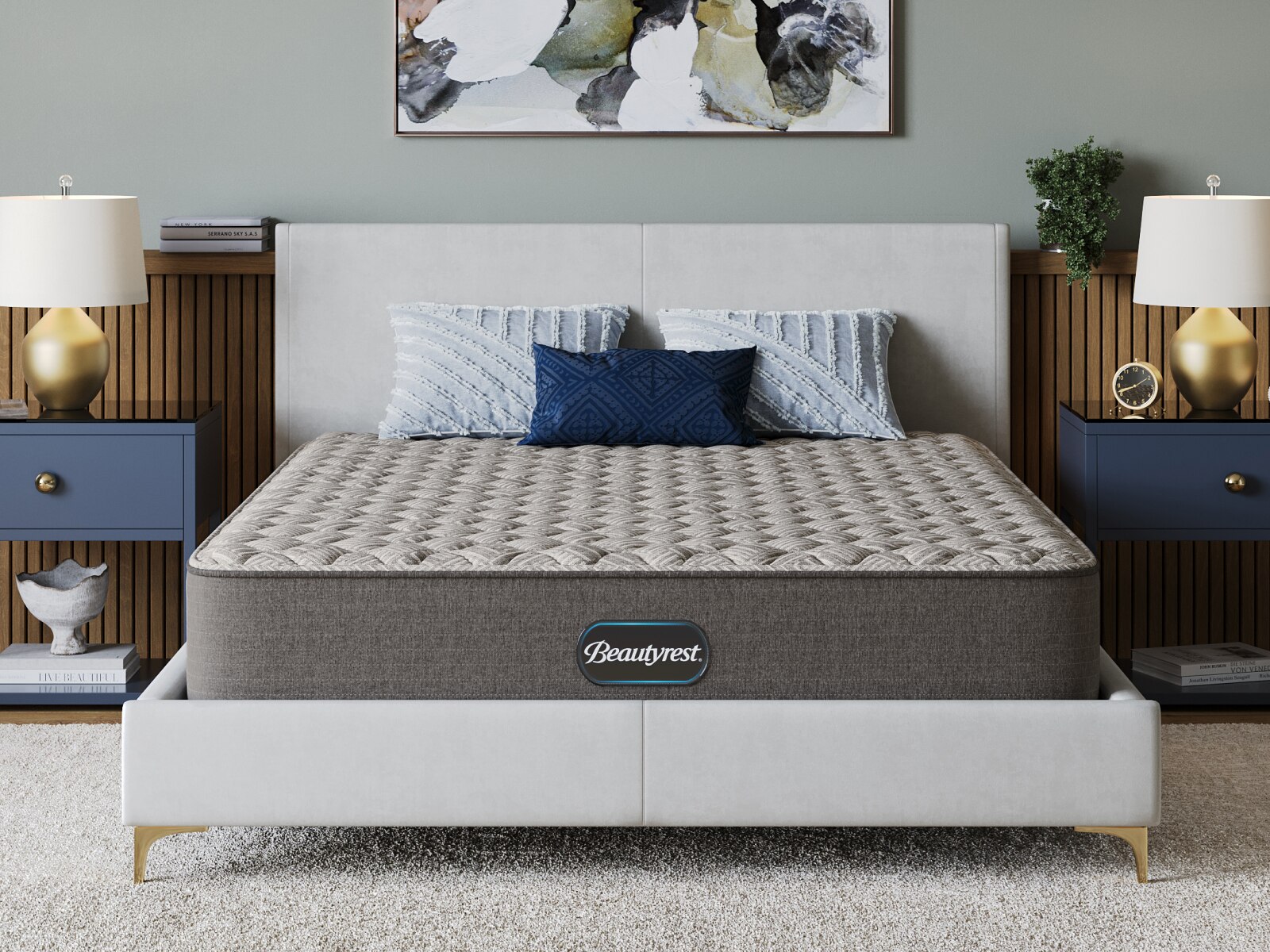
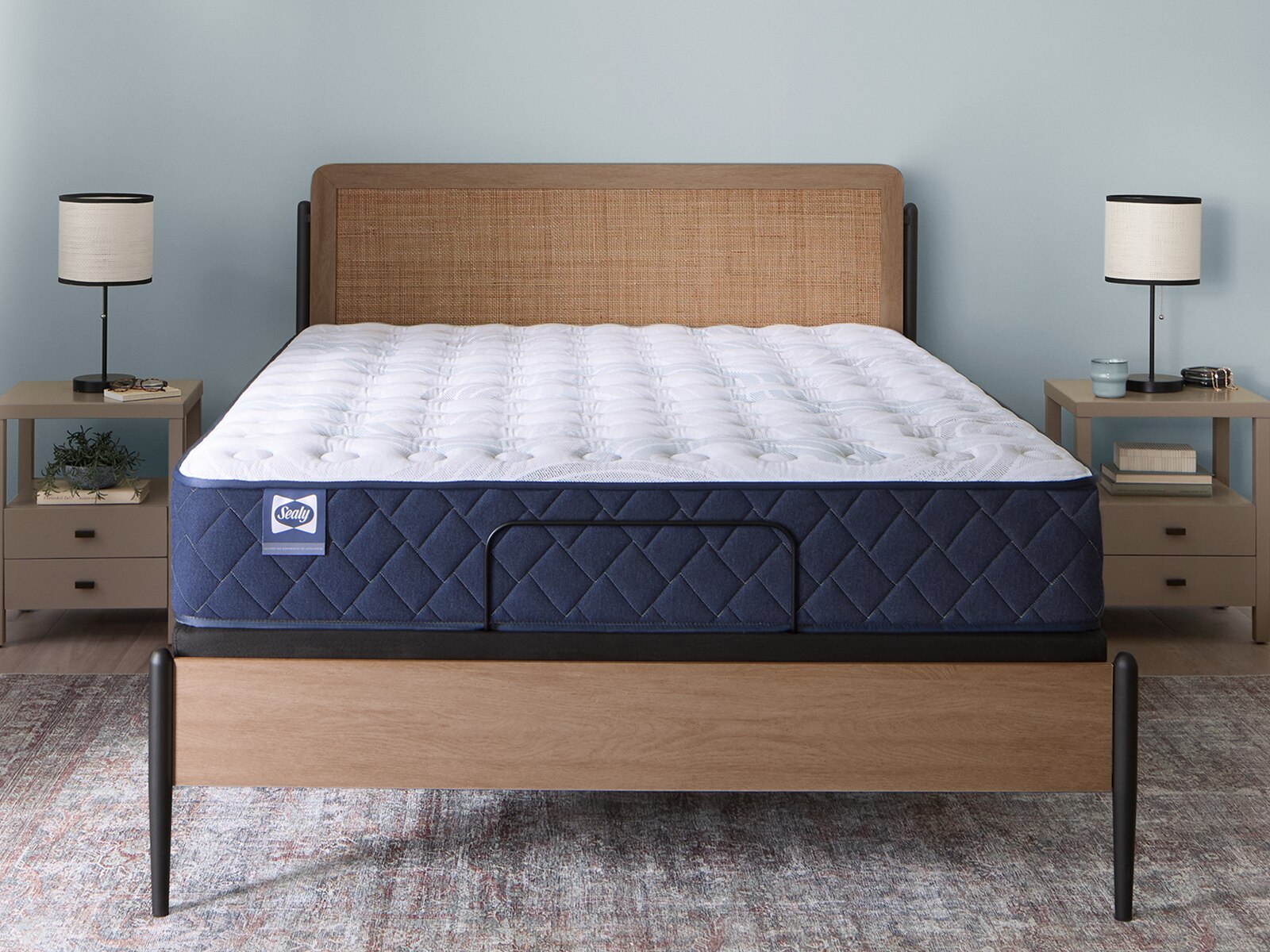
Firm motion separation mattresses combine a firmer sleep surface with materials and construction designed to limit how much movement travels across the bed. The goal is a steady, supportive feel that helps keep one person’s movements from becoming the other person’s wake-up call. When a partner rolls onto their back, adjusts a pillow or gets up before sunrise, a mattress with effective motion isolation can absorb some of that activity rather than carry it across the surface. Firmness and motion separation are different characteristics, though: a firm mattress is not automatically good at containing movement, and a mattress that absorbs movement does not have to feel soft. Firmness describes how much resistance the surface offers when you lie down, while motion separation describes how the mattress responds when weight shifts. Foam comfort layers can help dampen movement by compressing around the area where pressure is applied. In hybrid mattresses, individually wrapped coils can respond more independently than interconnected spring systems, helping reduce the spread of movement through the support layer. The layers above those coils still matter, since their thickness, composition and responsiveness influence what a sleeping partner feels. Memory foam generally has a slower response that can soften the sensation of a partner changing positions. More responsive foams and latex tend to spring back faster, which can make repositioning feel easier but may allow more noticeable movement, depending on the overall design. Neither material alone determines the result. A firm mattress with a thoughtfully balanced comfort layer and support system can provide a stable resting surface without feeling unyielding. Motion isolation also has limits: a shared foundation, a shifting bed frame or someone sitting heavily on the edge can still create movement. For partners with different schedules or anyone who shares a bed with a restless sleeper, the useful distinction is less movement reaching the other side, not a promise that every disturbance will disappear.
Finding the right fit starts with the sleeper rather than the firmness label. Back sleepers often appreciate a firm surface that supports the pelvis while allowing some cushioning around the shoulders and lower back. Stomach sleepers may prefer a firmer feel that helps limit excessive sinking through the midsection. Side sleepers generally need enough surface cushioning for the shoulder and hip, even when they prefer an overall firm mattress. A surface that resists every curve can create uncomfortable pressure, so firm should not be confused with hard. Body weight changes how a mattress feels, too. A lighter sleeper may notice less contouring on the same mattress that feels more adaptive to someone with a heavier build. When two people share a bed, their preferences may overlap without being identical. One partner might want a more settled feel, while the other needs to turn easily without feeling held in place. Comparing how a mattress responds in familiar sleeping positions can make those differences clearer. Spend time lying on the back, side or stomach as appropriate, then have a partner change positions or get in and out of bed. Notice both the movement that crosses the surface and the effort required to move independently. Mattress size contributes to shared comfort as well. More room can create distance between sleepers, but extra width alone does not replace motion-absorbing construction. For bedrooms where a queen provides the right balance of sleeping space and room around the bed,
Firm Queen Mattresses can help narrow the focus by size and feel. Measure the room, doorways and the full bed frame rather than relying on mattress dimensions alone. Edge support deserves attention if either sleeper rests near the perimeter or sits on the side while getting dressed. A stable edge can make more of the surface feel usable, although edge strength and motion isolation should be considered separately. The most comfortable fit balances personal space, pressure relief, ease of movement and the amount of partner disturbance each sleeper notices.
Materials, construction quality and everyday care all influence how a firm motion separation mattress performs over time. An all-foam design relies on its comfort and support layers to manage pressure and movement, while a hybrid combines cushioning materials with a coil support system. Look beyond the broad mattress category to how those layers work together. A thicker comfort section may provide more contouring, but thickness alone does not establish firmness, durability or motion isolation. Foam density can offer useful information about material characteristics and potential durability, yet it is not the same thing as firmness; a dense foam can still feel soft. Coil count is also only one detail, not a complete measure of support or quality. The coil design, surrounding materials and overall construction matter together. Durable performance means maintaining a comfortable, reasonably consistent surface through repeated use, rather than simply feeling firm on the first night. Some settling and softening can occur as materials adapt to regular use, but pronounced sagging or a persistent low spot deserves attention. A compatible foundation or bed frame helps the mattress perform as intended, especially when the manufacturer specifies particular slat spacing or center support. Loose hardware or an uneven base can introduce movement that might otherwise be mistaken for poor mattress isolation. Follow the care instructions for rotation, and do not flip a mattress unless its construction is intended for use on both sides. A properly fitted mattress protector helps guard against spills and everyday moisture without requiring direct cleaning of the comfort layers. For small spills, use the manufacturer’s recommended cleaning method, avoid soaking the mattress and allow the surface to dry completely before replacing bedding. Check that sheets and protectors fit the mattress depth without pulling tightly across the surface, since bedding should not interfere with its contouring. For shared beds, consistent support beneath the mattress and sensible care above it help preserve the steady feel that makes firm motion separation mattresses appealing in the first place.